
Visiting Cusco allows travelers to discover one of the regions with the strongest cultural identity in South America. That is why many want to learn about the customs of Cusco and its cultural richness before planning their trip. The city preserves traditions inherited from the Inca period and customs developed over centuries in Andean communities. The mix of history, gastronomy, music, celebrations, and crafts makes this region very different from other tourist destinations. Travelers find experiences related to ancestral rituals, traditional markets, and popular festivals throughout most of the year. They can also visit villages where cultural practices remain part of daily life. Therefore, understanding the customs of Cusco and its cultural richness helps visitors appreciate every experience during their journey. Many tourists return interested not only in the landscapes but also in the traditions and lifestyles still alive in this Andean region.
Ancestral customs of Cusco and Inca traditions in daily life
The ancestral customs of Cusco remain an important part of daily life in many Andean communities. While the modern city has changed significantly in recent decades, many families continue to preserve practices inherited from previous generations. Various ceremonies still take place during agricultural activities and religious celebrations.
Many people travel interested in the customs of Cusco and its cultural richness because they want to better understand the historical legacy of the ancient Inca civilization. Some agricultural traditions are still practiced, especially in rural villages near the city. There are also rituals linked to the earth and the mountains, considered sacred within the Andean worldview.
The Inca traditions in Cusco are also reflected in the organization of festivals and current cultural expressions. Many communities use traditional music, typical clothing, and ancestral dances during important events. Some ceremonies also include symbolic offerings related to nature and agricultural fertility.
The preservation of these practices represents an important aspect of local identity. Therefore, many cultural organizations promote educational activities related to the history and traditions of the Andean world. Visitors interested in authentic experiences often participate in cultural tours to rural communities near Cusco.

Peruvian Andean culture and cultural experiences in Cusco
The Peruvian Andean culture combines historical, social, and spiritual elements developed over centuries in the Andes. In the Cusco region, this cultural identity remains present in daily life, especially in markets, festivals, and community activities. Many customs continue to be passed down through family traditions.
Tourists interested in the customs of Cusco and its cultural richness often look for activities that let them experience authentic local life. Some agencies organize visits to Andean villages where families share textile techniques, traditional gastronomy, and agricultural activities. Many travelers also participate in cultural workshops organized by community associations.
The main cultural experiences in Cusco include:
- Participation in local festivals
- Visits to Andean communities
- Traditional weaving workshops
- Gastronomic activities
- Historical tours
- Music and dance performances
These experiences allow visitors to discover cultural aspects difficult to observe during conventional tourist tours. They also help strengthen responsible tourism and the local economy in rural communities.
Many people especially value direct contact with Andean families because it helps them better understand local traditions. Therefore, these activities have become an important part of cultural tourism in the region.
Traditional festivals of Cusco and typical dances of the region
The traditional festivals of Cusco represent one of the most important cultural aspects of the region. Throughout most of the year, different neighborhoods and communities organize religious celebrations and popular festivals. Many activities combine Catholic elements with ancient Andean traditions.
Travelers interested in the customs of Cusco and its cultural richness often plan their visits during important festive dates. Among the best‑known celebrations are Inti Raymi, Corpus Christi, and various patron saint festivals held in nearby villages. These festivities combine music, dances, gastronomy, and traditional ceremonies.
The typical dances of Cusco are also an essential part of cultural celebrations. Each dance represents historical, agricultural, or religious aspects linked to different communities. The traditional costumes incorporate colors and symbols related to Andean identity.
Many cultural groups rehearse for weeks before each festival. Therefore, the celebrations require extensive community organization. Tourists can observe dance groups, musical bands, and traditional processions in different public spaces of the city.
Among the most recognized dances are:
- Scissors dance
- Qhapac Negro
- Saqra
- Contradanza
- Cusco carnival dance
These artistic expressions help preserve the cultural memory of communities and strengthen regional traditions.

Traditional gastronomy of Cusco and traditional markets
The traditional gastronomy of Cusco represents a combination of Andean ingredients, traditional techniques, and local agricultural products. Many traditional dishes preserve preparations inherited from ancient times. Various foods are still grown in rural communities near the city.
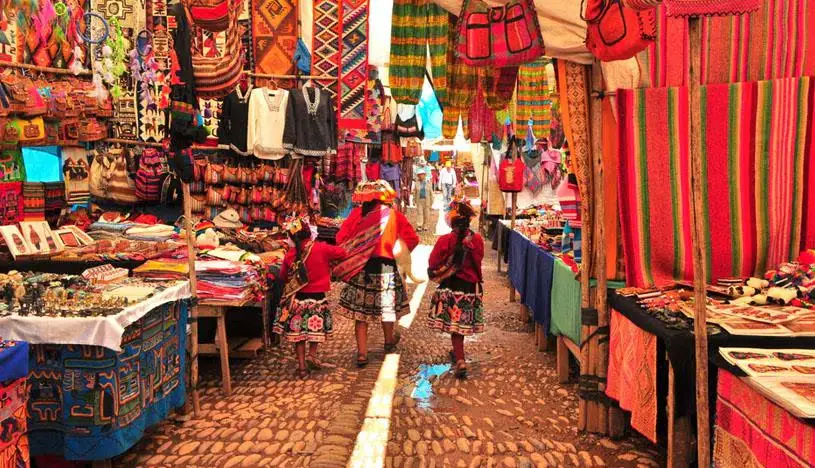
Those interested in the customs of Cusco and its cultural richness often include gastronomic experiences in their travel itineraries. Traditional markets allow visitors to observe a wide variety of Andean products used daily by the local population. They also offer traditional dishes prepared with family recipes.
The main traditional markets of Cusco function as both commercial and cultural spaces. The San Pedro Market stands out especially for its historical importance and gastronomic diversity. Many visitors take the opportunity to taste Andean fruits, artisan breads, and regional dishes.
Among the most well‑known traditional foods are:
- Roasted guinea pig
- Chiri uchu
- Andean tamales
- Quinoa soup
- Corn with cheese
- Pachamanca
Local gastronomy also reflects the ecological diversity of the Andean region. Therefore, many ingredients come from different altitude zones near Cusco.

Traditional handicrafts of Cusco and the Andean communities
The traditional handicrafts of Cusco represent one of the most recognized cultural expressions of southern Peru. Numerous communities produce textiles, ceramics, and artisanal products using techniques passed down from generation to generation. Many processes are still done manually with traditional tools.
Tourists interested in the customs of Cusco and its cultural richness often visit craft workshops located in nearby Andean villages. These visits allow travelers to observe the production process and better understand the cultural meaning of certain textile designs.
The Andean communities of Cusco preserve knowledge about natural dyes, loom weaving, and traditional embroidery. Some families make garments with locally sourced alpaca and sheep wool. The colors they use often come from plants, minerals, and insects.
Many community associations currently work on responsible tourism projects. Therefore, many visitors buy handicrafts directly from local producers. This practice helps strengthen the rural economy and contributes to preserving traditional techniques.
Among the most sought‑after handicrafts are:
- Andean ponchos
- Traditional chullos (knitted hats)
- Woven blankets
- Decorative ceramics
- Handmade bags
- Textile tapestries
Each product reflects an important part of the cultural identity of rural Andean communities.
History and traditions of Cusco at the most important tourist sites
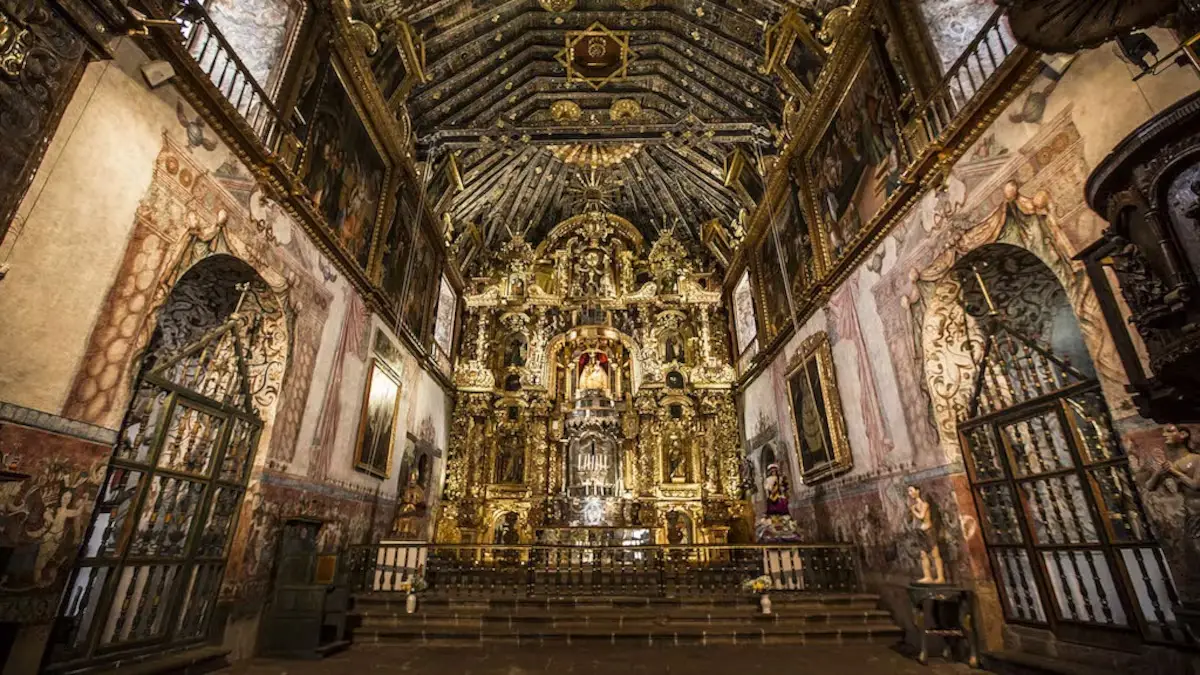
The history of Cusco remains present in numerous tourist spaces visited daily by thousands of people. Inca and colonial constructions reflect an important part of the region’s historical development. Several places still preserve ceremonial or cultural functions.
Travelers interested in the customs of Cusco and its cultural richness often visit historical sites related to the ancient capital of the Inca Empire. Places like Sacsayhuamán, Qorikancha, and the Plaza de Armas allow visitors to observe the fusion between Andean architecture and colonial heritage.
Many tourist attractions of Cusco also serve as stages for traditional celebrations and cultural activities. During certain festivals, the streets of the historic center host processions, dances, and religious events linked to local identity.
The preservation of these spaces is a priority for cultural institutions and tourism authorities. Therefore, regulations exist regarding the conservation and protection of historical heritage.
In addition to archaeological sites, many tourists also visit:
- Traditional neighborhoods
- Colonial churches
- Historical museums
- Cultural centers
- Craft markets
These places help visitors better understand the cultural evolution of the Andean region.
Cultural tourism in Cusco and trips focused on traditional experiences
Cultural tourism in Cusco has grown considerably in recent years due to international interest in Andean traditions. Many visitors seek experiences related to history, gastronomy, and community life. Several specialized agencies offer tours focused on authentic cultural activities.
People interested in the customs of Cusco and its cultural richness often participate in programs that combine archaeological visits with community activities. Some itineraries include rural stays, textile workshops, and traditional celebrations organized by local communities.
Cultural trips to Cusco also allow visitors to discover less crowded regions outside conventional tourist circuits. Many villages preserve agricultural practices and traditional ceremonies linked to the Andean worldview. Some tourism programs promote responsible cultural exchanges between visitors and residents.
The main cultural tours in Cusco usually include:
- Archaeological visits
- Gastronomic experiences
- Craft workshops
- Participation in festivals
- Historical tours
- Community activities
These activities help diversify tourism and generate economic benefits for many rural communities. Therefore, cultural tourism continues to strengthen the preservation of local traditions in the region.

Frequently asked questions about the customs of Cusco and its cultural richness
1. What is the best time to enjoy cultural festivals in Cusco?
Many important celebrations take place between June and July due to festivities related to the Andean and religious calendar. Inti Raymi is one of the most recognized dates on Cusco’s cultural calendar. However, patron saint festivals and traditional events are held throughout the year in different villages near Cusco.
2. Do Andean communities receive tourists all year round?
Yes. Many Andean communities of Cusco actively participate in cultural tourism programs during different seasons. However, some agricultural activities or specific festivals depend on the local calendar and weather conditions. Therefore, certain tours may vary depending on the time of year.
3. Is it possible to participate in traditional craft workshops?
Yes. Various associations and communities organize workshops where visitors learn basic techniques related to weaving, natural dyes, and handicraft production. Many activities allow direct interaction with local artisans. They also help visitors understand the cultural meaning of certain Andean designs.
4. What are the most representative handicraft products of Cusco?
Textiles made from alpaca wool are among the most traditional products of the region. Ponchos, chullos, tapestries, and decorative ceramics created with ancestral techniques are highly prestigious. Many designs reflect symbols linked to Andean identity and rural communities.
5. Does cultural tourism benefit local communities?
Yes. Cultural tourism generates economic income for many rural families and community organizations. It also helps preserve traditions related to music, gastronomy, handicrafts, and ancestral festivals. Therefore, many communities consider responsible tourism an important tool for preserving their cultural identity.
Discover our travel packages to Peru and let us organize the perfect adventure for you. Request your quote for your trip to Cusco today!