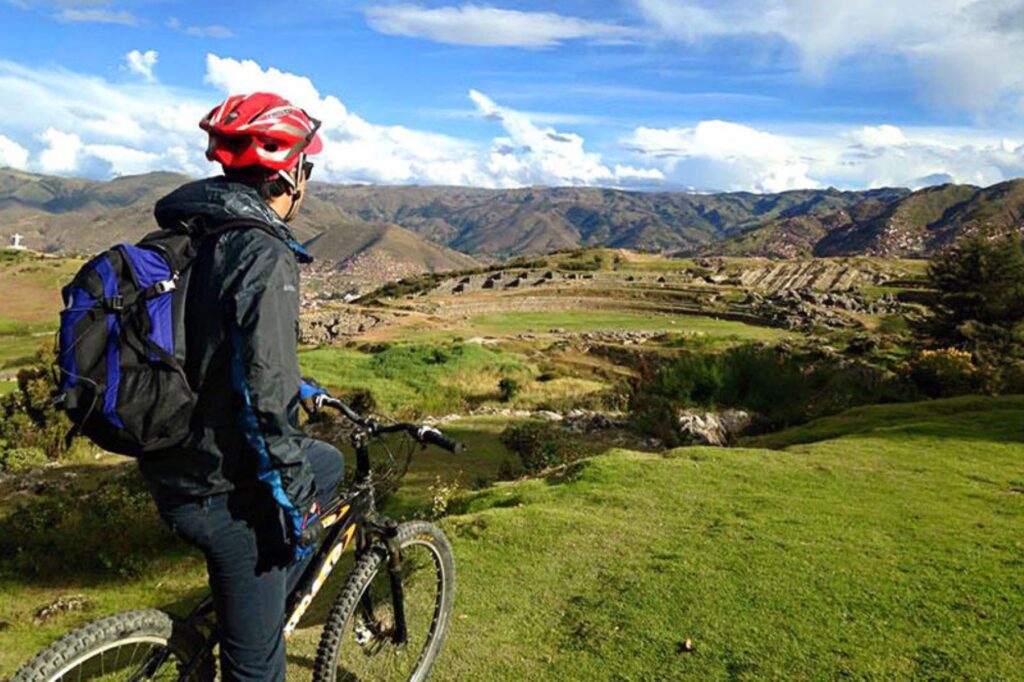
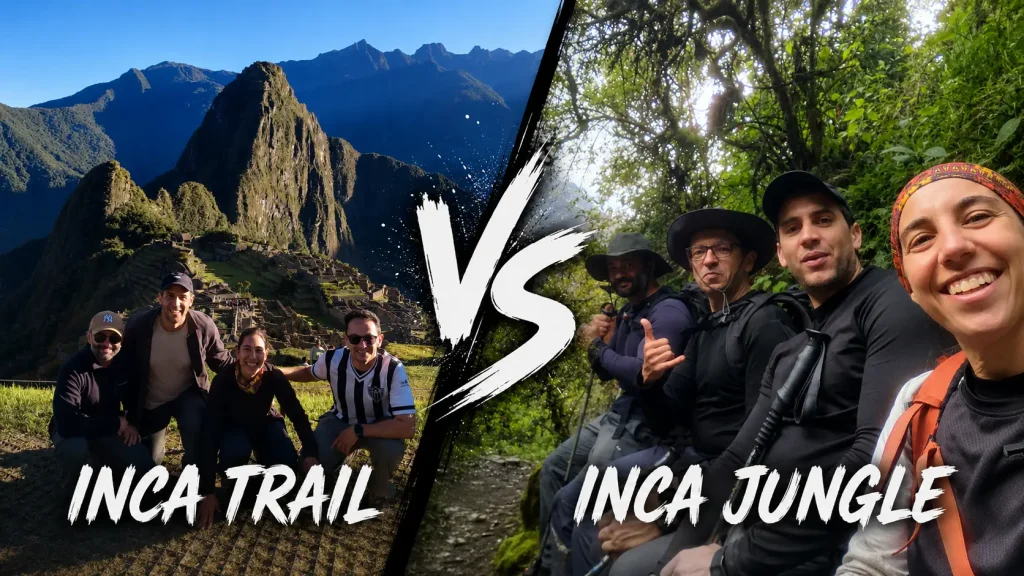
Choosing between Inca Trail versus Inca Jungle is one of the most important decisions for those who want to reach Machu Picchu through an active experience. Both routes lead to one of the most visited destinations in Peru, but they offer completely different experiences. While the Inca Trail stands out for its historical and archaeological value, the Inca Jungle is characterized by combining hiking with adventure activities.
Therefore, the choice depends on the traveler’s profile, physical condition, interests, and the type of experience they want before arriving at Machu Picchu. Comparing both alternatives helps travelers understand their advantages, limitations, and main features. In addition, knowing their differences helps with planning and avoiding unrealistic expectations. The decision between Inca Trail versus Inca Jungle should not be based solely on price or popularity. It is also important to consider logistics, difficulty, scenery, adventure level, and permit availability. For that reason, it is useful to analyze each aspect in detail to determine which option provides a more complete experience according to each traveler’s preferences.
Comparison Between Inca Trail and Inca Jungle
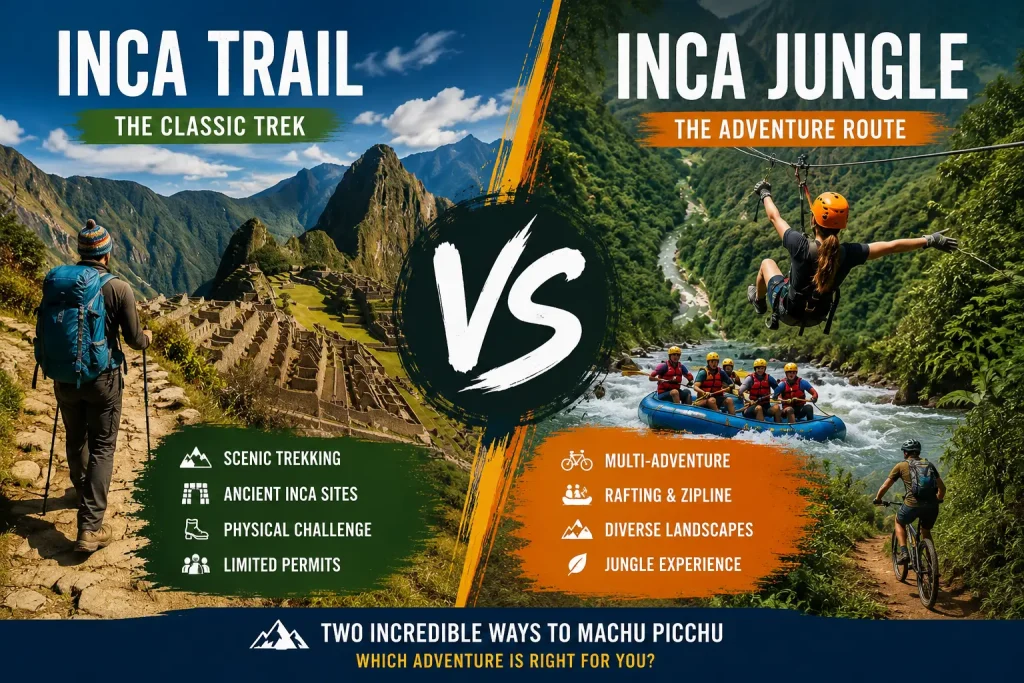
The comparison between Inca Trail and Inca Jungle reveals two very different ways of reaching Machu Picchu. The Inca Trail is a historic route that forms part of the ancient Inca road network known as the Qhapaq Ñan. This trek crosses archaeological sites, stone pathways, and mountain passes of great cultural significance. In addition, it allows visitors to enter Machu Picchu through the famous Sun Gate, known as Inti Punku.
On the other hand, the Inca Jungle was developed as an alternative for travelers seeking a more dynamic experience. This route combines mountain biking, hiking, hot springs, and optional activities such as rafting or ziplining. As a result, it offers a variety of experiences within the same itinerary. Although both routes end at Machu Picchu, their approaches are different. One prioritizes a connection with Inca history, while the other focuses on adventure and activity diversity. Consequently, the choice between Inca Trail versus Inca Jungle depends on personal expectations and the desired travel style.
Similarities Between Inca Trail and Inca Jungle
There are several similarities between Inca Trail and Inca Jungle that should be considered before making a decision. Both routes begin in the Cusco region and end with a visit to Machu Picchu. Likewise, they require a reasonable level of physical fitness to complete the daily activities. Both alternatives allow travelers to enjoy Andean landscapes and subtropical vegetation areas. In addition, they are usually offered as multi-day programs that include accommodations, meals, and professional guides. Another important aspect is that both experiences provide contact with local communities and allow visitors to observe changes in ecosystems throughout the journey. Although their approaches differ, both options create a strong sense of accomplishment upon completion. Therefore, either alternative can become a memorable experience for those seeking more than a standard visit to the Inca citadel.
Differences Between Inca Trail and Inca Jungle
The main differences between Inca Trail and Inca Jungle are related to the type of route, access, and included activities. The Inca Trail focuses exclusively on hiking and exploring ancient Inca pathways. Along the route, travelers can visit several archaeological sites that are inaccessible through other approaches. In addition, entry is strictly regulated through limited permits. In contrast, the Inca Jungle uses alternative routes and passes through locations such as Santa María, Santa Teresa, Hydroelectric Station, and Aguas Calientes. This route incorporates adventure activities that enrich the experience for many travelers. Another significant difference is infrastructure. The Inca Trail requires organized camping and specific logistical arrangements. Meanwhile, the Inca Jungle usually includes basic accommodations in local towns. These differences make the Inca Trail versus Inca Jungle experience very distinct, even though the final destination is the same.
Inca Trail Route Compared with Inca Jungle
The Inca Trail route compared with Inca Jungle presents clear contrasts in geography and itinerary. The Inca Trail covers approximately 42 kilometers of historic pathways and reaches mountain passes above 4,000 meters in elevation. Along the route, travelers encounter Inca structures integrated into the landscape. In contrast, the Inca Jungle covers a greater distance using different forms of transportation and physical activities. The journey often begins at Abra Málaga, where participants descend by bicycle toward warmer climate zones. The route then continues through cloud forest areas and rural villages before reaching Machu Picchu. This combination creates a more varied experience in terms of scenery and activities. However, travelers seeking a direct connection with Inca heritage are often more attracted to the traditional Inca Trail route.
Difficulty of the Inca Trail Compared with the Inca Jungle
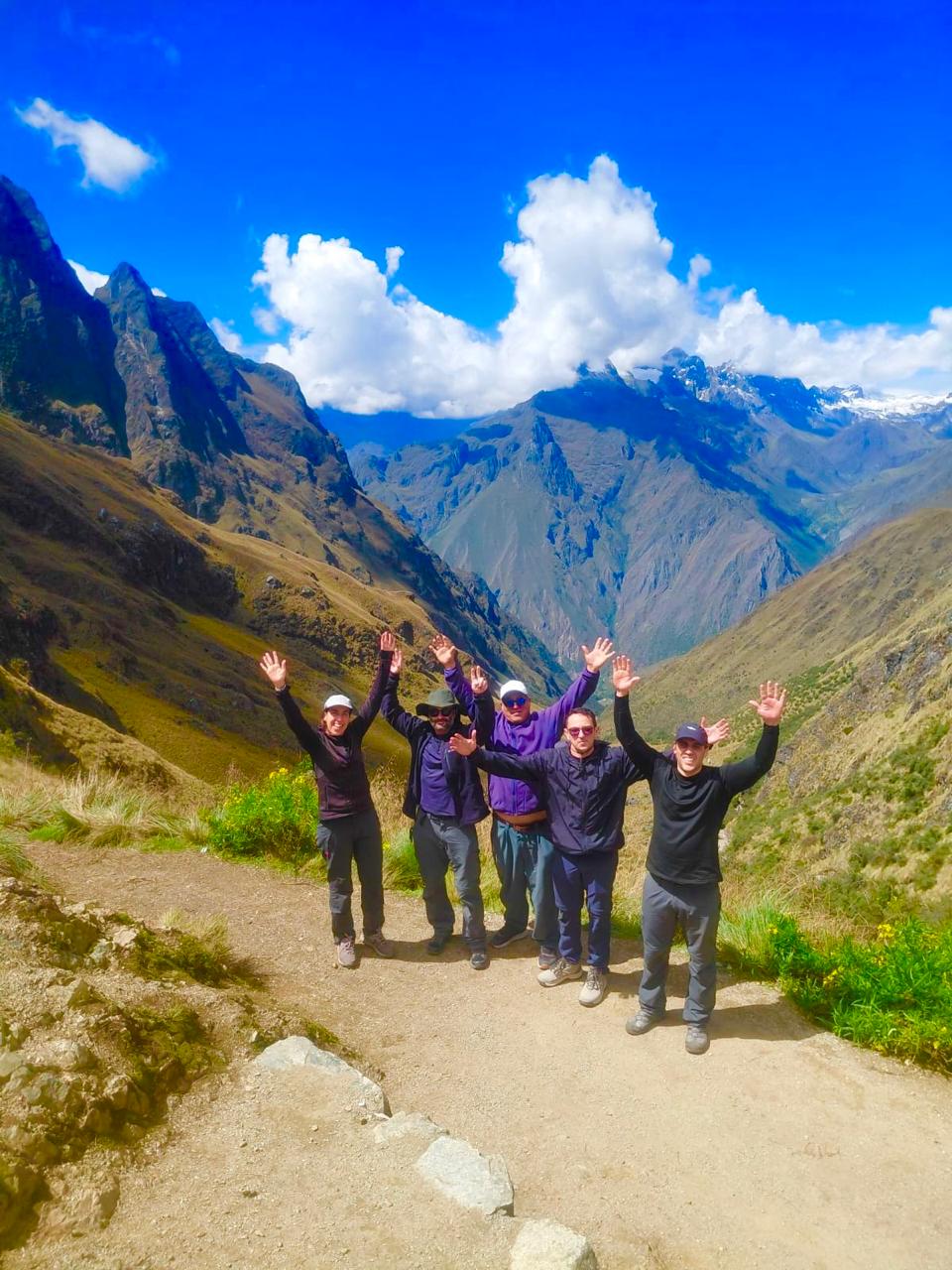
The difficulty of the Inca Trail compared with the Inca Jungle is a decisive factor for many travelers and requires several days of hiking through uneven terrain and high-altitude environments. The most challenging section is usually the ascent to the pass known as Warmiwañusca, located above 4,200 meters above sea level. Because of the altitude, many travelers require proper acclimatization before starting the trek. In addition, the daily hiking stages can be demanding for individuals with limited trekking experience.
On the other hand, the Inca Jungle distributes physical effort among several activities. Although it includes long hikes, it also incorporates biking descents and other experiences that reduce the monotony of continuous trekking. However, it should not be considered an easy option. The hiking sections remain demanding, and the adventure activities require a certain level of physical endurance. Consequently, both routes require preparation, but the type of challenge differs. This characteristic significantly influences the decision between Inca Trail versus Inca Jungle.
Costs of Inca Trail versus Inca Jungle
The costs of Inca Trail versus Inca Jungle show important differences. The Inca Trail is generally more expensive due to the permit system, campsite logistics, authorized porters, and official access regulations. In addition, limited availability increases demand throughout much of the year. As a result, prices tend to remain higher than those of alternative routes.
In contrast, the Inca Jungle usually offers more affordable rates. The absence of special permits for the main route and the use of local accommodations help reduce operational costs. Furthermore, there is a wider variety of tour operators and available programs. However, some optional activities may generate additional expenses depending on the selected itinerary. Therefore, travelers with tighter budgets often consider this alternative an attractive option for reaching Machu Picchu without making such a significant investment.
Advantages of the Inca Trail Compared with the Inca Jungle
The advantages of the Inca Trail compared with the Inca Jungle are mainly related to the historical and cultural value of the experience. The route follows ancient pathways built by the Incas and connects several archaeological sites that are not easily accessible to regular visitors. In addition, arriving at Machu Picchu through Inti Punku represents one of the most iconic moments of the journey.
The main advantages include:
- Access to original historic pathways.
- Visits to numerous archaeological complexes.
- Traditional entry through the Sun Gate.
- Experience focused on Inca culture.
- Greater sense of historical immersion.
For many travelers, these elements make the Inca Trail a unique experience that goes beyond a simple hike. In addition, the permit system limits the daily number of visitors, helping preserve the route and maintain controlled tourism levels.
Advantages of the Inca Jungle Compared with the Inca Trail
The advantages of the Inca Jungle compared with the Inca Trail are mainly related to activity diversity and logistical flexibility. This route combines several forms of exploration within a single journey. As a result, it provides a more dynamic experience for travelers who enjoy adventure.
The most notable benefits include:
- Lower average cost.
- Greater year-round availability.
- Activities such as mountain biking and rafting.
- Contact with diverse ecosystems.
- Accommodations in local communities.
In addition, the route passes through cloud forest areas that showcase an interesting transition between Andean and tropical landscapes. This diversity makes the Inca Jungle especially attractive for younger travelers or those seeking a combination of sports, nature, and cultural exploration within the same experience.
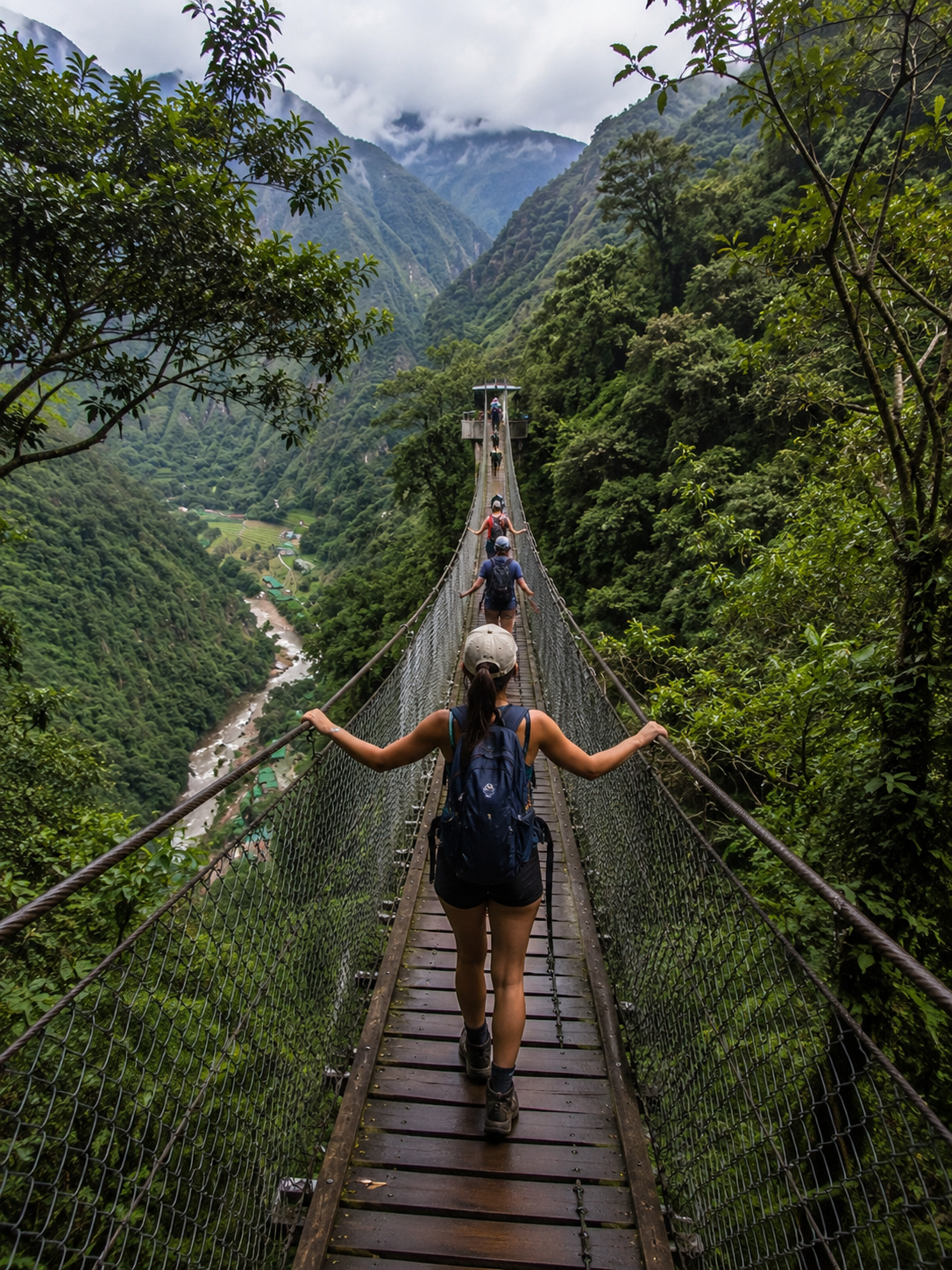
Inca Trail versus Inca Jungle Experience for Different Traveler Profiles
The Inca Trail versus Inca Jungle experience changes significantly depending on the traveler profile. History enthusiasts often appreciate the Inca Trail more because of its close connection to Inca civilization. Likewise, those who enjoy traditional trekking often find this route highly rewarding.
On the other hand, travelers interested in varied activities tend to be more attracted to the Inca Jungle. The possibility of alternating hikes with biking and other adventures creates a constant sense of variety. In addition, many people consider this alternative a more social experience because it passes through small towns and local accommodations.
Planning considerations are also important. The Inca Trail requires reservations several months in advance because of limited permit availability. Meanwhile, the Inca Jungle generally allows for more flexible travel arrangements. These differences are crucial for travelers organizing trips on shorter notice.
Inca Trail and Inca Jungle for Reaching Machu Picchu
When analyzing Inca Trail and Inca Jungle for reaching Machu Picchu, it becomes clear that both routes achieve the same goal through different approaches. The Inca Trail transforms the journey into a historical and archaeological immersion. In contrast, the Inca Jungle turns the route into a multidisciplinary adventure experience.
Both options allow travelers to enjoy spectacular landscapes and create a unique sense of anticipation before entering Machu Picchu. However, each offers specific benefits that may be more relevant depending on individual interests. For that reason, the choice between Inca Trail versus Inca Jungle should be based on personal priorities rather than general recommendations.
Best Option Between Inca Trail and Inca Jungle for Tourists
The best option between Inca Trail and Inca Jungle for tourists depends entirely on travel objectives. Travelers seeking history, archaeology, and traditional trekking often find greater satisfaction in the Inca Trail. In addition, entry through Inti Punku adds a symbolic component that is highly valued by many visitors.
On the other hand, travelers who prefer diverse activities, moderate budgets, and a more flexible experience often lean toward the Inca Jungle. This alternative offers an attractive combination of nature, sports, and cultural exploration. Therefore, there is no universal answer regarding which to choose between Inca Trail and Inca Jungle. The right decision depends on travel style, physical preparation, and individual expectations.
Inca Trail vs Inca Jungle Trekking and Final Selection Criteria
The analysis of Inca Trail vs Inca Jungle trekking demonstrates that both routes have clear strengths. The Inca Trail stands out for its historical authenticity and direct connection to Inca heritage. Meanwhile, the Inca Jungle excels because of its activity diversity and landscape variety. In addition, each alternative offers a different way to experience the journey toward Machu Picchu.
Before booking, it is advisable to evaluate several factors:
- Available budget.
- Reservation lead time.
- Personal physical condition.
- Interest in history or adventure.
- Preference for camping or accommodations.
These elements help determine more accurately which to choose between Inca Trail and Inca Jungle and allow travelers to plan an experience that matches their expectations.
Frequently Asked Questions
1. How many months in advance should the Inca Trail be booked?
The Inca Trail has limited availability due to the official permit system. During the high season, spaces often sell out several months in advance. For that reason, many travelers make reservations between four and six months before their planned travel date. In some cases, especially during the most popular months, booking even earlier is recommended. Planning ahead provides access to more date options and helps avoid unexpected itinerary changes.
2. Can the Inca Jungle be done throughout the year?
The Inca Jungle operates during most of the year. However, weather conditions can affect certain activities during the rainy season. During some periods, heavy rainfall may cause landslides or complications along specific sections of the route. For that reason, many tour operators recommend the dry season for a more stable experience. Even so, the route generally offers greater availability than the Inca Trail.
3. Is previous trekking experience necessary for these routes?
Professional trekking experience is not essential. However, both routes require adequate physical fitness. The Inca Trail demands endurance for several days of hiking at altitude. Meanwhile, the Inca Jungle combines different physical activities that also require preparation. Completing practice hikes and acclimatizing in Cusco usually improves the overall experience and reduces difficulties during the journey.
4. What type of luggage is recommended for these routes?
Traveling with lightweight and practical luggage is highly recommended. Clothing should be suitable for sudden temperature changes. It is also advisable to bring sun protection, rain gear, trekking shoes, and basic personal hygiene items. In addition, travelers should pack personal medications and rain protection equipment. A well-organized backpack improves comfort and convenience throughout the entire experience.
5. Are the adventure activities on the Inca Jungle mandatory?
Many activities included in the Inca Jungle offer optional participation or different levels of involvement. Some travelers choose to participate in rafting or ziplining, while others prefer to continue only with the hiking portions. This flexibility allows the journey to be adapted to personal preferences. In addition, it makes participation possible for people with different levels of experience in outdoor adventure activities.
Discover our Peru travel packages and let us organize the perfect adventure for you. Request your quote for your trip to Cusco today!