
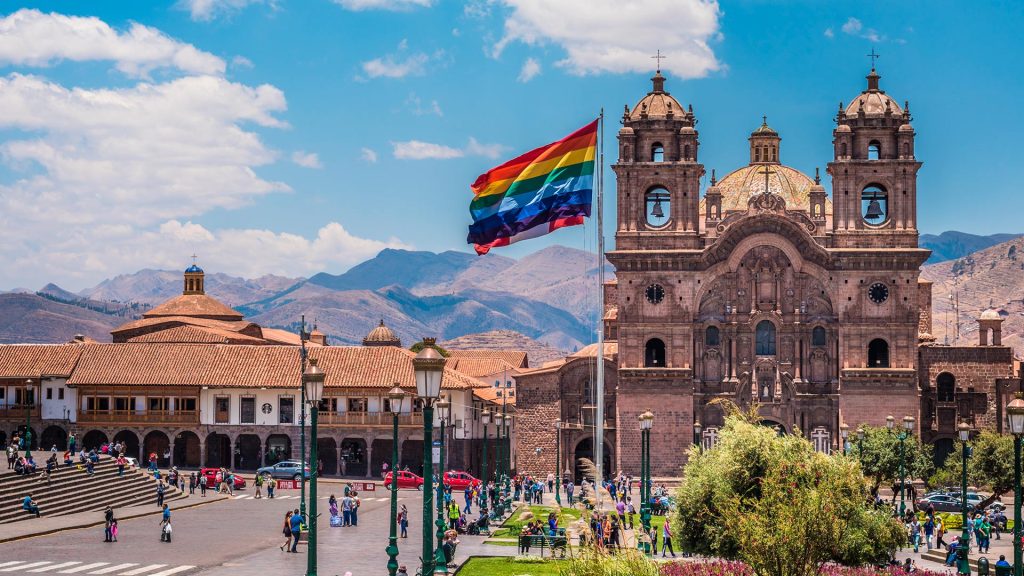
Traveling to Cusco means adapting to a city located at high altitude. Therefore, many people look for information on how to avoid altitude sickness before they arrive. The ancient capital of the Inca Empire sits at over 3,350 meters above sea level. Because of this, some tourists experience fatigue, dizziness, or shortness of breath during their first hours. However, proper preparation greatly reduces discomfort. Making good decisions from the start also helps travelers enjoy their trip more comfortably.
Visitors who understand the adaptation process usually have a better experience. Therefore, learning simple preventive measures makes a big difference during the first days. Recognizing early symptoms and acting quickly is also important. Most cases are mild and disappear after a short adjustment period. Even so, following practical recommendations helps travelers explore Cusco, join excursions, and enjoy activities without serious altitude‑related problems.
Altitude in Cusco and its effects on the body
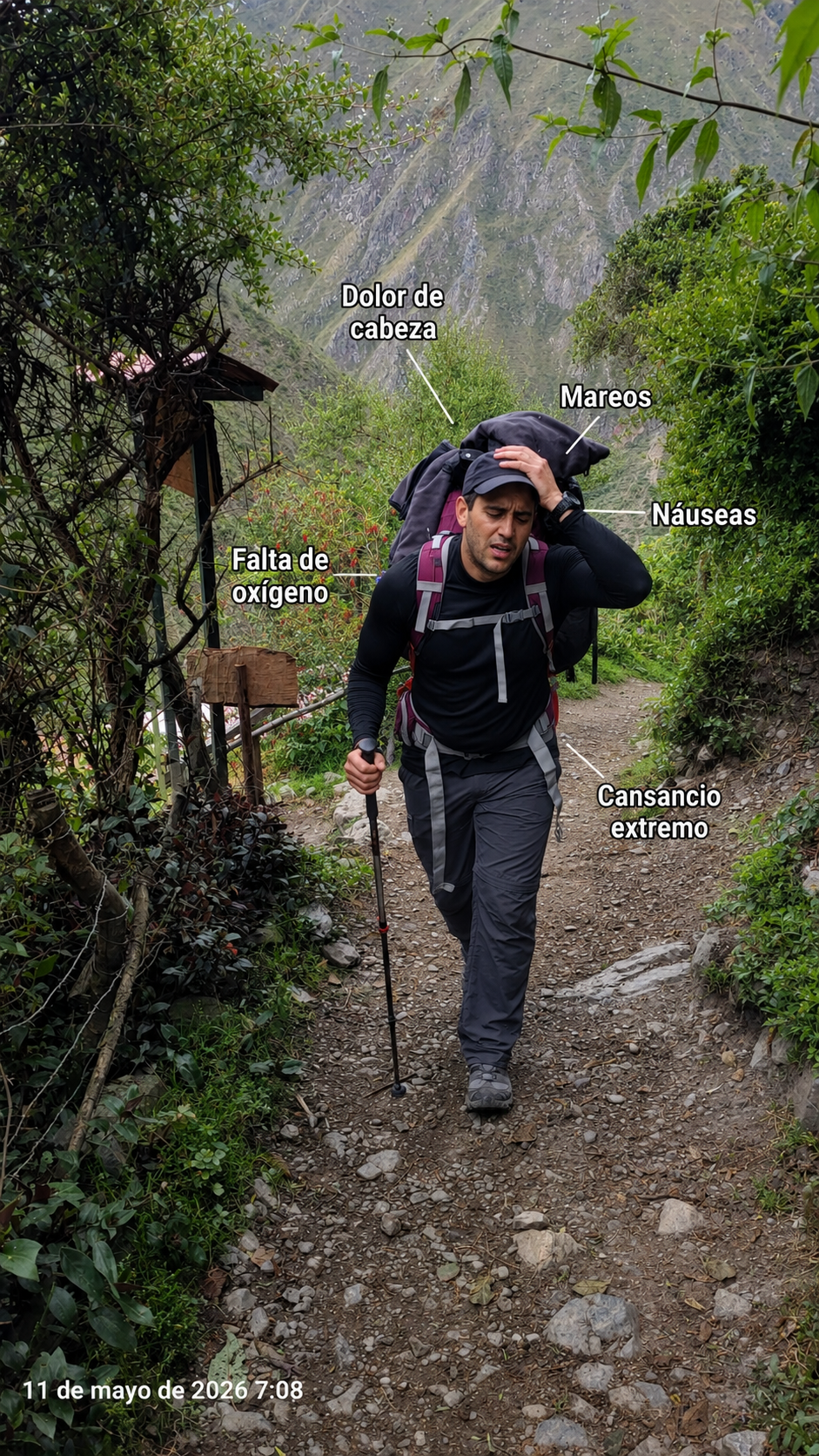
Cusco is located at over 3,350 meters above sea level. In nearby areas, such as viewpoints or hiking trails, the altitude increases even more. Therefore, the body receives less oxygen than usual, which causes various physical reactions depending on the person. Some travelers experience mild headaches, while others feel nausea, fatigue, or loss of appetite. Even young, healthy people may feel discomfort during the first few hours.
The body needs time to adjust to low oxygen levels. This process is known as acclimatization in Cusco. During adaptation, the body increases breathing rate and changes blood circulation to transport oxygen more efficiently. Therefore, resting after arrival is important. Avoiding intense physical activity during the first day is also recommended.
People who come from sea‑level cities usually experience more intense symptoms. However, those who live in high‑altitude areas tend to have fewer problems. Still, no one is completely free from altitude‑related discomfort. Therefore, learning how to avoid altitude sickness helps reduce risks during the trip.
Symptoms of soroche during the first days in Cusco
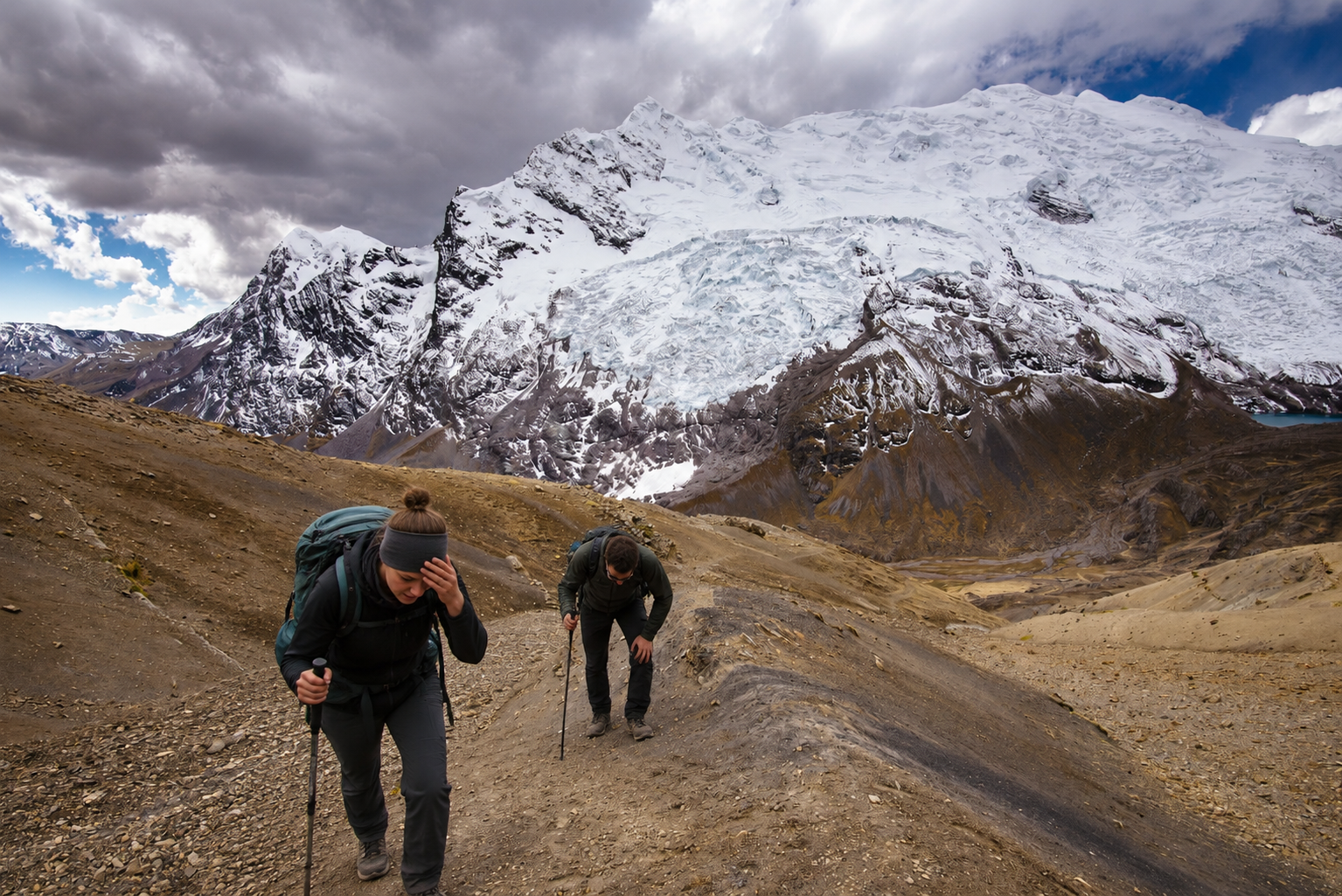
Soroche symptoms usually appear between six and twelve hours after arriving at a high‑altitude destination. In many cases, discomfort disappears naturally after one or two days. However, recognizing symptoms is important so you can act quickly and avoid complications.
The most common symptoms include:
- Headaches
- Dizziness
- Nausea
- Low energy
- Shortness of breath
- Loss of appetite
- Trouble sleeping
- Chest pressure
During the first days in Cusco, many travelers feel tired even when walking short distances. Climbing stairs may also cause shortness of breath more quickly than normal. This situation is common and usually improves with rest and hydration.
In less frequent cases, altitude sickness can worsen. Therefore, severe symptoms require immediate medical attention. You should never ignore mental confusion, intense chest pain, or severe breathing difficulty. Fortunately, most tourists experience mild and temporary symptoms.
Understanding these symptoms helps travelers take preventive measures. It also makes it easier to organize activities such as hiking, excursions, or archaeological visits. Knowing how to avoid altitude sickness also allows you to make good decisions during the adaptation process.
Preparations before traveling to Cusco
Many altitude‑related problems can be mitigated before the trip. Therefore, every visitor should know how to prepare for traveling to Cusco. Good planning makes adaptation easier and allows you to enjoy activities more comfortably.
Getting enough sleep before your flight helps your body adjust better to altitude changes. Eating light meals in the days before also aids digestion. Heavy meals tend to increase fatigue during adaptation.
Hydration is also essential. Drinking enough water before and during the trip helps your body function properly. However, limit excessive alcohol consumption, as it can worsen dehydration and increase altitude‑related discomfort.
Some travelers consult their doctors before visiting high‑altitude areas. This recommendation is especially useful for people with respiratory or heart conditions. Some specialists may suggest preventive medication depending on individual circumstances.
Another useful strategy is to plan light activities for the first day. Many visitors try to explore too much as soon as they arrive in Cusco. However, the body needs time to adapt. Therefore, resting during the first few hours greatly helps recovery.
Travelers who look for information on how to avoid altitude sickness usually get better results by combining rest, hydration, and moderate activities at the beginning of the trip.
Acclimatization in Cusco and gradual adaptation
Acclimatization in Cusco is one of the most important factors for enjoying the trip without serious discomfort. The body needs time to adjust to low oxygen levels at altitude. Therefore, rushing during the first hours usually causes greater fatigue.
Many specialists recommend resting on the day of arrival. Walking slowly also helps control your breathing. Some tourists feel anxious when they notice difficulty breathing. However, this reaction usually decreases as adaptation progresses.
Prioritizing light activities at the start of the trip is also advisable. Visiting plazas, markets, or cafes is better than starting long hikes immediately. After one or two days, many travelers tolerate physical effort much better.
Another important recommendation is to sleep well during the first nights. Sleep helps the body recover and adapt faster. Staying hydrated also supports circulation and oxygen transport.
Many travelers wonder how long it takes to adapt properly. The answer depends on physical condition and place of origin. Even so, most tourists improve significantly between 24 and 48 hours after arrival.
Understanding how to avoid altitude sickness means respecting your body’s adaptation process. Gradual acclimatization also allows travelers to enjoy activities and landscapes more comfortably.

Time needed to acclimatize before excursions
Questions about how much time is needed to acclimatize in Cusco are common among travelers planning demanding hikes or excursions. Many arrive with tight itineraries and want to start intense activities immediately. However, this decision usually increases altitude‑related discomfort.
Most tour operators recommend spending at least one or two days in the city before embarking on long treks. This period allows your body to better adapt to the environment. It also helps identify possible symptoms before visiting higher altitude areas.
Some nearby tourist destinations are at much higher altitudes than the city itself. For example, several mountain routes exceed 4,000 meters above sea level. Therefore, starting intense activities too early can cause dizziness or exhaustion.
During the adaptation period, light activities are recommended. Many travelers use this time to explore the historic center, taste local gastronomy, or visit craft markets. These experiences let visitors discover the city without excessive physical effort.
Those planning multi‑day hiking routes greatly benefit from proper acclimatization. Arriving well‑rested also improves physical performance during excursions.
Travelers who know how to avoid altitude sickness usually organize their itineraries with adaptation days before doing demanding activities.
Coca tea in Cusco and traditional remedies for soroche
Coca tea in Cusco is one of the best‑known traditional practices among tourists and residents alike. Many people drink this infusion during their first days to relieve mild altitude‑related discomfort. Coca leaves have a long history in the Andean region and are still used as support during the adaptation process.
The tea is commonly offered in hotels, restaurants, and tourist accommodations. Some travelers prefer to chew coca leaves, as is traditional. However, each person reacts differently. Therefore, consuming local products in moderation is recommended.
Among the most common remedies for altitude sickness are rest, constant hydration, and light meals. Many people feel relief by avoiding physical effort during the first hours. Drinking hot beverages or soups may also help ease discomfort.
Some tourists also use essential oils or coca candies to reduce nausea. While these products are popular, results vary from person to person. Even so, many travelers find these alternatives useful during acclimatization.
It is important to remember that traditional remedies usually relieve mild symptoms. Severe symptoms require professional medical attention. Therefore, travelers should monitor their health closely and act responsibly.
Recommendations related to how to avoid altitude sickness often include rest, hydration, gradual adaptation, and traditional local practices.

Altitude sickness pills and medical recommendations
Some travelers take altitude sickness pills before or during their arrival at high‑altitude destinations. The best‑known medication is acetazolamide. Many doctors recommend it in certain situations to help the body adapt better.
However, not everyone needs preventive medication. Most tourists experience mild symptoms that disappear naturally with rest and hydration. Therefore, self‑medication is not recommended.
Before taking any medication, it is advisable to consult a healthcare professional. This recommendation is especially important for people with respiratory conditions, heart disease, or high blood pressure. Some medications may also cause side effects or have contraindications.
Travelers should also understand that medication does not replace rest or gradual adaptation. Many people believe that pills completely eliminate the effects of altitude. However, the body still needs time to acclimatize.
Pharmacies and medical centers in Cusco offer treatment options for mild symptoms. Some hotels also provide supplemental oxygen to tourists experiencing moderate discomfort. However, severe cases require immediate medical attention.
To know how to avoid altitude sickness, you need to combine prevention, proper medical advice, and healthy habits during the trip.
Recommended foods for high altitude and healthy habits
Recommended foods for high altitude help your body adapt better during the first days. Many people experience decreased appetite upon arriving at high‑altitude destinations. Even so, maintaining proper nutrition supports recovery and energy levels.
Light meals are usually easier to digest. Hot soups, fresh fruits, and low‑fat dishes are good options during adaptation. Foods rich in carbohydrates also provide quick energy for walking and participating in tourist activities.
Avoiding very heavy meals during the first hours is also advisable. Foods with excess fat can increase fatigue or stomach discomfort. Therefore, a moderate diet supports acclimatization.
Hydration remains essential. Dry air and altitude increase fluid loss. Therefore, drinking water regularly, even when not thirsty, is important.
Many travelers reduce alcohol consumption during the first days. Alcoholic drinks can worsen altitude‑related symptoms. They also affect sleep quality and contribute to dehydration.
People interested in how to avoid altitude sickness usually get better results by maintaining simple, balanced habits during the trip.
Excursions in Cusco for acclimatization before demanding hikes
In Cusco, there are several excursions for acclimatization before taking on more demanding hiking routes. Many travelers use their first days to explore nearby attractions without great physical effort. This strategy allows the body to adapt gradually.
Recommended activities include walking tours of the historic center, cultural visits, and excursions to nearby archaeological sites. Some tours also allow you to explore the Sacred Valley without long hikes.
Many tour operators recommend starting with moderate activities before visiting high‑altitude areas. For example, some hiking routes exceed 4,267 meters above sea level. Therefore, prior acclimatization greatly improves the experience.
Some travelers also use these days to visit local markets and try traditional food. These activities allow tourists to experience local culture while their bodies gradually adapt.
Another advantage of light travel is that it helps identify symptoms before starting intense activities. It also helps maintain a relaxed pace during the first days.
Travelers who look for information on how to avoid altitude sickness usually enjoy better experiences when they organize progressive activities before demanding excursions.
Excursions to Machu Picchu and altitude during the trip
Excursions to Machu Picchu and altitude often cause concern among travelers visiting Cusco for the first time. While the historic sanctuary is at a lower altitude than the city, many routes cross high areas before reaching it.
Some hiking routes include mountain passes at over 4,000 meters in altitude. Therefore, travelers planning multi‑day excursions should acclimatize beforehand. Some excursions also combine long treks with sudden altitude changes.
People who travel by train to Machu Picchu usually experience fewer altitude‑related symptoms. However, many visitors first arrive in Cusco, where most of the adaptation process takes place.
During excursions, maintaining a moderate pace is recommended. Walking too fast can increase fatigue or shortness of breath. Drinking water constantly also helps throughout the journey.
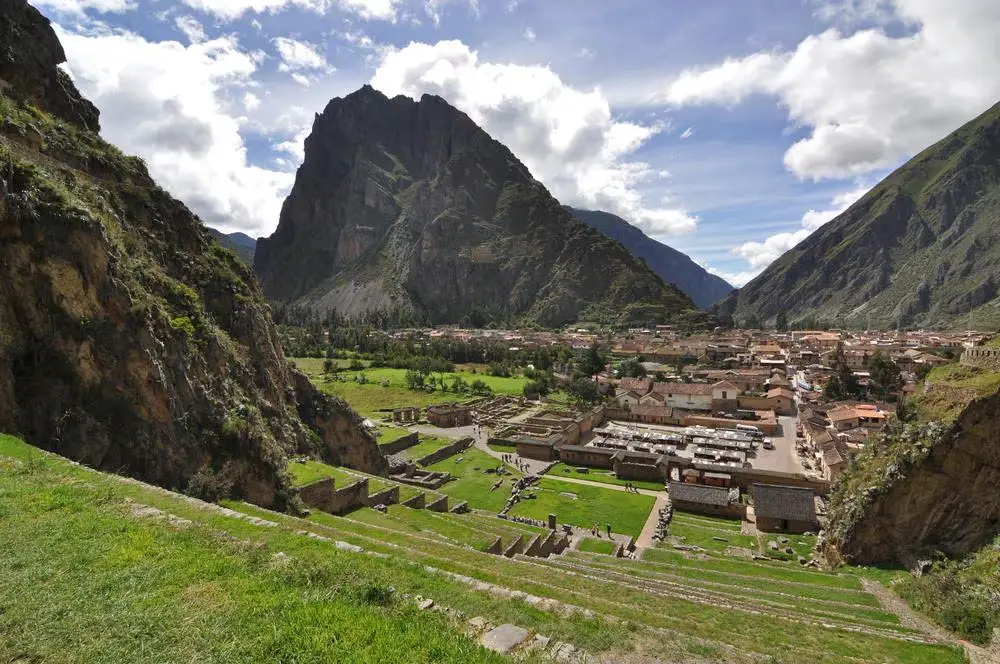
Many travelers also choose to spend a night in the Sacred Valley before continuing to other routes. This region has a lower altitude than Cusco and can support gradual adaptation.
Knowing how to avoid altitude sickness allows travelers to enjoy the Andes more comfortably and reduce discomfort during excursions.
Travel tips for visiting Cusco comfortably
Several travel tips for visiting Cusco help reduce discomfort and improve the overall experience. Many people underestimate the impact of altitude when planning a trip. However, small adjustments to your routine can make a big difference.
Among the main recommendations for tourists in Cusco is to maintain a relaxed pace at the beginning of the trip. Walking slowly and resting frequently greatly helps during adaptation. Avoiding unnecessary physical effort also reduces fatigue.
Wearing comfortable clothing suitable for sudden temperature changes is also advisable. Mornings can be cold, while afternoons are usually warmer. Therefore, dressing in layers is practical.
Another important recommendation is to keep regular meal and sleep schedules. The body responds better when travelers follow a balanced routine during acclimatization.
Many tourists forget the importance of sun protection. Solar radiation increases significantly at high altitude. Therefore, using sunscreen and staying hydrated is essential.
People who know how to avoid altitude sickness usually enjoy their stay more and experience fewer difficulties during the trip.
1. Does altitude sickness affect everyone equally?
No. Altitude sickness affects people differently depending on physical condition, age, place of origin, and rate of ascent. Some travelers experience mild symptoms, while others feel more discomfort. Even young, healthy visitors may notice fatigue or dizziness during the first hours. People who live at sea level usually need more adaptation time than travelers accustomed to high‑altitude cities.
2. Is intense exercise recommended on the first day in Cusco?
Intense exercise is generally not recommended. During the first days, the body is still adapting to altitude. Therefore, many specialists suggest avoiding long hikes or intense physical effort immediately after arrival. Light activities allow better acclimatization and reduce the risk of soroche symptoms.
3. Can children and older adults experience soroche in Cusco?
Yes. Both children and older adults can experience altitude‑related symptoms. However, many people travel without problems if they take appropriate preventive measures. Hydration, rest, and gradual adaptation greatly contribute to a comfortable stay. Consulting a doctor before traveling is also advisable if you have pre‑existing health conditions.
4. Does staying in the Sacred Valley help with acclimatization?
Yes. The Sacred Valley is at a lower altitude than Cusco, so many travelers feel more comfortable spending their first nights there. Some visitors prefer to start their trip in that region before returning to the city. This strategy can help the body gradually adapt to high altitudes.
5. Can low oxygen levels affect sleep quality in Cusco?
Yes. Many people experience light sleep or nighttime disturbances during the first nights at high altitude. This happens because the body is still adapting to reduced oxygen levels in the environment. However, sleep quality usually improves after one or two days of acclimatization.
Discover our travel packages to Peru and let us organize the perfect adventure for you. Request your quote for your trip to Cusco today!