
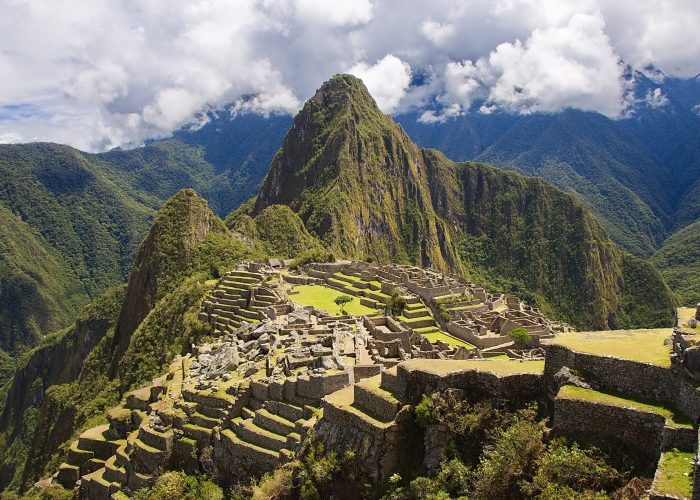
The comparison between Salkantay Trek vs Inca Trail is one of the most frequent searches among travelers who want to do trekking to Machu Picchu Peru. Both routes offer different experiences and impressive landscapes in the Cusco region. However, each alternative has specific advantages related to difficulty, scenery, availability, and adventure style. Many tourists seek clear information before booking a hike to Machu Picchu. Both options require physical preparation and prior planning. There are also important differences regarding permits, campsites, and physical demands. Therefore, understanding each route’s features helps you choose the best option based on available time, budget, and the type of experience you want during your trip.
Differences between Salkantay and Inca Trail
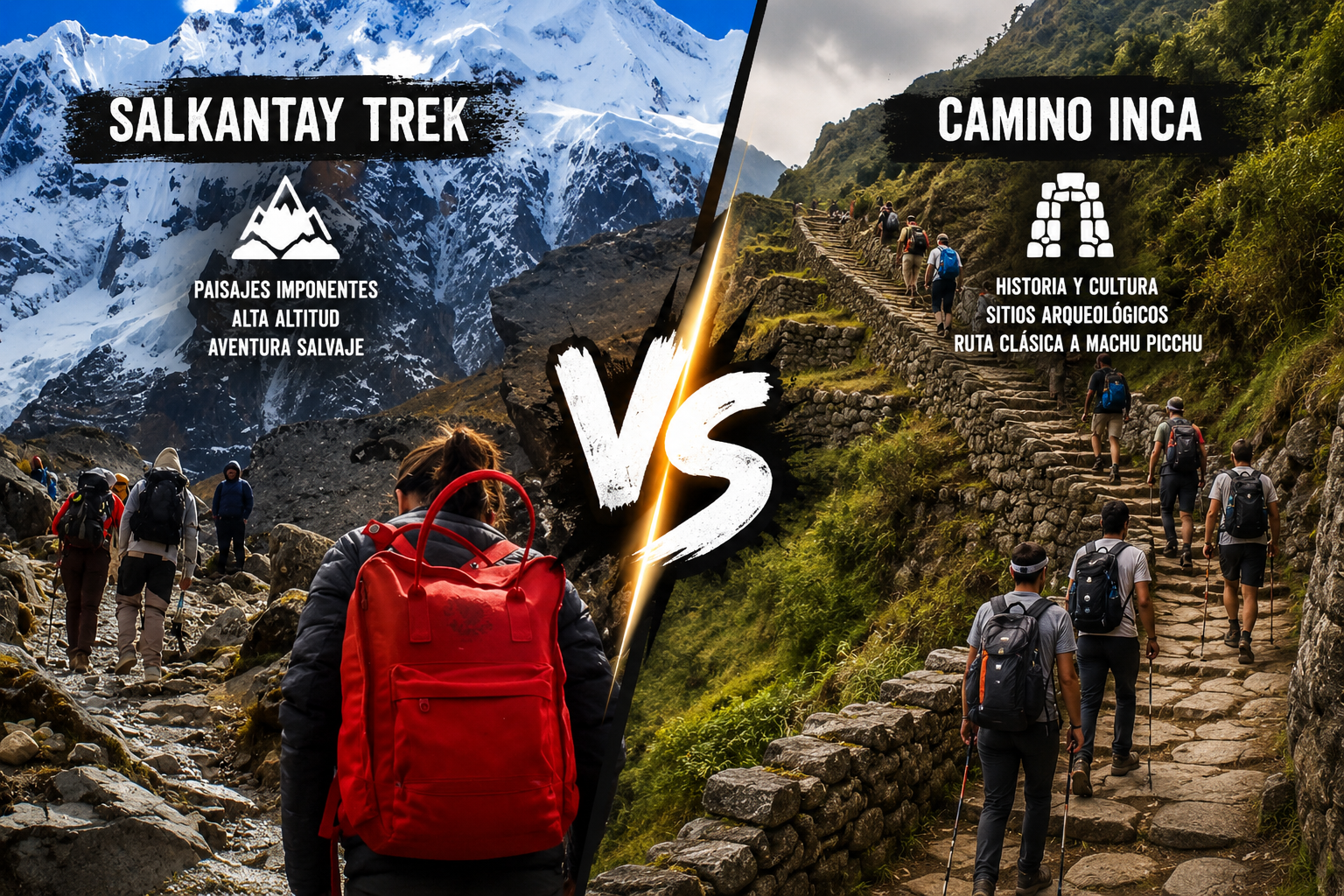
The comparison between Salkantay Trek vs Inca Trail reveals two completely different experiences within adventure tourism in Peru. The Inca Trail stands out mainly for its historical and archaeological value. In contrast, the Salkantay Trek offers a more intense connection with natural landscapes and high-altitude mountains. Both routes end at Machu Picchu, but they use different paths to reach the historic sanctuary.
The Inca Trail follows ancient roads built by the Inca civilization. During the hike, travelers pass through archaeological sites and protected sections of the Andean road system. On the other hand, the Salkantay Trek crosses remote mountain areas and high jungle zones. Thanks to this geographic diversity, many tourists consider this route a more visually varied experience.
Another important difference within Salkantay Trek vs Inca Trail is space availability. The Inca Trail has official entry restrictions. Therefore, permits often sell out several months in advance. In contrast, the Salkantay Trek has greater availability for most of the year. This flexibility makes it easier to organize last-minute trips for many international travelers.
Landscapes of Salkantay Trek and natural environment of Inca Trail
Landscapes are one of the most important factors when comparing Salkantay Trek vs Inca Trail. Each route offers different natural settings along the way. Both allow you to appreciate characteristic ecosystems of the Peruvian Andes and areas near the tropical jungle.
Landscapes of Salkantay Trek and trekking experience in the Andes
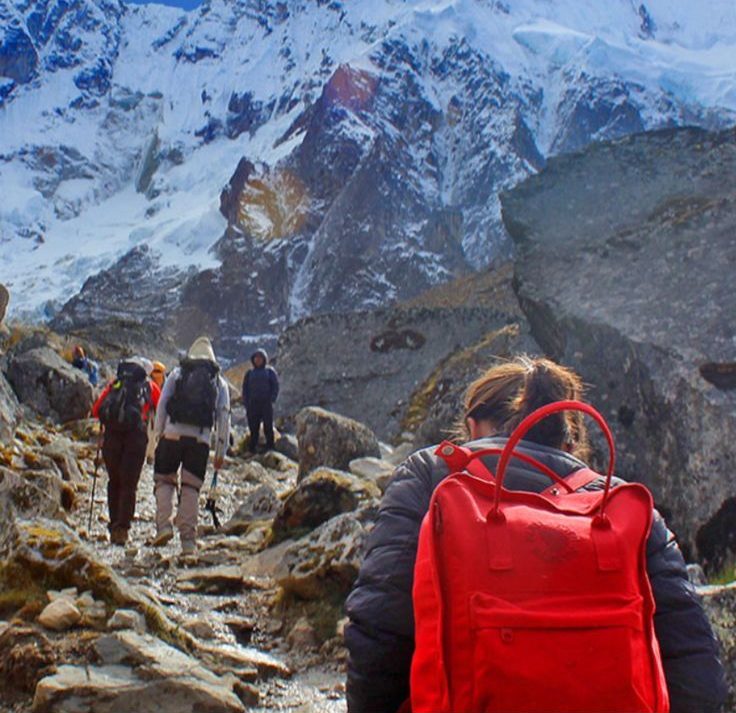
The landscapes of the Salkantay Trek include snow-capped mountains, high-altitude lagoons, Andean valleys, and cloud forests. The route crosses areas dominated by the imposing Salkantay mountain, considered one of the most important peaks in the Cusco region. Many travelers also highlight the feeling of isolation and direct contact with nature throughout the hike.
The trekking in the Andes experience within the Salkantay Trek also includes constant weather changes and very marked geographic transitions. During the first days, cold and mountainous landscapes prevail. However, later warm areas surrounded by tropical vegetation appear. Thanks to this natural variety, many tourists consider this option the best trekking in Cusco for those seeking diverse landscapes and less crowded routes.
Archaeological setting and historic trails of the Inca Trail
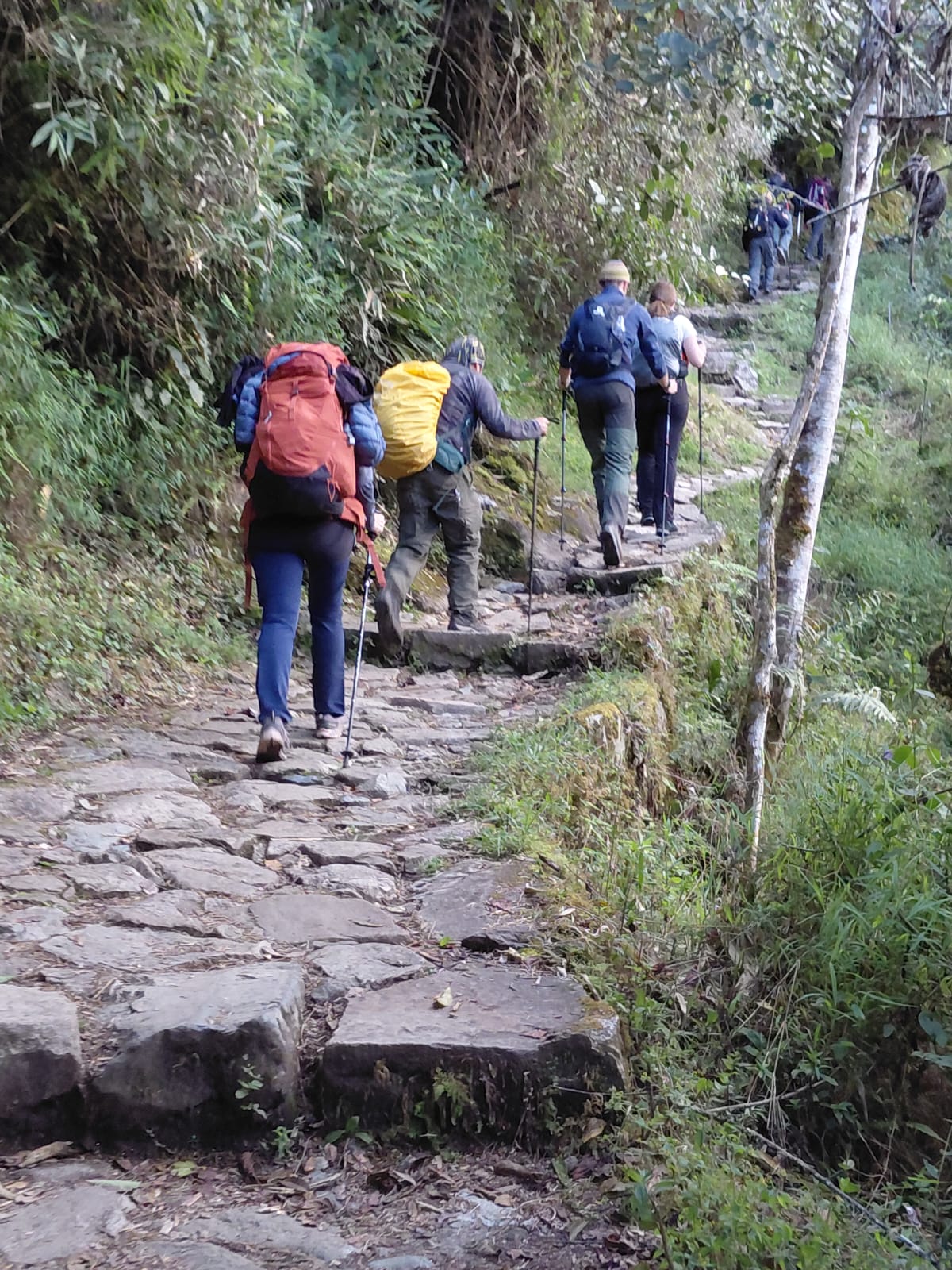
The Inca Trail is distinguished by the presence of archaeological structures throughout much of the hike. Travelers pass through ancient ceremonial centers and original roads built centuries ago. The route also allows you to see agricultural terraces and stone tunnels historically used by the Incas.
The route also offers panoramic views of mountains and Andean forests. However, the main focus of the journey is related to history and cultural heritage. Therefore, those seeking a hike linked to archaeology tend to lean toward this alternative within the Salkantay Trek vs Inca Trail comparison.
Difficulty of Inca Trail and difficulty of Salkantay Trek
Physical demand is another key aspect when analyzing Salkantay Trek vs Inca Trail. Both routes require physical endurance and adaptation to altitude. However, the level of difficulty varies depending on terrain characteristics and daily hiking distances.
Difficulty of Salkantay Trek and altitude
The difficulty of the Salkantay Trek is considered moderate to high. The route reaches mountain passes above 4,600 meters above sea level. Because of this altitude, some travelers experience fatigue, headache, or difficulty breathing. The daily hiking sections are also longer compared to other routes to Machu Picchu.
The terrain has steep ascents and sudden temperature changes. Therefore, prior physical preparation is recommended before starting the hike. Many tour operators suggest spending several days in Cusco to facilitate acclimatization. Proper hydration also helps reduce altitude-related discomfort.
Difficulty of Inca Trail and physical demands
The difficulty of the Inca Trail also represents a major challenge for many travelers. Although the route is shorter than the Salkantay Trek, there are numerous stone stairways and steep sections. The famous Warmiwañusca pass is one of the most demanding points on the route due to its altitude and steep slopes.
However, some people consider the Inca Trail slightly less physically demanding. This is because the daily distances are usually shorter. The tourist infrastructure and established campsites also partially facilitate the experience. Even so, both options require adequate physical condition to successfully complete the hike.
Permits for Inca Trail and tourist availability
One of the most important aspects within Salkantay Trek vs Inca Trail relates to space availability and booking requirements. Access to the Inca Trail is officially regulated by Peruvian authorities. For this reason, only a limited number of people can enter daily.
Permits for Inca Trail and advance planning
Permits for the Inca Trail often sell out quickly during high season. Many tourists book several months in advance to secure a spot. Access can only be done through agencies authorized by the Peruvian government.
The regulation seeks to protect archaeological heritage and reduce environmental impact on the route. However, high demand can make planning difficult for some travelers. Therefore, many people choose other hiking alternatives when they cannot get availability for the Inca Trail.
Flexibility of Salkantay Trek as an alternative route to Machu Picchu
The Salkantay Trek currently serves as an excellent alternative route to Machu Picchu due to its greater availability. Although many agencies recommend booking in advance, there are generally more spots available throughout the year. Some travelers also do this hike with less prior planning.
Flexibility also allows you to choose different types of service and trek duration. There are traditional five-day options and shorter versions adapted to different tourist profiles. Thanks to this, the Salkantay Trek has become one of the most popular hiking routes in Peru.
Campsites on the Inca Trail and services along the routes
Camping systems represent another relevant element when comparing Salkantay Trek vs Inca Trail. Both routes use specific areas for overnight rest. However, conditions and comforts can vary considerably depending on the route and the agency contracted.
Campsites on the Inca Trail and official organization
The campsites on the Inca Trail are regulated by established rules within the historic sanctuary. Authorized areas have delimited spaces for tourist groups and registered operators. There are also controls related to schedules and waste management.
Many campsites have basic services and areas for food preparation. However, conditions are usually simple due to environmental restrictions in the protected area. Because of these regulations, the route maintains a more controlled approach regarding mass tourism.
Services available during the Salkantay Trek
The Salkantay Trek offers a greater variety of tourist services compared to the Inca Trail. Some agencies include traditional campsites with basic tents. However, there are also premium options with eco-domes and more comfortable rest areas.
Certain routes also include hot showers, dining areas, and partial transport using pack horses. This diversity allows you to adapt the experience according to your budget and preferences. Therefore, many tourists consider this option more flexible within the Salkantay Trek vs Inca Trail comparison.
Best time for trekking in Cusco
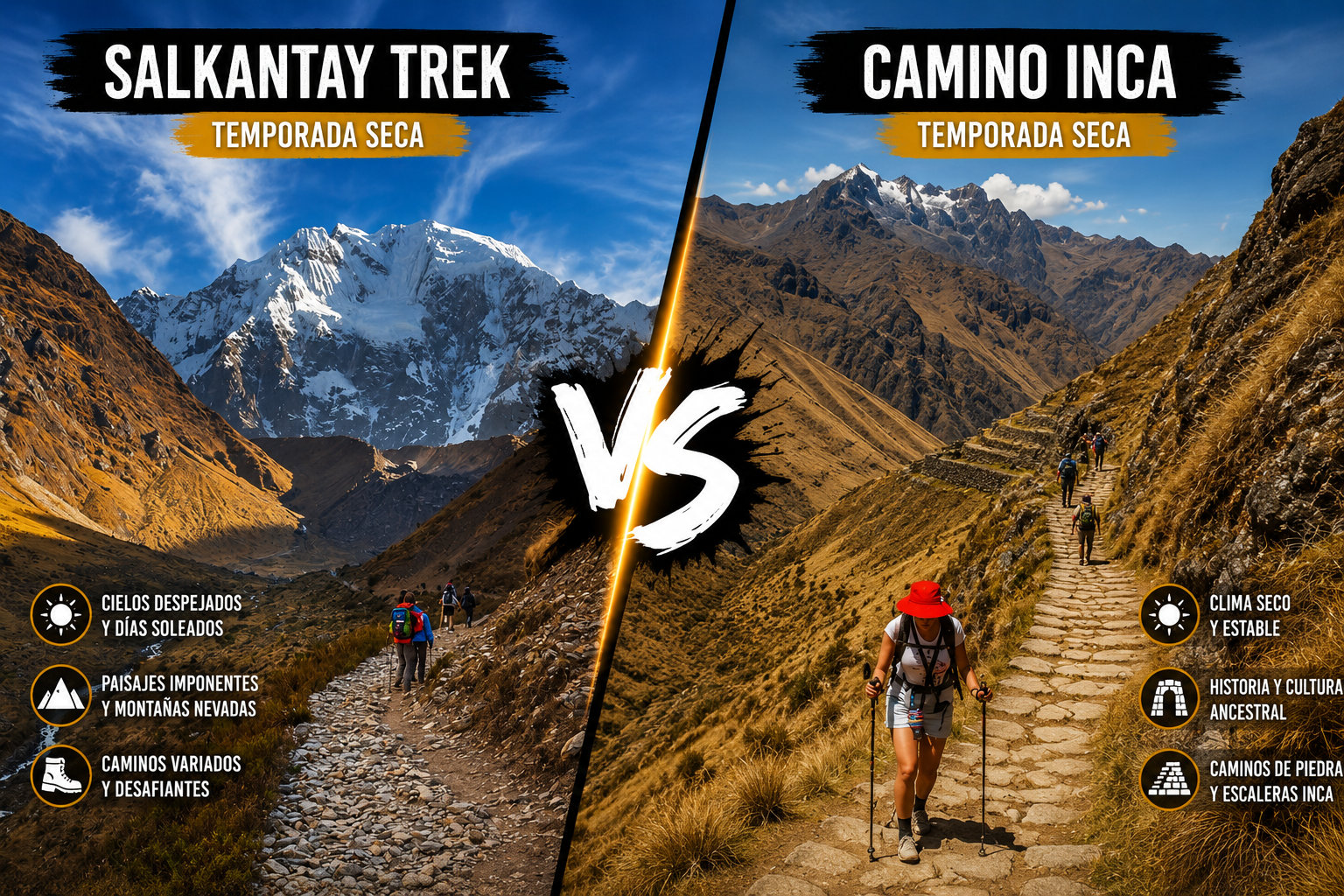
The travel season directly influences the hiking experience in the Peruvian Andes. Both the Inca Trail and the Salkantay Trek have better conditions during the dry season. The weather can also considerably modify the difficulty of the route.
Dry season and favorable conditions
The best time for trekking in Cusco generally covers the months between April and October. During this period, there is less rain and greater weather stability. The trails also remain in better condition for safe walking.
The months of June and July register a higher presence of international tourists. Therefore, reservations tend to sell out faster during that season. However, the clear sky allows you to enjoy better views of mountains and Andean landscapes.
Rainy season and weather challenges
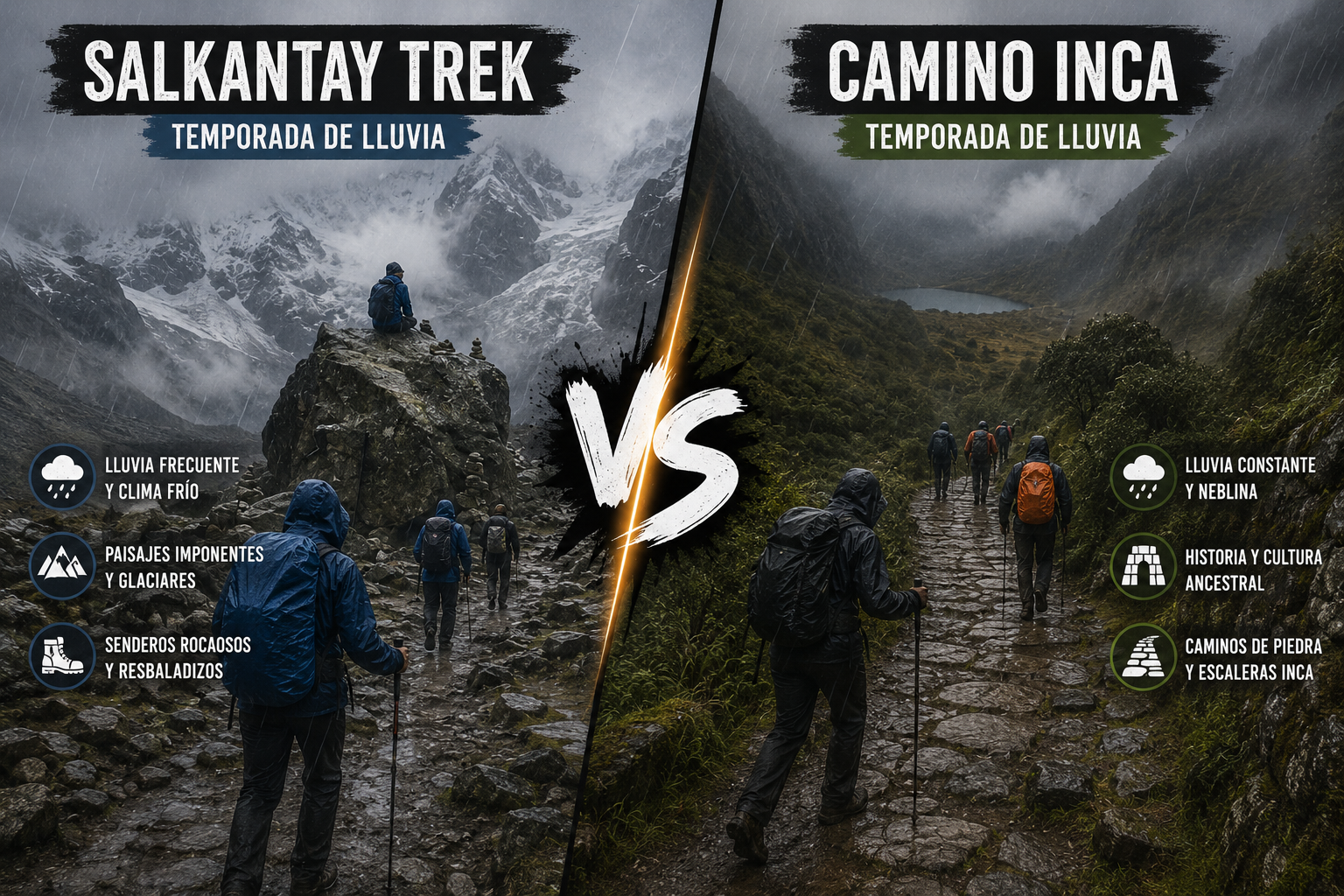
Between November and March, rainfall increases in the Cusco region. Because of this, some trails have mud and slippery sections. Visibility can also decrease on certain days of the trek.
The Inca Trail even closes during February for maintenance and conservation work. In contrast, the Salkantay Trek continues operating partially depending on weather conditions. For this reason, some travelers consider this route more flexible during wet seasons.
Tours to Machu Picchu from Cusco and approximate costs
The organization of tours to Machu Picchu from Cusco varies depending on the selected route and the contracted service level. Costs also depend on trek duration, accommodation type, and the number of services included.
Costs of the Inca Trail and included services
The Inca Trail usually has higher prices due to official restrictions and high tourist demand. Many agencies include permits, meals, transportation, and tickets to Machu Picchu within the contracted package. Some services also offer porters to transport part of the luggage during the hike.
Prices and options for the Salkantay Trek
The Salkantay Trek generally offers a wider variety of prices and travel modes. There are budget services aimed at backpackers as well as premium experiences with greater comfort. Many treks also include transportation, meals, and accommodation in campsites or tourist domes.
Thanks to this flexibility, many travelers consider this option more affordable. However, the final choice depends on your budget and the type of experience you seek during the trek to Machu Picchu.
Adventure trip to Machu Picchu and ideal traveler profile
The choice between Salkantay Trek vs Inca Trail mainly depends on personal interests and traveler expectations. Some people prioritize history and archaeological heritage. Others prefer natural landscapes and more intense physical challenges.
The Inca Trail tends to attract tourists interested in Inca culture and the historical connection with Machu Picchu. The arrival through the famous Sun Gate is one of the most valued moments of the experience. On the other hand, the Salkantay Trek is ideal for those seeking an authentic adventure hike in Peru surrounded by mountains and nature.
Both alternatives offer a memorable adventure trip to Machu Picchu. However, choosing correctly depends on available time, physical condition, and personal preferences. Therefore, carefully analyzing each route’s features helps you enjoy a more satisfying experience during your journey through the Peruvian Andes.
Frequently asked questions about Salkantay Trek vs Inca Trail
1. Which route has better panoramic views during the hike?
Many travelers consider that the Salkantay Trek offers more varied and open landscapes for most of the route. The trail crosses snow-capped mountains, lagoons, and areas near the high jungle. It also allows you to observe very marked geographic changes over several consecutive days. In contrast, the Inca Trail has views more related to archaeological sites and historic paths. Both options have impressive scenery. However, those who prioritize nature and mountain panoramas usually prefer the Salkantay Trek.
2. Which route is more suitable for beginners?
The Inca Trail is often considered a more suitable alternative for people with less hiking experience. Although there are demanding sections, the daily distances are usually shorter. The tourist infrastructure also partially facilitates the experience. The Salkantay Trek has higher altitude and longer daily hikes. For that reason, many agencies recommend some prior physical preparation before doing that trek.
3. Is it possible to do both routes during the same trip?
Yes, some travelers do both routes on different trips or even within a single visit to Peru. However, it is recommended to leave several rest days between hikes due to accumulated physical effort. Acclimatization in Cusco also remains important to avoid altitude-related problems. Many tourists prefer to start with less demanding routes before doing more challenging hikes.
4. What type of luggage is recommended for these hikes?
Luggage must adapt to weather changes and long hiking days. Thermal clothing is important during cold nights in high areas. It is also recommended to bring sturdy trekking boots, a waterproof jacket, sunscreen, and a lightweight backpack. Some tour operators include porters or pack horses to transport part of the luggage. However, each traveler must carry essential personal items during the trek.
5. Which route offers a less crowded experience?
The Salkantay Trek generally offers a less congested experience for most of the year. The route crosses remote areas and large natural spaces away from large tourist groups. In contrast, the Inca Trail has limited capacity and concentrates many groups during high seasons. Therefore, those seeking greater tranquility tend to choose the Salkantay Trek as an alternative to Machu Picchu.
Discover our travel packages in Peru and let us organize the perfect adventure for you. Get a quote for your trip to Cusco today!