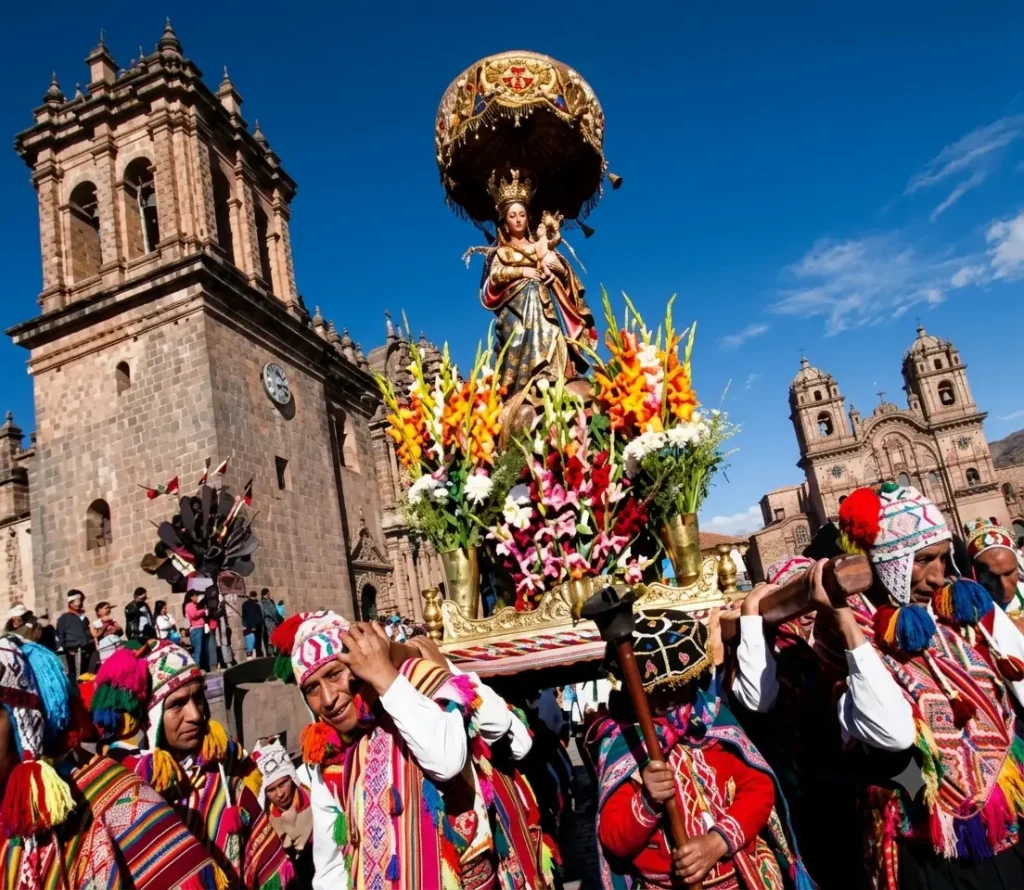
The celebration of Corpus Christi is one of the most important cultural and religious expressions in southern Peru. Understanding what Corpus Christi in Cusco is allows visitors to discover a tradition that combines elements of Catholicism with customs inherited from Andean communities. Every year, thousands of residents and visitors gather in the historic center to participate in ceremonies, processions, and activities that are part of the city’s cultural heritage. In addition, this festival represents a unique opportunity to appreciate the richness of Cusco culture and tradition in an environment full of history and symbolism.
For those visiting the former capital of the Inca Empire, discovering what Corpus Christi in Cusco is means experiencing one of the oldest celebrations in the region. During several days, religious images from different churches travel through the streets until they gather in the iconic Plaza de Armas of Cusco. Therefore, the city takes on a special atmosphere where faith, music, gastronomy, and local customs become the main attractions. This festival is not only important from a religious perspective but also holds strong social and cultural value that has remained alive for centuries.
Historical Origins of Corpus Christi in Cusco
Understanding what Corpus Christi in Cusco is requires reviewing its historical background. The festival was introduced during the colonial period by Spanish authorities with the purpose of spreading the Catholic faith among Andean populations. However, over time, the celebration incorporated cultural elements native to the region, creating a unique expression that distinguishes Cusco from other cities.
Before the arrival of the Spanish, the Incas held ceremonies dedicated to their main deities. Many of these activities coincided with dates close to the Catholic celebration of Corpus Christi. As a result of this coincidence, some traditional customs gradually became integrated into the new religious festivities. In addition, community participation maintained a structure similar to ancient Andean ceremonial gatherings.
The evolution of the festival reflects the encounter between two different cultural traditions. Therefore, when analyzing what Corpus Christi in Cusco is, it also becomes a reflection of the cultural blending that characterizes much of Peruvian history. Today, the celebration is recognized as one of the most important religious manifestations in the country and forms part of the region’s cultural heritage.
Corpus Christi Cusco Celebration Date and Its Connection to the Cusco Festive Calendar
The Corpus Christi Cusco celebration date varies every year because it is linked to the Catholic liturgical calendar. This festival takes place approximately sixty days after Easter Sunday. Therefore, it is usually celebrated between May and June, depending on the date of Holy Week.
Within the Cusco festive calendar, this celebration holds a prominent place due to its historical and religious significance. In addition, it coincides with a season when the city receives a large number of visitors interested in traditional cultural expressions. During these weeks, various activities complement the main festival and enrich the experience of those arriving in the city.
Travel planning is essential for those wishing to participate in the festivities. Due to high tourist demand, many hotels and services reach high occupancy levels months in advance. Therefore, knowing the Corpus Christi Cusco celebration date makes it easier to organize an itinerary and enjoy all scheduled activities. In addition, many travelers combine this festival with visits to other attractions in the region.
Saints and Virgins of Corpus Christi and the Entrance of Saints in Cusco
One of the most representative aspects of the festival is the participation of the saints and virgins of Corpus Christi. Each image belongs to a specific parish or community and is transported from its church to the historic center of the city. These images hold deep religious and cultural significance for the people of the region.
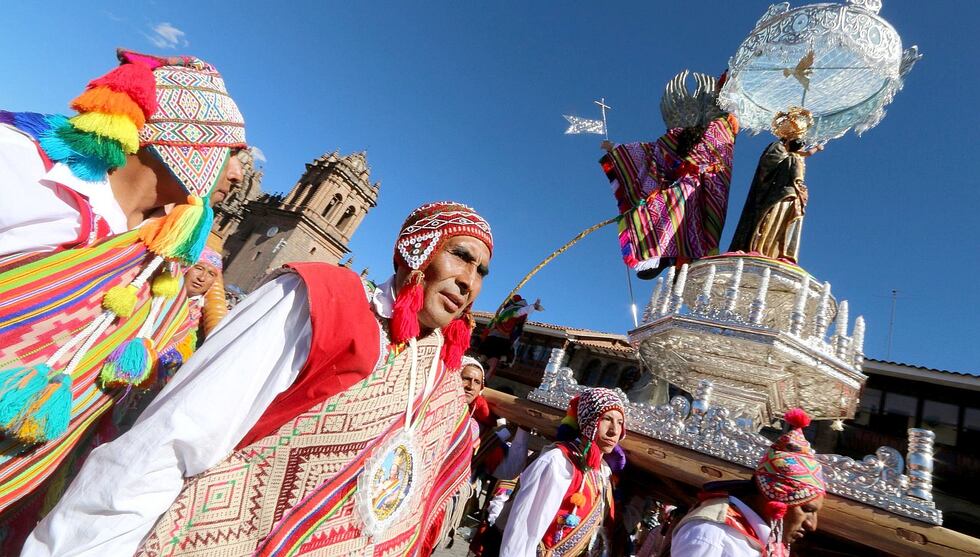
The traditional entrance of saints in Cusco is one of the most anticipated moments of the celebration. During this event, the images travel through the streets accompanied by musicians, dancers, and faithful followers. In addition, each delegation displays elements that reflect the identity of its community of origin.
Among the most recognized images are those associated with important historic churches of the city. Each one has unique characteristics and a history connected to the religious development of the region. Therefore, observing the arrival of these representations provides a better understanding of the cultural diversity found within the city itself.
The main participating images include:
- Saint Anthony Abbot
- Saint Jerome
- Saint Christopher
- Saint Sebastian
- Saint Barbara
- Saint Anne
- Saint James the Apostle
- Saint Blaise
- Saint Peter
- Saint Joseph
- Virgin of the Nativity
- Virgin of Remedies
- Purified Virgin
- Virgin of Bethlehem
- Immaculate Conception Virgin
The Corpus Christi Procession in Cusco
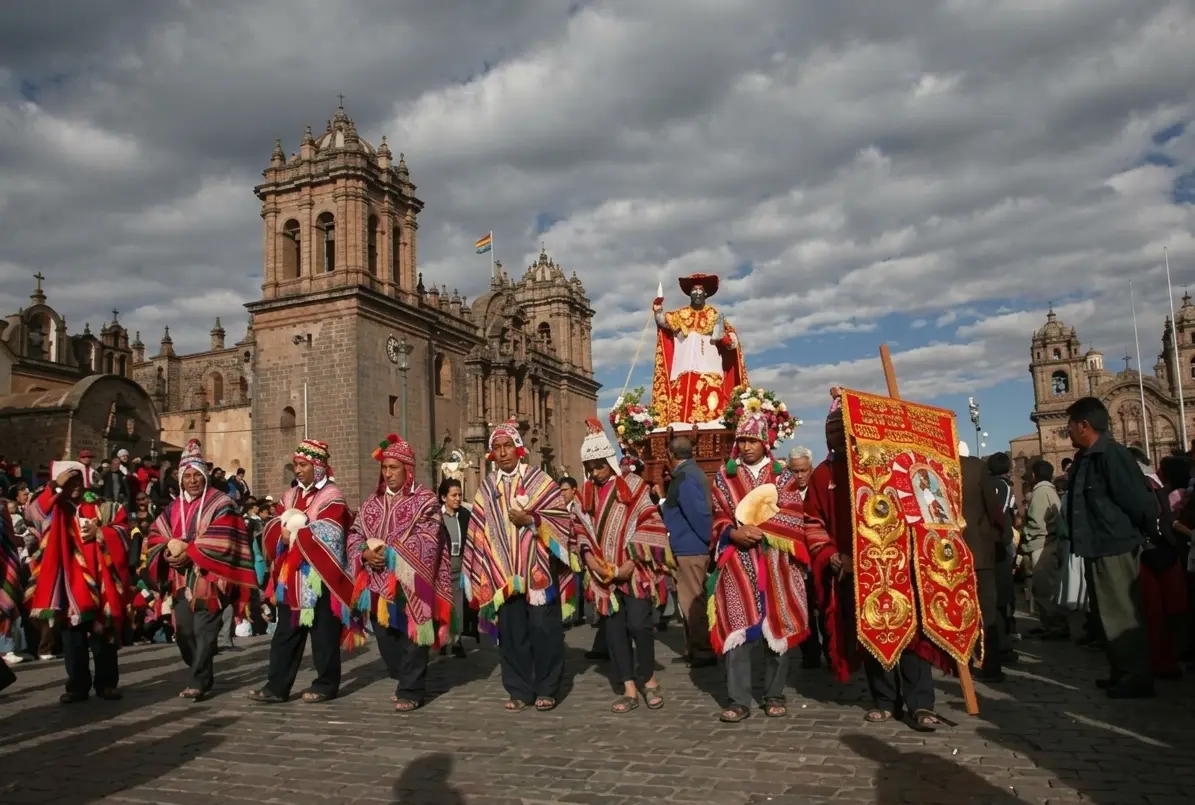
The Corpus Christi procession in Cusco represents the central event of the entire festival. During this ceremony, the religious images gather around the Cusco Cathedral and participate in a solemn procession around the main square.
Thousands of people attend this event every year. In addition, the procession combines religious elements with traditional cultural expressions. The presence of musical bands, traditional dances, and ceremonial attire adds a cultural dimension that complements the spiritual character of the celebration.
The organization of the Corpus Christi procession in Cusco requires significant coordination between religious institutions, local authorities, and participating communities. Therefore, every detail is carefully prepared to ensure the proper development of activities. For many visitors, witnessing this ceremony provides an exceptional opportunity to experience a tradition that has remained alive for several centuries.
Religious Traditions of Cusco and Local Culture
The religious traditions of Cusco play a fundamental role in the identity of the city. Many of these expressions have been passed down from generation to generation and continue to form part of the daily life of numerous communities.
When analyzing what Corpus Christi in Cusco is, the close relationship between religion and local culture becomes evident. In addition, the celebrations reflect community values that strengthen ties among residents from different neighborhoods and districts. Families actively participate in organizing activities, preparing ceremonial clothing, and accompanying the religious images.
The Cusco culture and tradition are also expressed through music, dance, and artistic manifestations present during the festival. Therefore, Corpus Christi becomes a space where different elements of regional identity converge. This combination of religious and cultural components explains much of the significance the celebration continues to hold today.

Corpus Christi Cusco Gastronomy and the Traditional Chiriuchu
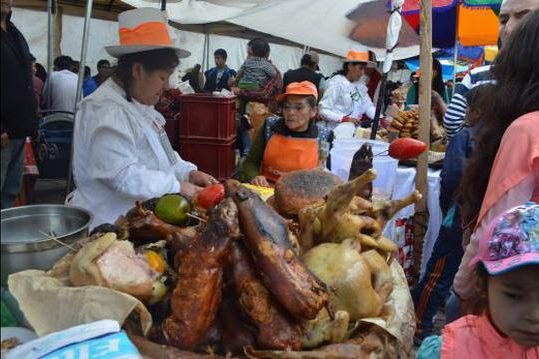
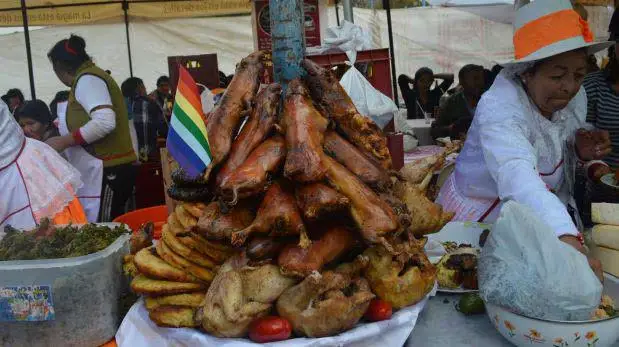
The Corpus Christi Cusco gastronomy is another aspect highly appreciated by residents and visitors. During the festival days, different areas of the city offer traditional dishes specifically associated with this celebration.
The undisputed centerpiece is the chiriuchu traditional dish of Cusco, considered one of the most representative foods of the festival. Its name means “cold spicy dish” in Quechua and combines ingredients from different regions of Peru. This characteristic symbolizes the cultural and historical diversity that defines the celebration.
Among the ingredients commonly included in the chiriuchu traditional dish of Cusco are:
- Boiled chicken
- Roasted guinea pig
- Dried meat
- Fresh cheese
- Fish roe
- Toasted corn
- Corn tortilla
- Rocoto pepper
- Seaweed
The preparation maintains a long tradition within regional gastronomy. In addition, many visitors consider tasting this dish an essential part of the festive experience. Therefore, the Corpus Christi Cusco gastronomy complements the cultural and religious dimensions of the event.
Plaza de Armas of Cusco Festivities and Main Celebration Spaces
The Plaza de Armas of Cusco festivities concentrate much of the activity related to Corpus Christi. This historic space serves as a meeting point for religious delegations, authorities, and attendees.
The square enjoys a privileged location within the historic center. In addition, it is surrounded by important colonial buildings that contribute to the ceremonial atmosphere of the celebration. During the festival days, thousands of people gather around its surroundings to observe the processions and scheduled activities.
Besides the main square, other churches and streets within the historic center actively participate in the development of the festival. The images travel through different sectors before reaching their final destination. Therefore, the entire monumental area becomes a setting where religious tradition takes center stage.
The importance of the Plaza de Armas of Cusco festivities also lies in its role as a space for social integration. Local residents, national pilgrims, and international tourists converge there to witness one of the most important celebrations on the regional calendar.
Best Places to Watch Corpus Christi
Choosing the best places to watch Corpus Christi can make a significant difference in the visitor experience. Due to the large crowds, arriving early is highly recommended.
The most recommended locations include:
- The surroundings of the Plaza de Armas of Cusco.
- The access points near the Cusco Cathedral.
- The streets used by the religious images during their route.
- Authorized balconies of historic buildings.
- Elevated areas near the historic center.
Each location offers a different perspective of the celebration. In addition, some spots allow visitors to better appreciate the details of the religious images and the cultural expressions associated with the event. Therefore, planning the viewing location in advance is an important decision for those seeking a complete experience.

Cultural Tourism in Cusco and the Corpus Christi Experience for Tourists
Cultural tourism in Cusco finds one of its most important expressions in this festival. Every year, visitors from different countries arrive in the city motivated by the desire to experience authentic traditional celebrations.
The Corpus Christi experience for tourists combines historical, religious, and cultural elements. In addition, it offers the possibility of interacting with local communities that keep ancestral traditions alive. This close connection allows visitors to better understand the importance the celebration holds within Cusco society.
Those interested in cultural heritage experiences often consider this festival a particularly valuable opportunity. Therefore, the celebration contributes significantly to the city’s reputation as one of the leading cultural tourism destinations in South America. Likewise, many travelers use their stay as an opportunity to visit other important attractions in the region.
Tips for Visiting Cusco During Festivities
The tips for visiting Cusco during festivities are useful for enjoying a more organized and comfortable experience. Due to the large number of attendees, some aspects require advance planning.
The main recommendations include:
- Book accommodations several months in advance.
- Arrive early at viewing locations.
- Wear clothing suitable for changing weather conditions.
- Stay hydrated during activities.
- Respect local religious traditions.
- Follow established safety instructions.
- Carry cash for small purchases.
In addition, it is advisable to dedicate several days to the visit. This approach allows participation in different activities related to the festival. Therefore, proper planning helps visitors make the most of the experience and avoid inconveniences during the busiest dates.
Current Importance of What Corpus Christi in Cusco Is
Understanding what Corpus Christi in Cusco is means recognizing its value within Peruvian cultural heritage. The celebration continues to play a significant role in the religious and social life of the city. In addition, it keeps numerous traditions alive that form part of the regional identity.
The continuity of this festival demonstrates the ability of cultural expressions to adapt over time. Therefore, what Corpus Christi in Cusco is goes beyond a specific religious celebration. It also represents a manifestation of collective memory, community participation, and historical continuity.
Today, thousands of people participate in the scheduled activities every year. In addition, the growing presence of international visitors helps spread awareness of this tradition beyond Peru. For this reason, understanding what Corpus Christi in Cusco is provides valuable insight into one of the most representative cultural events in the city.

Frequently Asked Questions
1. How Long Does the Corpus Christi Celebration in Cusco Last?
The festival takes place over several days and includes different religious and cultural activities. It generally features the entrance of the images, the main procession, and complementary ceremonies. In addition, some communities organize activities before and after the central celebration. Because of this, visitors can find Corpus Christi-related events lasting approximately one week, although the exact dates may vary slightly each year.
2. Is It Necessary to Purchase Tickets to Attend Corpus Christi Activities?
Most public activities take place in open spaces and can be observed free of charge. However, some private balconies, exclusive viewing areas, or specialized tourism services may require advance reservations. In addition, the main dates attract large crowds. Therefore, many visitors choose additional services to secure privileged viewing locations during the processions.
3. What Clothing Is Recommended During the Festival?
Comfortable clothing suitable for Cusco’s changing temperatures is recommended. Daytime conditions often include strong sun exposure, while mornings and evenings tend to be cooler. In addition, comfortable footwear is advisable because many people spend extended periods standing while watching the activities.
4. Are There Restrictions on Taking Photographs During the Ceremonies?
Photography is generally permitted in public areas. However, some religious ceremonies may require respectful behavior from attendees. In addition, certain religious institutions establish specific rules regarding professional equipment. Therefore, it is always advisable to follow organizers’ instructions and respect ongoing liturgical activities.
5. Can This Festival Be Combined With Other Tourist Attractions in Cusco?
Yes. Many visitors take advantage of the Corpus Christi season to explore other important destinations in the region. Among them are Machu Picchu, Sacsayhuamán, Pisac, Ollantaytambo, and the Sacred Valley of the Incas. In addition, the season usually offers favorable weather conditions for tourism activities. Therefore, it is an excellent opportunity to combine a cultural experience with historical and archaeological visits.
Discover our Peru travel packages and let us organize the perfect adventure for you. Request your quote for your trip to Cusco today!