
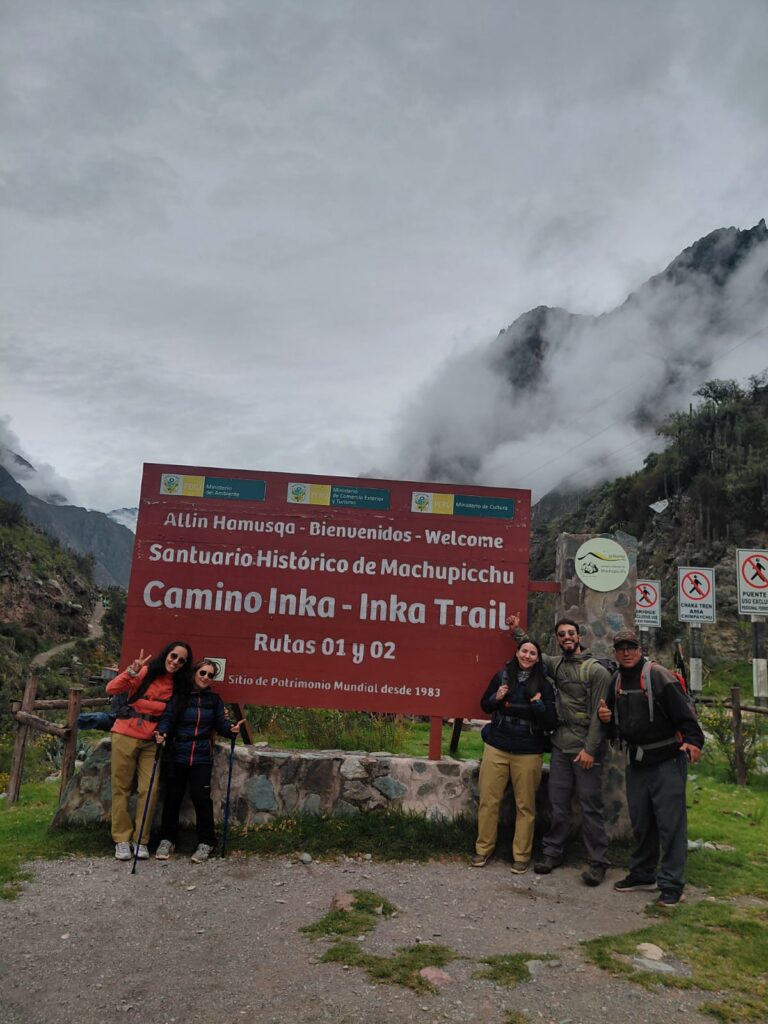
Preparing for the Inca Trail begins several months before the long-awaited trip. Because of the altitude, the human body needs essential gradual adaptation. This route connects important archaeological sites of the powerful Inca Empire through the mountains. It also crosses various ecosystems ranging from the cold highlands to the cloud forest. Following an Inca Trail guide for beginners makes the travel experience much easier. Good training ensures you fully enjoy each day of the expedition under the Andean sun. Planning the first steps on the Inca Trail guarantees greater group safety on the terrain. Knowing the technical details of the trail is absolutely crucial for your physical and mental well-being. Booking Inca Jungle offers assistance in organizing your Inca Trail experience.
Inca Trail Route Details and Daily Distances
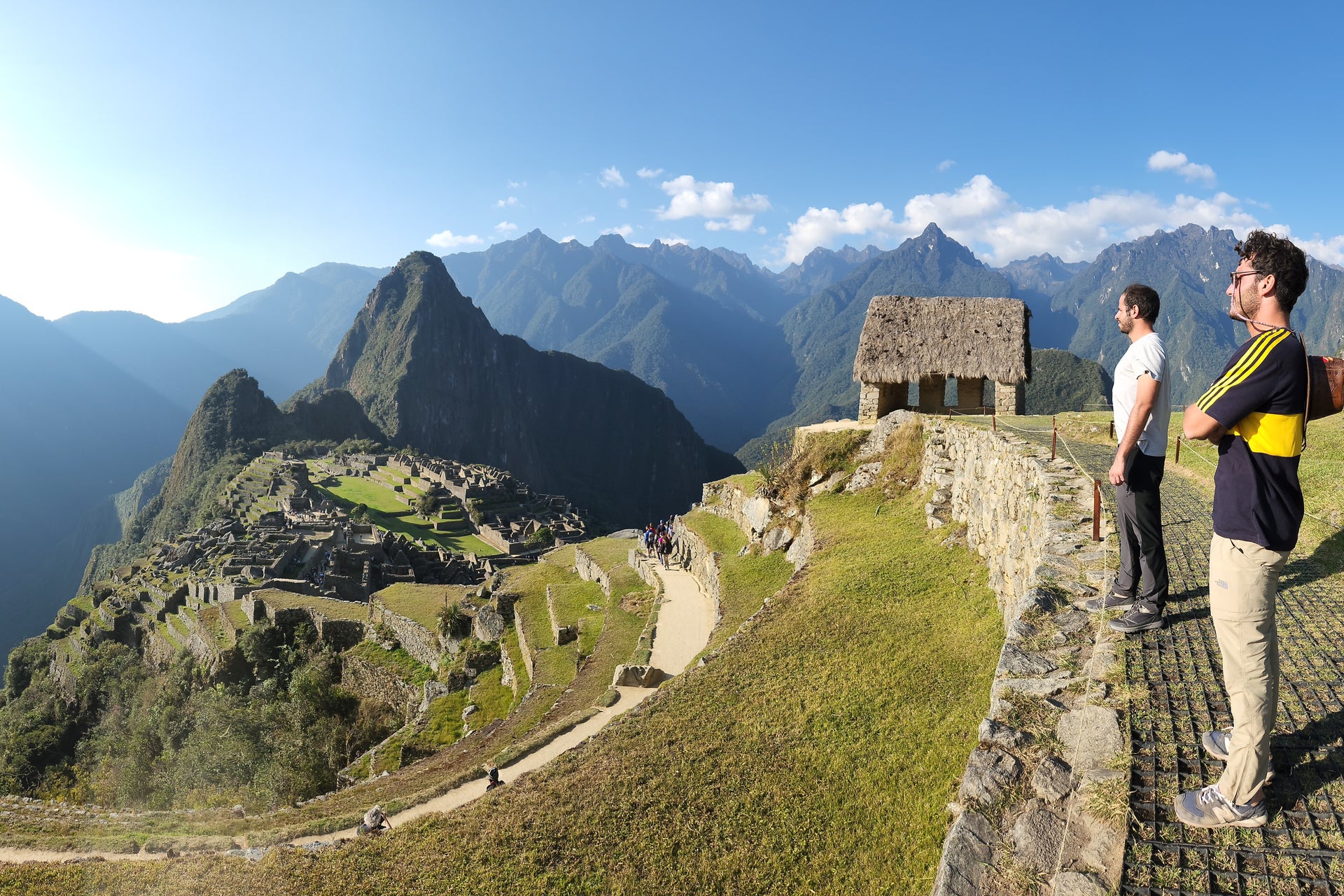
The classic route covers approximately forty-three total kilometers from the starting point. Therefore, doing the Inca Trail trek for beginners involves constant muscular effort. Hikers walk an average of four consecutive days under different weather conditions. They also spend three nights sleeping in campsites equipped for groups of international tourists. The first day presents a moderate level of physical exertion that is ideal for warming up. The starting point is usually Kilometer 82 or the Piscacucho area. This place belongs to the plains of the beautiful Sacred Valley of the Incas. In addition, the initial altitude is around two thousand seven hundred meters above sea level.
During this day, hikers cover fourteen kilometers on almost flat terrain. Consequently, the Inca Trail experience begins in a friendly and highly motivating way. The landscape features green mountains and some small, very welcoming local rural communities. However, the second day represents the greatest challenge of the entire trip for everyone. Hikers climb to the famous Warmiwañusca Pass with tremendous sustained physical effort. This mountain pass exceeds four thousand two hundred meters of extreme altitude. Therefore, the hiking pace must be very slow and quite relaxed. Patience is vital on this critical section of the Inca Trail for beginners. Frequent breaks help keep the heart rate very stable and safe.
Physical Demands and Difficulty of the Inca Trail
Understanding the difficulty of the Inca Trail makes it possible to establish realistic fitness goals in the weeks before the trip. The Andean terrain features constant uphill and downhill sections with uneven, very slippery stone. In addition, the lack of oxygen at high altitude quickly increases daily muscle fatigue. However, any healthy person can complete the route by walking at their own pace. You do not need to be a professional athlete to achieve this great travel goal. Therefore, the Inca Trail for beginners requires more mental endurance than pure strength.
The Inca Trail tips recommend mandatory cardiovascular exercises beforehand. Jogging, swimming, or cycling are excellent activities for building daily aerobic endurance. Also, hiking on nearby hills helps strengthen your legs quickly at home. Because of the steep slopes, the knees experience constant repetitive impact while descending. Using trekking poles significantly reduces the load on the lower joints each hour. These sports accessories provide additional balance on wet or slippery sections of the ancient trail. Consequently, energy expenditure decreases dramatically during the demanding long hiking days. Each hiking day lasts between six and nine hours on average. Maintaining a positive mindset makes it easier to overcome moments of greater physical and mental fatigue. Booking Inca Jungle can help you plan the services needed for the hike.
Acclimatization Strategies for the Inca Trail at High Altitude
Acclimatization for the Inca Trail is a determining factor in the success of the route. Altitude sickness affects many people regardless of their excellent athletic condition. Therefore, health experts recommend arriving in Cusco well in advance. Staying two or three days in the city before hiking is absolutely ideal. In addition, Inca Trail information for travelers suggests complete rest during the first day. The body needs valuable time to produce more red blood cells because of the Andean altitude. Eating light foods prevents stomach problems directly related to slow local digestion.
Also, drinking plenty of purified water helps oxygenate the brain continuously and prevent dizziness. Coca leaf tea is a traditional beverage highly recommended by locals. This ancient Andean infusion alleviates mild symptoms such as headaches. Also, visiting lower-altitude places such as Urubamba or Ollantaytambo is very beneficial. These colonial towns have a warmer climate and lower elevation than the imperial capital. Consequently, starting the Inca Trail for beginners from Cusco is safer and more enjoyable. Avoiding alcohol and tobacco consumption is a strict rule during this initial phase. Getting adequate rest at night ensures complete and fairly quick muscle recovery.
Inca Trail Gear and Essential Clothing
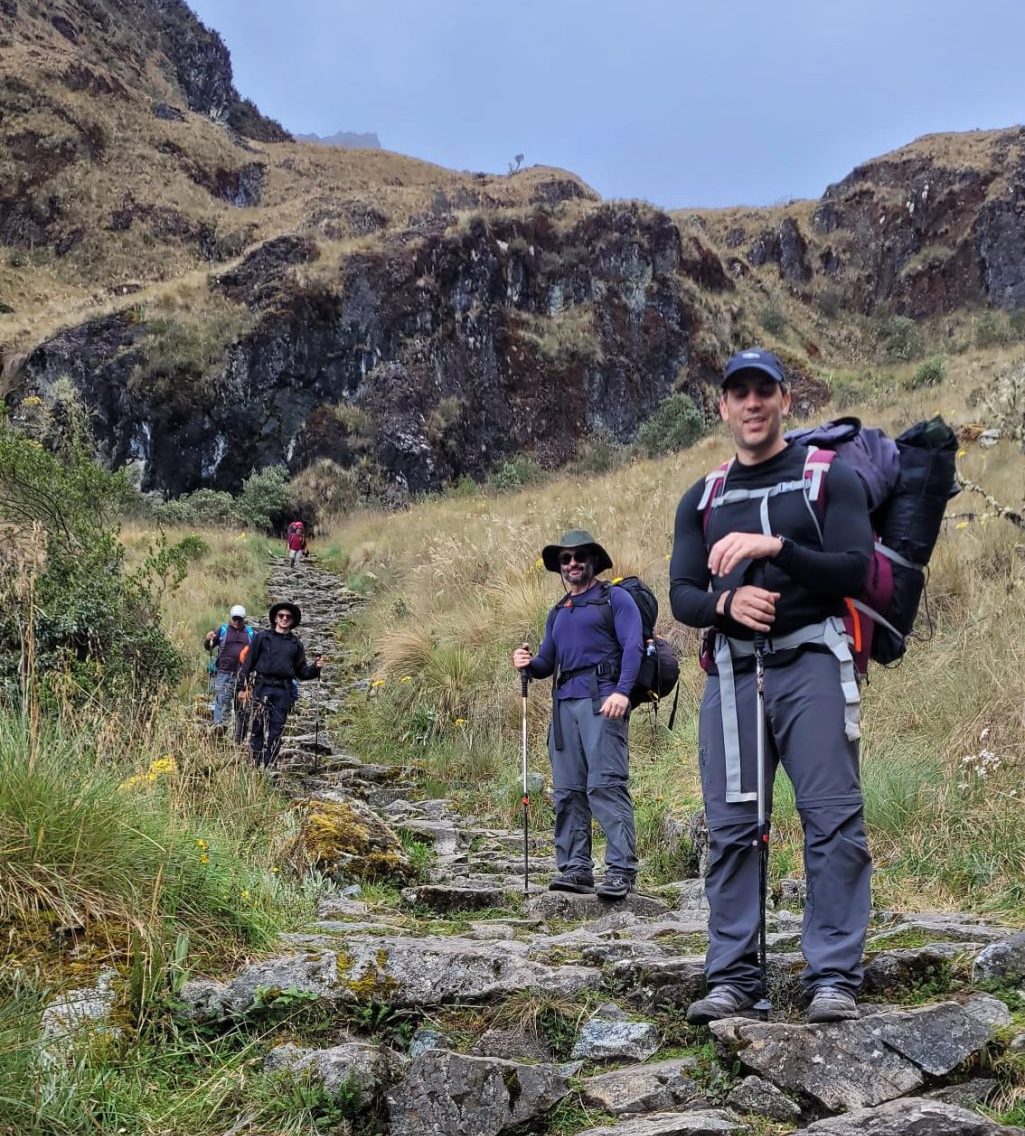
Properly selecting your Inca Trail gear prevents carrying unnecessary weight on your back. The official rules of the circuit strictly limit the weight of personal luggage per person. Therefore, porters can carry only seven kilograms per registered passenger. This reduced amount includes the sleeping bag and the mandatory inflatable sleeping pad. Consequently, packing very intelligently is a priority for all travelers. Knowing what to bring to the Inca Trail makes the difference between fully enjoying the experience and suffering.
In addition, the weather in the Andes mountain range is highly variable. Early mornings are extremely cold, but at noon the sun intensely burns the skin. However, nights at the campsites frequently record temperatures below freezing. For this reason, the layering clothing system is highly effective. Wearing breathable shirts keeps sweat away from the body during intense physical activity. Also, a down thermal jacket provides immediate warmth when stopping the daily hike. A waterproof poncho is essential because rain can occur suddenly and unexpectedly. The Inca Trail for beginners requires special footwear with good traction for the mountains. Waterproof trekking boots protect the ankles from possible twists on the rocky trail. Breaking in your footwear several weeks before the trip prevents painful blisters from forming.
Recommended Personal Items in Your Daypack
During the long hike, each tourist carries a small backpack on their own back. The Inca Trail recommendations indicate carrying only essential basic daily items. Fresh water should be available at all times to prevent severe dehydration. Therefore, reusable bottles or modern hydration systems are always mandatory accessories. In addition, high-SPF sunscreen is vital because of the extreme ultraviolet radiation. A wide-brimmed hat and dark sunglasses adequately protect the face. However, packing energy snacks helps quickly replenish calories between main meals. Nuts, dark chocolate bars, and cereal bars are lightweight and nutritious options.
Insect repellent is essential when approaching the green cloud forest area. This warm tropical area is home to mosquitoes that can cause considerable discomfort to visitors. Also, carrying a small personal medical kit helps solve minor problems along the Andean route. Muscle pain tablets, adhesive bandages, and disinfectant alcohol should be kept readily available. The Inca Trail for beginners requires being prepared for constantly changing weather conditions. Soft toilet paper and hand sanitizer ensure basic hygiene in the rustic bathrooms. A bright headlamp allows you to move safely around the campsite during the dark night.
Booking Process and Mandatory Government Permits
Access to this historic cobblestone route is strictly regulated by the Peruvian national government. The Ministry of Culture of Peru issues limited permits each day of the year. Therefore, only five hundred people can enter the trail daily without any exceptions. This fixed number includes international tourists, professional guides, expert cooks, and local support porters. Consequently, available spaces for visitors sell out many months in advance. Planning the Inca Trail for beginners requires booking six months in advance. Booking Inca Jungle can help you manage the planning of your adventure.
In addition, it is completely impossible to complete this route independently without an authorized agency. Hiring a formal official tour operator is a legal requirement for all foreigners. However, the agency is responsible for managing the corresponding entry permits directly. To secure the daily spot, travelers must provide their exact personal information. The document or passport number must perfectly match the physical document presented. Any minor typographical error may result in access being denied at official checkpoints. Also, the month of February is closed to the general public for preventive trail maintenance. Heavy torrential rains during that period make safe passage for hikers difficult. Choosing the dry months ensures a much more pleasant, photogenic, and safe Inca Trail experience.
Life at the Campsites During the Andean Journey
Sleeping in tents beneath the starry Andean sky is a truly memorable experience. Experienced travel agencies set up the campsites before the hikers arrive. Therefore, tourists always find their tents ready for immediate rest upon arrival. In addition, talented cooks prepare nutritious meals using fresh ingredients from the nearby agricultural valley. Healthy food during the Inca Trail for beginners is plentiful and very varied. Delicious soups, meats, vegetables, and carbohydrates are served to restore spent energy. However, sanitary facilities at the campsites are basic and far from modern luxuries.
Hot showers are very scarce and have a fairly high additional cost. Consequently, body wet wipes are the best alternative for daily personal hygiene. Public bathrooms installed along the route are simple latrines that require considerable tolerance. Also, the freezing nighttime weather requires sleeping in suitable thermal clothing to avoid extreme cold. Listening to the pure sounds of Andean nature makes up for the lack of city comforts. Porters provide hot water in small trays every morning to quickly wash your face. Sharing funny stories with other travelers in the dining tent notably strengthens the group spirit. This healthy interaction is an essential part of the Inca Trail for beginners from Cusco.
Arrival at the Archaeological Citadel and Final Recommendations
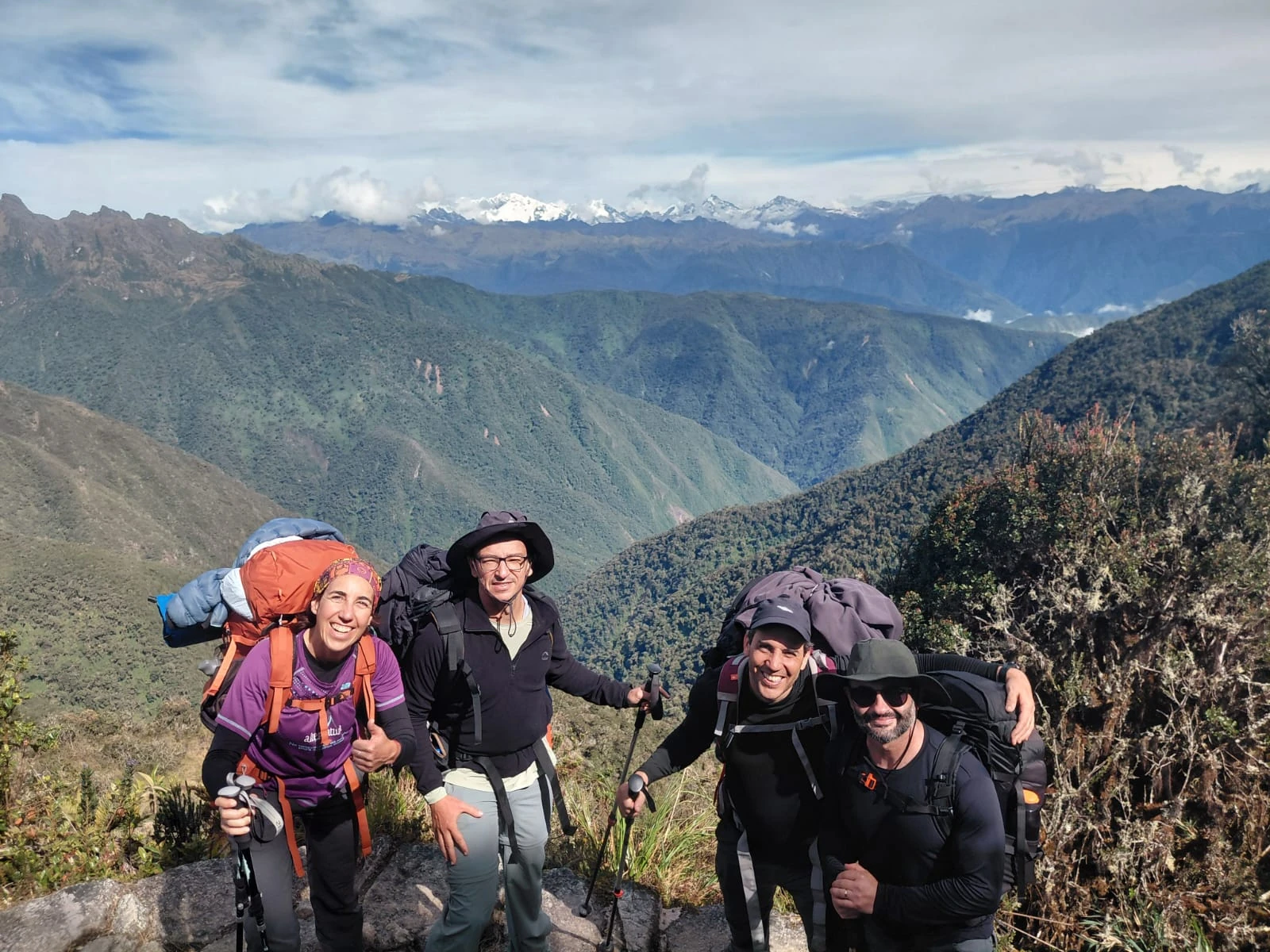
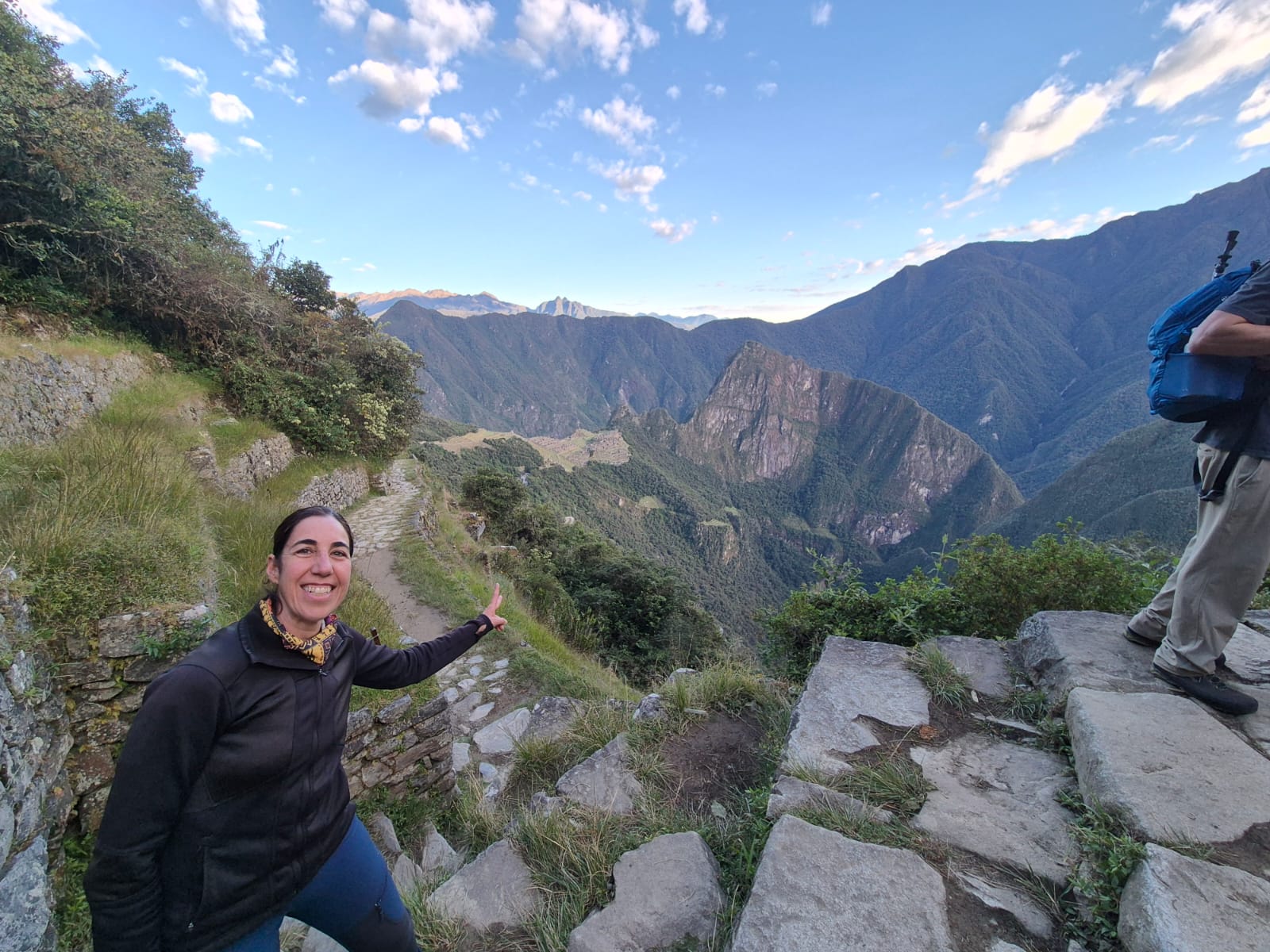
The fourth hiking day begins before dawn, hours before the beautiful Andean sunrise. Excited hikers walk with flashlights toward the architectural sector known as Inti Punku. This elevated place is also famous as the magical Sun Gate among frequent travelers. From up there, you get the first breathtaking panoramic view of the great historic sanctuary. Therefore, the enormous physical effort of the previous days finds its greatest visual reward. Arriving on foot directly at the sacred site of the Inca Empire generates very intense and unforgettable human emotions. In addition, the Inca Trail for beginners culminates with an interesting guided tour of the ruins.
The official guide explains the deep history of the temples, terraces, and main plazas in detail. However, after the academic explanation, there is free time to take spectacular photographs. The abrupt descent toward the tourist town of Aguas Calientes is made by authorized and safe buses. Consequently, sore knees can rest after descending the last steps of ancient stone. Also, having a peaceful lunch in the town allows you to celebrate the success of the expedition calmly. The final return to Cusco is made by a comfortable train ride through beautiful landscapes. Following the Inca Trail guide for beginners ensures a safe return without medical complications. Preserving valuable photographic memories immortalizes this personal achievement forever.
Mental Preparation and a Positive Attitude on the Andean Trail
Unwavering mental strength is just as important as physical endurance in the high mountains. Long hiking days can become monotonous or extremely challenging because of the changing local weather. Therefore, maintaining a cheerful and optimistic mood helps overcome obstacles. Understanding the Inca Trail for beginners as a gradual physical process reduces initial anxiety. In addition, celebrating small daily distance achievements motivates the group to keep moving forward without stopping. Reaching a planned rest point or overcoming a steep climb are important victories. However, it is perfectly normal to feel momentary frustration if your body does not respond as quickly as desired.
Consequently, breathing deeply in the pure air and observing the Andean landscape immediately calms the mind. Also, interacting kindly with local porters greatly enriches the cultural experience. These tireless Peruvian workers are the main force that makes this entire tourist adventure possible. Respecting their hard work and the fragile natural environment is a basic principle of responsible travel. Not leaving trash on the trail preserves the beauty of the Historic Sanctuary of Machu Picchu. Preparing for the Inca Trail includes educating yourself beforehand about environmental conservation regulations. In the end, the spiritual and personal transformation is the greatest treasure you take home.
Benefits of Taking This Andean Expedition
-
The Inca Trail route significantly improves cardiovascular capacity due to the sustained daily effort.
-
Walking outdoors through the Andes reduces high levels of stress accumulated in urban life.
-
Completing the Inca Trail for beginners quickly increases personal confidence and self-esteem.
-
The mountain route allows you to disconnect from technology and connect with the nature of Cusco.
-
Participants learn a great deal about Andean botany by observing exotic wild flora such as the colorful orchids of the forest.
1. Is There an Age Limit for Taking This Route?
The official tourism regulations do not establish a legally restrictive maximum age for hikers. However, prolonged physical exertion in the mountains requires absolutely optimal cardiovascular health. Therefore, adults over sixty years old should consult their specialist doctor. In addition, children under eight years old may struggle considerably with the long hikes. Consequently, tourism agencies suggest that participants be at least twelve years old. A thorough medical evaluation beforehand ensures that the respiratory system can tolerate the severe decrease in oxygen. Also, acclimatization should be longer for older or very young people. Hiring an additional local porter to lighten the personal load is a very smart and recommended decision. Preparing several months in advance guarantees a safe mountain experience.
2. What Happens if I Get Injured or Sick During the Hike?
Peruvian professional guides are highly trained in first aid and rescue in remote Andean areas. Therefore, they immediately assess the severity of the injury or illness at the exact location. In addition, responsible tourist groups always carry a complete medical kit and a portable oxygen cylinder. If the traveler’s condition is mild, the guide administers basic medications to relieve the discomfort. However, in the event of a confirmed serious medical emergency, evacuation protocols are immediately activated. The team transports the affected person to the nearest departure point to seek specialized medical care. Consequently, having international travel insurance that covers adventure sports is always an essential requirement. Evacuation costs in mountain areas are usually extremely high without a medical insurance policy.
3. Do the Campsites Have Internet or Electricity?
The famous route crosses protected natural areas that are very far from conventional modern urban areas. Therefore, there is no internet signal or mobile phone coverage during most of the route. In addition, the designated tourist campsites do not have outlets or a public electricity supply. Consequently, it is impossible to charge camera or mobile phone batteries inside the tents. However, the forced digital disconnection allows complete immersion in the wonderful natural environment. To keep devices powered during the days, photographers must bring fully charged high-capacity portable batteries. Also, turning off cell phones or using airplane mode saves a great deal of energy during the four-day expedition. The absolute lack of technology encourages social interaction among the different groups of international hikers.
4. Can You Buy Extra Food or Drinks on the Trail?
During the first and second days of the intense journey, there are some small sales stands. These rustic businesses belong to local residents who live in rural communities near the trail. Therefore, it is possible to buy bottled water, cookies, or rehydration drinks at the beginning of the route. In addition, carrying cash in the local Peruvian currency is necessary because credit cards are not accepted there. However, as the route climbs toward the high mountains, these commercial points disappear completely. Consequently, the prices of basic products increase considerably because of the extreme difficulty of local land transportation. From the third day onward, hikers depend exclusively on the delicious provisions carried by their tour operators. Also, boiled and purified water is provided daily by the group’s kitchen team.
5. What Is the Protocol for Trash and Waste?
The national government imposes very strict ecological regulations to protect the historic sanctuary and its fragile ecosystem. Therefore, all international visitors must follow the rule of leaving no trace during their passage. In addition, tourism agencies provide specific colored bags to separate organic waste from plastics. Porters carry absolutely all the trash generated by the group to the final point of the route. However, each tourist is directly responsible for keeping their small candy wrappers in their personal pockets. Consequently, throwing any waste on the trails or hiding it among the Andean bushes is completely prohibited. Also, the use of single-use plastic bottles is restricted throughout this beautiful natural area. Park rangers impose severe financial fines on companies that fail to comply with these mandatory environmental conservation regulations.
You can count onBooking Inca Jungle to organize your trip more easily,Contact us.