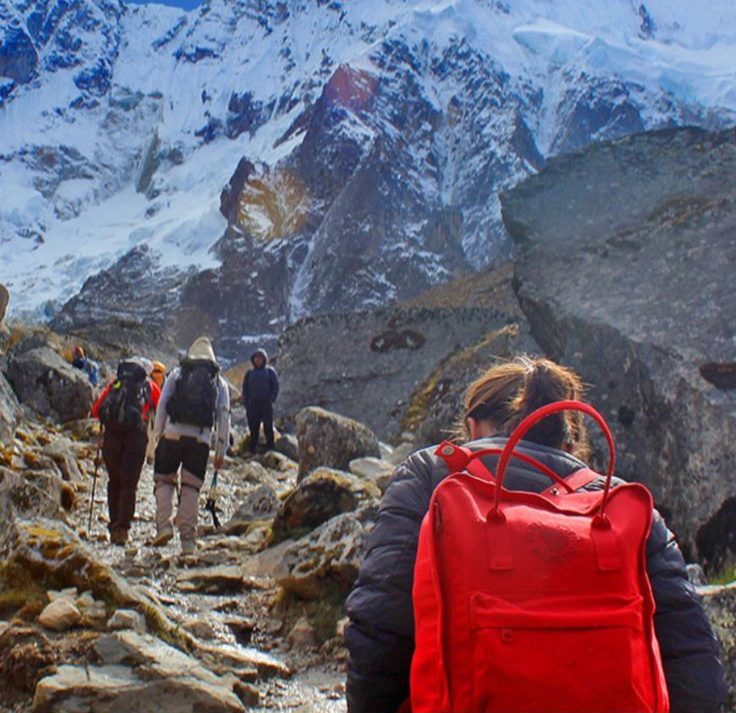
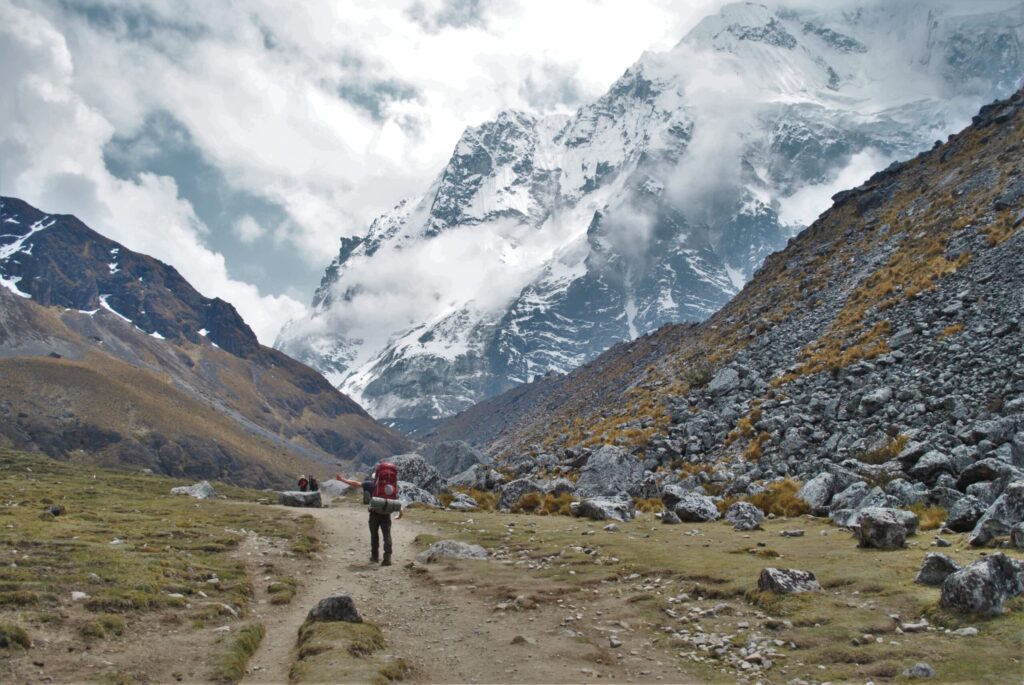
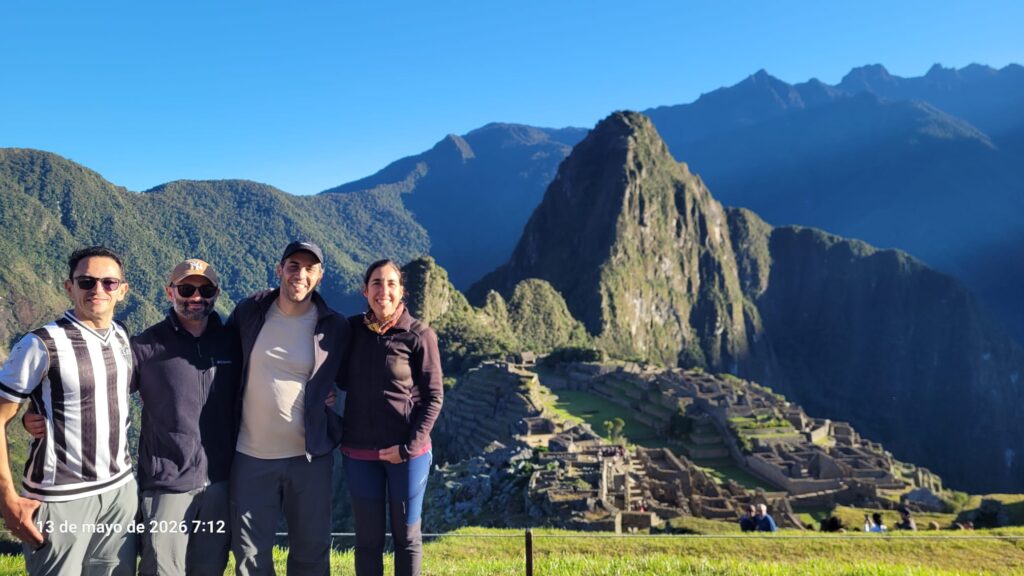
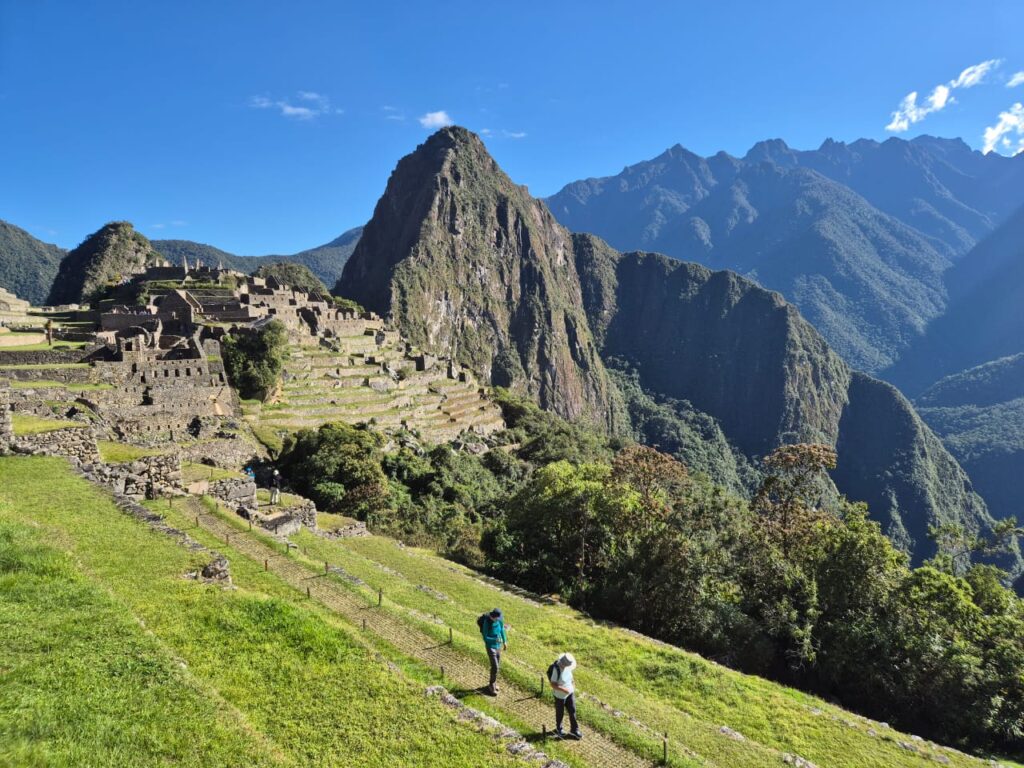
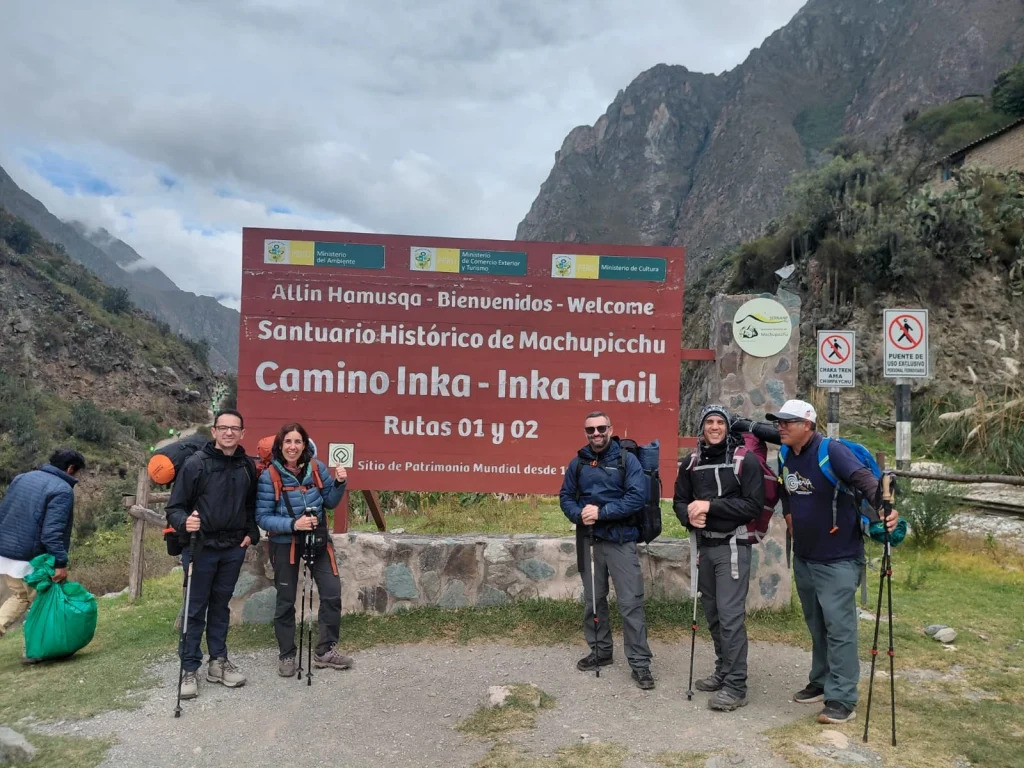
A very enriching experience, full of history and good coordination even with changing weather during the route.
See moreSalkantay Trek 5 Days / 4 Nights
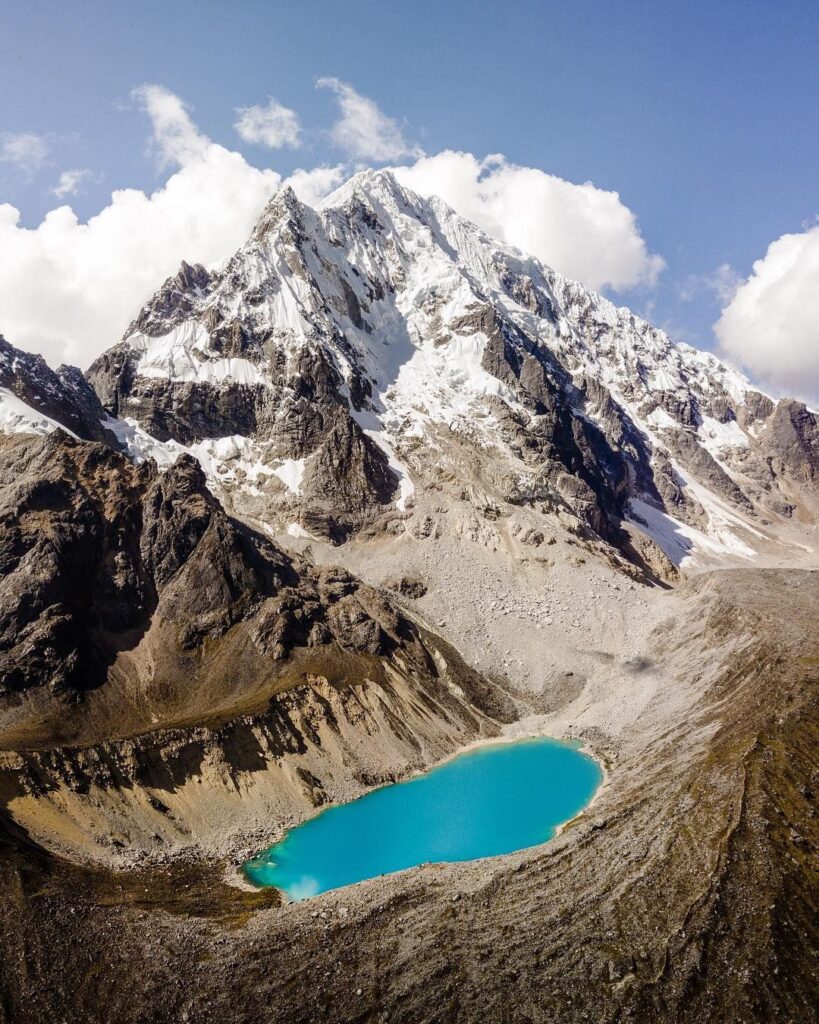
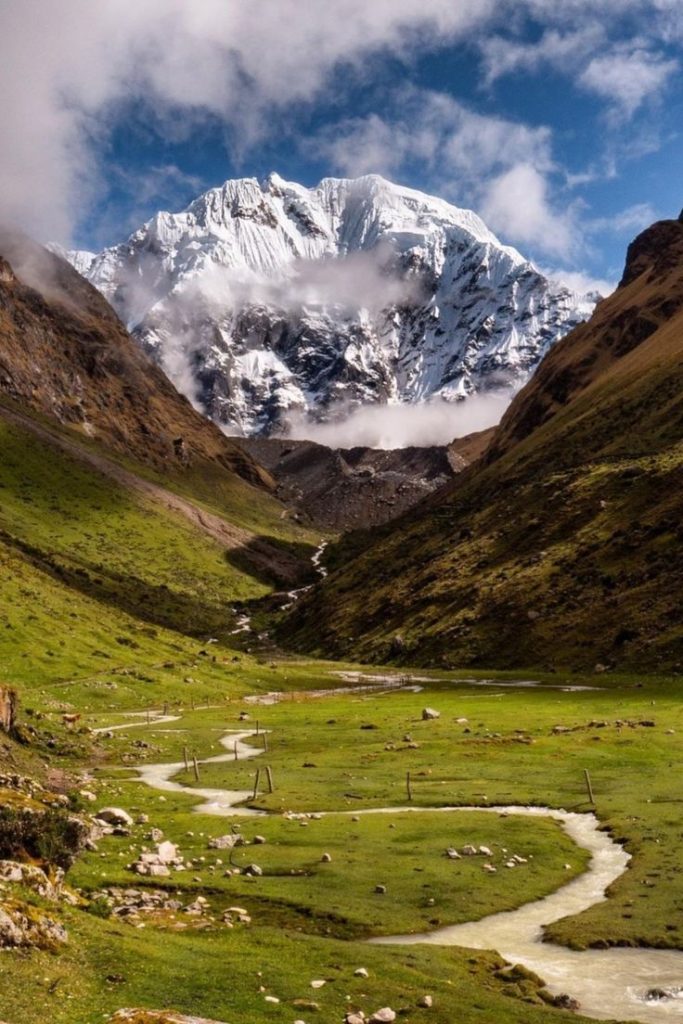
Embark on the incredible Salkantay Trek, a journey beneath the majestic Salkantay Mountain (6,271m/20,569ft), one of the most imposing peaks in the Peruvian Andes. The initial two days offer breathtaking views of Salkantay and Huamantay as you traverse high-altitude puna landscapes. On the third day, the trail descends into the warm cloud forest, leading you to Aguas Calientes on the fourth day. The impressive sacred Inca city of Machu Picchu is explored on the final day. This trek is an excellent alternative for those who couldn’t secure permits for the classic Inca Trail to Machu Picchu. The Salkantay Trek (or Salcantay Trek) was recently recognized by National Geographic Adventure Travel Magazine as one of the 25 best treks in the world.
Highlights
- Salkantay Mountain
- Huamantay Mountain
- Mollepata
- Challacancha
- Soraypampa
- Salkantaypampa
Itinerary
Day 01: Cusco – Mollepata – Challacancha – Soraypampa – Salkantaypampa
Scenic drive to Challacancha, hike to Soraypampa and Salkantaypampa
1
Your adventure begins with an early 4:30 AM pickup from your hotel in Cusco. A private vehicle will transport you for approximately three hours to the quaint village of Mollepata. Here, you’ll have breakfast (not included) and a chance to purchase any last-minute supplies. From Mollepata, our private vehicle will continue for about an hour to Challacancha, where your trek officially starts. This private transfer to Challacancha significantly reduces the walking time on the first day compared to tours using public transportation to Mollepata. The hike to Soraypampa takes about two hours, where you’ll enjoy lunch with stunning views of Huamantay Mountain. After lunch, continue hiking uphill for 1.5 to 2 hours to our first campsite at Salkantaypampa.
Day itinerary details
Day 02: Salkantaypampa – Salkantay Pass – Huayracmachay – Unuyoc
Crossing the Salkantay Pass to Unuyoc Camp
1
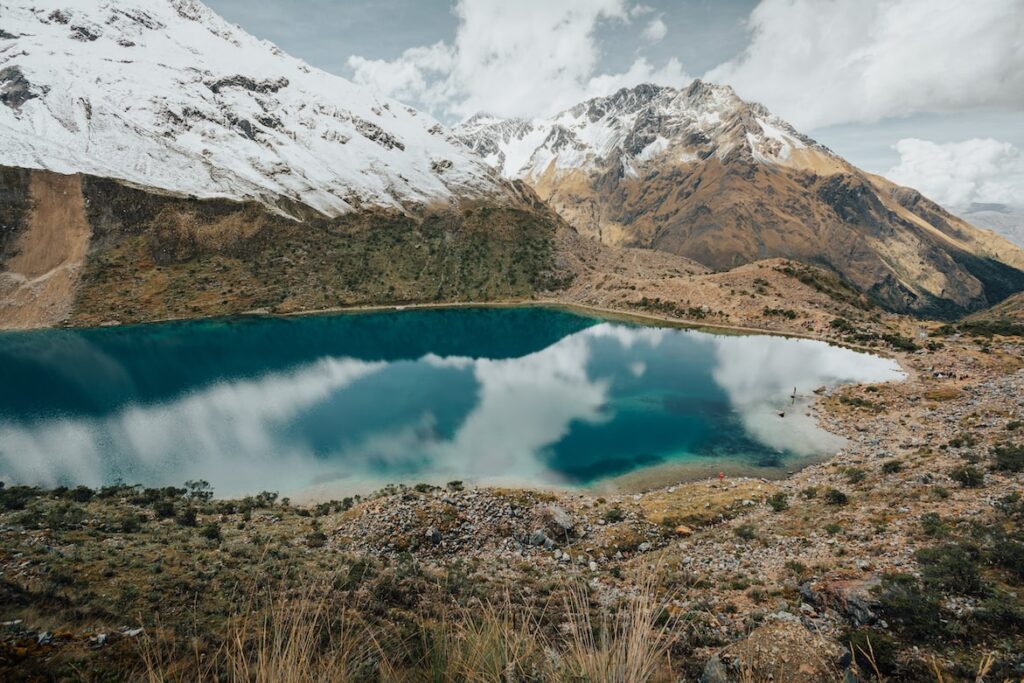
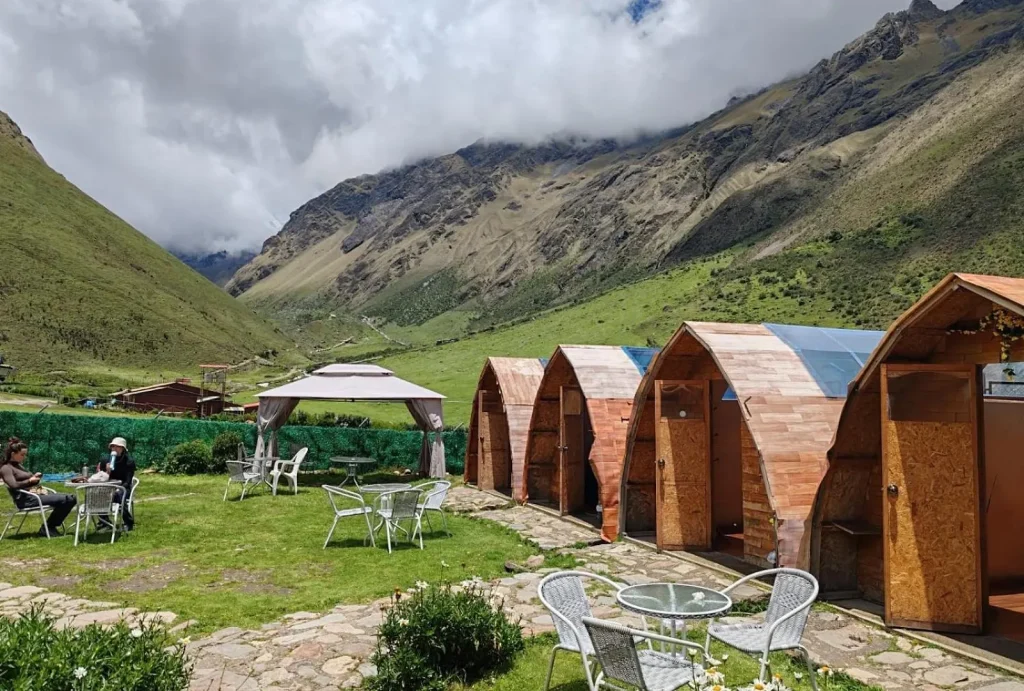
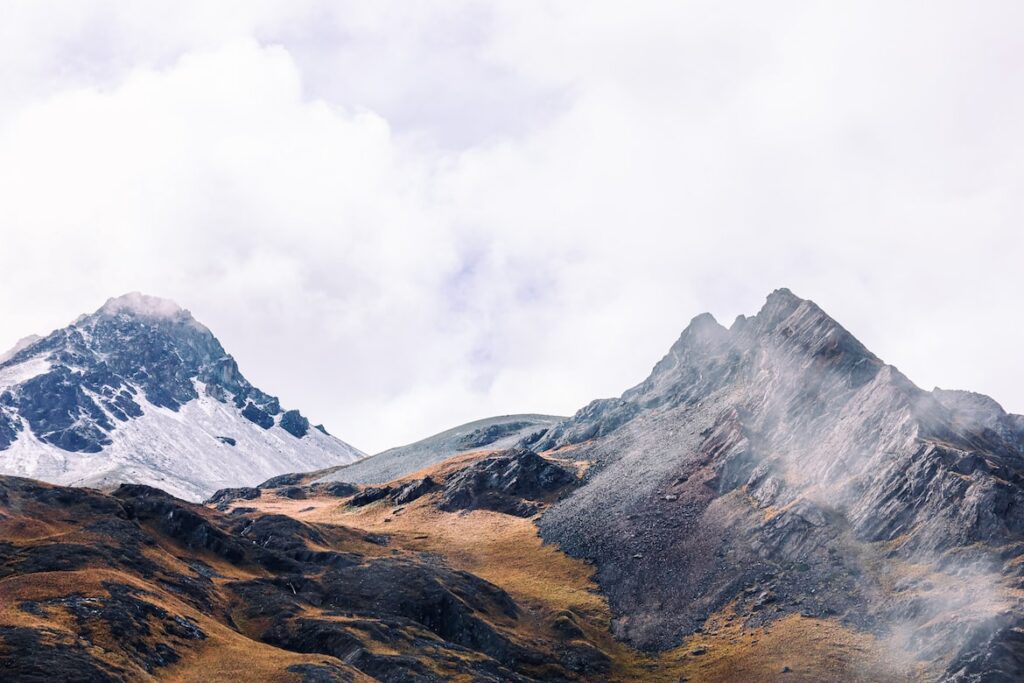
After breakfast, begin a challenging 2.5 to 3-hour zigzag ascent up the mountain to a glacial moraine, where you might spot Vizcachas (Andean chinchillas) and a small lake. After approximately three hours, you’ll reach the highest point of the trek, the Salkantay Pass, situated at 4,600 meters (15,091 feet). From this breathtaking vantage point, you’ll be amidst two magnificent mountains: Salkantay (6,271m/20,569ft), the second-highest peak in the Cusco region, and Huamantay (5,850m/19,193ft). You’ll also see Pumasillo Mountain (5,850m/19,193ft) opposite, a peak visible from a different angle at Machu Picchu. Descend for approximately 2.5 to 3 hours to Huayracmachay (or Huayrapampa), where lunch will be served. From here, we take a detour from the standard Salkantay Trek, climbing for about one hour to Unuyoc. This trail is less traveled, and during the rainy season, it can be wet and slippery. From the highest point, enjoy views of the Santa Teresa Valley before descending to our secluded campsite at Unuyoc. You are likely to be the only group here, offering a tranquil experience with wonderful views.
Day itinerary details
Day 03: Unuyoc – Wiñaypocco – Lluscamayo – La Playa (Sahuayaco)
Descent into the cloud forest to La Playa or Lucmabamba
1
Following breakfast, descend for about an hour into the high jungle, also known as the ‘eyebrow of the jungle’. Enjoy the rich natural beauty of the landscapes as you cross rivers and walk along the left bank of the Alto Salkantay River. Here, you’ll observe diverse flora, including orchids, bromeliads, and typical vegetation of the area, along with various birds, insects, and butterflies. This day involves easier walking compared to previous days, as you gradually descend for three hours to La Playa (Sahuayaco), located at 2,050 meters (6,725 feet). As you lose altitude, you’ll see citrus fruit trees, avocados, bananas, and coffee plants. The Salkantay Trek is a popular route, and the third night offers several camping options. For those seeking a more remote experience away from crowds, discuss camping at Lucmabamba with your guide. Santa Teresa is another option, though not remote, it can be lively depending on your activities for the next day. If planning the Cola de Mono zip-line, there are lovely camping options there. A special homestay option is also available in the community of Lucmabamba. For an additional $35 (payable directly to the family), you can enjoy a bed, a hot shower, and meals with a local coffee-growing family. This unique option is available for private tours with up to 10 people across two houses.
Day itinerary details
Day 04: La Playa – Hydroelectric – Aguas Calientes
Journey to Aguas Calientes with scenic route options
1
Today, you have three distinct options to reach Aguas Calientes, depending on your interests and fitness level. Discuss these choices with your guide and the group. Please note that Salkantay is the second most visited route in the region, so you will encounter other travelers. The options are decided by ‘group majority’ if you are part of a shared group. Generally, options include a hike through coffee plantations and then to Hydroelectric, where you can take a train or continue walking along the tracks to Aguas Calientes. This day typically offers stunning views of the surrounding mountains and the lush subtropical cloud forest as you approach the base of Machu Picchu.
Day itinerary details
Day 05: Aguas Calientes – Machu Picchu – Cusco
Exploring Machu Picchu and return to Cusco
1
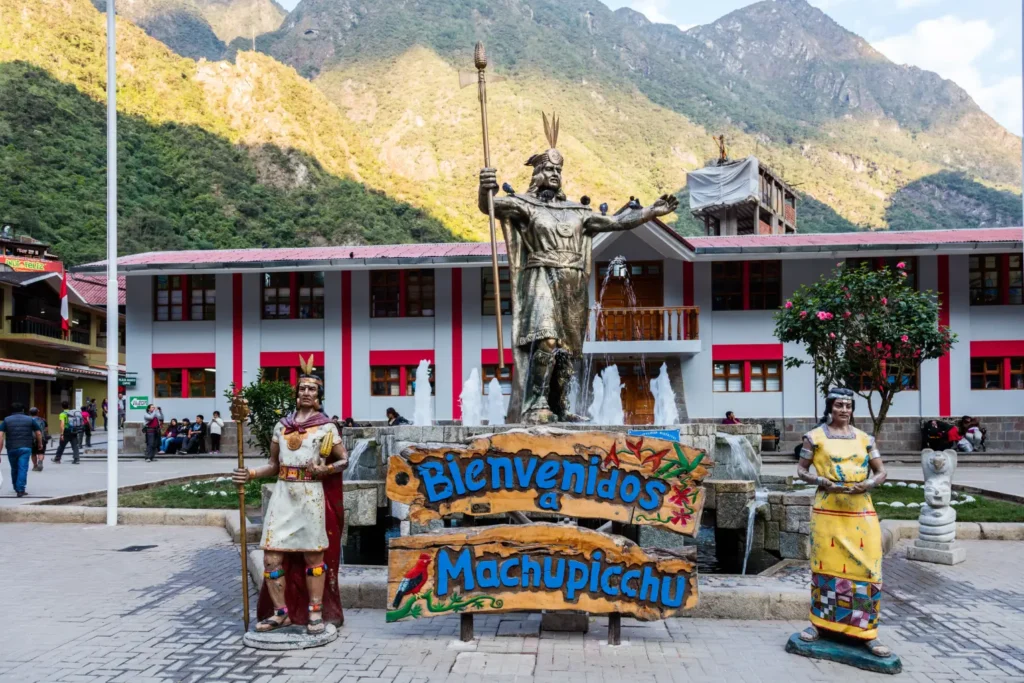
On your final day, wake up early in Aguas Calientes to catch one of the first buses up to the magnificent Inca citadel of Machu Picchu. Upon arrival, you’ll embark on a comprehensive guided tour of this legendary site, exploring its temples, terraces, and ceremonial centers, while learning about its fascinating history and significance. After your guided visit, you’ll have free time to explore Machu Picchu at your leisure, perhaps climbing Huayna Picchu or Machu Picchu Mountain (advance booking required) for panoramic views. Later in the afternoon, you will take a bus back down to Aguas Calientes, where you will board a scenic train to Ollantaytambo or Poroy, followed by a private transfer back to your hotel in Cusco, concluding your unforgettable Salkantay Trek experience.
Day itinerary details
The Salkantay Trek is physically demanding and reaches high altitudes; proper acclimatization and physical fitness are crucial.
Recommendations
Before Booking
- Confirm availability and desired dates, especially for peak season.
- Discuss group preferences for Day 3 (camping location, homestay option) and Day 4 route options.
- Inquire about specific inclusions and exclusions, especially for Machu Picchu entrance and train tickets.
Before Traveling
- Acclimatize to the high altitude in Cusco for at least 2-3 days before starting the trek.
- Ensure you have a valid passport; it is required for all treks and Machu Picchu entry.
- Pack appropriate gear for varied weather, including warm layers, rain gear, hiking boots, and a sleeping bag.
- Consider travel insurance that covers high-altitude trekking and medical emergencies.
Included services
What is included
- Private transportation from Cusco to Challacancha (Day 1)
- Professional bilingual trekking guide
- Muleteers and horses to carry camping equipment and up to 5kg (11 lbs) of personal belongings per person
- High-quality camping equipment (tents, sleeping mats, dining tent, kitchen tent)
- Meals during the trek (typically 4 breakfasts, 4 lunches, 3 dinners - check exact details with operator)
- First-aid kit and emergency oxygen bottle
- Entrance fee to Salkantay Trek
What is not included
- Breakfast on Day 1
- Sleeping bag (can be rented)
- Trekking poles (can be rented)
- Personal expenses and tips for guides, cooks, and muleteers
- Machu Picchu entrance ticket
- Bus tickets from Aguas Calientes to Machu Picchu and back
- Train ticket from Aguas Calientes to Ollantaytambo/Poroy
- Hotel/Hostel in Aguas Calientes (Day 4 night)
- Homestay option on Day 3 ($35 USD extra cost)
- Extra horses for personal use
- Travel insurance
Frequently Asked Questions
01 What is the best time of year to do the Salkantay Trek?
The dry season, from April to October, is generally considered the best time for the Salkantay Trek. During these months, the weather is typically sunny with less rainfall, offering clearer views and safer trekking conditions. However, nights can be very cold, especially at higher altitudes. The shoulder months (April, May, September, October) often provide a good balance of weather and fewer crowds.
02 What kind of physical preparation is recommended for the Salkantay Trek?
The Salkantay Trek is a challenging multi-day hike that reaches significant altitudes. It is highly recommended to engage in regular cardiovascular exercise (running, cycling, swimming) for at least 2-3 months prior to your trek. Including strength training, especially for your legs and core, will also be beneficial. Prior hiking experience, particularly at altitude, will be a great advantage.
03 Can I rent equipment for the trek, such as sleeping bags or trekking poles?
Yes, most tour operators, including Booking Inca Jungle, offer rental services for essential trekking equipment such as sleeping bags (rated for sub-zero temperatures) and trekking poles. It’s advisable to inquire about rental options and costs when booking your trek to ensure you have all the necessary gear.
04 What are the sanitary facilities like along the Salkantay Trek?
During the first few days, particularly at campsites, you will typically find basic toilet facilities, which can range from pit toilets to simple flush toilets. In more remote areas and during daily hikes, facilities are very limited, and you may need to rely on ‘leave no trace’ principles. Some campsites might offer cold showers, and for the homestay option, a hot shower is available.
05 Is there an age limit for participating in the Salkantay Trek?
While there isn’t a strict official age limit, due to the trek’s challenging nature and high altitudes, participants should be in good physical health. Most operators recommend a minimum age of 10-12 years for children who are experienced hikers, and there is no upper age limit for fit and healthy adults. We recommend consulting with your doctor and the tour operator if you have any health concerns or are traveling with minors.
Traveler Experiences
Hear from travelers who experienced the magic of our tours
Recent comments