
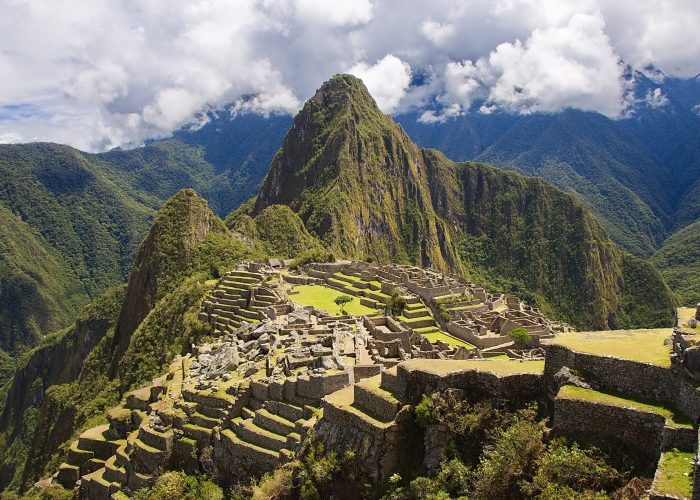
First Time Trekking to Machu Picchu and Initial Preparation
First Time Trekking to Machu Picchu is an experience that combines adventure, culture, and direct contact with the Andean landscapes of Peru. Many travelers arrive in Cusco with high expectations about this hike. However, proper preparation is essential to enjoy the experience safely. In addition, the hiking routes to Machu Picchu have different difficulty levels. Therefore, it is important to understand the characteristics of each trail before booking a tour. Most visitors do activities in Cusco beforehand to adapt to the altitude. This process helps reduce physical discomfort during long hikes. In addition, the weather changes constantly in the Andean mountains. Because of that, every traveler should organize their equipment and clothing properly. Many people look for trekking tours in Cusco because they include transportation, meals, and professional guides. This option makes logistics easier during the trip. It also provides access to authorized routes with greater safety. The experience changes depending on the season of the year. However, proper planning allows travelers to enjoy the route at any time. First-time travelers usually choose organized hikes with progressive itineraries and frequent rest stops. In addition, previous physical preparation greatly improves the experience on high-altitude routes.
Most Recommended Routes for First Time Trekking to Machu Picchu
Classic Inca Trail for Beginners and Traditional Routes
The Inca Trail for beginners remains one of the most famous options for reaching Machu Picchu. This route combines historical trails, archaeological remains, and mountain scenery. In addition, it has signage and official checkpoints throughout the route. Many travelers consider this hike the best introduction to Andean trekking. However, permits have limited availability during the year. Therefore, booking in advance is essential. The hike usually lasts four days and three nights. In addition, the route includes cloud forest areas and stone paths built by the Incas. Groups travel with authorized guides and logistics staff. This allows greater safety during the experience. Many tourists choose this option because it offers a balanced combination of adventure and cultural heritage. In addition, the route ends with entrance through the famous Sun Gate. From that point, travelers get their first panoramic view of Machu Picchu. The physical difficulty is moderate. However, some sections include steep stairs and long climbs. For that reason, previous acclimatization in Cusco remains important. There are also shorter versions of the Inca Trail for travelers with less physical experience.
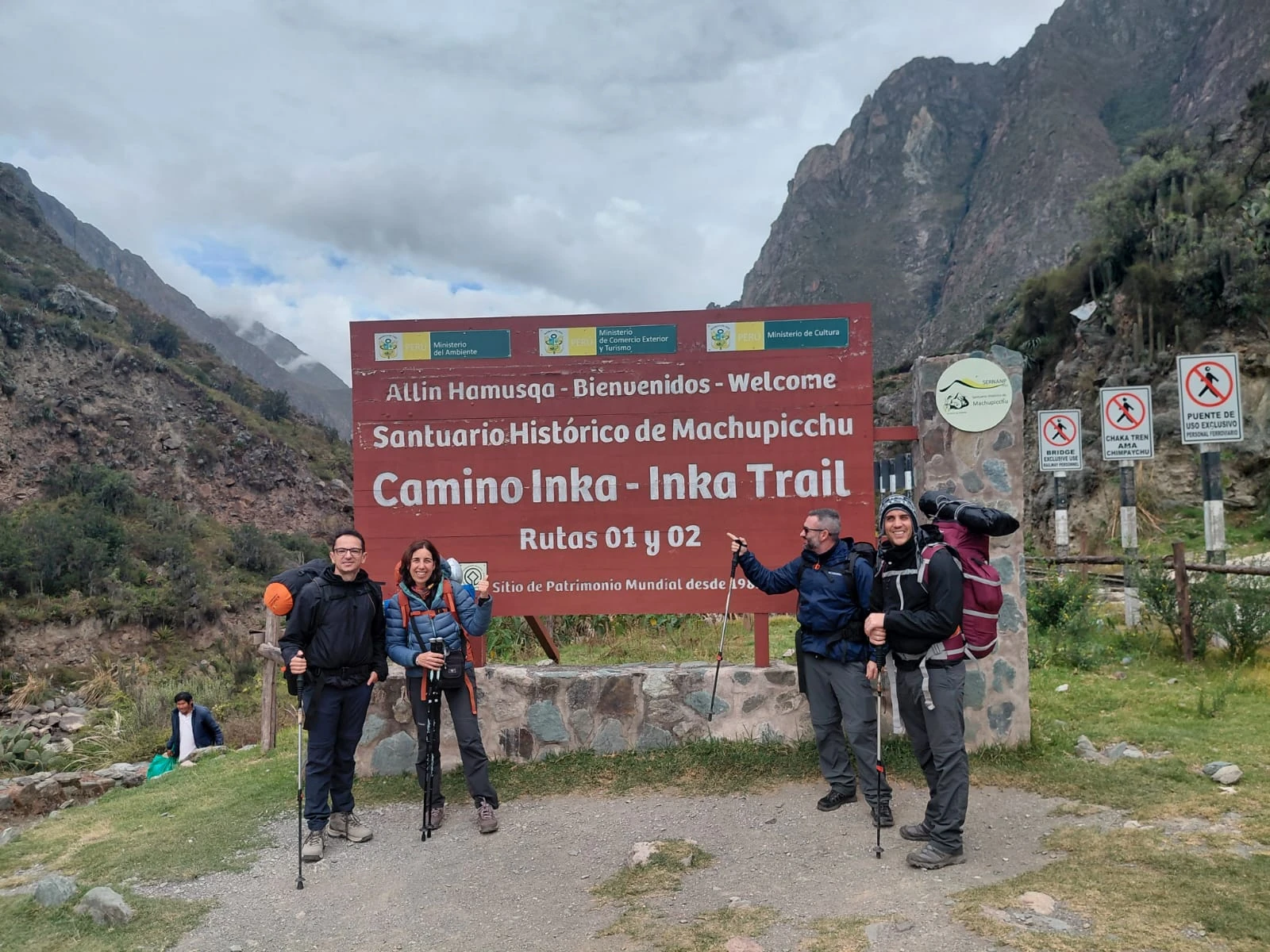
Salkantay Route to Machu Picchu and Alternative Routes
The Salkantay route to Machu Picchu represents another popular option for travelers seeking diverse scenery and longer hikes. This route crosses high mountain areas, valleys, and tropical zones. In addition, it allows travelers to observe the snowy Salkantay Mountain, considered sacred in Andean tradition. Many travelers prefer this alternative because it does not require the same limited permits as the Inca Trail. However, the physical demand is usually higher. The route includes mountain passes above 4,000 meters. Therefore, physical preparation is essential before the trip. Because of the altitude, some tourists experience fatigue during the first days. In addition, nighttime temperatures can drop considerably. There are also other alternative routes to Machu Picchu such as Lares, Inca Jungle, and combined hikes with biking or adventure activities. These options offer different difficulty levels and travel styles. Some prioritize cultural contact with Andean communities. Others focus on natural scenery and outdoor sports. The choice depends on available time, budget, and each traveler’s physical condition. However, all of them provide an authentic hiking experience in Peru. In addition, each route presents different natural landscapes on the way to Machu Picchu.

Best Time for Trekking in Cusco
The best time for trekking in Cusco generally matches the dry season between May and September. During those months, rain is less frequent on mountain trails. In addition, the paths are in better condition for hiking. Many travelers prefer June and July because of the clear skies and visible landscapes. However, those dates also have larger numbers of tourists. Therefore, prices for accommodations and tours usually increase. The rainy season occurs between November and March. During that period, some trails may become slippery or difficult. In addition, fog may reduce visibility in certain sections of the route. Because of that, many operators recommend constantly checking the weather forecast before starting the hike. However, some travelers enjoy the green landscapes typical of the wet season. Temperatures change considerably between day and night. For that reason, layered clothing is essential in any season. It is also important to consider that February usually includes temporary closures of the Inca Trail because of annual maintenance. Many beginner travelers prefer doing their first hike during the dry season. In addition, stable weather conditions allow for a more comfortable and safer experience on high-altitude trails.
Physical Preparation for Trekking in Cusco and Altitude Adaptation
Physical preparation for trekking in Cusco significantly improves the experience during multi-day hikes. Many visitors underestimate the impact of altitude on the body. However, physical effort increases considerably above 3,000 meters. Therefore, cardiovascular exercise is recommended before the trip. Walking regularly, climbing stairs, and practicing hiking help improve endurance. In addition, breathing exercises support adaptation in high-altitude areas. Previous acclimatization in Cusco is very important before starting the trek. Many travelers rest for one or two days before beginning the hike. Because of the altitude, some people experience headaches, fatigue, or loss of appetite. However, these symptoms usually decrease with proper hydration and rest. Guides recommend avoiding heavy meals and excessive alcohol consumption during the first days. In addition, maintaining a steady pace helps conserve energy during the route. Beginner travelers should choose routes appropriate for their physical condition. It is also important to follow the guide’s recommendations throughout the hike. Frequent breaks allow travelers to recover energy and better enjoy the scenery. Therefore, previous preparation directly influences the safety and comfort of the trip.
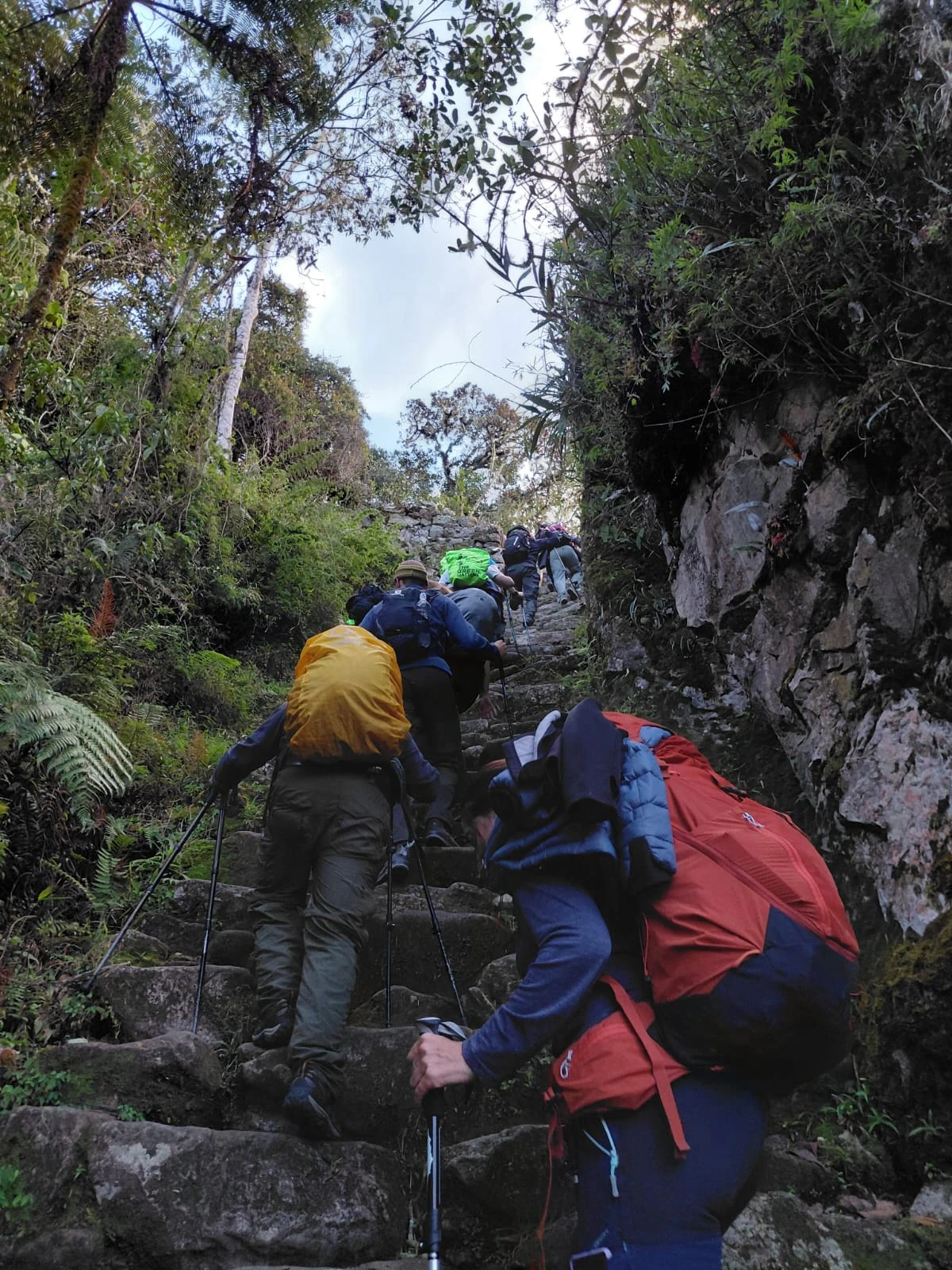
What to Bring for Trekking to Machu Picchu and Recommended Gear
Proper Clothing for Mountain Routes
Knowing what to bring for trekking to Machu Picchu makes the experience safer and more comfortable during the hike. The weather changes quickly in the Andes. Therefore, clothing should adapt to different temperatures throughout the day. Many travelers use the layering system to protect themselves from cold and humidity. In addition, lightweight clothing allows greater mobility during the trek. Waterproof jackets are important during the rainy season. Comfortable hiking pants and thermal clothing for cold nights are also recommended. Trekking boots should have good traction and support for uneven terrain. However, new footwear can cause discomfort during long hikes. For that reason, it is recommended to use them beforehand before the trip. Technical socks help prevent blisters during long routes. In addition, hats and sunglasses protect against intense solar radiation at high altitude.
Important Accessories for Multi-Day Trekking in Cusco
The right equipment greatly improves the experience on mountain trails. Many travelers carry compact backpacks with essential items for each day. In addition, reusable water bottles help maintain proper hydration during the route. Trekking poles help reduce impact on knees and ankles. This becomes useful on steep descents or uneven terrain. It is also recommended to include sunscreen and insect repellent. Some areas near tropical zones have mosquitoes. Therefore, personal protection remains important during the entire trip. Headlamps are useful in campsites or early morning hikes. In addition, portable chargers help keep mobile devices and cameras charged. Beginner travelers often hire services that include tents and basic equipment. However, checking the packing list beforehand prevents problems during the hike. Proper organization allows travelers to enjoy the trekking experience more fully.
Difficulty of Trekking to Machu Picchu and Physical Demands
The difficulty of trekking to Machu Picchu mainly depends on the chosen route and the traveler’s physical condition. Some hikes feature moderate trails with short distances. However, others include long ascents and extreme altitude changes. The Inca Trail is usually considered an intermediate-level route. In addition, it combines demanding sections with areas accessible to prepared beginners. The Salkantay route to Machu Picchu requires greater physical endurance because of altitude and duration. Many travelers experience fatigue during the first days of hiking. Therefore, physical preparation and acclimatization are essential. Multi-day hikes include nights in campsites located in mountainous areas. In addition, nighttime temperatures can drop significantly. Because of that, proper rest directly influences physical performance. Some tours offer shorter options for people with less hiking experience. There are also combined routes with partial transportation to reduce physical effort. Guides constantly evaluate the group’s pace during the hike. This helps maintain safety and avoid excessive exhaustion. However, each traveler should understand their physical limits before booking any route. Choosing an appropriate trek greatly improves the overall experience.
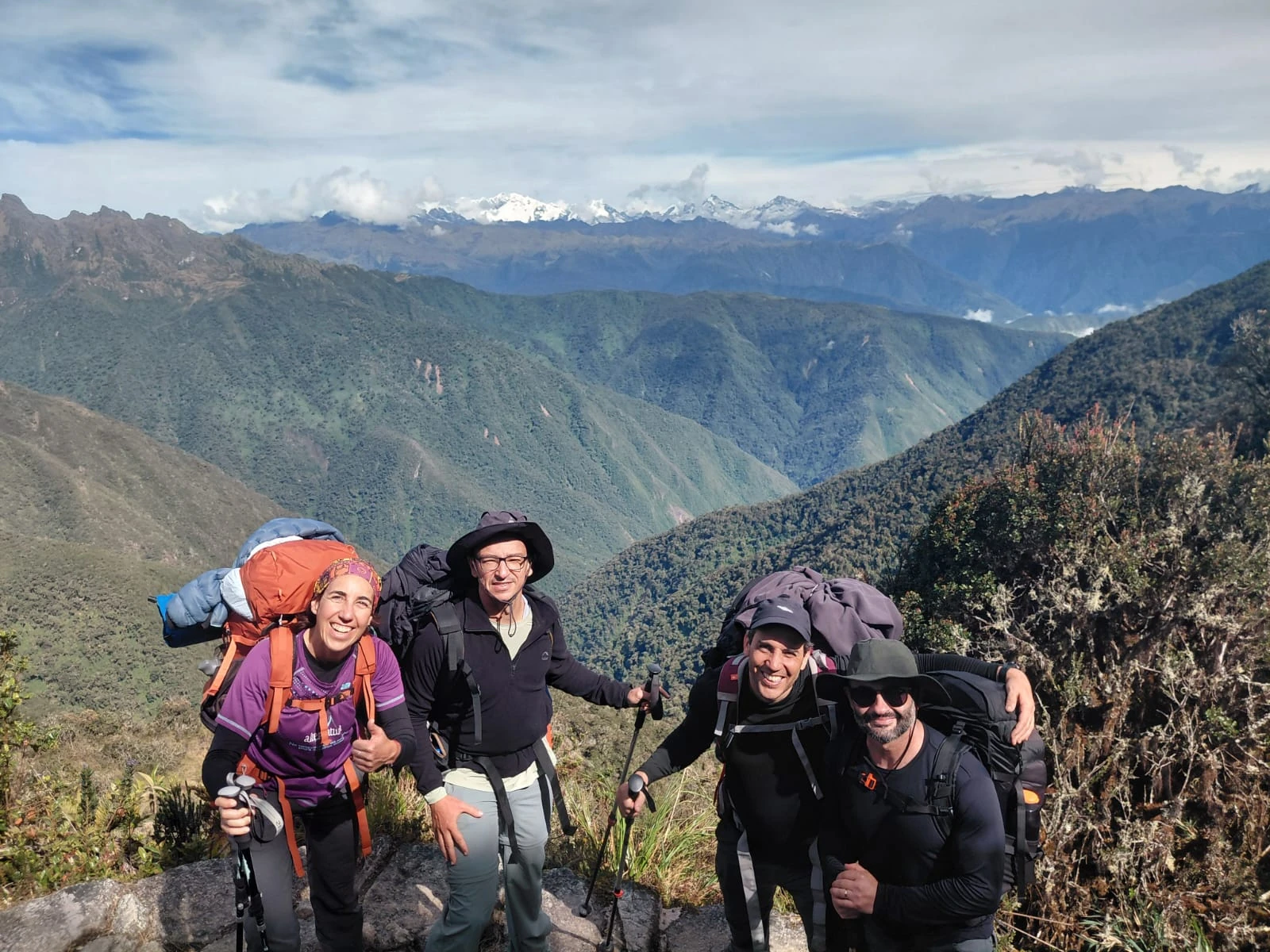
Campsites on Trekking Routes and the Andean Experience
Campsites on trekking routes are an important part of the experience on the way to Machu Picchu. Many hikes include nights in natural areas surrounded by mountains and Andean valleys. In addition, tour operators organize safe spaces for rest and meals. Campsites usually include tent areas, dining spaces, and basic services. However, comfort levels vary depending on the chosen route and the type of tour booked. Some routes offer more equipped campsites with showers and limited electricity. Others maintain a more traditional and simple style. Group interaction represents an important part of the experience. In addition, sharing the hike strengthens motivation during the most demanding days. Many travelers appreciate direct contact with nature during nights in the mountains. Because of the altitude, temperatures can drop considerably after sunset. Therefore, proper sleeping bags are essential. Meals prepared during the trek usually include energy-rich foods and local ingredients. In addition, scheduled breaks help travelers recover energy for the following days. The experience of camping in the Andes allows travelers to disconnect partially from urban routines. It also provides opportunities to observe unique landscapes and clear night skies.
Andean Landscapes on the Way to Machu Picchu and Cultural Experience
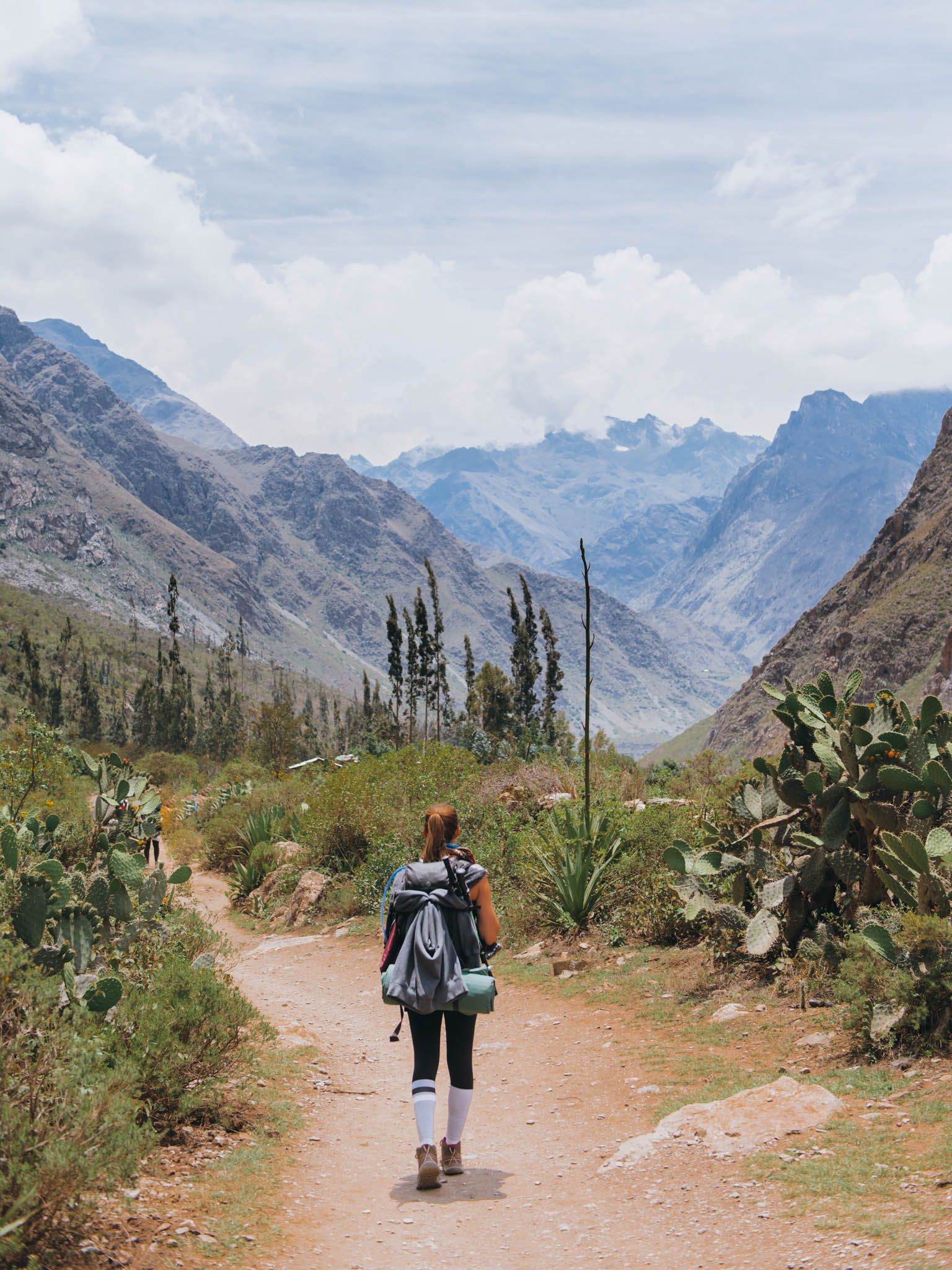
The Andean landscapes on the way to Machu Picchu represent one of the greatest attractions of trekking in Peru. During the journey, travelers cross mountains, valleys, rivers, and cloud forests. In addition, many routes include panoramic views of snowy peaks and rural communities. The geographical diversity constantly changes depending on altitude and region. Therefore, each day offers different natural scenery. Some paths cross ancient trails built by the Incas centuries ago. In addition, several routes include lesser-known archaeological sites before reaching Machu Picchu. The combination of nature and history makes this experience highly valued by international tourists. Many travelers also highlight the cultural contact with Andean communities. Because of sustainable tourism, some routes support local economies through community services. Residents offer handcrafted products and traditional cultural experiences. In addition, guides explain historical aspects related to the Inca civilization. The cultural connection strengthens the value of the hike beyond the physical effort. Many tourists believe trekking allows them to better understand Andean geography and traditions. However, respect for local rules remains important throughout the experience. Keeping the natural environment clean also helps preserve these tourist areas.
Trekking Tours in Cusco and Final Travel Recommendations
Trekking tours in Cusco make logistical organization easier for people visiting Peru for the first time. Many agencies offer packages that include transportation, meals, and professional guides. In addition, some tours provide basic camping equipment and hiking gear. Beginner travelers often feel safer through organized services. However, it is important to verify that the agency operates legally and has authorized permits. The guide’s experience directly influences the safety and quality of the route. Therefore, checking reviews and previous references helps travelers choose better. Many operators offer group routes and private options according to available budgets. In addition, some itineraries include additional cultural visits in Cusco and the Sacred Valley. Advance booking is recommended during high season. Because of tourist demand, spaces can sell out quickly on certain routes. Travelers should carefully review the physical requirements before booking any service. It is also important to confirm which items are included in the tour package. Maintaining a flexible attitude helps travelers handle weather changes or logistical adjustments during the trip. The combination of proper preparation and responsible organization allows travelers to fully enjoy the adventure to Machu Picchu.
Frequently Asked Questions
1. How many days are needed to complete a trek to Machu Picchu?
The duration depends on the chosen route and the type of experience travelers want. The Classic Inca Trail normally lasts four days and three nights. The Salkantay route to Machu Picchu usually takes between four and five days. However, shorter versions exist for travelers with limited time. Some agencies also offer hikes combined with train service and partial transportation. In addition, certain routes include extra cultural activities in Andean communities. Many travelers book extra days in Cusco to acclimatize before trekking. This helps reduce discomfort related to altitude. Proper planning allows travelers to enjoy the experience with greater comfort and safety.
2. Is previous experience necessary for trekking to Machu Picchu?
Previous experience is not always required for hiking to Machu Picchu. Many routes are adapted for beginner travelers with moderate physical condition. However, some options present greater physical demands because of altitude and distance. Therefore, choosing the correct route is essential. Organized tours include professional guides who accompany groups during the entire journey. In addition, scheduled breaks help maintain an appropriate pace. Basic physical preparation greatly improves the experience. Walking regularly before the trip helps build endurance and adaptation to physical effort.
3. How strong can altitude sickness affect travelers during trekking?
Altitude affects each person differently during hikes in Cusco. Some travelers experience mild symptoms such as headaches or fatigue. However, others may experience breathing difficulties or intense exhaustion. Therefore, previous acclimatization is very important before trekking. Resting for several days in Cusco helps the body adapt gradually. In addition, maintaining proper hydration supports physical performance. Guides also recommend avoiding heavy meals and excessive alcohol. Walking slowly during the first days helps conserve energy and reduce altitude-related discomfort.
4. What are the differences between the Inca Trail and the Salkantay route?
The Inca Trail stands out because of its historical and archaeological value. In addition, it uses ancient trails built by the Inca civilization. The Salkantay route to Machu Picchu offers more diverse landscapes and high mountain areas. However, it is usually physically more demanding. The Inca Trail requires limited permits and mandatory advance booking. On the other hand, the Salkantay route provides greater flexibility in availability. Both options allow travelers to reach Machu Picchu through different experiences. The choice depends on physical level, budget, and personal preferences.
5. What documents and reservations are required for trekking?
Travelers need a valid passport to register at official checkpoints during the trek. In addition, some routes require specific permits issued by tourism authorities. The Inca Trail has limited spaces and must be booked in advance. Many agencies request personal information to process the required permits. It is also recommended to purchase travel insurance for adventure activities. Some operators request partial payments before confirming reservations. In addition, carefully reviewing the itinerary helps avoid logistical problems during the trip. Carrying digital copies of important documents can also be useful in emergencies.
Discover our Peru travel packages and let us organize the perfect adventure for you. Request your quote for your trip to Cusco today!