
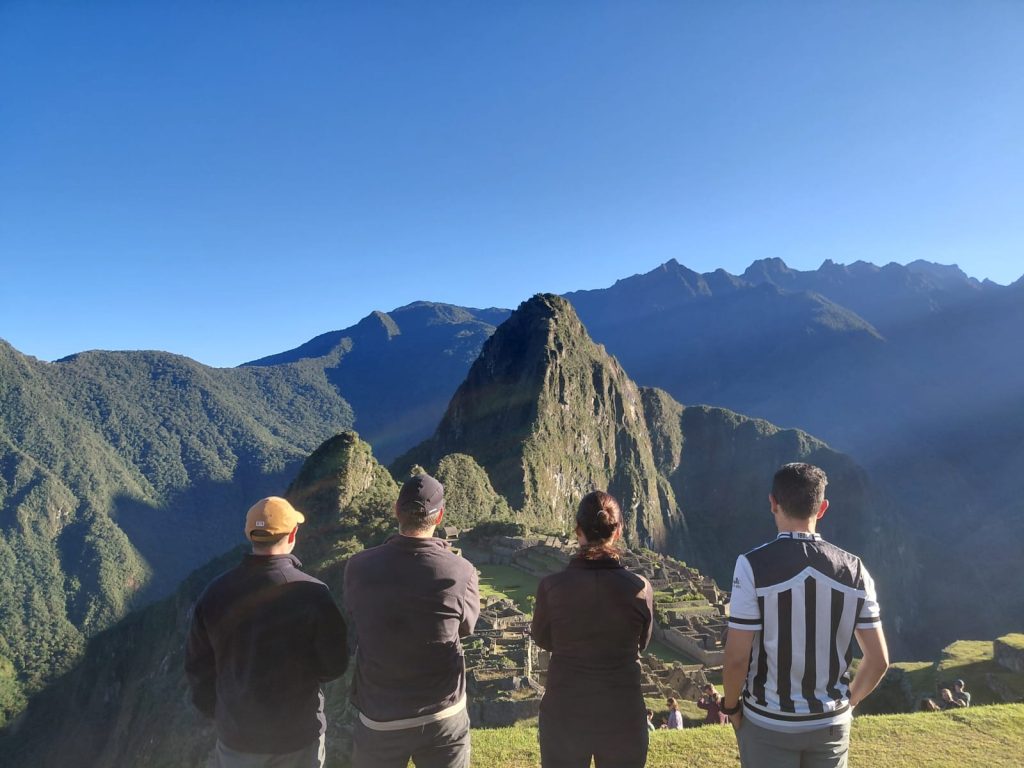
Trekking to Machu Picchu is one of the most sought-after experiences for travelers visiting Cusco and the Peruvian Andes. Thousands of tourists arrive every year to hike ancient trails surrounded by mountains, snow-capped peaks, and unique natural landscapes. In addition, there are different routes to reach the Inca citadel, each with distinct features. Some routes offer historical journeys, while others stand out for their high-mountain scenery and connection with local communities.
Many people choose Trekking to Machu Picchu because of the combination of adventure, nature, and culture. Therefore, selecting the right route is important before planning the trip. Some hikes require greater physical endurance, while others are more accessible for travelers without previous experience. There are also differences in duration, altitude, and services available during the journey. Because of these variations, many tourists look for accurate information to choose the ideal option. In addition, the routes allow visitors to discover archaeological sites, lagoons, and trails away from mass tourism.
Most Popular Routes for Trekking to Machu Picchu
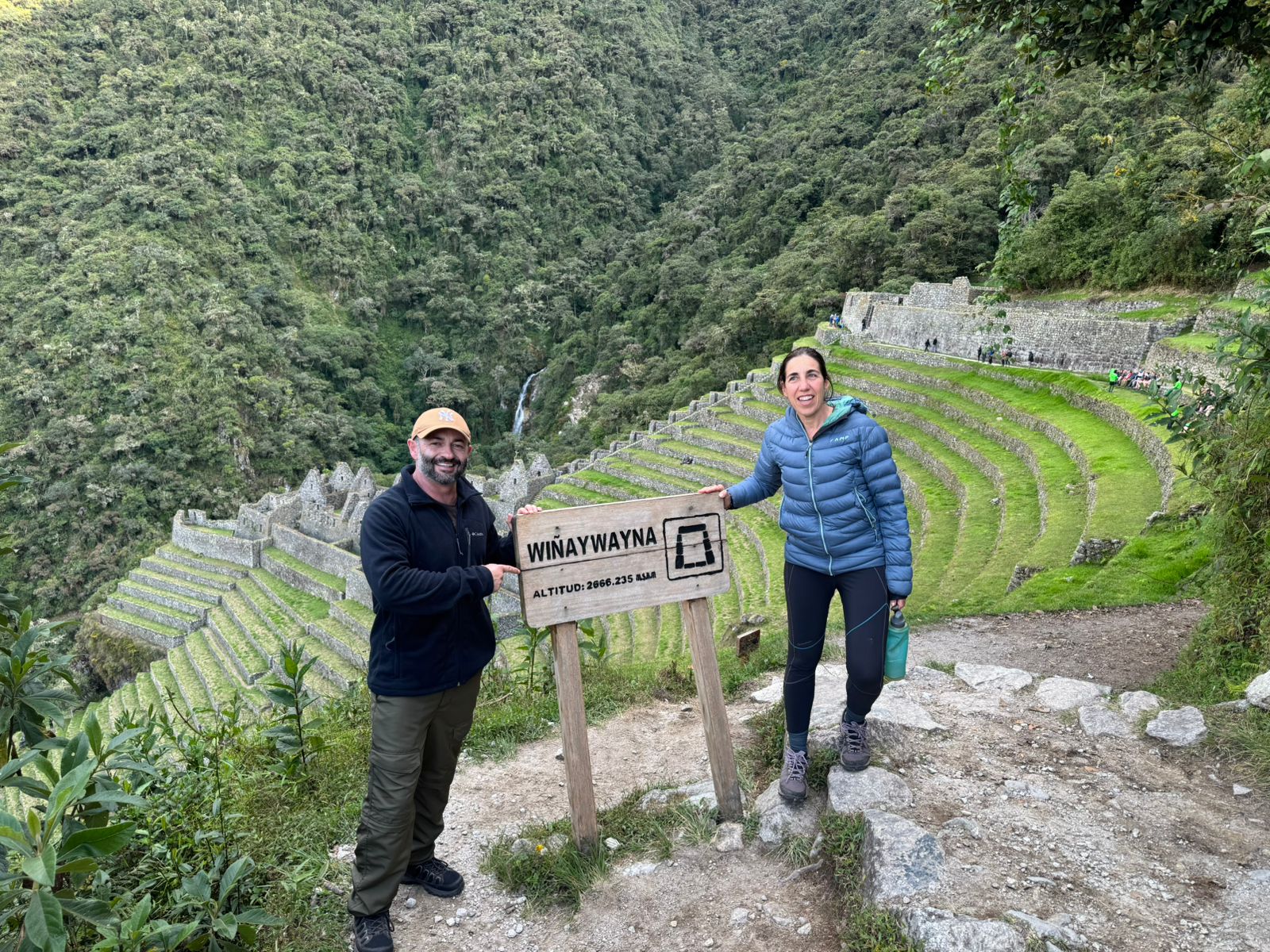
Trekking to Machu Picchu includes several internationally recognized routes. Each one offers a different experience through the Andean landscapes of southern Peru. Some routes have limited access and require special permits. However, others maintain availability during most of the year. Choosing correctly depends on the available time, physical condition, and the type of experience each traveler wants.
The most famous routes include:
- Classic Inca Trail
- Salkantay Route to Machu Picchu
- Lares Route to Machu Picchu
- Hiking through the Inca Jungle route
- Short trek from Hydroelectric Station
- Combined hikes with cultural visits
In addition, many agencies organize trekking tours in Cusco with different service levels. Some options include fully equipped campsites, while others use rural accommodations. Therefore, the budget also influences the final decision. Travelers usually compare duration, difficulty, and landscapes before booking.
Classic Inca Trail and Its Historical Value
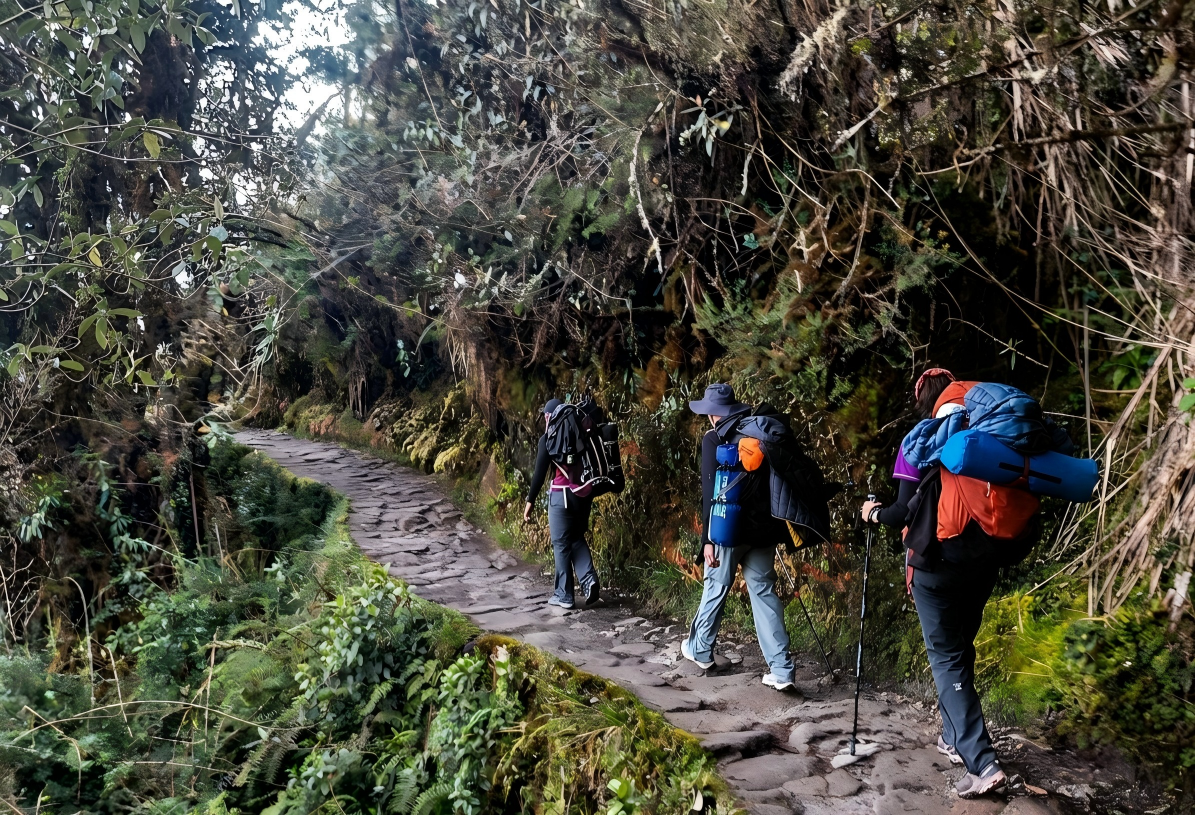
The Classic Inca Trail is the most famous route in the country. This trail connects ancient roads built during the Inca Empire. In addition, it crosses cloud forests, stone tunnels, and important archaeological sites. The traditional route lasts four days and ends at the entrance known as Inti Punku.
Many tourists consider this route the most complete Trekking to Machu Picchu experience. In addition, limited access helps preserve the historic trails. Permits sell out quickly during the high season. Therefore, reservations must be made several months in advance.
During the trek, there are several authorized trekking campsite routes managed by the Peruvian government. Travelers hike daily through mountains and stone stairways. However, the altitude and long walks represent an important physical challenge. Because of this, it is recommended to acclimatize in Cusco before starting the hike.
Salkantay Route to Machu Picchu and High-Mountain Adventure
The Salkantay Route to Machu Picchu has become one of the most popular alternatives to the Inca Trail. This hike stands out for its high-mountain landscapes and changing weather conditions. In addition, it crosses areas near the snow-capped Salkantay Mountain, considered sacred within Andean culture.
The route usually lasts five days. However, some versions include longer itineraries. During the hike, travelers see snow-covered mountains, tropical forests, and deep valleys. Therefore, many travelers consider this option a complete nature and adventure experience.
High-altitude trekking in Cusco requires good physical preparation. The route exceeds 4,600 meters above sea level. Because of the altitude, some tourists experience symptoms related to altitude sickness. In addition, temperatures change considerably between day and night. For this reason, proper equipment is essential to complete the route safely.
Lares Route to Machu Picchu and Cultural Connection
The Lares Route to Machu Picchu offers a different experience within adventure tourism in Peru. This hike stands out for its connection with traditional Andean communities. In addition, many travelers appreciate the quiet trails and smaller number of tourists.
During the route, it is possible to observe traditional agricultural and textile activities. Some local families still maintain ancestral customs related to Quechua culture. Therefore, this hike combines nature and cultural experiences within the same journey.
The hike usually lasts between three and four days. In addition, it crosses high-altitude lagoons and small rural villages. Many travelers consider this option an excellent alternative for those seeking less crowded routes. However, altitude remains demanding in certain sections. Because of this, prior acclimatization is also recommended before starting.
Alternative Routes to the Inca Trail
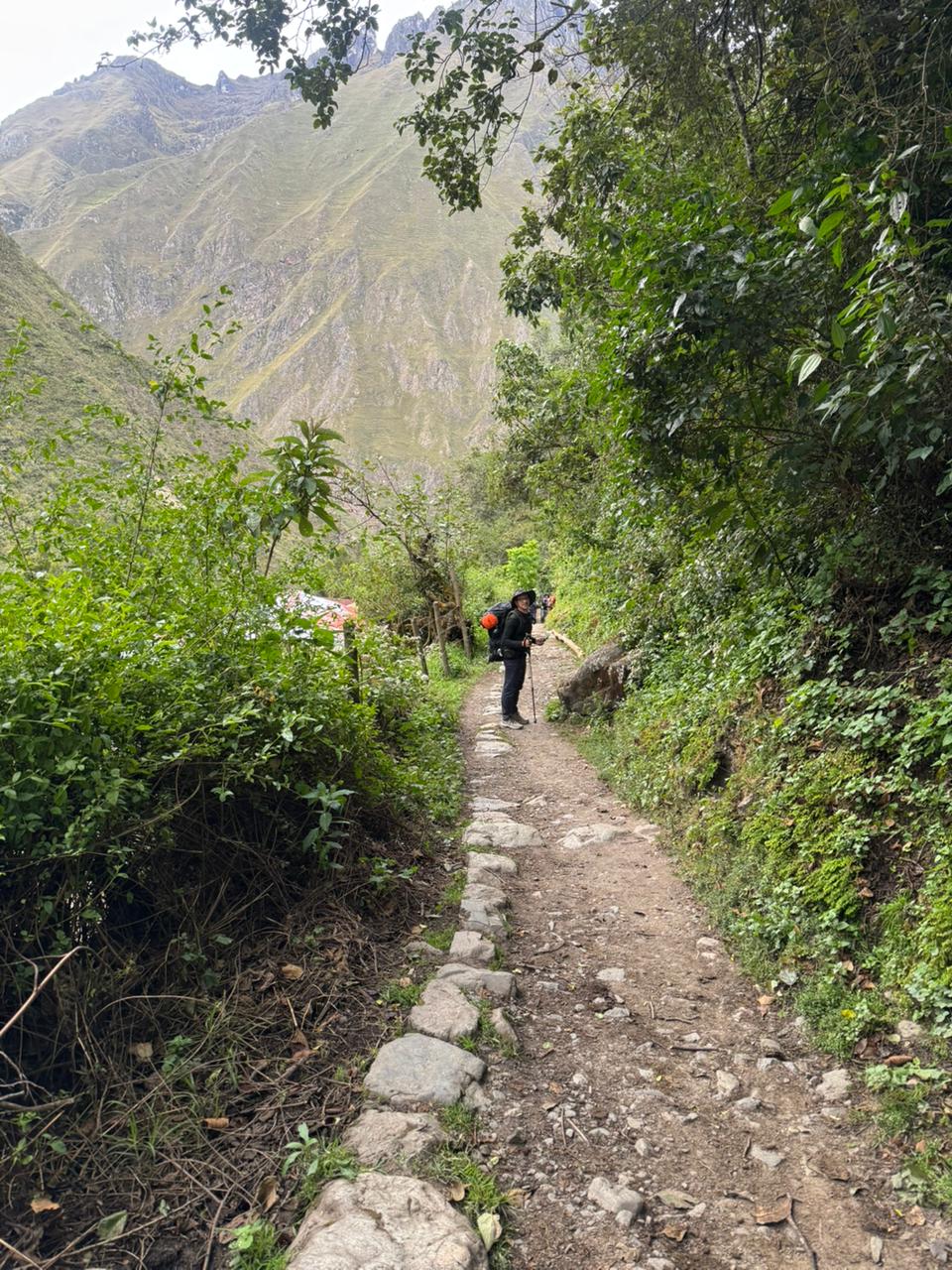
Alternative routes to the Inca Trail have gained popularity in recent years. Many travelers look for less crowded options with greater date flexibility. In addition, these routes often offer more affordable costs compared to the traditional Inca Trail.
The best-known alternatives include:
- Salkantay Trek
- Lares Route
- Inca Jungle
- Hike from Hydroelectric Station
- Short trekking route to Aguas Calientes
Each option presents different levels of difficulty and duration. Therefore, the choice depends on the traveler’s profile. Some routes include cycling or adventure activities. However, others maintain a more cultural and scenic focus.
These options also allow travelers to enjoy the Andean landscapes on the way to Machu Picchu. Travelers cross mountains, valleys, and tropical forests before reaching the Inca citadel. In addition, many routes allow visitors to observe wildlife and flora native to the Andean region.
Difficulty of the Routes to Machu Picchu
The difficulty of the routes to Machu Picchu varies depending on distance, altitude, and terrain type. Some hikes include steep ascents and long trekking days. However, other options are more accessible for people with less experience.
The Classic Inca Trail combines stone stairways and high mountain passes. The Salkantay route presents greater challenges related to altitude and low temperatures. In addition, certain alternative routes include uneven sections and rural paths.
Many travelers prepare physically before doing Trekking to Machu Picchu. In addition, it is recommended to arrive in Cusco several days before the trek. Acclimatization helps reduce the effects of altitude during the hikes. Therefore, resting and staying hydrated are important.
The factors that most influence difficulty include:
- Altitude above 4,000 meters
- Sudden temperature changes
- Long daily distances
- Uneven terrain
- Stairways and steep slopes
Because of these elements, many tour operators recommend prior training and shorter hikes before the main trip.
Best Time for Trekking in Cusco
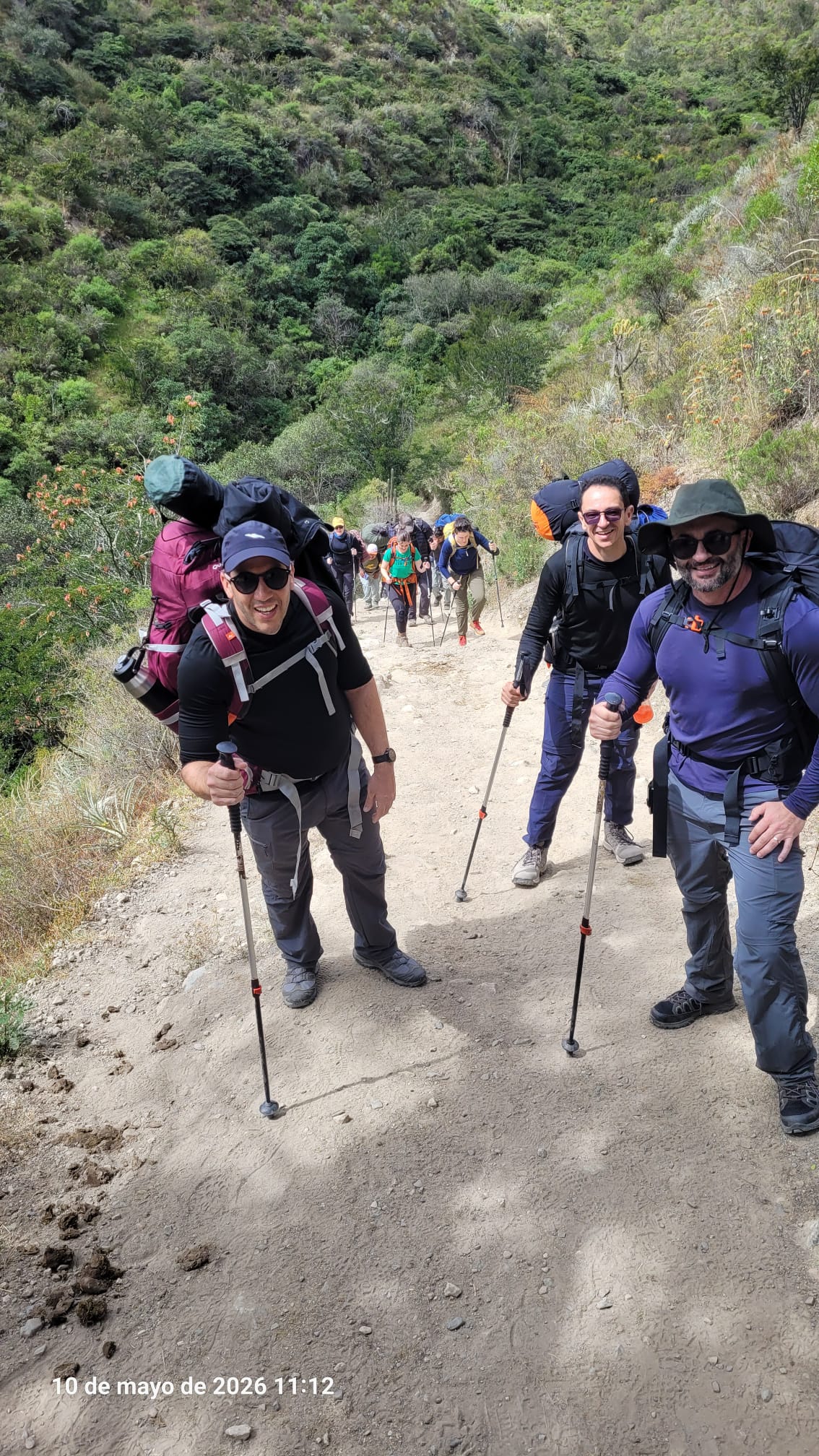
The best time for trekking in Cusco generally matches the dry season. This period takes place between May and September. During those months, there is less rainfall and the trails remain in better condition.
Many tourists prefer to do Trekking to Machu Picchu during June and July. In addition, the weather usually offers clear skies and better mountain views. However, these months also register the largest number of visitors. Therefore, prices and demand increase considerably.
The rainy season occurs between November and March. During those months, some trails may present mud and slippery areas. Because of this, certain routes require greater caution. However, the landscape becomes greener and there are fewer tourists.
The weather in the Andes changes quickly. Even during the dry season, occasional rain can occur. For this reason, it is always recommended to carry waterproof clothing and thermal layers at any time of the year.
Weather and Conditions During the Hikes
The routes for Trekking to Machu Picchu cross different ecosystems. Some areas present low temperatures and strong winds. However, other zones near the jungle offer warm and humid environments.
During the nights, temperatures may drop below freezing on high-mountain routes. In addition, solar radiation is usually intense during the day. Therefore, using sunscreen is important even on cloudy days.
Travelers should consider several weather-related factors before starting the hike:
- Possible sudden rainfall
- Rapid temperature changes
- Strong winds in elevated areas
- Humidity in jungle sections
- Intense solar radiation
These conditions are part of the adventure in the Peruvian Andes. However, proper preparation helps travelers enjoy the journey more safely and comfortably.
What to Pack for Trekking in Cusco
Many travelers wonder what equipment they need for Trekking to Machu Picchu. Proper preparation helps face weather changes and long hikes. In addition, it reduces discomfort during the journey.
The most recommended items include:
- Comfortable and durable backpack
- Waterproof trekking boots
- Thermal jacket
- Quick-dry clothing
- Rain poncho
- Sunscreen
- Hat and gloves
- Headlamp
- Reusable water bottle
- Trekking poles
In addition, many operators provide part of the equipment for the trekking campsite routes. However, certain personal items must be carried individually. Therefore, checking the packing list beforehand is important.
The weather can vary considerably during the same day. Because of this, dressing in layers helps maintain comfort during the hike. In addition, good boots reduce the risk of injuries on uneven terrain.
Hiking Experience in Peru and Andean Landscapes
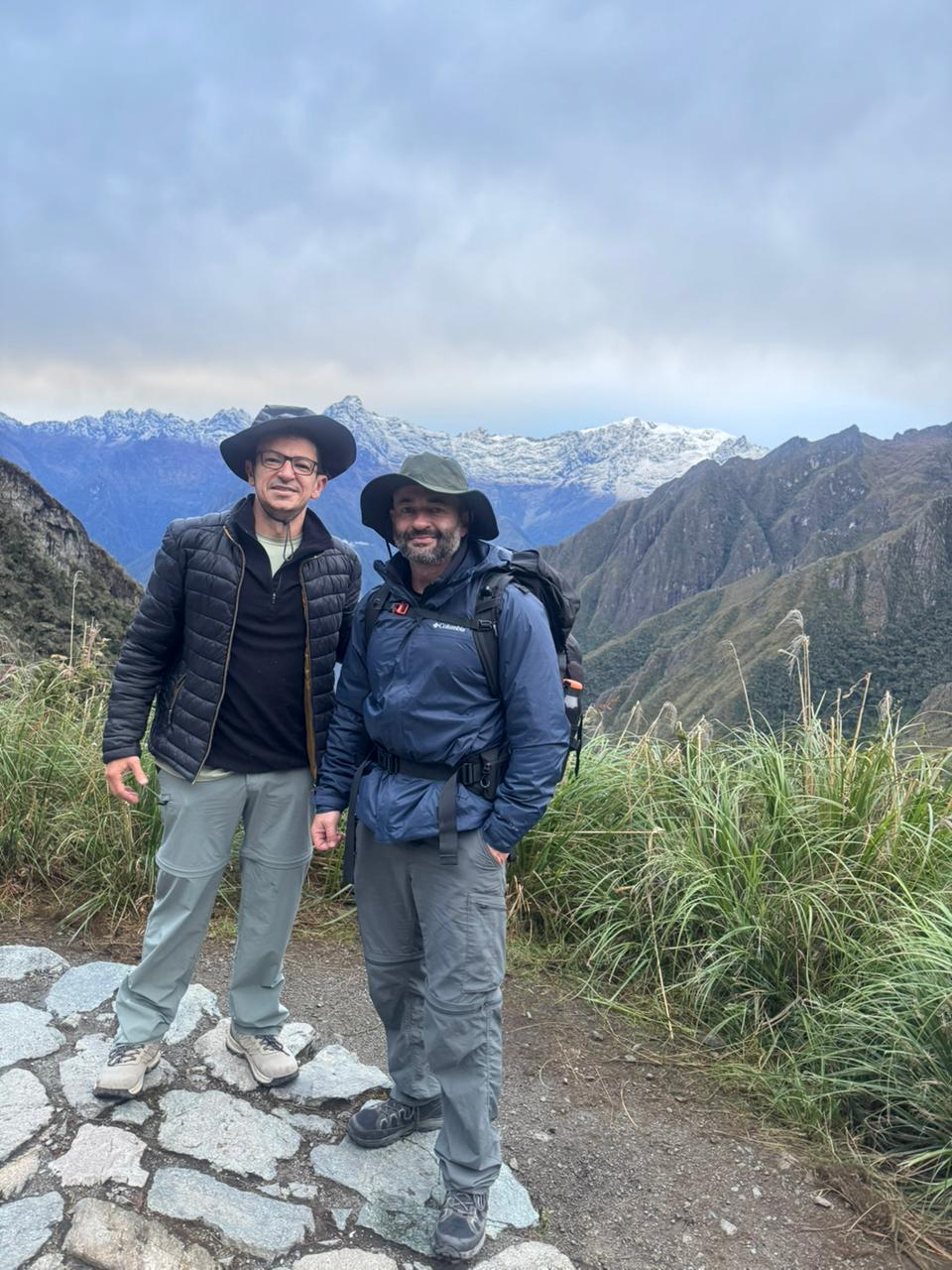
The hiking experience in Peru combines cultural heritage and mountain nature. Many routes cross ancient trails used during the Inca period. In addition, travelers observe lagoons, snow-capped mountains, and tropical forests throughout the journey.
The Andean landscapes on the way to Machu Picchu represent one of the main attractions for international tourists. Each route offers different views of the Andean territory. Some areas stand out for their snow-covered mountains, while others feature tropical vegetation and waterfalls.
Trekking to Machu Picchu also allows visitors to interact with rural communities. In certain villages, ancestral agricultural traditions are still maintained. Therefore, the journey offers both a cultural and sporting experience.
Many travelers consider these hikes a direct connection with Peruvian history and nature. In addition, the physical effort often becomes an important part of the overall experience. Because of this, trekking routes continue growing in popularity within international tourism.
Trekking Tours in Cusco and Final Planning Recommendations
Trekking tours in Cusco include different service levels and durations. Some agencies offer private hikes with specialized guides. However, there are also more affordable group options. The choice depends on the traveler’s budget and preferences.
Many operators include:
- Transportation from Cusco
- Meals during the trek
- Camping equipment
- Certified guides
- Entrance tickets to archaeological sites
- Luggage transportation
In addition, some tours combine cultural activities and additional visits. Therefore, comparing itineraries before booking is important.
Trekking to Machu Picchu requires advance planning. Especially during the high season, available spaces decrease quickly. Because of this, many travelers book several months before the trip.
It is also recommended to hire authorized services and verify recent reviews. In addition, having travel insurance provides greater peace of mind during adventure activities. Physical preparation, acclimatization, and proper equipment help travelers fully enjoy this experience in the Peruvian Andes.
Frequently Asked Questions
1. How many days are recommended for Trekking to Machu Picchu?
The duration depends on the chosen route and the traveler’s physical condition. The Classic Inca Trail normally lasts four days. However, the Salkantay Route to Machu Picchu usually requires five days. There are short hikes from Hydroelectric Station that can be completed in one or two days. Many travelers prefer longer routes because they allow better altitude adaptation. In addition, they provide more time to enjoy the Andean landscapes. It is also recommended to add extra days in Cusco before starting any trek.
2. Is it necessary to hire a guide to access the trekking routes?
Some routes require the mandatory presence of authorized guides. The Classic Inca Trail can only be done through official operators. However, other routes allow independent trekking. Many travelers prefer hiring guides because they simplify logistics and improve safety. In addition, operators usually include transportation, meals, and accommodations. Guides also explain historical and cultural aspects related to archaeological sites.
3. What fitness level is needed for Trekking to Machu Picchu?
The required fitness level depends on the selected route. Some hikes are moderate, while others present important challenges. High-mountain routes include steep ascents and long distances. Therefore, it is recommended to exercise before the trip. Walking regularly helps improve endurance during the trek. In addition, proper acclimatization reduces complications related to altitude. Beginner travelers can choose less demanding routes and shorter itineraries.
4. What is the difference between the Inca Trail and the Salkantay Route?
The Classic Inca Trail stands out for its historical value and archaeological sites. In addition, it allows direct entry through the ancient Inca gateway to Machu Picchu. The Salkantay Route to Machu Picchu focuses more on natural landscapes and snow-covered mountains. Both routes offer different experiences within the Peruvian Andes. However, Salkantay usually presents higher altitude and fewer availability restrictions. Many travelers choose according to their cultural or scenic interests.
5. Can Trekking to Machu Picchu be done during the rainy season?
Yes, many routes continue operating during the wet season. However, weather conditions change considerably between November and March. Some trails may present mud and slippery sections. Therefore, carrying waterproof clothing and proper boots is important. In addition, certain routes experience temporary closures for maintenance or safety reasons. Many travelers prefer the dry season because of the better weather conditions. Even so, the rainy season offers greener landscapes and fewer tourists.
Discover our Peru travel packages and let us organize the perfect adventure for you. Request your quote for your trip to Cusco today!