
Trekking to Machu Picchu During the Rainy Season and the Experience in the Andes
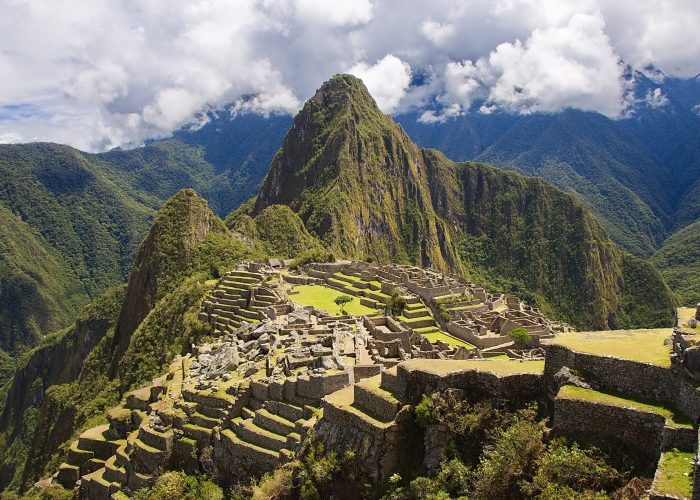
Trekking to Machu Picchu During the Rainy Season represents a different experience for travelers who want to explore the Andean landscapes with fewer visitors. During these months, the mountains around Cusco display more intense vegetation. In addition, the rivers increase their flow and create different scenery compared to the dry season. Many travelers consider that Trekking to Machu Picchu During the Rainy Season offers a closer connection with nature. However, it is important to prepare properly before starting any hike. Rain usually occurs between November and March. Therefore, planning becomes essential to maintain a safe and organized experience. Many agencies offering trekking tours to Machu Picchu continue operating during these months. In addition, several routes keep transportation services and campsites active. Weather conditions change quickly in the high Andes. Because of this, travelers need waterproof clothing, proper footwear, and previous physical preparation. The natural environment also changes considerably. The trails become greener, and the green landscapes on the way to Machu Picchu turn into one of the main attractions of the journey.
Weather in Machu Picchu During the Rainy Season and Trail Conditions
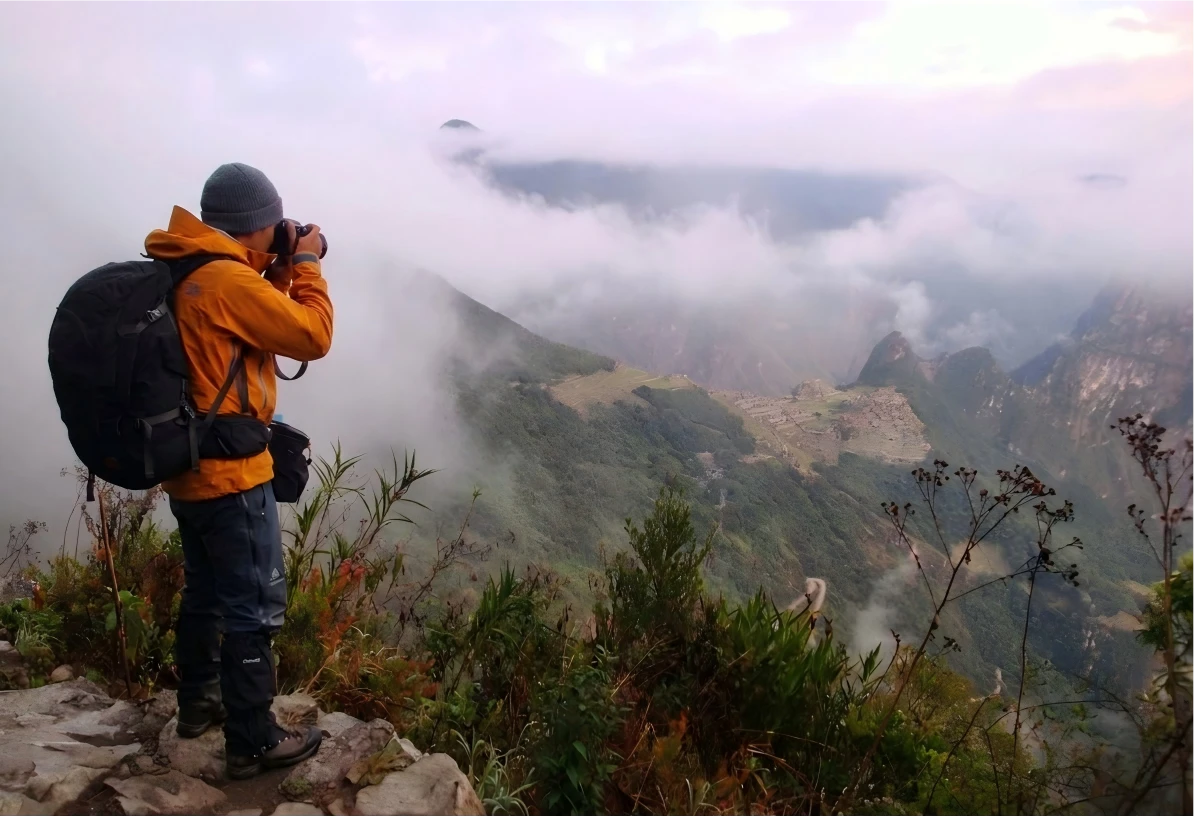
The weather in Machu Picchu during the rainy season usually brings cloudy mornings and variable rainfall during the afternoon. Temperatures change depending on altitude and the chosen route. In higher areas, the cold can feel intense during the early morning. In addition, some trails become muddy and slippery. Therefore, visitors should walk carefully. Trekking to Machu Picchu During the Rainy Season requires more attention compared to the dry season. However, many travelers prefer these months because there are fewer tourists. The trails offer a quieter and more natural atmosphere. Because of the constant humidity, some paths become slippery. Guides recommend maintaining a moderate pace and using trekking poles. In addition, backpacks should include waterproof covers. Rain can affect clothing, cameras, and electronic equipment. Many routes provide views partially covered by mist. However, the rain also allows travelers to see completely green mountains. This combination creates a different experience in the Peruvian Andes. Weather conditions also influence hiking times. Therefore, following the guide’s recommendations throughout the route becomes important.
Tips for Walking on Wet Trails
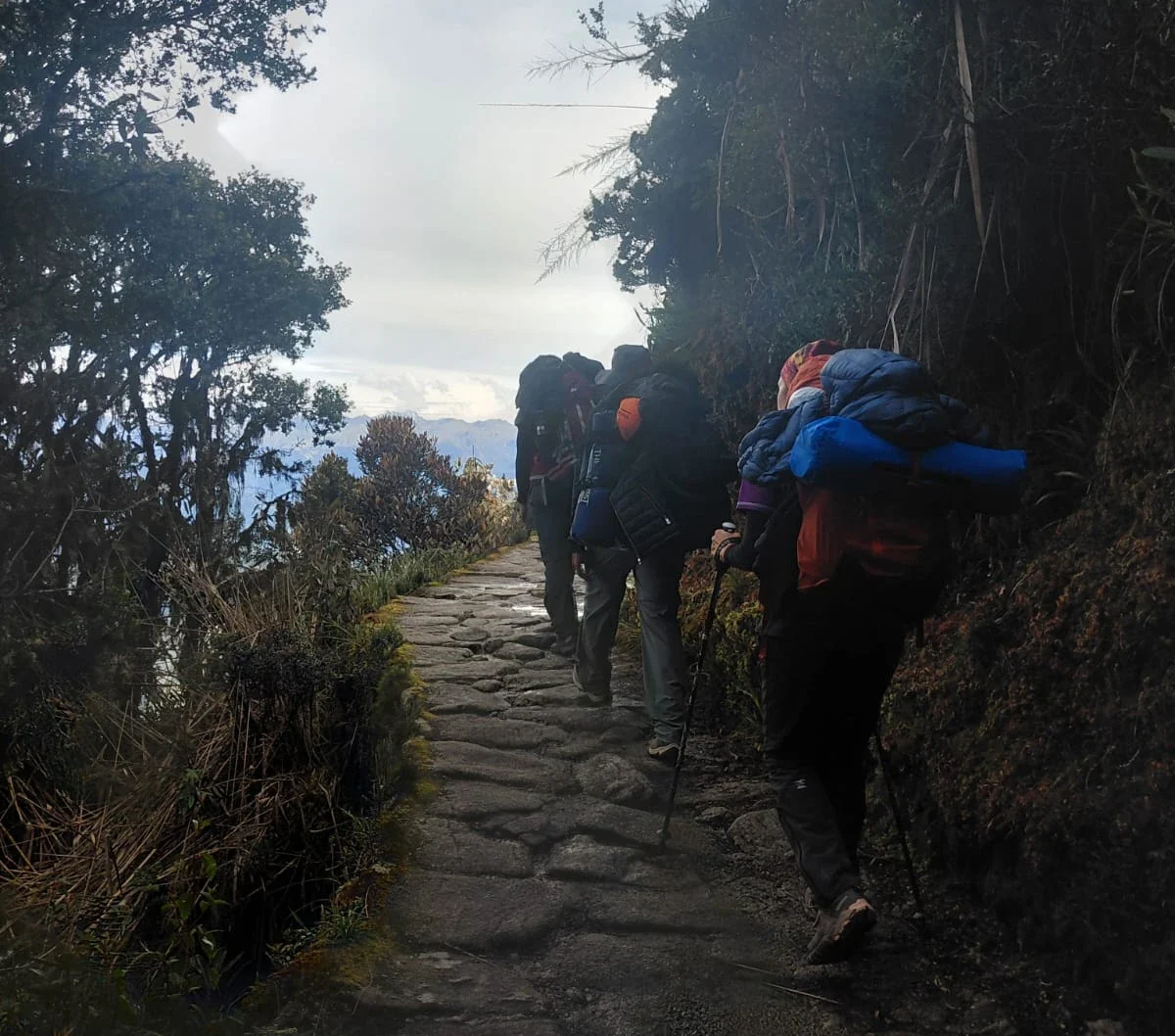
Walking on wet trails requires concentration and constant balance. Many accidents happen because of simple distractions during descents. In addition, wet rocks can become extremely slippery. Therefore, proper footwear becomes essential. Waterproof hiking boots with good traction help maintain stability. Travelers should also take short and firm steps. During Trekking to Machu Picchu During the Rainy Season, visitors should avoid running or walking too fast unnecessarily. In addition, it is important to protect documents and electronic devices inside waterproof bags. Trekking poles also provide more safety. Because of the humidity, some areas may contain deep mud. In those situations, guides usually indicate temporary alternative paths. Travelers should also stay hydrated during the journey. Even if the weather feels cold, the body continues losing fluids throughout the hike.
Salkantay Route During the Rainy Season and Other Alternatives
The Salkantay route during the rainy season remains one of the most requested options among adventurous travelers. This route connects snowy mountains, cloud forests, and tropical areas before reaching Machu Picchu. In addition, it offers varied landscapes during several days of hiking. However, rain can increase the difficulty of the route. Some sections become muddy and constantly wet. Therefore, physical preparation becomes important. The Salkantay Pass exceeds 4,600 meters above sea level. Because of this, travelers should acclimatize previously in Cusco. Trekking to Machu Picchu During the Rainy Season also includes other interesting alternatives. Many people choose less crowded routes to avoid large tourist groups. The alternative routes to Machu Picchu usually provide quieter experiences and different natural landscapes. Some include Andean communities and small rural villages. In addition, several routes cross areas with intense vegetation during the rainy season. Many agencies adjust itineraries depending on weather conditions. Therefore, travelers should stay informed before beginning the journey.
The Inca Trail During the Rainy Season and Restrictions
The Inca Trail during the rainy season continues being a very popular experience among international travelers. However, this route presents special regulations during certain months. Annual maintenance usually takes place in February. During that period, the route remains temporarily closed. In addition, rainfall increases humidity on stone stairways and trails. Therefore, the journey can become more physically demanding. Trekking to Machu Picchu During the Rainy Season through the Inca Trail requires advance planning. Permits usually sell out quickly. In addition, travelers must hire authorized agencies to complete this route. Many campsites continue providing basic services during the rainy season. However, weather conditions constantly change. Travelers should remain prepared for rain and cold at the same time. Because of this, thermal and waterproof clothing becomes essential. Despite the rain, many visitors believe the green environment improves the visual experience during the hike.
The Best Hiking Route in Cusco During the Rainy Season
Choosing the best hiking route in Cusco depends on the traveler’s experience and personal goals. Some people look for demanding multi-day routes. However, others prefer shorter and more accessible hikes. Trekking to Machu Picchu During the Rainy Season offers alternatives for different experience levels. Less crowded trails are usually quieter during these months. In addition, many routes feature landscapes covered with intense vegetation. Some hikes cross rural communities and Andean farming areas. This allows travelers to experience local culture during the journey. The choice also depends on available time and physical condition. Therefore, evaluating the difficulty before booking any tour becomes important. Some routes include steep climbs and sudden weather changes. Because of this, many travelers prefer hiring professional guides. Specialized agencies usually adapt itineraries depending on rainfall and trail conditions.
Hiking Experience in Peru and Natural Landscapes
The hiking experience in Peru changes considerably during the rainy season. Dry landscapes transform into green scenery covered with vegetation. In addition, mountains present more mist and humidity. Trekking to Machu Picchu During the Rainy Season allows travelers to observe temporary waterfalls and rivers with stronger flow. Many routes cross cloud forests filled with biodiversity. In addition, some travelers encounter fewer tourist groups on the trails. This creates a quieter and more relaxing experience. The green landscapes on the way to Machu Picchu become one of the main attractions during this time of the year. However, rain also demands greater preparation. Weather changes may happen quickly during the hike. Therefore, proper organization becomes essential for enjoying the experience safely.
What to Bring for Trekking in Machu Picchu and Recommended Equipment
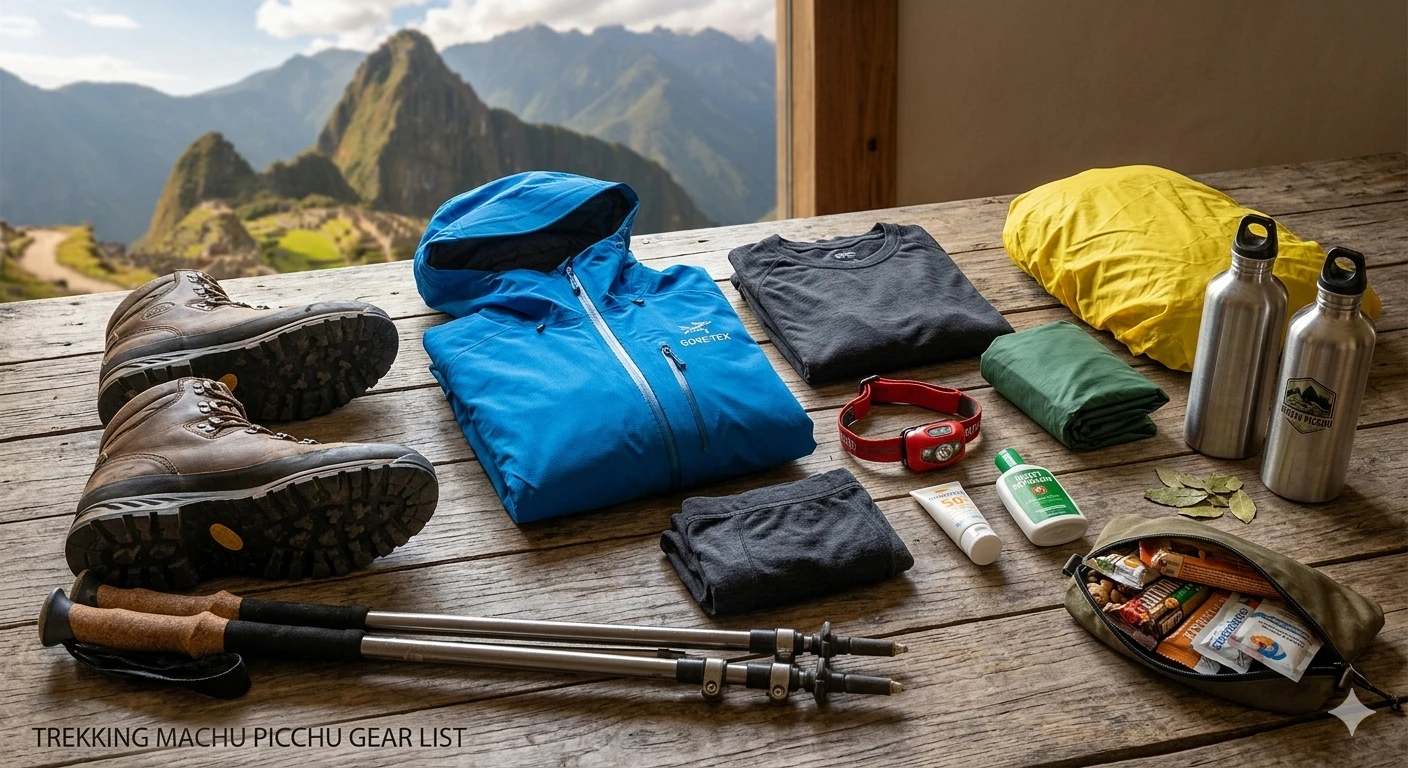
Knowing what to bring for trekking in Machu Picchu becomes essential during the rainy season. Proper equipment helps maintain comfort and safety throughout the hike. In addition, it allows travelers to face sudden temperature and humidity changes. Trekking to Machu Picchu During the Rainy Season requires lightweight, waterproof, and quick-drying clothing. Backpacks should include rain protection. In addition, boots need strong traction for walking on mud and wet rocks.
Recommended items for trekking:
- Waterproof and windproof clothing
- Hiking boots with strong traction
- Trekking poles for long hikes
- Headlamp
- Sunscreen and insect repellent
- Waterproof poncho
- Thermal clothing for cold nights
- Reusable water bottles
- Energy snacks
- Waterproof backpack cover
Many travelers also carry extra clothing inside waterproof bags. Because of constant rainfall, keeping clothes dry becomes important. In addition, long hikes require proper hydration and light meals. Guides also recommend avoiding excessively heavy backpacks. Therefore, carrying only necessary items for the journey becomes the best option.
Safe Trekking During the Rainy Season and Physical Preparation
Safe trekking during the rainy season mainly depends on physical preparation and previous organization. Many routes toward Machu Picchu include demanding climbs and uneven terrain. In addition, altitude may affect people without proper acclimatization. Trekking to Machu Picchu During the Rainy Season requires moderate endurance and gradual adaptation to altitude. Therefore, many travelers spend a few days in Cusco before starting the hike. This helps reduce discomfort related to altitude. Physical preparation for high-altitude trekking also includes cardiovascular exercises and practice hikes. In addition, resting properly before the trip becomes important. Many accidents occur because of exhaustion or lack of concentration. Because of this, guides recommend walking slowly and staying hydrated constantly. Wet routes also require extra attention during descents. Therefore, travelers should always follow the guide’s instructions.
Campsites on Trekking Routes and Weather Conditions
Campsites on trekking routes remain active during most of the rainy season. However, rainfall may modify certain camping areas depending on terrain safety. Many agencies use waterproof tents and specialized equipment for wet conditions. In addition, some campsites provide protected spaces for meals and rest. Trekking to Machu Picchu During the Rainy Season requires keeping clothes dry during the night. Temperatures decrease considerably in high-altitude zones. Therefore, thermal sleeping bags become important. Many routes include campsites surrounded by mountains and intense vegetation. This allows travelers to enjoy different natural landscapes during each day of the journey.
The Best Time for Trekking in Cusco and Tourist Seasons
The best time for trekking in Cusco depends on the type of experience each traveler seeks. The dry season offers more stable trails and clearer skies. However, the rainy season presents fewer tourists and greener landscapes. Trekking to Machu Picchu During the Rainy Season allows visitors to enjoy a natural environment different from the rest of the year. Many travelers prefer this season because of the peaceful atmosphere on the routes. In addition, the trails display abundant vegetation and mountains covered with mist. Rainfall usually concentrates between December and March. However, many hikes continue operating normally. Because of this, checking route conditions before traveling becomes important. Some agencies offer flexible itineraries during the rainy season. This helps maintain safety during periods of intense rainfall.
Trekking Tours to Machu Picchu and Available Options
Trekking tours to Machu Picchu offer different alternatives for beginner and experienced travelers. Some routes last only two days. However, others require hikes lasting five days or more. Trekking to Machu Picchu During the Rainy Season usually includes small groups and specialized guides. Many agencies provide additional equipment for wet conditions. In addition, some tours include transportation, meals, and organized campsites. This simplifies logistics for international travelers. The most popular routes continue operating during most of the year. However, weather conditions may temporarily modify certain itineraries. Therefore, booking with reliable and authorized agencies becomes highly recommended. Many travelers also combine trekking with cultural visits in Cusco and the Sacred Valley. This allows visitors to make better use of their journey through the Peruvian Andes.

Frequently Asked Questions
1. How long does an alternative trekking route to Machu Picchu usually take?
The duration depends on the chosen route and the traveler’s physical condition. Some hikes last two days. However, other routes require between four and five full days. Longer routes usually include campsites and higher-altitude climbs. In addition, rainfall may slightly increase hiking times. Many agencies offer different difficulty levels to adapt to different travelers.
2. Is it recommended to travel with children during the rainy season?
Traveling with children may be possible on shorter and less demanding routes. However, evaluating the age and physical condition of each child becomes important. Rainfall creates wet trails and cold temperatures in higher areas. In addition, some routes include steep ascents. Therefore, many families choose easier hikes with organized services.
3. Does the rainy season affect access to Machu Picchu?
Access to Machu Picchu generally continues operating during the rainy season. However, intense rainfall may create temporary delays on certain roads or train services. In addition, some trekking routes may modify itineraries for safety reasons. Local authorities constantly monitor weather conditions in the region.
4. What physical level is needed for trekking during the rainy season?
Most routes require moderate endurance and adaptation to altitude. In addition, rainfall increases the difficulty because of mud and constant humidity. Many travelers complete practice hikes before the trip to improve physical condition. It is also recommended to acclimatize in Cusco for a few days before beginning the trek.
5. Do alternative routes have fewer tourists than the Inca Trail?
Many alternative routes receive fewer visitors throughout the year. This allows travelers to enjoy quieter hikes and closer contact with nature. In addition, some trails cross rural communities and less crowded landscapes. During the rainy season, the number of tourists usually decreases even more.
Discover our Peru travel packages and let us organize the perfect adventure for you. Request your quote for your trip to Cusco today!