
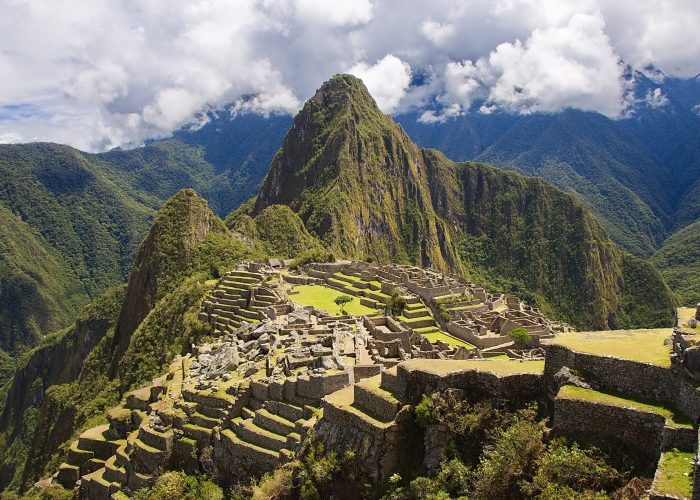
How to Get to Choquequirao is one of the main questions among travelers who want to visit one of the most important archaeological complexes in Peru. Located in a mountainous area of the Cusco region, this Inca site lies far from the most crowded tourist routes. Therefore, reaching this destination requires planning, physical endurance, and knowledge of the route. Unlike other archaeological attractions, access to Choquequirao is only possible through a multi-day hike. In addition, the journey crosses deep canyons, ancestral trails, and Andean landscapes that are part of the experience. Understanding the details of the route helps travelers organize their trip more effectively and avoid setbacks during the adventure. Proper preparation is essential to enjoy every stage of the journey and make the most of this important legacy of the Inca civilization.
Location and Characteristics of Choquequirao
Choquequirao is located in the province of La Convención, within the Cusco region. The archaeological complex was built on a mountainside overlooking the Apurímac River valley. Its strategic location allowed it to control important communication routes during the Inca period.
The site covers a considerable area. However, only part of it has been excavated and restored. Archaeological studies indicate that the complex served administrative, ceremonial, and agricultural functions. In addition, its terraces, plazas, and structures display architectural features similar to those found in other important Inca centers.
The altitude of Choquequirao reaches approximately 3,050 meters (10,006 feet) above sea level. This elevation directly affects weather conditions and the physical effort required during the visit. Therefore, many travelers consider it essential to acclimatize in the city of Cusco before starting the hike.

How to Get to Choquequirao from Cusco
The most common way of understanding How to Get to Choquequirao is by traveling from Cusco to the district of Cachora or to the area of Capuliyoc, the traditional starting point of the trek. The road distance from Cusco is close to 150 kilometers (93 miles), depending on the route taken.
The overland journey usually takes between four and five hours. Along the way, travelers pass through Andean towns and mountainous areas that offer panoramic views of the region. Once in Capuliyoc, the hike to the archaeological complex begins.
Many travelers choose a Choquequirao tour from Cusco because these services include transportation, meals, logistical support, and specialized guides. However, it is also possible to complete the route independently. In both cases, careful planning is important, especially during the rainy season.
Trekking Route to Choquequirao
The most popular trekking route to Choquequirao begins in Capuliyoc and continues downhill toward Chiquisca. The trail then reaches Playa Rosalina, located beside the Apurímac River. From there, the most demanding ascent begins toward Marampata, one of the main rest areas before reaching the archaeological site.
The route crosses several ecological zones. In addition, it allows hikers to observe constant changes in vegetation and weather conditions. The trails combine stone paths, dirt tracks, and ancient routes that have been used for centuries by local communities.
For those seeking detailed information about How to Get to Choquequirao, understanding each stage of the journey is essential. This makes it easier to distribute physical effort and organize rest periods throughout the trek.
Distance of the Choquequirao Hike
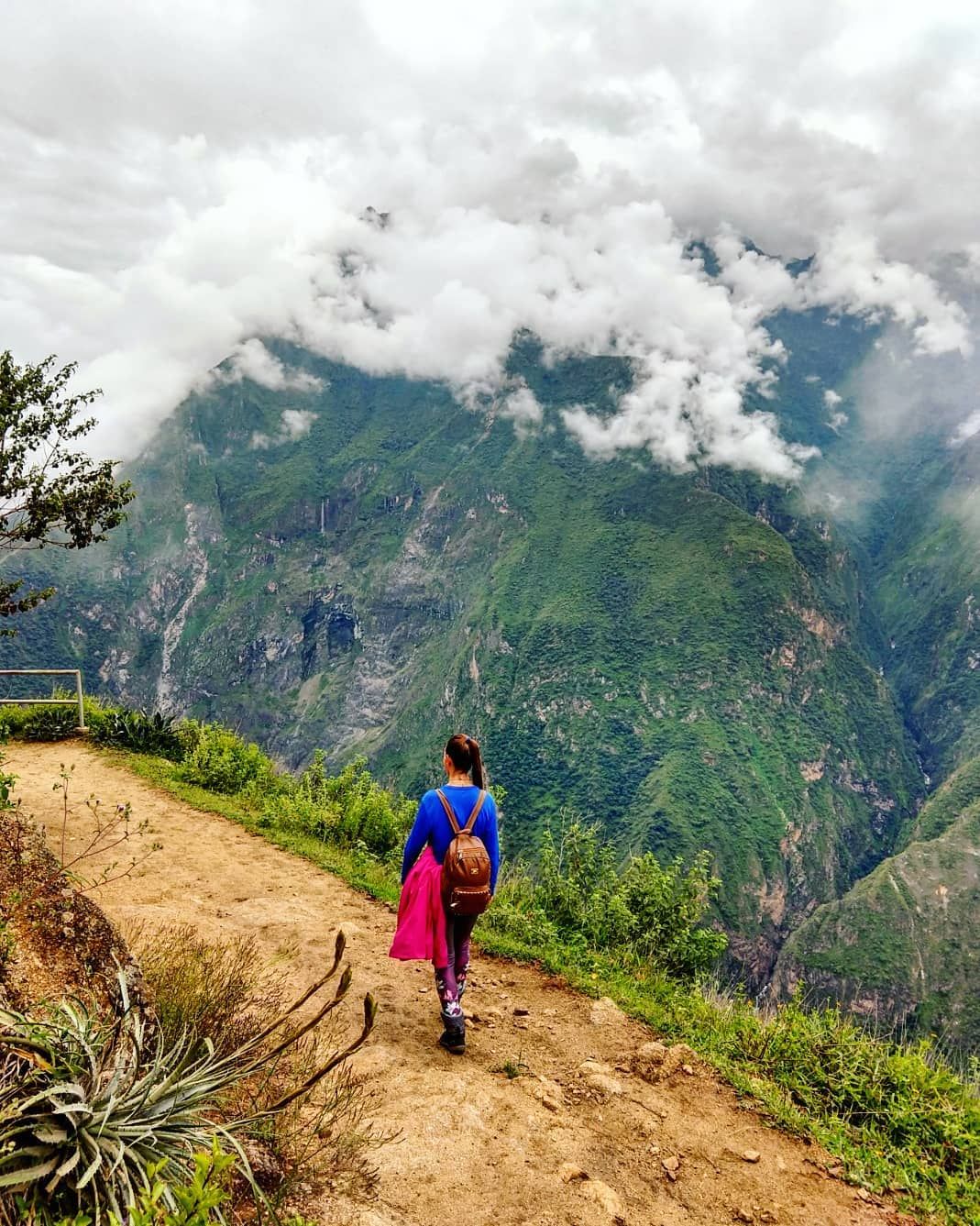
The distance of the Choquequirao hike varies depending on the chosen itinerary. The classic round-trip route usually exceeds 60 kilometers (37 miles) in total. However, some programs extend the journey to less-visited areas or combine the hike with other regional routes.
The greatest challenge is not only the distance. In addition, the constant descents and ascents create significant physical demands. For this reason, many hikers consider the cumulative elevation gain and loss to be the most challenging aspect of the route.
How Long the Choquequirao Trek Takes
One of the most common questions related to How to Get to Choquequirao concerns the duration of the trip. The traditional itinerary is usually completed in four days and three nights. However, there are five-day programs that allow more time to explore different areas of the complex.
The first day typically includes transportation from Cusco and the initial hike. The second day is usually dedicated to entering and exploring Choquequirao. Afterward, travelers begin the return journey along the same route.
The answer to how long the Choquequirao trek takes also depends on the group’s pace, weather conditions, and the physical fitness of each participant. Therefore, it is advisable to reserve extra time within the overall travel itinerary.
Difficulty of the Choquequirao Hike
The difficulty of the Choquequirao hike is generally considered moderate to challenging. Although the route does not involve technical climbing sections, the long days of ascending and descending require good physical endurance.
The section between Playa Rosalina and Marampata is often identified as the most demanding. For several hours, hikers must overcome a significant elevation gain while following mountain trails. In addition, high temperatures in certain sections can increase the level of effort required.
People with previous trekking experience usually adapt better to the route. However, even experienced hikers should maintain proper hydration and carefully manage their energy throughout each day.
Physical Preparation for Choquequirao
Physical preparation for Choquequirao should begin several weeks before the trip. Cardiovascular exercises help improve the endurance needed to complete long hikes in mountainous terrain.
The most recommended activities include:
- Long hikes on inclined terrain.
- Hiking at higher elevations.
- Endurance cycling.
- Leg-strengthening workouts.
- Balance and stability exercises.
In addition, hiking with a backpack helps the body adapt to real trekking conditions. This preparation contributes significantly to a more enjoyable experience.
Best Time to Visit Choquequirao
The best time to visit Choquequirao generally coincides with the dry season in the Peruvian Andes. This period usually extends from April through October. During these months, rainfall decreases and trail conditions improve.
Visibility is also usually better. As a result, travelers can enjoy clearer views of the mountain scenery and archaeological structures.
However, the dry season attracts more visitors. Therefore, some travelers prefer the shoulder months for a quieter experience. Regardless of the chosen date, it is always important to check weather conditions before beginning the trek.
Weather in Choquequirao
The weather in Choquequirao can vary considerably throughout a single day. Mornings are often pleasant, while nights can be cold due to the altitude.
Rainfall is more common between November and March. During this period, trails may become slippery and certain sections require extra caution. In addition, humidity increases the perception of physical effort during the hike.
For this reason, anyone researching How to Get to Choquequirao should consider weather conditions as a key factor when planning the trip.
Choquequirao Entrance Ticket and Logistics
The Choquequirao entrance ticket is one of the expenses required to visit the archaeological complex. Visitors must obtain the appropriate admission ticket before or during the journey, according to current regulations established by the responsible authorities.
In addition to admission fees, travelers should consider other logistical aspects. These include ground transportation, food, camping equipment, and specialized services when necessary.
Many hikers choose to hire authorized guides. This decision helps them better understand the site’s history and facilitates overall trip organization. Likewise, guides provide valuable information regarding safety and trail conditions.
Campsites in Choquequirao
Campsites in Choquequirao are an essential part of the experience. Most itineraries use designated camping areas located at strategic points along the route.
The most commonly used campsites include:
- Chiquisca.
- Playa Rosalina.
- Santa Rosa.
- Marampata.
Each location offers different characteristics related to altitude, weather, and the availability of basic services. Some areas provide larger spaces for tents, while others function mainly as temporary rest stops.
Choosing the right campsite directly affects comfort and physical recovery during the trek.
What to Bring to Choquequirao
Knowing what to bring to Choquequirao helps reduce risks and improves the overall trekking experience. Due to changing weather conditions, it is important to prepare gear in advance.
The most recommended items include:
- A comfortable and durable backpack.
- Lightweight clothing for daytime.
- Warm clothing for nighttime.
- A waterproof jacket.
- Trekking boots.
- Hiking poles.
- Sunscreen.
- A hat or cap.
- A headlamp.
- A reusable water bottle.
- Personal medications.
- Insect repellent.
In addition, waterproof bags are useful for protecting documents and electronic devices from rain.
Complete Choquequirao Tour
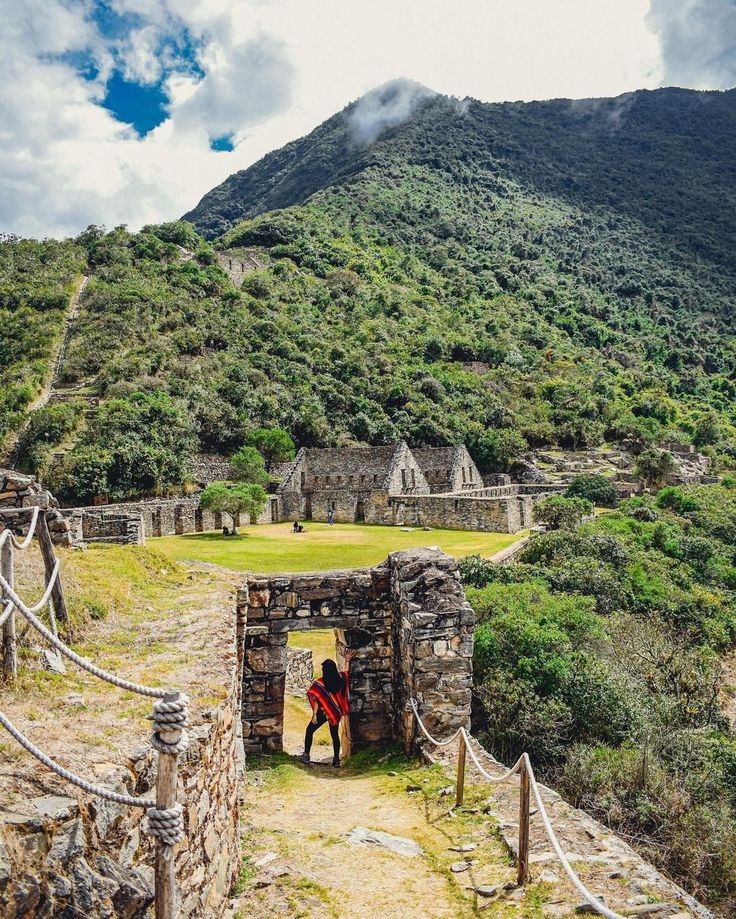
The complete Choquequirao tour allows visitors to explore different archaeological sectors spread across extensive terraces and platforms. Travelers usually visit ceremonial plazas, water channels, residential structures, and agricultural systems built during the Inca period.
One of the most notable sectors features terraces decorated with llama figures created using light-colored stones embedded into the walls. These representations are among the most recognizable elements of the site.
Exploring the entire complex requires several hours. Therefore, many groups dedicate a full day to visiting the main archaeological sectors. This approach allows visitors to appreciate architectural details and better understand the site’s historical importance.
Guide to Visiting Choquequirao Safely
A proper guide to visiting Choquequirao should consider health, logistics, and environmental conditions. Advance planning is essential to reduce risks throughout the journey.
The main recommendations include:
- Stay properly hydrated.
- Maintain a steady walking pace.
- Respect rest periods.
- Use sun protection daily.
- Follow marked trails.
- Check trail conditions in advance.
- Hire authorized services when necessary.
In addition, travelers researching How to Get to Choquequirao should spend several days acclimatizing in Cusco before beginning the trek. This helps reduce the effects of altitude and promotes better adaptation to physical exertion.

Tips for the Choquequirao Trek
The best tips for the Choquequirao trek focus on preparation and proper energy management. Many common challenges can be avoided through responsible planning.
Important recommendations include:
- Begin physical training well in advance.
- Allow enough time for acclimatization.
- Carry only necessary equipment.
- Eat energy-rich foods during the hike.
- Check the weather forecast before departure.
- Use footwear that has already been broken in.
- Remain flexible when weather conditions change.
Following these recommendations makes the experience significantly easier. In addition, it allows travelers to enjoy every stage of the journey to this important archaeological site in the Peruvian Andes.
Is It Necessary to Hire a Guide to Visit Choquequirao?
Although the route can be completed independently, many travelers prefer hiring a specialized guide. The presence of a professional makes it easier to understand the historical significance of the archaeological complex. In addition, guides provide detailed information about the region’s flora, fauna, and geography. They also assist with logistical coordination throughout the trek. This is especially useful for first-time visitors or people with limited experience on multi-day hiking routes.
Are Food Services Available Along the Trek?
Service availability is limited along the route. Some sections feature small facilities operated by local residents. However, availability may vary depending on the season. For this reason, many hikers carry part of their own food supplies. Organized tours usually include cooks and support staff. This helps ensure adequate meals throughout the entire trek.
How Much Money Is Needed for the Trek?
The budget depends on the type of trip selected. An independent trek generally involves lower costs. However, transportation, meals, and equipment must be arranged individually. Complete tour packages include various services and offer greater convenience. In addition, prices may vary depending on the travel season and the duration of the chosen itinerary.
Is It Possible to Visit Choquequirao During the Rainy Season?
Yes, the trek can be completed during the rainy season. However, trail conditions are generally more demanding. Rain can create slippery sections and increase travel times. Therefore, carrying waterproof gear and checking trail conditions before departure are important precautions. With proper preparation, the experience can still be very rewarding.
What Makes Choquequirao Different from Other Inca Archaeological Sites?
One of the main attractions of Choquequirao is its relatively low number of visitors. In addition, a large portion of the site remains under archaeological investigation. Access exclusively through trekking helps preserve the natural environment. As a result, visitors enjoy an experience focused more on nature, history, and adventure compared to more heavily visited archaeological destinations.
Discover our travel packages to Peru and let us organize the perfect adventure for you. Request your quote for your trip to Cusco today!