
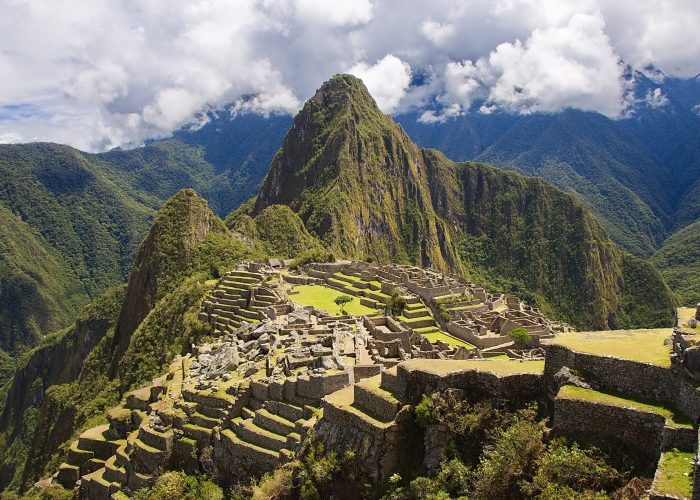
The Best Time to Visit Manu depends on each traveler’s goals. Some people seek the highest possible amount of wildlife. Others prefer more accessible trails or stable weather conditions. However, the Best Time to Visit Manu is usually associated with the months that combine good accessibility, abundant animal activity, and better exploration opportunities. The Manu Amazon rainforest is home to one of the most important biological concentrations on the planet. Therefore, any time of the year offers valuable experiences. However, seasonal variations influence the behavior of many species. In addition, they affect navigation conditions, hiking opportunities, and wildlife observation. Understanding these differences allows travelers to better plan a trip to Manu National Park and make the most of every day within this extraordinary natural destination in Peru.
Importance of Choosing the Best Time to Visit Manu
Manu National Park protects a vast area of tropical forests located between the Andes and the Peruvian Amazon. This geographical position creates a diversity of environments that is difficult to find elsewhere. The biodiversity of Manu National Park includes thousands of species of plants, birds, mammals, reptiles, amphibians, and insects. In addition, differences in altitude create favorable conditions for highly varied ecosystems. Because of these characteristics, each season offers different opportunities for visitors. The Best Time to Visit Manu does not always mean a complete absence of rainfall. In many cases, certain animals are more active during wetter periods. However, access conditions often improve when rainfall decreases. Therefore, it is important to understand how climate, vegetation, and wildlife activity change throughout the year in order to make the right decision.
Climate in Manu National Park and Seasonal Variations
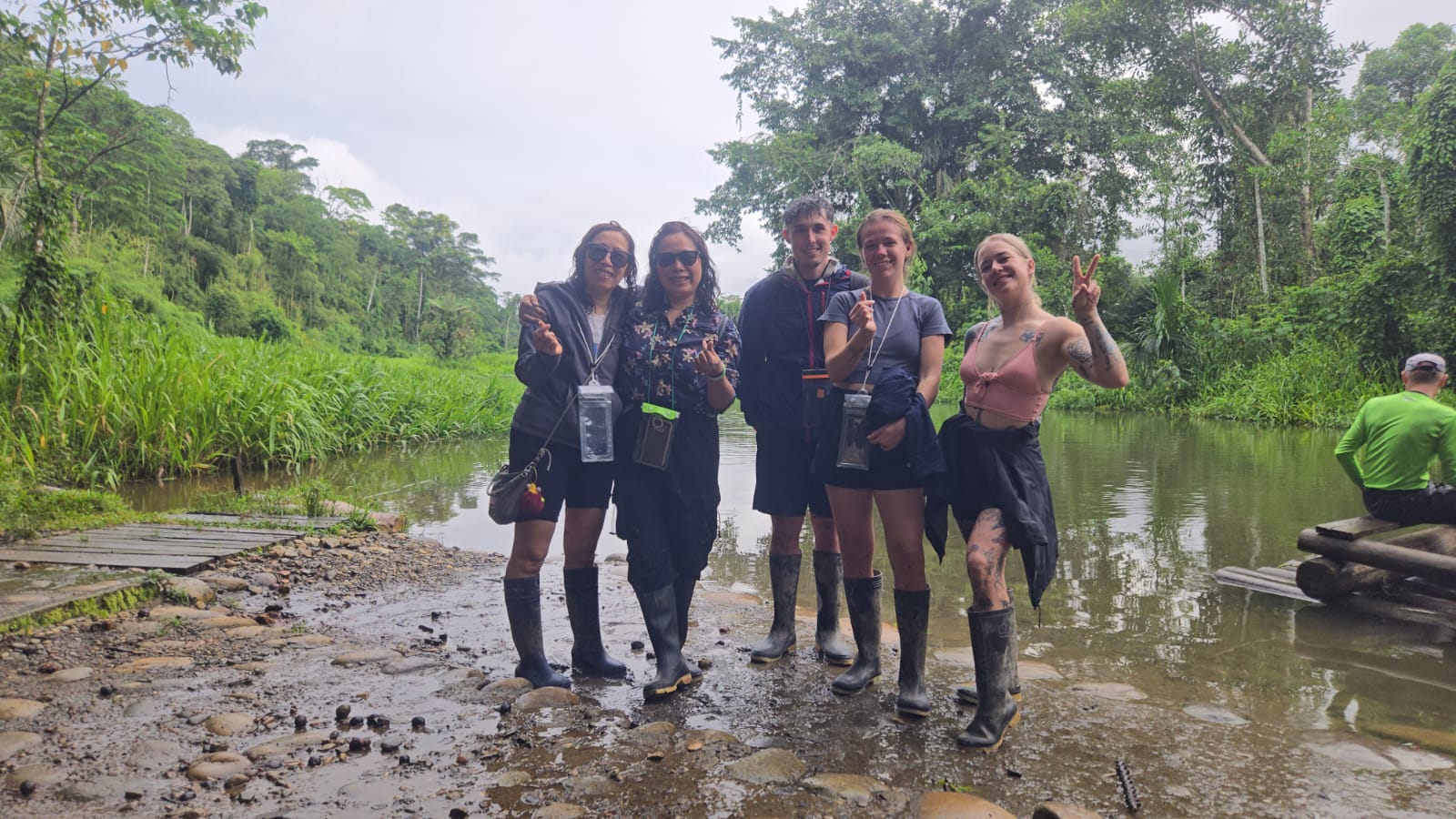
The climate in Manu National Park is influenced by its Amazonian location and the presence of different altitude levels. As a result, conditions can vary considerably between the highlands and the lowland rainforest. Temperatures generally remain warm throughout much of the territory. However, humidity stays high year-round. In addition, there are two main periods that influence the visitor experience. These correspond to the rainy season in Manu and the dry season in Manu. Although no season is completely predictable, these trends help travelers plan specific activities. Rainfall levels affect river conditions, trail accessibility, and the visibility of certain animals. Therefore, understanding climate patterns is essential for organizing a successful trip.
Rainy Season in Manu
The rainy season in Manu usually takes place between November and March. During these months, rainfall becomes more frequent and abundant. The forests display dense vegetation, and rivers reach higher levels. In addition, many species find ideal conditions for feeding and reproduction. This situation favors certain specific wildlife sightings. However, some trails may become slippery or temporarily restricted. Due to rainfall, travel times can increase. Even so, many visitors enjoy the lush landscapes that characterize this period. The presence of water also facilitates navigation in certain sectors. Therefore, travelers seeking an experience focused on the natural dynamics of the rainforest may find significant advantages during these months.
Dry Season in Manu
The dry season in Manu generally extends from April to October. During this period, rainfall decreases and access conditions improve. In addition, trails are usually in better condition for hiking. Many tour operators consider these months ideal for wildlife observation. Reduced vegetation density makes it easier to spot animals in several areas. Likewise, visitors can enjoy longer excursions with fewer weather-related interruptions. Although rainfall can still occur, it is usually less persistent. Therefore, the Best Time to Visit Manu is often associated with this season because of the favorable conditions for exploration.
Biodiversity of Manu National Park and Ecological Richness
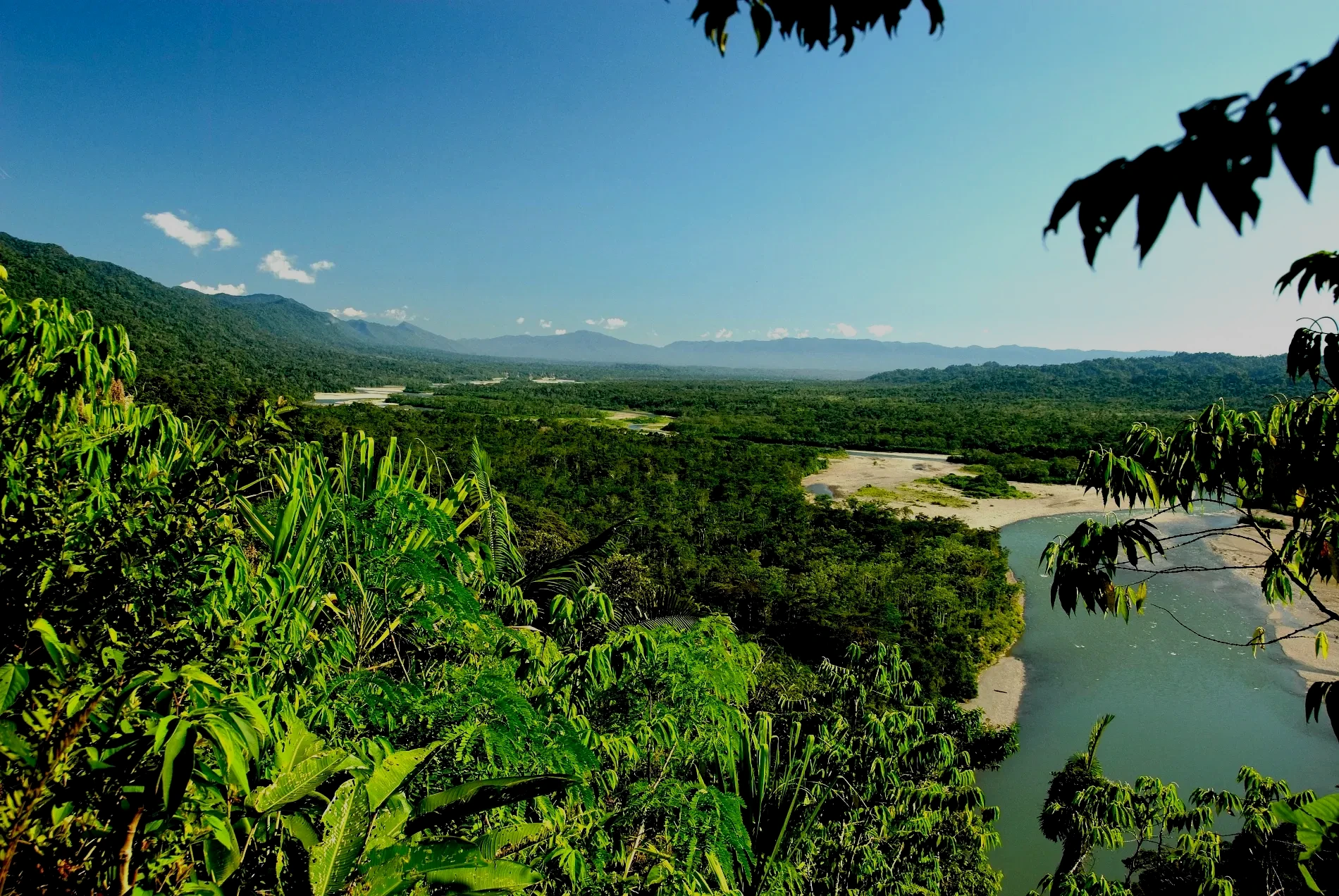
The biodiversity of Manu National Park is internationally recognized for its extraordinary scope. This territory protects an impressive variety of species distributed across multiple habitats. In addition, it includes everything from Andean cloud forests to extensive Amazonian rainforest areas. This combination supports the presence of organisms adapted to different environmental conditions. Scientists have documented a remarkable number of birds, mammals, reptiles, and amphibians. Likewise, the diversity of plant life is exceptional. The flora of Manu includes giant trees, palms, vines, orchids, and numerous medicinal plants. Because of this biological richness, the park is one of the most important destinations for researchers and nature observers. Therefore, selecting the Best Time to Visit Manu can significantly increase the chances of witnessing this diversity in action.
Manu Ecosystems and Their Influence on Wildlife
The ecosystems of Manu include a wide range of interconnected environments. Each one provides shelter and food for specific species. Mountain areas host wildlife that differs from what is found in the lowland rainforest. In addition, altitude changes create microclimates that support high biological specialization. This diversity of environments explains the large number of species recorded within the park. The distribution of animals also changes according to water and food availability. Therefore, the chosen season can influence the locations where certain species are easier to observe.
Wildlife Observation in Manu Throughout the Year
Wildlife observation in Manu is one of the main reasons people visit this Amazonian region. Animal activity varies according to climate conditions and resource availability. During the dry months, many animals gather near permanent water sources. This makes encounters easier for visitors. In addition, trails offer better conditions for reaching remote areas. However, some species become more active during wetter periods. For this reason, the Best Time to Visit Manu may vary depending on the species travelers hope to see. In any case, the existing diversity makes wildlife encounters possible year-round. Patience and the support of experienced guides usually increase the chances of success considerably.
Animals of Manu Peru Most Sought by Visitors
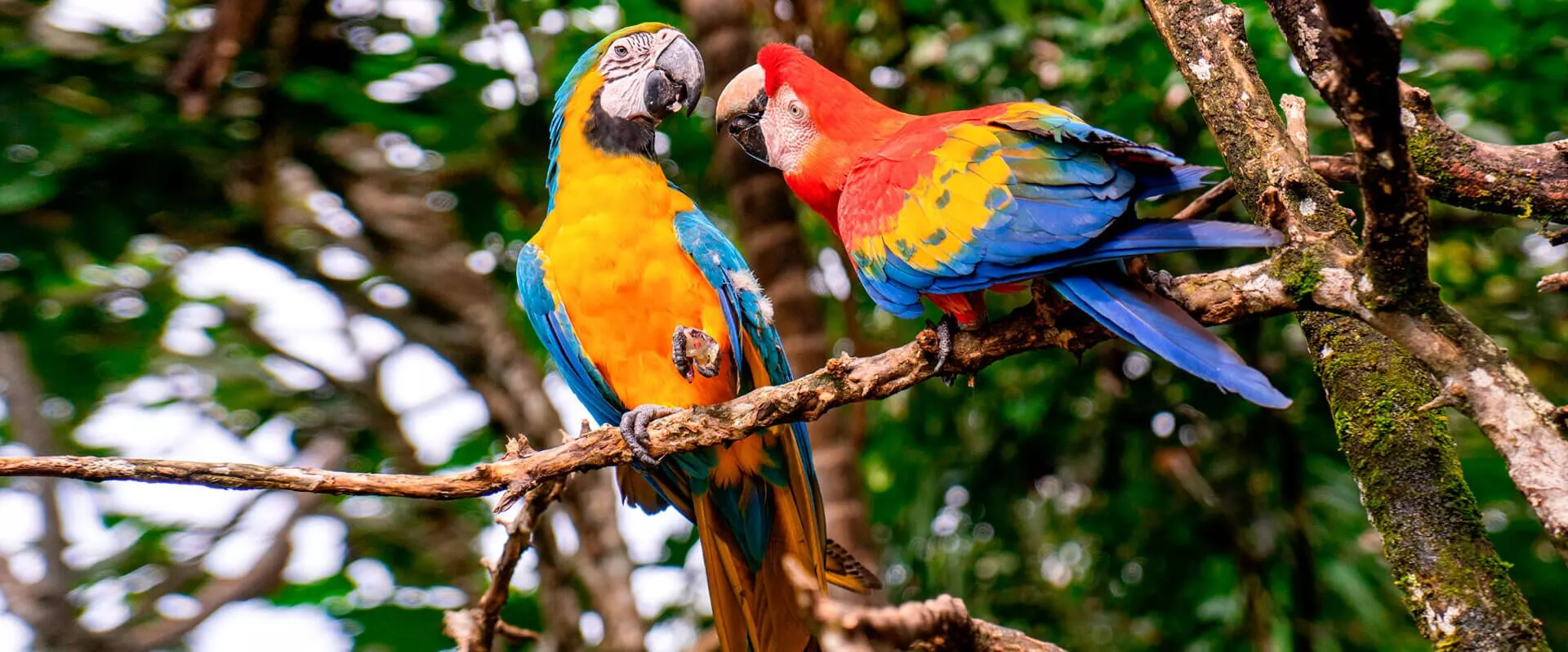
The animals of Manu Peru attract travelers from around the world. Among the most commonly observed are several species of monkeys, macaws, toucans, giant otters, and caimans. In addition, some visitors hope to find tracks or signs of large Amazonian cats. The monkeys in Manu can often be observed in different parts of the forest. Many species move actively during the early morning hours. Likewise, clay licks represent strategic locations for observing birds and mammals. During the dry season in Manu, some sightings become easier because of reduced vegetation density. However, every season presents unique opportunities to discover the extraordinary richness of Amazonian wildlife.

Birdwatching in Manu and Recommended Seasons
Birdwatching in Manu is internationally recognized. The park hosts one of the highest concentrations of bird species recorded in tropical protected areas. This richness makes the destination a reference point for both specialized birders and enthusiasts. Many species can be observed throughout the year. However, weather conditions influence visibility and movement within the forest. During the dry season in Manu, excursions are often more comfortable. In addition, the early morning hours provide excellent opportunities to observe intense bird activity. Therefore, many birdwatchers consider this period especially favorable. The Best Time to Visit Manu for those focused on birds usually coincides with the months of lower rainfall.
Best Months to See Animals in Manu
The best months to see animals in Manu are generally between May and September. During this period, conditions tend to be more stable for tourism activities. In addition, reduced rainfall improves access to different areas of the park. Many animals move near water sources that are visible to visitors. Likewise, trails allow for longer excursions. Although sightings can never be guaranteed, the chances often increase during these months. For this reason, many specialists consider this interval the Best Time to Visit Manu when the main goal is wildlife observation. However, the area’s biological richness allows for interesting encounters at any time of year.
Flora of Manu and Amazonian Landscapes by Season
The flora of Manu experiences noticeable changes throughout the year. During the rainy season, vegetation grows intensely. In addition, many plants produce flowers and fruits that attract numerous animal species. This abundance of resources generates significant ecological activity. On the other hand, during the drier months, some areas offer better visibility for observing the forest. Visitors can better appreciate vegetation structure and wildlife movements. The combination of flora and fauna is one of the park’s main attractions. Therefore, the Best Time to Visit Manu will also depend on the type of natural experience each traveler wishes to enjoy.
Manu Tours from Cusco and Trip Planning
Manu tours from Cusco are the most common way to access this protected region. Most itineraries combine ground transportation with river navigation. In addition, they allow travelers to experience different ecological zones during the journey. Tour operators usually adapt their programs according to the season. During the dry season in Manu, overland travel is generally easier. However, the rainy season in Manu also offers attractive experiences for those seeking greener landscapes and fewer tourists. The duration of tours varies considerably. There are short programs as well as longer expeditions focused on specialized wildlife observation. Therefore, planning ahead helps travelers choose the most suitable dates according to their interests.
Recommendations for a Trip to Manu National Park
Before taking a trip to Manu National Park, it is advisable to consider several practical aspects:
- Book in advance during the busiest months.
- Bring lightweight and quick-drying clothing.
- Use insect repellent suitable for tropical environments.
- Protect electronic equipment from humidity.
- Maintain realistic expectations regarding wildlife sightings.
- Always follow the instructions of authorized guides.
- Carry binoculars to improve wildlife observation.
- Choose operators with experience in the region.
These measures contribute to a safer and more comfortable experience. In addition, they allow visitors to fully enjoy the nature and wildlife of Manu.
Nature and Wildlife of Manu Throughout the Year
The nature and wildlife of Manu remain active during every season. Each period presents unique characteristics that enrich the visitor experience. The abundance of species makes the park an exceptional destination for nature tourism. In addition, the combination of Andean and Amazonian forests creates a diversity that is difficult to match. The Best Time to Visit Manu is often associated with the dry months because of accessibility and ease of wildlife observation. However, the rainy season also reveals important ecological processes. Therefore, the final choice depends on personal preferences. The most important aspect is understanding that any visit allows travelers to appreciate a significant portion of the natural richness that distinguishes this protected area of Peru.
Frequently Asked Questions
1. How many days are recommended to properly explore Manu?
The ideal duration depends on the area travelers wish to visit. Short programs provide a general introduction to the rainforest. However, tours lasting five to seven days offer better opportunities for wildlife observation and exploration of different ecosystems. Longer trips allow access to more remote sectors. In addition, they increase the chances of encountering species that are more difficult to observe. Many travelers consider one week an appropriate balance between available time and the overall experience.
2. Is previous nature experience necessary?
No specialized experience is required. Most tours are designed for travelers without technical knowledge. Guides provide continuous assistance during activities. In addition, they adapt the pace of excursions according to group characteristics. Even so, maintaining a basic level of physical fitness is recommended to comfortably participate in hikes and travel within tropical environments.
3. What photography equipment is most useful for Manu?
Cameras equipped with telephoto lenses often provide the best results for photographing distant wildlife. In addition, binoculars help locate animals before taking pictures. Due to the humid environment, it is important to use waterproof bags to protect equipment. Carrying extra batteries is also advisable. Electricity availability may vary depending on the accommodation used during the expedition.
4. Are there restrictions for visiting certain areas of the park?
Yes. Some areas have controlled access in order to protect sensitive ecosystems and Indigenous communities. In addition, certain sectors are reserved primarily for scientific research. For this reason, visitors must respect authorized routes and follow official guidelines. These measures contribute to the conservation of one of the most important natural areas in South America.
5. Is wildlife observation guaranteed during tours?
There is no absolute guarantee because animal behavior is naturally unpredictable. However, the chances of observation are generally high thanks to the region’s enormous biological diversity. Guides know the most favorable locations for detecting wildlife activity. In addition, excursions are scheduled according to periods of increased animal movement. Patience and careful observation often lead to excellent results.
Discover our travel packages to Peru and let us organize the perfect adventure for you. Request your quote for your trip to Cusco today!