
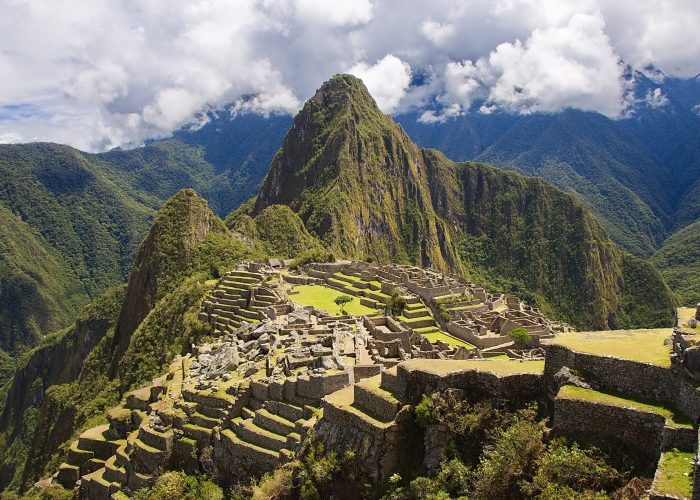
Determining How Many Days Are Needed to Explore Manu is one of the most common questions among travelers planning to visit the jungle of southern Peru. The answer depends on several factors, including the type of tour, the areas you wish to explore, and the time available for your trip. The Manu National Park is one of the most important natural areas in South America. In addition, it protects an enormous expanse of ecosystems ranging from Andean cloud forests to lowland Amazon rainforest. Therefore, the recommended number of days can vary considerably depending on the visitor’s interests. Understanding How Many Days Are Needed to Explore Manu helps travelers organize their itinerary more effectively and make the most of an experience that combines nature, culture, and wildlife observation. Likewise, proper planning facilitates access to areas with different levels of biodiversity and available activities.
The Importance of Available Time for Exploring Manu National Park
The amount of available time directly influences the quality of the experience within Manu National Park. This protected area occupies territories within the regions of Cusco and Madre de Dios. In addition, it forms part of one of the most biologically rich areas on the planet. Due to its vast size, it is impossible to explore all sectors in just a few days. For this reason, evaluating How Many Days Are Needed to Explore Manu is essential before choosing a tour program. Some travelers only have three days and seek an introduction to the Amazon rainforest. However, others prefer longer itineraries that allow access to remote sectors with greater wildlife viewing opportunities. Because of these differences, tour operators offer programs of varying durations. Each option allows visitors to discover specific ecosystems and gain a different perspective on the conservation of this important natural area.
Tours to Manu National Park Based on Trip Duration
Tours to Manu National Park are generally classified according to the number of days included in the itinerary. This variety allows them to accommodate different traveler profiles and budgets. In addition, it helps organize experiences focused on specific interests.
Three-Day Programs
Three-day tours are a suitable option for travelers with limited time. They generally include visits to the cloud forests near Cusco, interpretive walks, and wildlife observation activities. Although they provide an introduction to the rainforest, they do not reach the deepest sectors of the park. Therefore, travelers seeking a more complete immersion may consider longer itineraries. Nevertheless, this option remains popular because of its accessibility and the possibility of combining it with other tourist destinations in the region.
Four- and Five-Day Programs
Many specialists consider four or five days to offer a good balance between time and experience. In this case, visitors have greater opportunities to observe the wildlife of Manu and explore different ecosystems. In addition, the chances of spotting representative Amazonian species increase. For this reason, when evaluating How Many Days Are Needed to Explore Manu, medium-length programs are often among the most recommended alternatives.
Six or More Day Programs
Extended tours allow access to more remote and less visited sectors. In addition, they offer a deeper experience within the Amazon rainforest. Travelers can dedicate more time to wildlife observation, lagoon exploration, and specialized hikes. Therefore, those who have several days available often gain a more complete understanding of the protected ecosystems of Manu.
Itinerary for Visiting Manu and Making the Most of Each Day
Planning a proper itinerary for visiting Manu is essential for optimizing the available time. Distances within the protected area are considerable. In addition, much of the travel is carried out by road and river transportation. This characteristic directly affects the duration of each itinerary.
Initial Days for Adaptation and Transportation
The first days are usually dedicated to traveling from Cusco to the access area of the park. During this journey, travelers pass through mountain forests, Andean valleys, and ecological transition zones. In addition, intermediate stops allow observation of birds and landscapes characteristic of the region.
Central Days of Exploration
The middle days include the largest number of activities. Visitors participate in hikes, boat excursions, and nighttime wildlife observation. They may also explore lagoons, clay licks, and interpretive trails. These activities provide a better appreciation of the extraordinary natural richness of the region.
Return and Conclusion of the Experience
The final days are generally dedicated to returning from the rainforest. However, they may still include wildlife observation and visits to points of interest along the route. In this way, every day remains valuable within the overall experience.
Biodiversity of the Peruvian Amazon and Recommended Length of Stay
The extraordinary biodiversity of the Peruvian Amazon is one of the main reasons to dedicate several days to the journey. Manu National Park is home to thousands of species of plants, birds, mammals, reptiles, and insects. In addition, its different ecological zones support a wide variety of ecosystems.
When evaluating How Many Days Are Needed to Explore Manu, it is important to consider that wildlife observation depends on multiple natural factors. Some species can be seen easily during a hike. However, others require more time and patience. For this reason, longer itineraries significantly increase wildlife viewing opportunities. In addition, they allow visits to less accessible areas where human presence is lower. As a result, the experience is usually more rewarding for travelers who spend several days within the reserve.
Wildlife of Manu and Birdwatching in Manu
The wildlife of Manu is one of the main attractions for both domestic and international travelers. Thanks to the diversity of habitats, visitors can encounter a wide variety of species adapted to different environments.
Observation of Mammals and Reptiles
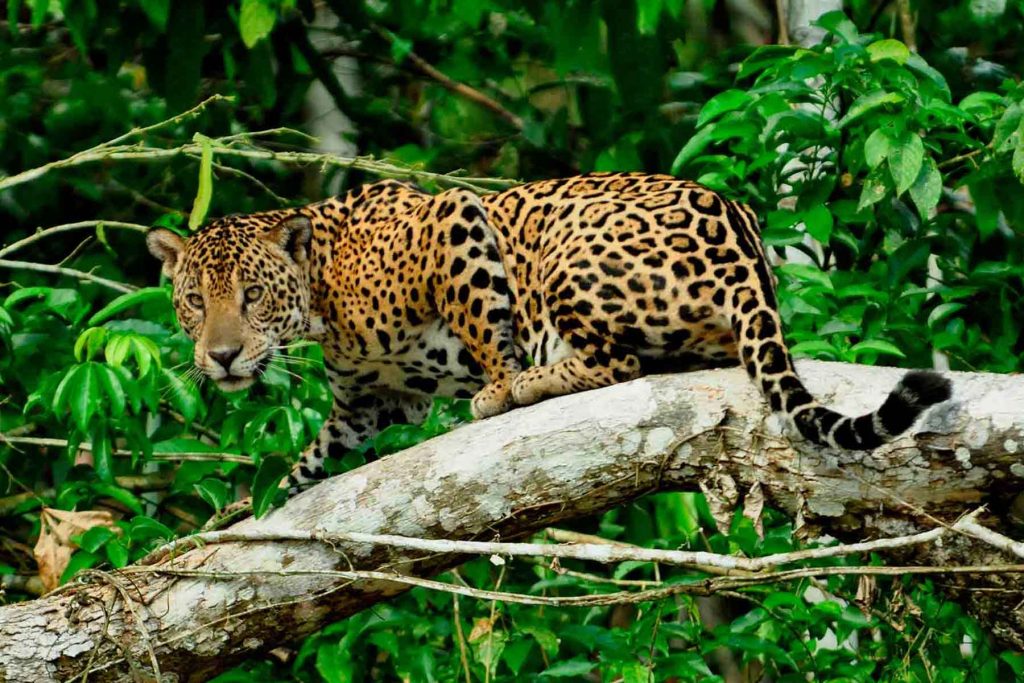
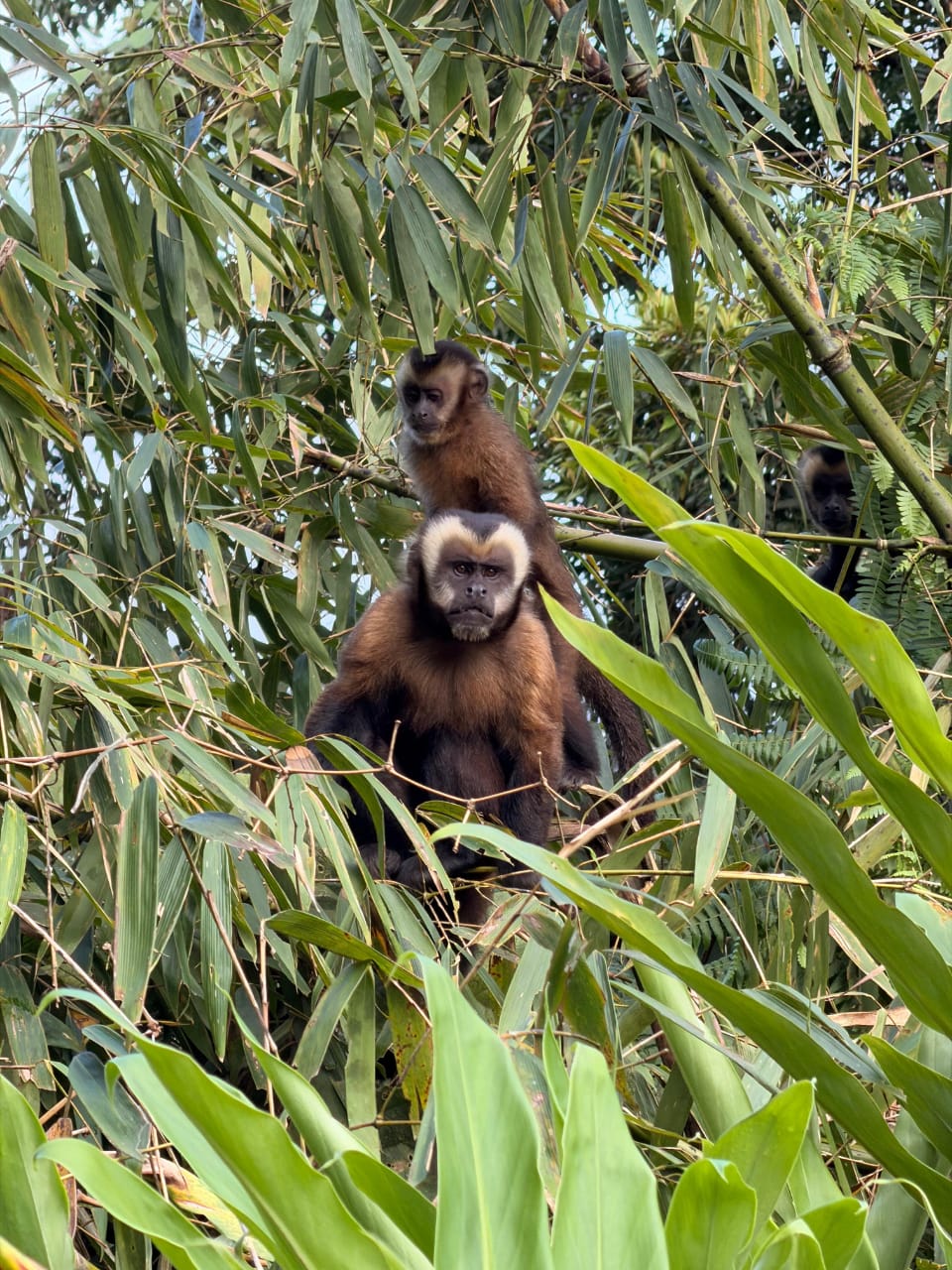
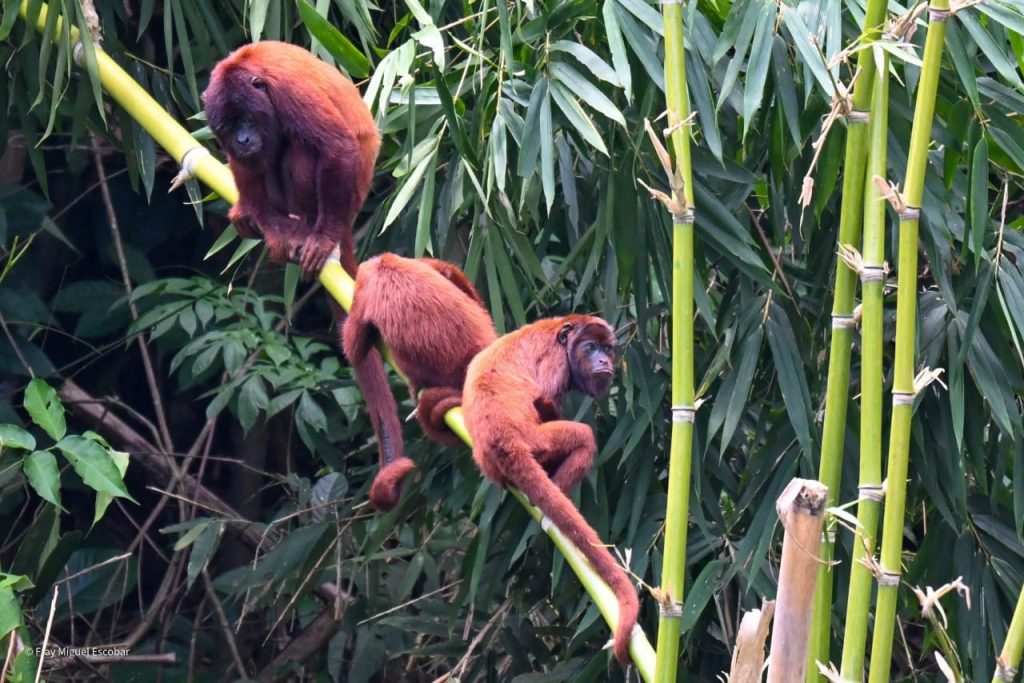
During tours, it is possible to observe monkeys, capybaras, deer, caimans, and other Amazonian species. However, sightings depend on factors such as weather, seasonality, and animal behavior. Therefore, spending more time increases the chances of successful encounters.
Birdwatching in Manu
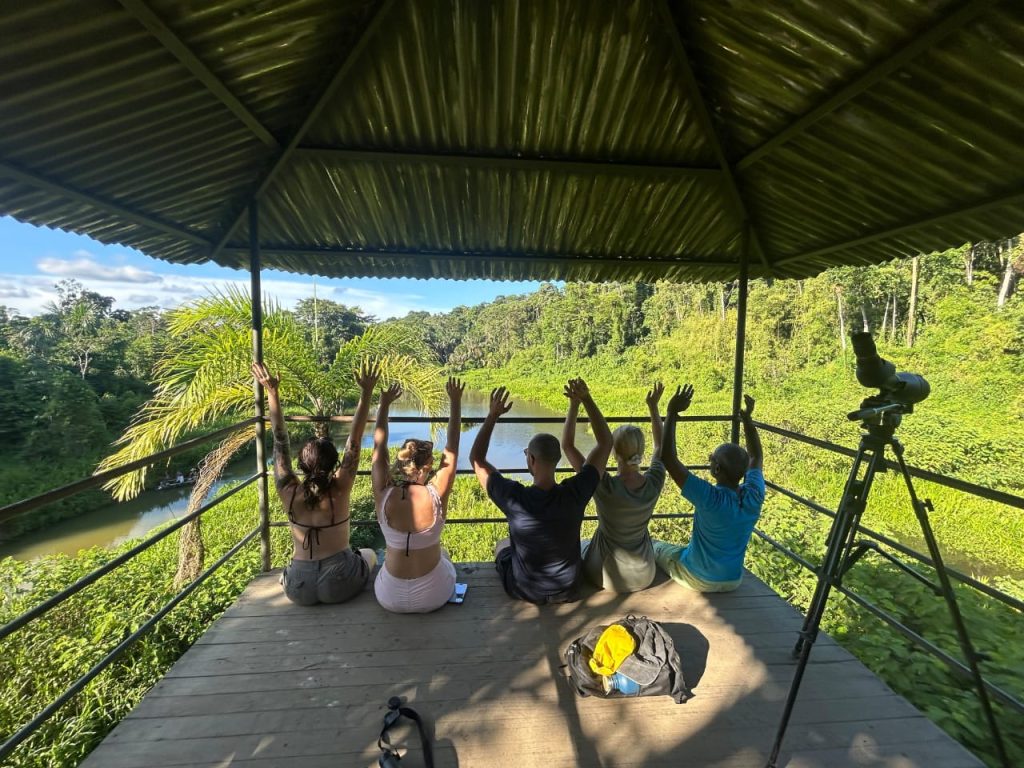
Birdwatching in Manu attracts specialists and enthusiasts from around the world. The protected area is home to an enormous diversity of species. Among them are macaws, toucans, eagles, and numerous endemic birds. In addition, clay licks provide exceptional opportunities to observe large gatherings of birds at specific times of the day. This activity often requires patience and carefully planned schedules, which is why longer tours are especially beneficial.
Excursions from Cusco to Manu and Travel Routes to Manu
Excursions from Cusco to Manu are the most common way to access the park. The city of Cusco serves as the primary departure point due to its tourism infrastructure and connectivity.
Land and River Routes
The main travel routes to Manu combine road transportation and river navigation. During the journey, travelers pass through highly varied landscapes that include Andean mountains, cloud forests, and tropical rainforests. In addition, each stage offers opportunities to observe flora and fauna characteristic of different ecosystems.
Influence of Distances on Trip Duration
The long distances explain why shorter programs have limitations regarding geographic coverage. For this reason, travelers who wish to explore deeper sectors should consider longer itineraries. This aspect is crucial when determining How Many Days Are Needed to Explore Manu.
Best Time to Travel to Manu and Visiting Conditions
The best time to travel to Manu depends on each traveler’s preferences. However, the dry season generally facilitates transportation and outdoor activities. During those months, trails remain in better condition and some routes are more accessible.
Nevertheless, the rainforest remains biologically active throughout the year. In addition, each season offers unique opportunities for wildlife observation. For this reason, many travelers find distinct attractions regardless of the time of year. Considering weather conditions helps maximize the available time and improve the overall experience within the park.
Accommodations in Manu National Park and Comfort During the Stay
Accommodations in Manu National Park vary according to location and level of services. Some lodges are situated near the main access points. Others are located in more remote sectors of the rainforest.
The choice of accommodation influences the daily logistics of the trip. In addition, it can determine how much time is available for specific activities. Therefore, selecting the right lodging helps maximize each day of the experience. Many programs include stays at ecolodges designed to integrate with the natural environment while minimizing environmental impact.
Tourist Activities in Manu and the Peruvian Amazon Rainforest Experience
Tourist activities in Manu are diverse and can be adapted to different interests. In addition, they combine environmental education, wildlife observation, and responsible exploration.
Among the most common activities are:
- Interpretive rainforest hikes.
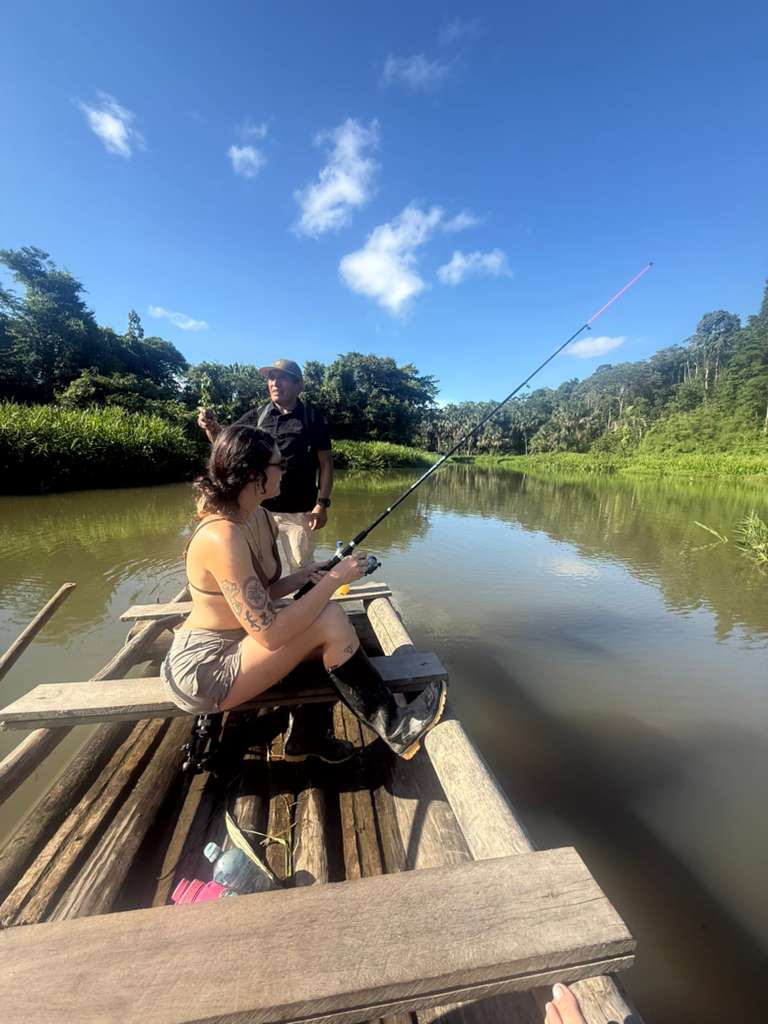
- Boat trips along Amazonian rivers.
- Bird and mammal observation.
- Visits to macaw clay licks.
- Exploration of Amazonian lagoons.
- Nighttime wildlife observation.
- Nature photography.
The Peruvian Amazon rainforest experience becomes more rewarding when travelers have sufficient time to participate in several of these activities. For this reason, many visitors choose itineraries lasting five days or more.
Manu Biosphere Reserve and Adventure in the Peruvian Amazon
The Manu Biosphere Reserve has received international recognition because of its ecological and cultural importance. In addition, it protects ecosystems that are fundamental to the conservation of Amazonian biodiversity. This status makes the area one of the leading destinations for travelers seeking an authentic adventure in the Peruvian Amazon.
Spending more days in the reserve allows visitors to better understand the complexity of the ecosystems present in the region. Likewise, it facilitates observation of natural processes that are difficult to appreciate during very short visits. Therefore, the duration of the trip directly influences the level of knowledge gained about this important protected area.
Natural Attractions of Manu and the Ideal Length of the Journey
The natural attractions of Manu include cloud forests, Amazonian rivers, lagoons, clay licks, and extensive areas of primary rainforest. Each of these environments hosts different species and landscapes. In addition, many of them are separated by long distances.
When analyzing How Many Days Are Needed to Explore Manu, many travelers consider five days to be an appropriate duration for a balanced experience. However, those who wish to focus on wildlife observation or explore remote areas often choose longer programs. Consequently, the ideal duration depends on personal goals and the level of immersion desired during the visit.
Tips for Visiting Manu and Optimizing Travel Time
The main tips for visiting Manu are related to advance planning and proper preparation. Considering these aspects helps travelers make the most of each day.
- Book in advance during high-demand seasons.
- Bring lightweight, quick-drying clothing.
- Use sunscreen and insect repellent.
- Maintain proper hydration.
- Follow the instructions of specialized guides.
- Respect conservation regulations within the protected area.
- Carry suitable equipment for wildlife observation.
Applying these recommendations contributes to a safer and more comfortable experience within one of the most important natural areas on the continent.
Frequently Asked Questions
1. Is it necessary to book an authorized tour to enter Manu?
Yes. Most tours within the tourist sectors of Manu are conducted through authorized operators. This facilitates logistics, transportation, and compliance with conservation regulations. In addition, specialized guides help interpret the biodiversity and increase opportunities for wildlife observation during the visit.
2. Can Manu be visited with young children?
Yes, although suitability depends on the duration of the itinerary and the age of the children. Some shorter programs are more appropriate for families. However, extended itineraries may involve long travel times and conditions that require greater physical endurance. It is advisable to consult the tour operator beforehand.
3. What is the difference between the cultural zone and the reserved zone of Manu?
The cultural zone allows regulated tourism activities and offers greater accessibility. On the other hand, the more protected sectors have additional restrictions focused on conservation. Each area provides different experiences related to biodiversity and the natural heritage of the region.
4. What type of climate predominates during a Manu tour?
The climate varies according to altitude and time of year. Visitors may experience cool temperatures in cloud forests and warm conditions in the lowland rainforest. In addition, humidity levels are generally high throughout much of the year. For this reason, it is important to bring clothing suitable for different weather conditions.
5. What is the main attraction for nature lovers in Manu?
The extraordinary biological diversity is the destination’s greatest attraction. The opportunity to observe birds, mammals, reptiles, and a wide variety of plants makes Manu one of the most highly valued locations for researchers, photographers, and travelers interested in nature.
Discover our travel packages to Peru and let us organize the perfect adventure for you. Request your quote for your trip to Cusco today!