
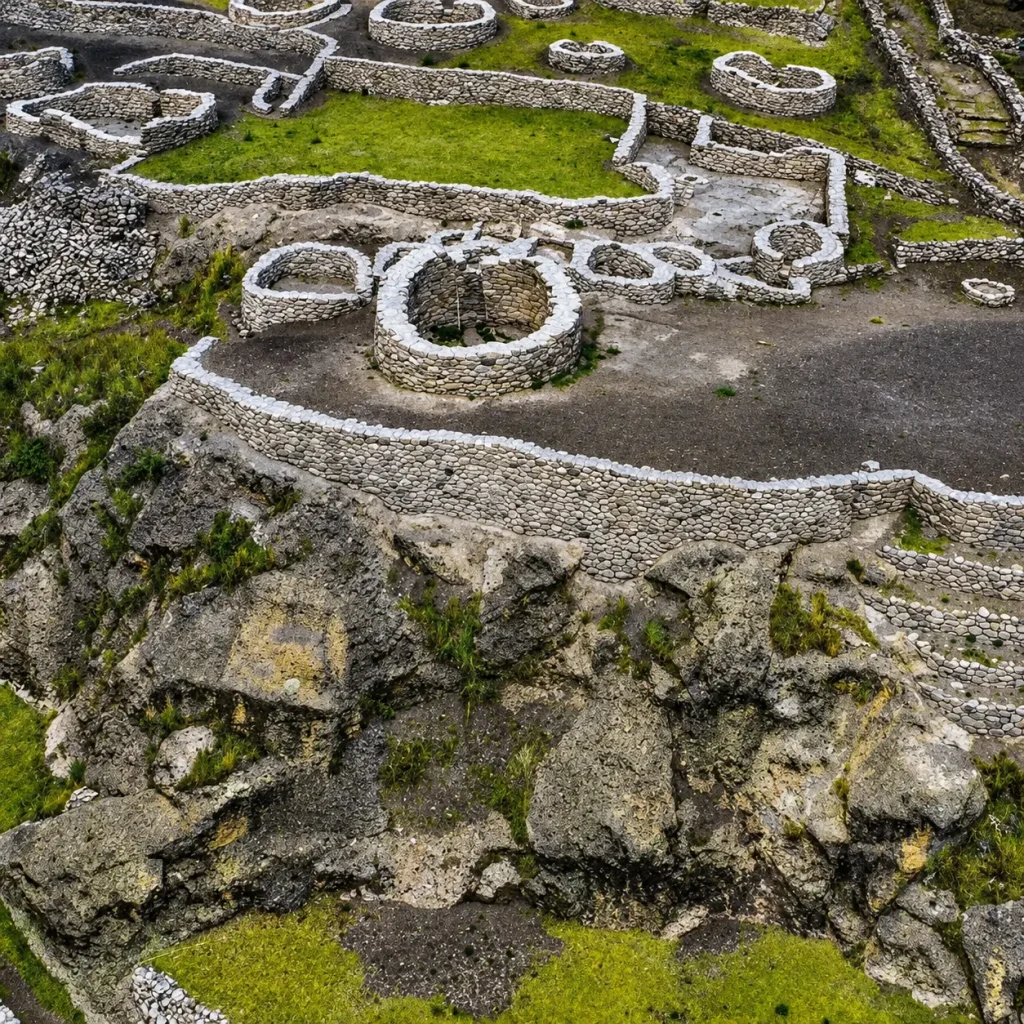
Knowing what Taqrachullo is is essential for travelers interested in exploring lesser-known archaeological gems in southern Peru. This majestic pre-Hispanic site is located in the province of Espinar, within the department of Cusco, on an impressive rocky cliff. Unlike other archaeological centers crowded with conventional tourism, this settlement stands out for its strategic architecture and imposing natural surroundings. In addition, the site was connected to the ancient huaca and sacred oracle of Ancocagua, which was widely revered during the Inca period. Therefore, understanding what Taqrachullo is makes it possible to appreciate a place where ancestral history, mysticism, and exceptional mountain landscapes come together. In this Taqrachullo guide, we will analyze its historical context, cultural significance, and the key reasons to include it in your next itinerary.
Booking Inca Jungle offers options to organize your trip around Cusco.
Origin and History of Taqrachullo
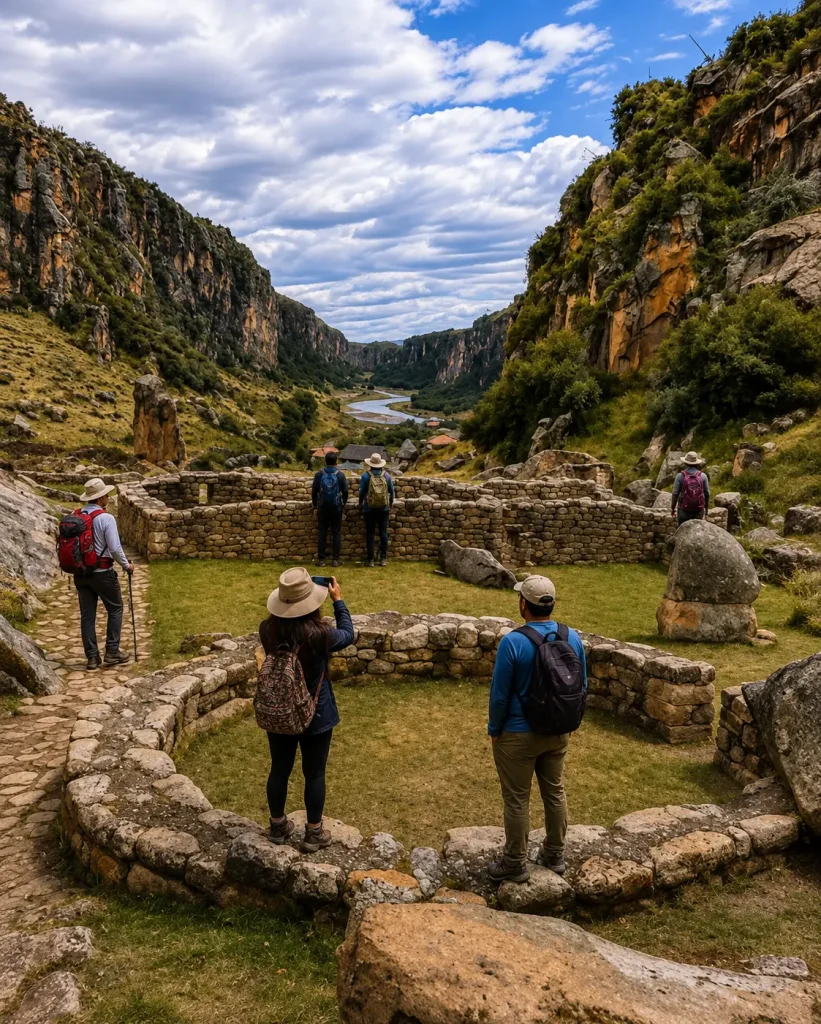
The history of Taqrachullo encompasses a long process of human occupation that predates the consolidation of the Inca Empire. Various archaeological studies show that groups belonging to the Cana culture lived in this area, along with Wari and Colla influences. Later, the Incas incorporated this territory into their state network during their military and administrative expansion toward Collasuyo. During the colonial period, the population center became popularly known as María Fortaleza. Likewise, the site was directly part of the renowned Qhapaq Ñan, serving as a strategic control and resting point. Because of this rich history, the origin of Taqrachullo reflects a fascinating cultural overlap spanning several centuries.
Military and Residential Importance in the Andean Region
Within the history of Taqrachullo, this settlement stood out as a defensive stronghold and residential center for local elites. Its perimeter walls and location above the canyon facilitated constant surveillance of the surrounding valleys. Likewise, the discovery of circular and rectangular dwellings demonstrates that it housed a permanent population engaged in everyday activities.
You can also rely on Booking Inca Jungle to plan your adventure in the Andes.
The Sacred Role as the Oracle of Ancocagua
The religious dimension represents one of the most fascinating aspects when researching the history of this fortress. Various Spanish chroniclers identified this monument with the oracle of Ancocagua, a religious sanctuary of enormous regional prestige. Andean inhabitants came to this sacred enclosure to offer valuable gifts and seek guidance about decisive future events.
Meaning of Taqrachullo in Andean Cosmology
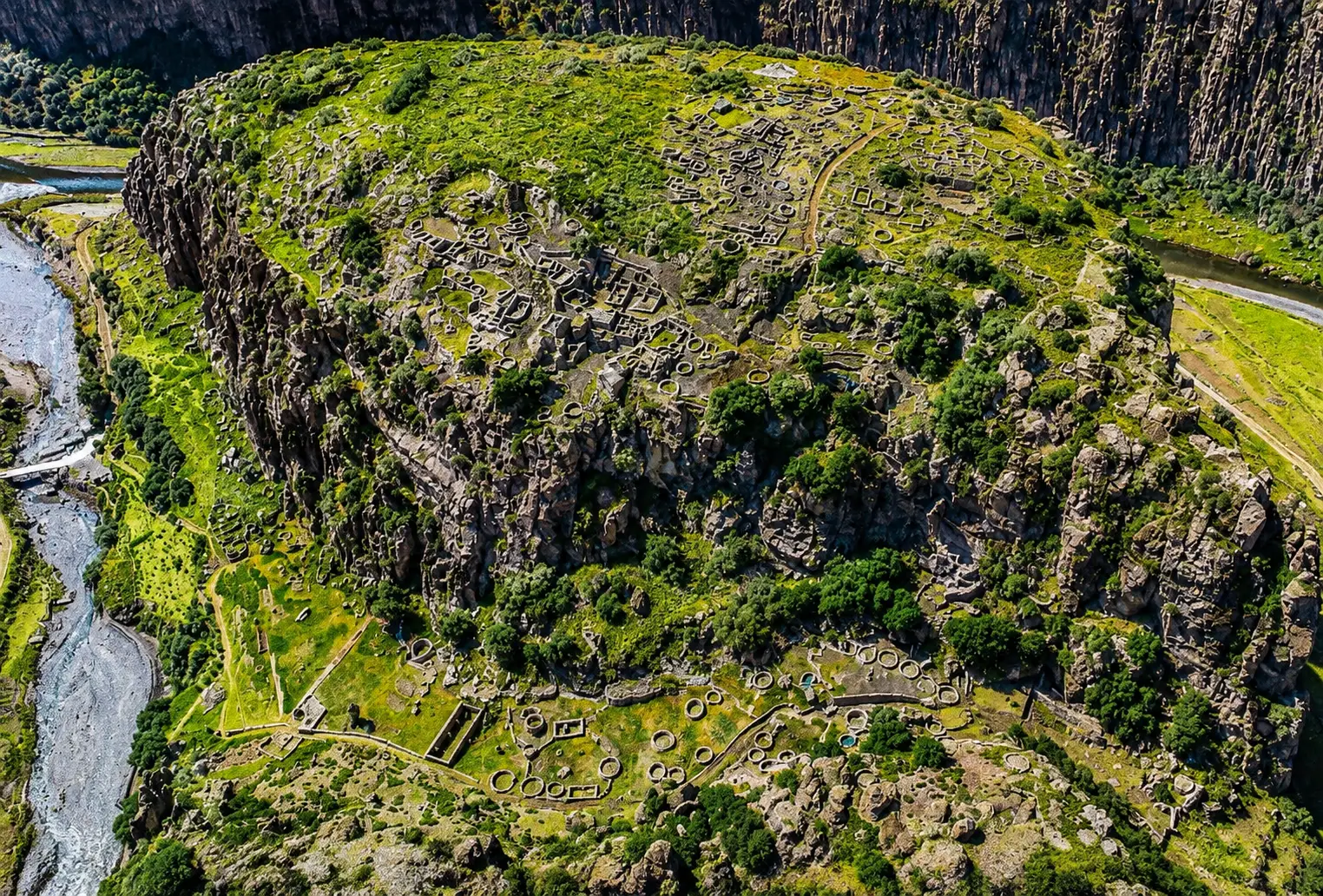
To understand what this monument represents, it is necessary to analyze the Quechua etymology behind its original name. The meaning of Taqrachullo comes from the combination of two ancestral words: T’acra, which refers to bedrock, and Chullo, which refers to water deposits or runoff. Consequently, the meaning of Taqrachullo literally evokes a place where water emerges or accumulates among rock formations. On the other hand, answering what Taqrachullo means involves recognizing the profound relationship between human architecture and sacred nature. For ancient Peruvians, the integration of water and enormous rocks endowed the site with superior spiritual energy.
The Sacredness of Water and Rock in the Andes
Water and stone were considered living elements within the complex worldview of Andean societies. In this enclosure, there are pools and channels carved directly into the bedrock for purely ritual purposes. These structures made it possible to worship tutelary deities associated with agricultural fertility and the hydrological cycle.
Monoliths and Ceremonial Worship Enclosures
In the lower part of the complex, an impressive huaca or monolith carved from a single block of stone is preserved. This sacred stone marked a crucial ceremonial point where important religious ceremonies and tributes were carried out. In addition, thousands of small metal sequins made of gold, silver, and copper, used in ritual garments, have been recovered.
Tourist Attraction and Reasons to Visit Taqrachullo
Making this destination part of your trip offers an authentic experience away from traditional mass tourism. As a Taqrachullo tourist attraction, the site combines fascinating pre-Hispanic architecture with the geographical majesty of the Suyckutambo canyon. In addition, this Taqrachullo tourist destination is located near the Tres Cañones Regional Conservation Area. Consequently, when visiting Taqrachullo, travelers experience an intimate connection with nature, observing native wildlife such as vicuñas and condors. Likewise, discovering Taqrachullo represents an unmissable opportunity for photography, history, and mountain hiking enthusiasts.
Booking Inca Jungle can help you organize adventure experiences around Cusco.
Spectacular Landscapes and Canyon Geography
The settlement stands on the edge of volcanic-origin rocky cliffs with panoramic views of the Apurímac River. The imposing vertical drop of the mountains creates a truly breathtaking photographic setting during sunrise. Likewise, the pure air of the Andean highlands complements a fairly refreshing day of outdoor exploration.
Protected and Revitalized Cultural Heritage
The Ministry of Culture of Peru declared this site Cultural Heritage of the Nation in 2010. Thanks to various conservation and restoration efforts, it is now possible to safely explore its plazas, enclosures, and Inca roads. This enhancement and preservation ensures an educational visit characterized by a high level of historical and archaeological rigor.
Practical Information and Taqrachullo Guide for Travelers
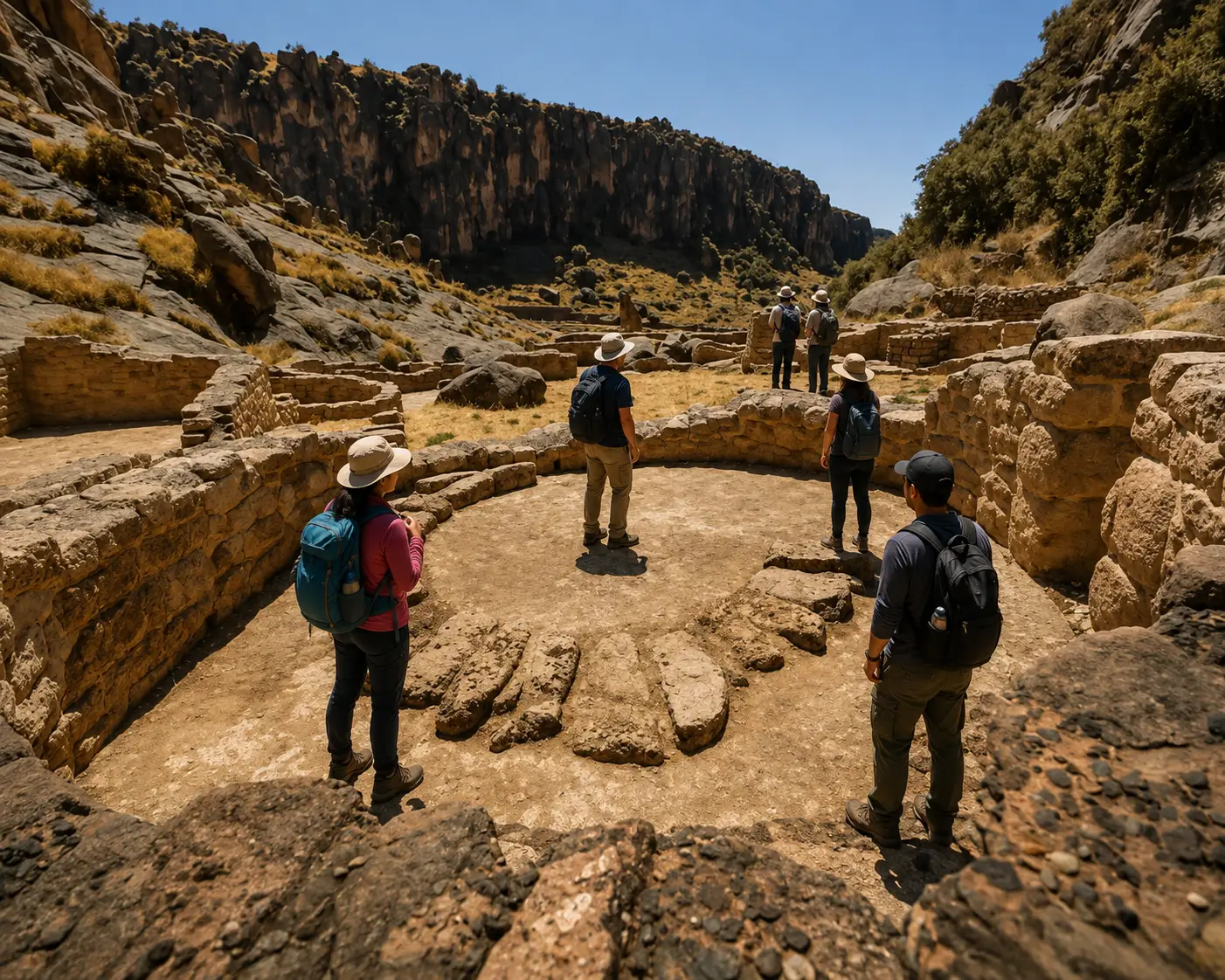
Properly planning your itinerary requires considering key information about transportation, weather, and altitude before departing. This information about Taqrachullo will help you prevent setbacks and fully enjoy your journey through the province of Espinar.
Organize your trip around Cusco with the support of Booking Inca Jungle, contact us.
Frequently Asked Questions
Is an entrance fee required to enter the archaeological complex?
Currently, access to the archaeological site is free for all domestic and foreign visitors. However, municipal regulations in the province of Espinar may update the fees or require prior registration upon entry. For this reason, it is advisable to check with local tourism authorities before beginning the journey to the area.
Is it necessary to hire a tour guide to visit the site?
Although it is not a mandatory legal requirement, hiring a local guide is highly recommended to understand the history of the site. A qualified guide will explain the details of the architecture, ceremonial sectors, and the importance of the oracle of Ancocagua. In addition, professional assistance makes it easier to navigate the hiking routes located along the edge of the canyon.
What wildlife can be spotted while exploring the area?
During the hike, it is common to observe wildlife typical of the Andean highlands due to the proximity of protected natural areas. Mammals include vicuñas, vizcachas, and occasionally tarucas, which roam freely across the grasslands. It is also very common to spot the flight of the majestic Andean condor and various local birds of prey in the sky.
Are there lodging and food services near the monument?
The archaeological site does not have hotels or restaurants in its immediate surroundings due to its rugged location. Basic lodging, food, and supply services are concentrated in the city of Yauri or in the town of Suyckutambo. Consequently, it is vital to bring drinking water and light snacks to consume during the exploration day.