
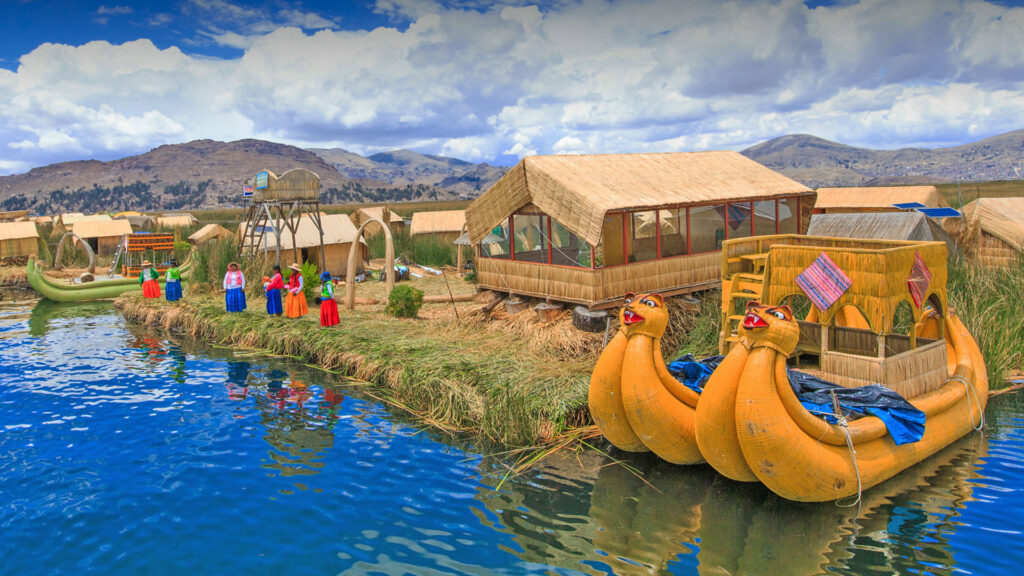
The connection between Cusco and Lake Titicaca represents one of the most fascinating and frequently traveled itineraries for those exploring southern Peru. To properly plan this trip, it is essential to understand that the distance between Cusco and Lake Titicaca covers approximately three hundred ninety kilometers of paved road through the majestic Andes mountain range. The land arrival point is the historic port city of Puno, from whose main pier all boats depart toward the lake’s island attractions. Planning this route requires evaluating key factors such as the time available, the traveler’s budget, and the desired level of comfort. Therefore, mastering the details of how to get to Lake Titicaca from Cusco will ensure a smooth, safe, and unforgettable experience throughout this Andean high plateau.
The journey involves gradually ascending from the three thousand three hundred meters of elevation in Cusco to more than three thousand eight hundred meters above sea level in the lake basin. Due to this geographical change, the journey offers impressive landscapes characterized by extensive plains, herds of South American camelids, and snow-capped peaks. In addition, there are multiple transportation alternatives that adapt to the needs of each type of adventurer. You can choose direct overnight transfers, daytime tourist trips with archaeological stops, luxury train journeys, or commercial flights with ground connections. Knowing each option will make it easier to choose the right one to fully enjoy the journey from Cusco to Lake Titicaca. Booking Inca Jungle offers travel options to organize your journey from Cusco.
Commercial Transportation Options from Cusco to Puno
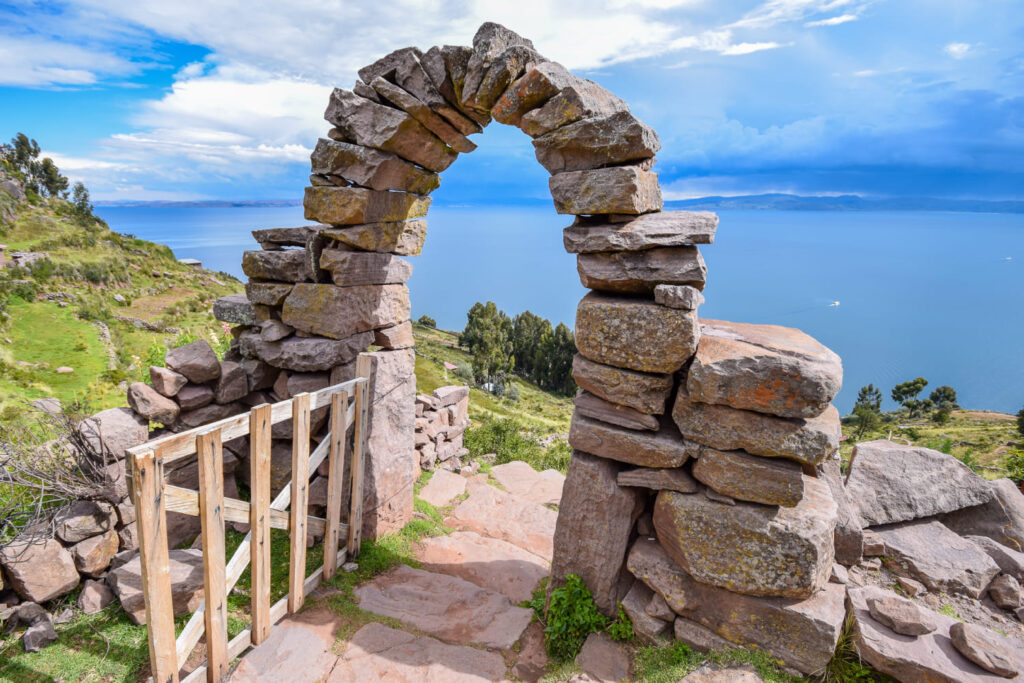
Transportation from Cusco to Lake Titicaca by direct interprovincial buses is the most popular, fastest, and most economical alternative for travelers. Several well-established transportation companies operate daily departures from the Cusco Bus Terminal, offering both daytime and nighttime schedules. Overnight buses usually depart between ten and eleven at night, completing the journey in approximately seven or eight hours. This option allows travelers to save money on accommodation and optimize their time by waking up early at the final destination. Consequently, passengers can use the morning to immediately begin excursions to the local islands.
On the other hand, overnight buses have highly comfortable reclining seats, full heating, and restrooms on board. However, for those who prefer to admire the highland landscape during the day, there are direct morning departures starting at seven in the morning. Traveling during the day allows you to admire the gradual change in vegetation and the geographical vastness of the Southern Valley and the Collao Plateau. Consequently, direct Cusco-Puno transportation has become a practical and efficient solution for travelers with tight itineraries.
Route of the Sun and Cultural Stops on the Journey from Cusco to Lake Titicaca
The tourist route known as the Route of the Sun transforms the interprovincial journey into a full-day guided excursion. This type of transfer from Cusco to Lake Titicaca lasts approximately ten hours and makes strategic stops at sites of high historical and archaeological value. The first stop is usually the temple of Andahuaylillas, famous for its Baroque murals and an altar covered in gold leaf. The route then continues toward the archaeological complex of Raqch’i, where the majestic temple dedicated to the god Wiracocha stands out.
In addition to the cultural learning experience, this journey from Cusco to Lake Titicaca includes a gastronomic stop with a buffet lunch in the town of Sicuani. The journey continues ascending to the La Raya pass, the geographical boundary between the departments of Cusco and Puno, located at an altitude of four thousand three hundred thirty-five meters. The final cultural stop before reaching the port city is the lithic museum of Pucará, famous for its stone sculptures and traditional pottery. Therefore, this trip from Cusco to Lake Titicaca is perfect for those who want to combine transportation and sightseeing in a single day. Booking Inca Jungle can also help you plan this tourist experience.
Tourist Train Alternative for Traveling from Cusco to Puno
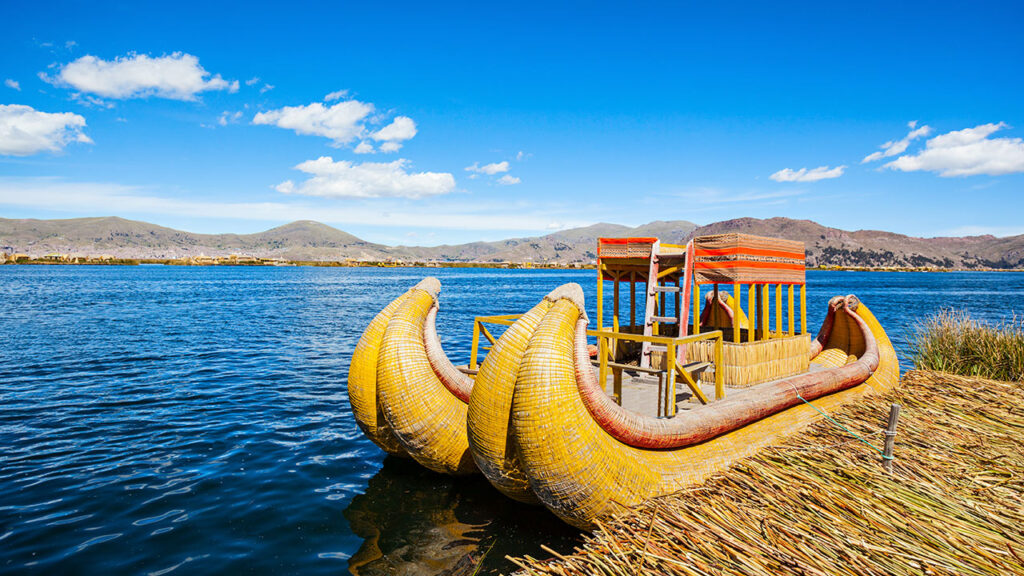
For travelers seeking a high-end experience, the PeruRail Titicaca luxury train offers an unforgettable journey. This fabulous route from Cusco to Lake Titicaca connects the Wanchaq station with the city of Puno on a journey of approximately ten and a half hours. The carriages are decorated in the elegant style of the 1920s and include panoramic windows and an open-air observation car. Likewise, a three-course gourmet lunch prepared with high-quality Andean ingredients is served during the journey.
The railway journey also offers live music and folklore dance performances while traveling across the high plateau. However, it is important to consider that this service does not operate every day of the week, so it requires booking tickets well in advance. Due to its high cost and exclusive focus, this option is mainly chosen by honeymoon couples or luxury travelers. Definitely, choosing the train represents the most elegant way of how to travel from Cusco to Lake Titicaca while admiring the vastness of the Andes.
Air Travel Alternative Between Cusco and the Puno Region
Although there is no commercial airport along the shores of the lake, it is possible to make the connection by air using Inca Manco Cápac International Airport, located in the city of Juliaca. To take this route, you must board a flight from Alejandro Velasco Astete International Airport in Cusco to the city of Lima or Arequipa, making a connection before landing in the Puno region. Due to the lack of direct flights between the two Andean cities, air travel can take longer overall than a direct bus.
Once at Juliaca airport, visitors must arrange additional ground transportation to reach the main port. This road segment between Juliaca and the lakeshore takes approximately one hour by private taxi or shared transportation. Therefore, evaluating the different options for reaching Lake Titicaca from Cusco by air is convenient only if it is integrated into a broader domestic air route.
Essential Tips on How to Get to Lake Titicaca from Cusco
Properly planning the travel logistics requires taking precautions regarding health, weather, and equipment safety. To get to Puno from Cusco without health-related problems, it is advisable to acclimatize beforehand in the capital of the Inca Empire for a couple of days. Although Cusco has a considerable elevation, the Puno high plateau is even higher, which can increase symptoms of altitude sickness or soroche. It is recommended to drink plenty of water, consume coca leaf or muña tea, and avoid heavy meals before beginning the journey.
Likewise, it is essential to pack warm clothing in layers, as temperatures at the lake drop drastically after nightfall. It is recommended to bring high-SPF sunscreen, wide-brimmed hats, and ultraviolet-protection glasses due to the strong midday solar radiation. In addition, it is essential to purchase formal transportation tickets from registered companies to ensure a peaceful journey. Mastering all these practical details about how to travel from Cusco to Lake Titicaca will make it easier to enjoy a pleasant stay while exploring the cultural richness of the Uros, Taquile, and Amantaní islands.
Booking Inca Jungle can provide assistance in organizing your trip with greater comfort, contact us.

Frequently Asked Questions
How long does the direct land journey between the two cities take?
The direct bus journey between Cusco and the city of Puno usually takes between seven and eight hours of continuous travel. Overnight buses generally depart starting at ten at night and arrive at their destination in the early hours of the following morning. On the other hand, daytime services complete the same segment in a similar amount of time, always depending on weather conditions and traffic on the road.
Is it better to travel during the day or at night?
The choice depends entirely on the traveler’s profile and available budget. Traveling at night allows you to save money on hotel nights and maximize your time for daytime excursions as soon as you arrive at the port. However, traveling during the day on the Route of the Sun allows you to visit important historical monuments and enjoy the dazzling Andean landscapes throughout the journey.
What are the most important tourist stops on the Route of the Sun?
The most relevant tourist stops include the colonial temple of San Pedro Apóstol in Andahuaylillas, famous for its impressive interior decoration. The imposing Inca archaeological center of Raqch’i, dedicated to the worship of the god Wiracocha, is also visited. Finally, the journey includes a photo stop at the highest point of the La Raya pass and a guided visit to the famous lithic museum of the Pucará culture.
What documentation or requirements are needed to board the transportation services?
To board any interprovincial bus or train service in Peru, it is mandatory to present the original valid National Identity Document or Passport. In the case of foreign travelers with minors, the corresponding notarized permits must be carried if they are not traveling with both parents. It is advisable to carry transportation tickets in printed or digital form on a mobile phone to speed up registration before boarding.
How do you get from the Puno bus terminal to the lake islands?
Upon arriving at the Puno Bus Terminal, you should take an authorized taxi to the city’s main port, a journey that takes ten minutes. From the port’s pier, shared boats and private vessels regularly depart toward the famous floating islands of the Uros. Likewise, daily speedboat excursions are organized from the same port to the inhabited islands of Taquile and Amantaní.