Qoyllur Rit’i in Cusco is one of the most important religious and cultural celebrations in the Peruvian Andes. Every year, thousands of pilgrims travel to the sanctuary of Sinakara, located at the foothills of the Ausangate snow-capped mountain, to participate in this traditional festival. In addition, this gathering combines Catholic religious expressions with ancient Andean customs that remain alive today. Therefore, many travelers consider Qoyllur Rit’i in Cusco a unique cultural and spiritual experience in southern Peru.
The celebration takes place in a high-altitude area located in the province of Quispicanchi, within the Cusco region. However, the event does not only attract religious visitors. Tourists interested in cultural tourism in Cusco, mountain photography, and traditional Peruvian festivals also attend. In addition, the combination of music, dances, and natural scenery makes Qoyllur Rit’i in Cusco a different experience compared to other celebrations on the Peruvian calendar.
Many visitors combine this experience with other nearby tourist destinations. Among them are the city of Cusco, the Ausangate trekking route, and several adventure circuits in the Andean mountains. Because of its cultural importance, the festival was recognized by UNESCO as Intangible Cultural Heritage of Humanity. For that reason, international interest in Qoyllur Rit’i in Cusco continues growing every year.
History and Origins of Qoyllur Rit’i in Cusco
The history of Qoyllur Rit’i in Cusco has ancient roots connected to indigenous Andean traditions. Before the arrival of the Spanish, Andean communities performed ceremonies related to glaciers and sacred mountains. These mountains were known as “apus” and were considered protectors of nearby villages. In addition, many agricultural communities depended on these rituals to ask for rain and good harvests.
Over time, Andean customs merged with elements of the Catholic religion. Therefore, a festival combining both beliefs emerged. According to oral tradition, the celebration is related to the appearance of an image of Christ alongside an indigenous child in the mountains of Sinakara. Since then, thousands of pilgrims participate every year in the Qoyllur Rit’i pilgrimage.
Today, this celebration maintains great importance within the Quechua culture in Cusco. In addition, several communities organize groups of dancers and musicians to represent different traditional expressions. Because of this cultural diversity, many travelers consider Qoyllur Rit’i in Cusco one of the most authentic celebrations in South America.

Route to the Sinakara Sanctuary and Access from Cusco
The main route to the sanctuary begins in the city of Cusco. From there, travelers must head toward the district of Ocongate, located about three hours away by road. Afterward, most pilgrims continue to the town of Mahuayani, where the hike to the sanctuary begins.
The route to the Sinakara sanctuary crosses mountain areas and dirt trails. In addition, the route presents sudden temperature changes due to the altitude. Therefore, proper physical preparation is important before starting the hike. Many visitors include this activity as part of a cultural trip in Cusco or an Andean trekking experience.
The trek from Mahuayani to the sanctuary may take between three and five hours. However, the duration depends on each person’s pace and weather conditions. Along the way, it is common to see groups of dancers wearing traditional costumes. In addition, the mountain scenery offers wide views of the southern Peruvian Andes.
Ausangate Trekking Route and Natural Surroundings
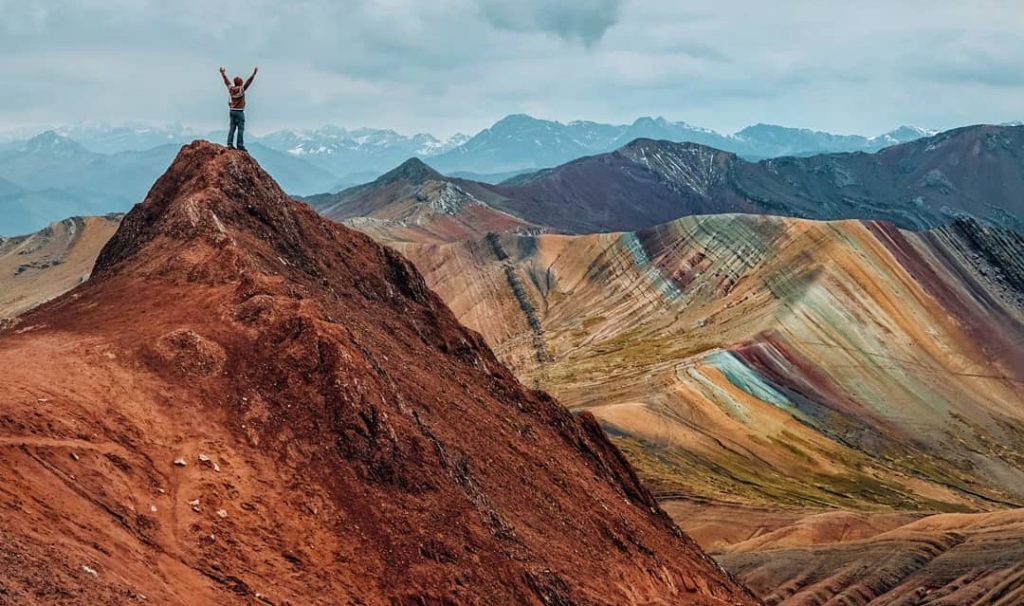
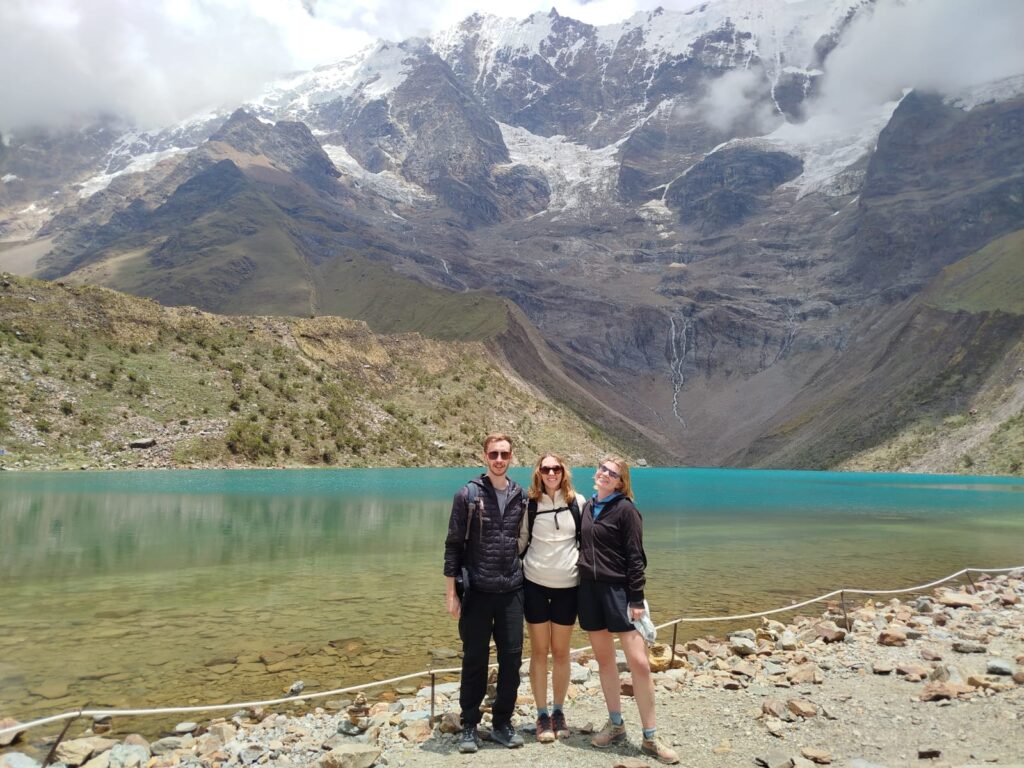
The area surrounding the Ausangate glacier forms an important part of the experience. This mountain is considered sacred by many local communities. In addition, the region features lagoons, high Andean grasslands, and snowy peaks that create one of the most famous landscapes in southern Peru.
Many travelers take advantage of the festival to complete the Ausangate trekking route. However, this hike requires better physical condition because of the altitude. Some routes exceed 15,700 feet above sea level. For that reason, spending several days acclimatizing in Cusco before starting demanding activities is recommended.
Andean Traditions and Cultural Expressions of the Festival
Cultural expressions represent one of the most important aspects of Qoyllur Rit’i in Cusco. During the festival, hundreds of groups arrive from different Andean communities to participate with music and traditional dances. In addition, each delegation wears costumes representing its cultural and regional identity.
The traditional dances of Qoyllur Rit’i hold religious and symbolic meanings. Some represent historical figures, while others are connected to Andean legends. Among the most recognized groups are the “ukukus,” characters dressed in dark costumes who perform ceremonial roles during the festival.
Music also occupies an important place within this celebration. Therefore, traditional Andean instruments can be heard throughout the pilgrimage. In addition, many religious ceremonies take place alongside collective singing and dancing. Because of this cultural combination, Qoyllur Rit’i in Cusco is considered an important symbol of Andean identity.
Andean Ceremony in Peru and Spiritual Meaning
The festival includes several ceremonies connected to Andean spirituality. Many people participate to ask for protection, health, or prosperity during the year. In addition, some pilgrims fulfill personal promises related to family or religious reasons.
This Andean ceremony in Peru preserves ancestral elements linked to the relationship between people and nature. Therefore, glaciers, mountains, and the natural environment form a central part of the spiritual experience. Many visitors believe the atmosphere creates a different connection compared to other religious celebrations.

Best Dates to Visit Qoyllur Rit’i
The best dates to visit Qoyllur Rit’i coincide with the days before the Corpus Christi celebration in Cusco. Generally, the event takes place between May and June. However, the exact dates change each year according to the religious calendar.
During those months, nighttime temperatures are usually very cold. In addition, the altitude increases the sensation of cold during the early morning hours. Therefore, bringing thermal clothing and waterproof gear is recommended for protection against the Andean climate.
Many travelers prefer arriving several days early to acclimatize properly. In addition, this allows time to explore other nearby attractions in the region. Because of the large number of visitors, transportation and accommodations should be booked in advance. Especially during the main days of Qoyllur Rit’i in Cusco, tourist demand increases considerably.
Travel Tips for Visiting Qoyllur Rit’i
Proper preparation is essential to enjoy this experience safely. Due to the altitude, many people experience mild symptoms related to altitude sickness. Therefore, resting properly during the first days in Cusco before starting the pilgrimage is recommended.
Among the main travel tips for Qoyllur Rit’i, wearing appropriate clothing for cold weather stands out. In addition, using resistant trekking boots is recommended because of the trail conditions. Some sections may contain mud or moisture during the hike.
It is also important to stay hydrated throughout the route. However, excessive alcohol consumption can increase discomfort associated with altitude. Many visitors drink traditional coca tea as part of the acclimatization process.
Recommended Equipment for the Pilgrimage
The following items are recommended for participating in Qoyllur Rit’i in Cusco:
- Thermal clothing for low temperatures
- Waterproof and windproof jacket
- Trekking boots with good traction
- Flashlight for nighttime hikes
- Sunscreen and sunglasses
- Water and energy snacks
- Lightweight backpack for long walks
- Gloves and warm hat for cold weather
In addition, carrying cash is recommended. Some areas do not have phone service or banking facilities.
Cultural Tourism in Cusco and Complementary Experiences
Many visitors take advantage of the festival to enjoy other tourist activities in the region. Cultural tourism in Cusco offers a wide variety of experiences related to Inca and colonial history. In addition, the city features museums, traditional markets, and important archaeological sites.
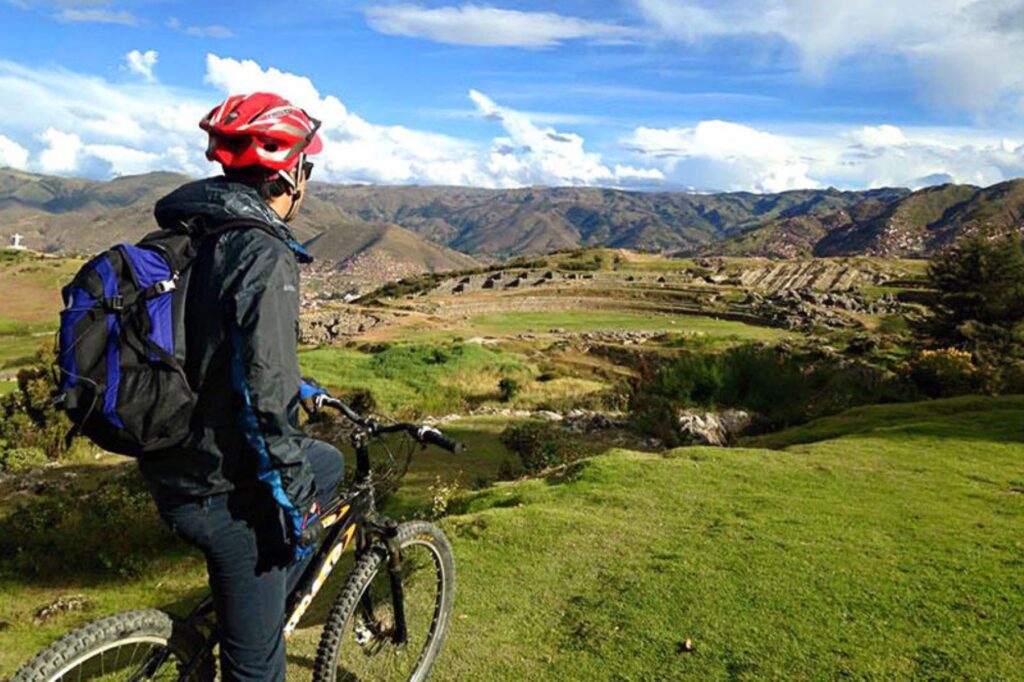
Among the most visited places are Sacsayhuamán, Qorikancha, and the historic center of Cusco. However, many travelers also combine the experience with nature routes and trekking adventures. Because of the proximity to the Andes, there are multiple options for outdoor activities.
Local gastronomy also forms an important part of the journey. Many restaurants offer traditional dishes prepared with Andean ingredients. Therefore, visitors can complement their cultural experience through regional cuisine.
Spiritual Experience in the Andes and Cultural Interaction
The interaction between pilgrims and tourists allows visitors to learn about different Andean cultural expressions. Many communities share music, dances, and rituals during the celebration. In addition, several international travelers respectfully participate in some traditional ceremonies.
The spiritual experience in the Andes often leaves a strong impression on those participating in the pilgrimage. However, respecting local customs and following community recommendations is essential. This helps preserve the cultural value of Qoyllur Rit’i in Cusco.

Importance of Qoyllur Rit’i Within Traditional Festivals of Peru
Among the most important traditional festivals of Peru, Qoyllur Rit’i in Cusco holds a special place because of its age and cultural significance. Thousands of people participate in this religious and Andean celebration every year. In addition, different communities preserve traditions passed down through generations.
The festival also represents an important space for cultural integration among Andean communities. Therefore, many delegations travel long distances to reach the sanctuary of Sinakara. During those days, music, dances, and ceremonies strengthen the sense of collective identity.
Internationally, this celebration continues attracting travelers seeking authentic cultural experiences. However, tourism growth also requires responsible measures to protect the natural environment and local traditions. For that reason, many organizations promote respectful tourism during Qoyllur Rit’i in Cusco.
Frequently Asked Questions About Qoyllur Rit’i in Cusco
1. How long does the Qoyllur Rit’i festival last in Cusco?
The celebration usually lasts several days and includes religious, cultural, and ceremonial activities. Many delegations arrive early at the sanctuary of Sinakara. In addition, some pilgrims stay throughout the entire festival to participate in different traditional events. The duration depends on each visitor and the selected itinerary.
2. Is it necessary to book a tour to attend Qoyllur Rit’i?
Booking a tour is not mandatory. However, many travelers prefer doing so for convenience and safety. Tour operators usually include transportation, guide services, and basic assistance during the route. In addition, some tours organize complementary cultural activities within the Cusco region.
3. Is the hike to Sinakara difficult for beginners?
The hike presents a moderate level of difficulty because of the altitude and cold temperatures. However, many people successfully complete the route with basic physical preparation. In addition, walking slowly helps reduce the physical impact caused by the altitude.
4. What kind of weather can travelers expect during Qoyllur Rit’i?
Temperatures are usually cold during the night and early morning. In addition, light rain or strong winds may occur in some mountain areas. Therefore, carrying waterproof clothing and thermal layers is important for proper protection.
5. What cultural activities stand out during the festival?
The main activities include traditional dances, Andean music, and religious ceremonies. In addition, many communities organize cultural presentations related to Quechua identity. Visitors can also observe traditional rituals connected to glaciers and sacred mountains.
Descubre nuestros paquetes de viaje a Perú y deja que organicemos la aventura perfecta para ti. ¡ Solicita hoy mismo tu presupuesto para tu viaje a Cusco!