
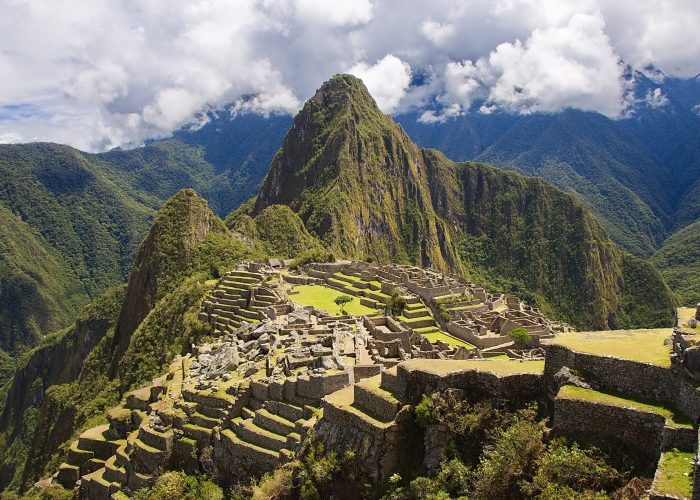
What Is Raqchi is a common question among travelers exploring southern Peru who want to discover places that are less crowded than other famous attractions in the region. This important archaeological complex stands out for its historical, architectural, and cultural value within the legacy of the Inca Empire. In addition, it is located in a strategic position along the tourist route connecting the city of Cusco with other important destinations in the Andean highlands. Understanding What Is Raqchi allows visitors to better appreciate the importance this settlement had during the Inca period and understand why it remains one of the most interesting places for those who wish to learn more about Andean history. Therefore, a visit to this site offers much more than ancient structures. It also provides the opportunity to discover local traditions, rural landscapes, and one of the most important ceremonial complexes in southern Peru.
What Is Raqchi Within the Legacy of the Inca Empire
When analyzing What Is Raqchi, it is necessary to understand its role within the territorial and religious organization of the Incas. This settlement was built during the period of imperial expansion and fulfilled ceremonial, administrative, and storage functions. In addition, its location favored the control of important communication routes crossing the Andean mountain range.
The present-day Raqchi in Cusco is primarily associated with the worship of Wiracocha, considered one of the principal deities of the Andean world. Because of this religious connection, the site acquired great significance within the spiritual structure of the empire. However, it also served logistical functions related to the movement of people and goods between different regions.
The importance of understanding What Is Raqchi lies in the fact that it represents one of the best examples of state planning developed by the Incas. In addition, it allows visitors to observe architectural elements that are uncommon in other archaeological complexes of the region. For that reason, many travelers include this destination in their cultural tours through southern Cusco.
History of Raqchi and the Evolution of the Settlement
The history of Raqchi is closely connected to the process of consolidating Inca power throughout the Andes. Various studies indicate that the construction of the complex took place during the reign of Wiracocha Inca or in later stages associated with his lineage. Because of this, many of the structures are symbolically linked to this historical figure.
During the imperial period, the settlement functioned as an important ceremonial and administrative center. In addition, its location made it possible to connect movement along an extensive road network. This network linked agricultural regions, populated centers, and ceremonial spaces distributed throughout the Inca territory.
The evolution of the site continued until the arrival of the Spanish. However, many sectors were abandoned over time. Despite this, the main structures managed to survive partially. Thanks to research and conservation work carried out in recent decades, it is now possible to better understand the purpose of each area within the complex.
Learning about the history of Raqchi allows visitors to appreciate the organizational complexity of the Incas. In addition, it helps interpret the architectural remains observed throughout the site.
Raqchi Archaeological Complex and Site Organization
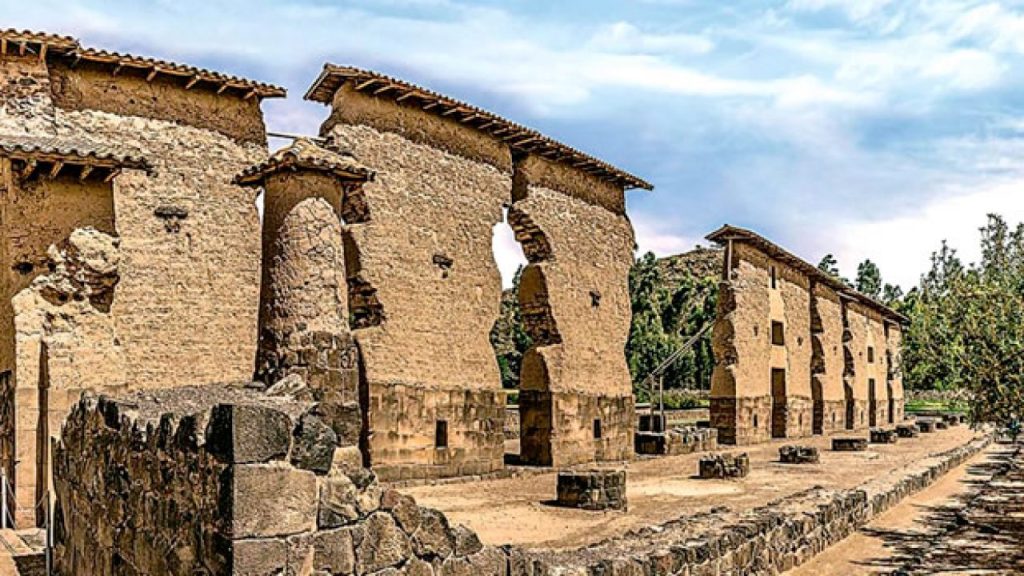
The Raqchi archaeological complex occupies a large area where visitors can observe different sectors dedicated to specific activities. This layout demonstrates careful planning and an organization designed to meet the needs of the empire.
Within the site, visitors can identify ceremonial areas, residential spaces, and storage sectors. In addition, the constructions display a combination of stone and adobe that is uncommon in other archaeological centers of the region.
Among the most notable components are:
- The Temple of Wiracocha.
- Residential compounds.
- Storehouses or colcas.
- Ceremonial courtyards.
- Administrative sectors.
- Internal roads within the complex.
- Areas designated for productive activities.
The overall organization demonstrates that Raqchi in Cusco was much more than a religious sanctuary. It also functioned as a territorial management center that facilitated resource administration and the movement of people.
Temple of Wiracocha in Raqchi and Its Ceremonial Importance
The Temple of Wiracocha in Raqchi is the most emblematic structure within the complex. Its size and design make it one of the most unique constructions in the pre-Hispanic Andean world. In addition, it represents one of the most remarkable examples of monumental architecture developed by the Incas.
The main structure features an extensive stone foundation upon which a large central wall was built. This element divided the building and supported a roof that no longer exists today. However, the preserved dimensions allow visitors to imagine the original scale of the temple.
The presence of the Temple of Wiracocha in Raqchi demonstrates the religious importance of the settlement. In addition, it reflects the role that the worship of this deity played within the Inca worldview. Because of this, many specialists consider the building a fundamental element for understanding the state religion of the empire.
During a visit, it is possible to observe construction details that demonstrate the advanced technical knowledge achieved by ancient Andean architects. Therefore, this sector often becomes one of the most photographed areas by visitors.
Architecture of Raqchi and Construction Characteristics
The architecture of Raqchi presents characteristics that clearly distinguish it from other archaeological sites of the former empire. One of the most interesting aspects is the combination of stone walls with upper structures made of adobe.
This technique made it possible to construct large buildings without compromising structural stability. In addition, the materials used responded to the climatic and geographical conditions of the region.
Among the most notable architectural elements are:
- Carefully assembled stone walls.
- Large internal columns.
- Spacious open courtyards.
- Drainage systems.
- Rectangular enclosures organized in groups.
- Strategically distributed storehouses.
The architecture of Raqchi demonstrates the ability of Inca engineers to adapt to different construction challenges. Likewise, it reveals a deep understanding of the territory and available resources.
Raqchi Archaeological Site and Main Attractions for Visitors
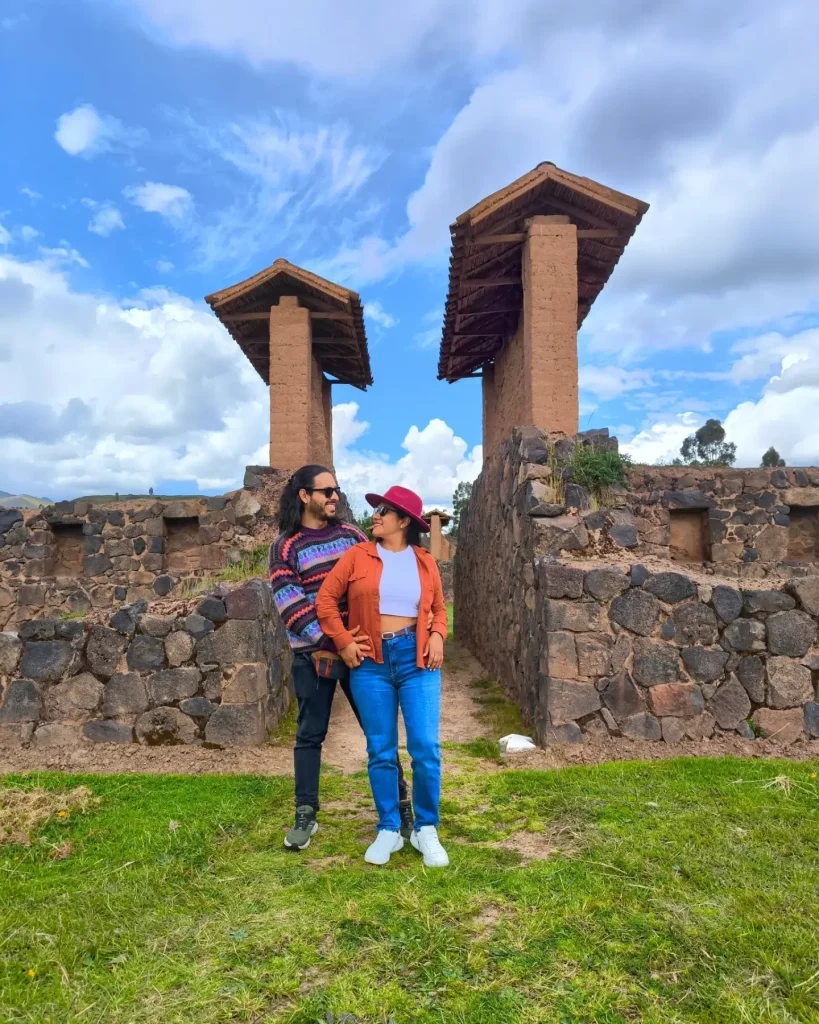
The Raqchi archaeological site offers several areas of interest for those wishing to explore Andean history. In addition to the famous temple, there are other sectors that help visitors better understand the daily life of the settlement.
The ruins of Raqchi include long rows of colcas used to store agricultural products and goods intended for state supply. These structures demonstrate the economic importance the complex once held within the Inca administrative network.
Visitors can also explore large open areas where ceremonial and communal activities were once carried out. In addition, there are spaces associated with the daily life of those who permanently inhabited the site.
The archaeological complex allows visitors to appreciate different aspects of imperial organization during a single visit. For that reason, many travelers consider the experience particularly enriching from a cultural and historical perspective.
Location of Raqchi and Access from Cusco
Understanding where Raqchi is located is essential for planning a visit properly. The complex is situated in the district of San Pedro, within the province of Canchis, in the region of Cusco.
Its location makes it easy to include within several tourist circuits that travel along the southern Andean corridor. In addition, it is close to other cultural and natural attractions.
The distance from the city of Cusco allows travelers to complete the excursion in a single day. Therefore, many visitors take advantage of the route to combine the experience with nearby attractions.
The surrounding environment features landscapes typical of the southern Peruvian Andes. Likewise, local communities preserve traditions related to agriculture and artisan crafts.
Getting to Raqchi and Transportation Options
For those seeking information on how to get to Raqchi, several options are available from the city of Cusco. The most common alternative consists of traveling by road following the route that connects with the province of Canchis.
Organized tourist services generally include transportation and a specialized guide. In addition, they often allow visitors to discover other attractions located along the route.
It is also possible to use public transportation to nearby towns and then continue using local services. However, this option requires more detailed planning.
Before organizing the visit, it is advisable to consider factors related to weather, altitude, and site operating hours. In this way, the experience becomes more comfortable and allows better use of available time.
Tour of Raqchi and Visitor Experience
A tour of Raqchi usually begins in the main sector of the archaeological complex. From there, visitors can gradually move through the various spaces that form the monumental site.
A visit to Raqchi allows travelers to observe ceremonial structures, administrative areas, and storage sectors. In addition, the pathways facilitate movement between the different points of interest.
During the tour, it is advisable to dedicate sufficient time to observing architectural details. Likewise, the presence of large open spaces enhances appreciation of both the landscape and the layout of the settlement.
Many visitors choose to complete the experience with specialized guides. This option provides a better understanding of the purpose of each structure and places archaeological findings within the broader context of regional history.
Importance of Raqchi Within Cultural Tourism in Cusco
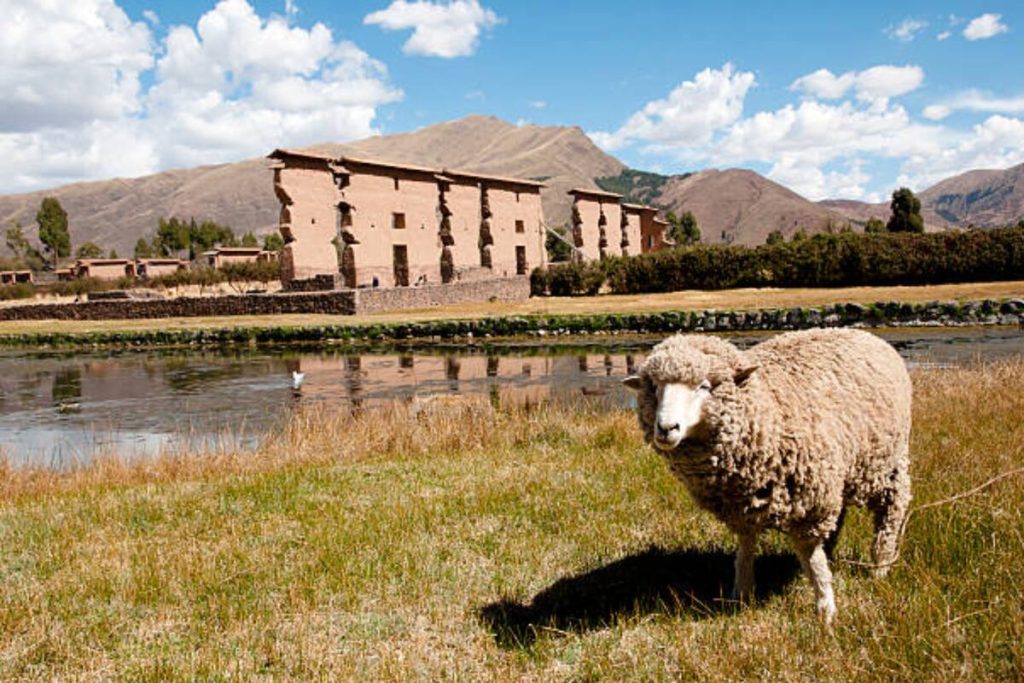
The importance of Raqchi extends beyond archaeology. This site serves as a valuable testimony to the political, economic, and religious organization developed by the Incas. In addition, it represents an opportunity to diversify tourist circuits beyond the most traditional destinations.
The tourist attraction of Raqchi lies in the possibility of combining cultural heritage, Andean landscapes, and experiences connected to local communities. Therefore, it offers an interesting alternative for travelers who wish to deepen their understanding of Peruvian history.
Likewise, the conservation of the site contributes to protecting an important historical legacy. Thanks to these efforts, future generations will continue to study and appreciate this exceptional place.
The growing number of visitors demonstrates the interest in destinations that complement the classic routes of Cusco. However, the site maintains a more peaceful atmosphere than other internationally famous archaeological complexes.
Raqchi Guide and Recommendations for Making the Most of the Experience
A proper Raqchi guide should consider aspects related to preparation and respect for cultural heritage. In addition, several recommendations can help visitors enjoy the experience more fully.
Among the most important suggestions are:
- Bring sun protection.
- Wear clothing suitable for temperature changes.
- Stay properly hydrated.
- Respect protected areas.
- Follow authorized pathways.
- Hire guides when a more detailed explanation is desired.
- Allow enough time for the complete tour.
The combination of preparation and prior knowledge facilitates a more enriching experience. In addition, it allows visitors to better understand the historical value of the site.
For those who still wonder What Is Raqchi, the best answer is found through the direct experience of exploring this important legacy of the Andean world.
Frequently Asked Questions
1. Is Raqchi part of the Qhapaq Ñan?
Yes, the complex maintains a close relationship with the road network known as the Qhapaq Ñan. During the Inca period, this network connected different territories through strategic roads. The location of Raqchi favored the movement of people, goods, and information. In addition, its administrative and ceremonial functions were linked to the control of important routes within the empire.
2. Is Raqchi recommended for visiting with children?
The visit is generally suitable for families with children because the main route does not present major technical difficulties. In addition, the open spaces allow for comfortable walking. However, it is advisable to supervise children at all times and consider the climatic conditions typical of the Andean region.
3. How much time is needed to explore the archaeological complex?
Most visitors spend between one and two hours exploring the main route. However, those wishing to examine the site in greater detail may remain longer. The duration also depends on personal interest, walking pace, and whether the visit includes a specialized guide.
4. Are there nearby communities that can be visited during the tour?
Yes, the surroundings of Raqchi include communities that preserve traditions related to agriculture, handicrafts, and various Andean cultural expressions. Some tourist circuits include complementary activities that allow visitors to discover these local traditions and better understand the relationship between archaeological heritage and community life.
5. What is the best time of year to visit Raqchi?
The dry season generally offers more favorable conditions for transportation and sightseeing. However, the site can be visited throughout much of the year. It is advisable to check weather conditions before traveling in order to plan the experience properly.
Discover our Peru travel packages and let us organize the perfect adventure for you. Request your quote for your trip to Cusco today!