Month

June 2026

Huchuy Qosqo: Why Did the Incas Call It “Little Cusco”?

Huchuy Qosqo is one of the most interesting Inca settlements in the Sacred Valley of the Incas. Its name means “Little Cusco” in Quechua and has attracted the interest of researchers, hikers, and travelers for decades. Located on a plateau with broad views of the valley, this ancient administrative and residential center pr+eserves stone structures, agricultural terraces, and ceremonial spaces that help visitors better understand the organization of the Inca world. In addition, the growing popularity of a visit to Huchuy Qosqo has made the site an alternative for those who wish to explore places less crowded than other destinations in the region. Its strategic location, its connection with Inca nobility, and its impressive landscapes help explain why it received a name so closely linked to the ancient imperial capital.

History of Huchuy Qosqo and the Origin of Its Name

The history of Huchuy Qosqo is closely linked to the reign of the Inca ruler Viracocha, who governed before the rise of Pachacútec. Various studies indicate that the complex served as a royal residence and administrative center. Its location allowed control over important agricultural areas of the valley and supervision of communication routes connecting different regions of the empire.

The current name comes from Quechua. The word “huchuy” means small, while “qosqo” means Cusco. Although there is no Inca document that directly explains the exact origin of this designation, many specialists believe that the site had urban and administrative characteristics that resembled the imperial capital. Therefore, the local population eventually associated it with a smaller version of the main city.

During the colonial period, the site underwent important changes. However, much of its construction remained standing thanks to the quality of Inca engineering. Today, Huchuy Qosqo is part of Peru’s archaeological heritage and receives visitors interested in Andean culture.

Strategic Location Within the Sacred Valley

The location of Huchuy Qosqo helps explain its importance within the Inca territorial organization. The complex is situated more than 11,500 feet above sea level on a natural platform that overlooks large sections of the valley.

From this point, visitors can observe agricultural sectors, traditional villages, and natural routes used since pre-Hispanic times. In addition, the elevated position offered defensive advantages and allowed surveillance of movements throughout the territory.

The proximity to present-day communities such as Lamay makes access easier for visitors. However, the surrounding environment maintains a rural and peaceful atmosphere. This combination allows travelers to enjoy Andean landscapes while exploring historic structures.

Many travelers consider the Sacred Valley viewpoints found in the area to be one of the main highlights of the experience. From different sections of the complex, visitors can enjoy panoramic views of the Urubamba River, the surrounding mountains, and the agricultural terraces that characterize this region of Peru.

The Huchuy Qosqo Archaeological Complex and Its Role in the Inca World

The Huchuy Qosqo archaeological complex features architectural elements that reflect different functions within Inca society. Archaeologists have identified residential sectors, storage areas, ceremonial spaces, and extensive agricultural terraces.

One of the most notable structures is a building constructed with stone and adobe. This type of architectural combination demonstrates the Incas’ ability to adapt to available resources. In addition, several structures preserve trapezoidal niches and details characteristic of imperial engineering.

The layout of the spaces suggests careful planning. Different sectors were connected by internal pathways that facilitated the movement of people and goods. Therefore, the site did not function solely as a temporary residence.

Among the most important elements of the complex are:

  • Administrative buildings.
  • Residential enclosures.
  • Storage facilities.
  • Agricultural terraces.
  • Ceremonial spaces.
  • Water distribution channels.

The presence of these structures reinforces the idea that Huchuy Qosqo played an important role in the regional administration of the empire.

Inca Architecture in Peru Reflected in Huchuy Qosqo

Inca architecture in Peru is recognized for its construction precision and for integrating buildings with the natural environment. In Huchuy Qosqo, visitors can observe several examples of these characteristics.

The agricultural terraces demonstrate advanced knowledge of hydraulic engineering. These platforms helped control soil erosion and made better use of local climate conditions. In addition, they supported food production for local communities.

The stone walls display construction techniques developed over centuries. Although some sectors show later restoration work, much of the architecture preserves original features. This allows visitors to appreciate the skill of Inca builders.

Another important aspect is the orientation of certain structures. Many were designed while considering environmental and topographic factors. As a result, the buildings blend naturally with the mountains and terrain variations.

The combination of functionality, durability, and adaptation to the landscape makes Huchuy Qosqo an excellent example of architecture developed by the Incas.

Trekking to Huchuy Qosqo and Access Routes

Trekking to Huchuy Qosqo has become one of the favorite activities for travelers seeking different experiences in the Cusco region. There are several routes to reach the complex, each with unique characteristics.

The best-known option begins near Tambomachay, on the outskirts of Cusco. This route crosses high Andean landscapes, lagoons, and rural communities before descending toward the archaeological site. The journey is usually completed in one day.

Another alternative is to access the site from Lamay, located in the Sacred Valley. This route involves a steady climb but requires less time than the route from the highlands near Cusco.

The Huchuy Qosqo hiking route offers advantages for different types of travelers. Some visitors prefer to complete the trek independently. However, many choose guided services to gain historical and cultural insights during the hike.

Before beginning any route, it is recommended to consider:

  1. Your level of altitude acclimatization.
  2. Weather conditions.
  3. Water availability.
  4. Proper footwear.
  5. Sun protection.

These measures help travelers enjoy the experience and reduce potential difficulties during the hike.

Huchuy Qosqo Tour and Day Trip from Cusco

The availability of a Huchuy Qosqo tour has grown in recent years due to interest from domestic and international travelers. Many tour operators include transportation, professional guides, and logistical support throughout the excursion.

A day trip from Cusco allows visitors to explore the complex within a single day. This option is convenient for travelers with limited time. In addition, it provides the opportunity to combine the experience with other nearby destinations in the Sacred Valley.

Organized tours typically include explanations about local history, the purpose of the structures, and traditions that remain alive in nearby communities. Therefore, visitors gain a broader understanding of the cultural context.

Among the main benefits of booking a tour are:

  • Transportation arrangements.
  • Specialized historical information.
  • Greater safety during the hike.
  • Efficient use of available time.
  • Logistical support in case of emergencies.

These features have made Huchuy Qosqo an increasingly popular option within cultural tourism in Cusco.

Inca Heritage of the Sacred Valley and Cultural Significance

The Inca heritage of the Sacred Valley includes numerous ceremonial, agricultural, and administrative centers. Within this group, Huchuy Qosqo holds an important position due to its state of preservation and historical relevance.

The site helps visitors understand fundamental aspects of the empire’s political and economic organization. In addition, it demonstrates the relationship between ruling elites and the valley’s agricultural resources.

Archaeological research continues to provide new information about the function of the complex. Thanks to these studies, it is possible to reconstruct part of the daily life of those who inhabited the region centuries ago.

The preservation of the site also benefits nearby communities. Tourism development creates economic opportunities related to guiding services, transportation, and local gastronomy. However, heritage protection remains a priority to ensure the conservation of existing structures.

Archaeological Tourism in Cusco and Cultural Experiences

Archaeological tourism in Cusco often focuses on widely known sites. However, Huchuy Qosqo offers a different experience thanks to its lower visitor numbers and natural surroundings.

The combination of history, archaeology, and hiking allows travelers to enjoy a complete activity. In addition, many visitors appreciate the opportunity to walk along traditional paths used for centuries by Andean populations.

The experience also encourages interaction with local communities. During some tours, visitors can observe traditional agricultural practices and learn about aspects of contemporary Quechua culture.

Furthermore, the natural environment enriches the visit. Mountain landscapes, agricultural terraces, and panoramic views provide an ideal setting for understanding the relationship between the Incas and their territory.

Things to See in Huchuy Qosqo During Your Visit

When planning a visit to Huchuy Qosqo, it is useful to know the main points of interest within the complex. Each sector contributes different information about the history and operation of the settlement.

Among the most notable features are:

  • Large agricultural terraces.
  • Finely crafted stone structures.
  • Adobe-walled buildings.
  • Hydraulic channels.
  • Ceremonial spaces.
  • Panoramic views of the Sacred Valley.

In addition, many visitors enjoy the natural environment surrounding the complex. The mountains and agricultural fields create a landscape characteristic of the Peruvian Andes.

Photography opportunities are also abundant. During the early morning and late afternoon, conditions are favorable for capturing images of both the site and the surrounding scenery.

The variety of attractions makes Huchuy Qosqo a suitable destination for history enthusiasts as well as hiking lovers.

Inca Ruins in Cusco and the Uniqueness of Huchuy Qosqo

The Inca ruins in Cusco include some of the most important archaeological complexes in South America. However, Huchuy Qosqo stands out for several distinctive characteristics.

Its elevated location provides a different perspective of the territory. In addition, access through hiking routes adds an adventurous element that is not always present at other archaeological sites.

Another distinguishing factor is the sense of tranquility. Although the site receives visitors throughout the year, attendance is generally lower than at other famous destinations in the region. This allows travelers to explore the structures at a more relaxed pace.

The combination of historical value, Andean landscapes, and relative accessibility has helped strengthen the reputation of Huchuy Qosqo within Peruvian cultural tourism. Therefore, it continues to attract travelers interested in discovering lesser-known aspects of Inca civilization.

Frequently Asked Questions

1. What Is the Best Time to Visit Huchuy Qosqo?

The dry season, between May and September, usually offers better conditions for hiking and enjoying clear views. During these months, rainfall is less frequent and trails are generally in better condition. However, there is also a higher number of visitors. The rainy season may provide greener landscapes, although some routes can become more challenging due to mud and moisture.

2. How Long Does a Complete Visit to Huchuy Qosqo Take?

The duration depends on the route selected. A trip from Lamay may require half a day, including the ascent, visit, and return. In contrast, the hike from Tambomachay generally takes a full day. Organized tours usually allocate enough time to explore the main structures and enjoy the panoramic views.

3. Is It Necessary to Hire a Guide to Enter the Site?

It is not always mandatory, but having a guide significantly improves the experience. A professional can explain the purpose of the structures, the historical context, and the archaeological research conducted at the site. In addition, guides help visitors interpret details that might otherwise go unnoticed during an independent visit.

4. What Is the Difficulty Level of the Trek to Huchuy Qosqo?

The difficulty varies according to the selected route. Some hikes include long ascents and sections located at high altitude. For this reason, proper acclimatization is recommended before beginning the trek. People with basic hiking experience usually complete the route without major problems when maintaining a steady pace.

5. What Items Should You Bring During the Excursion?

It is recommended to bring sufficient water, sunscreen, a hat, clothing suitable for changing temperatures, and hiking shoes. Energy snacks and a waterproof jacket are also useful. Weather conditions can change quickly in Andean regions, so proper preparation improves comfort and safety throughout the experience.

Discover our travel packages to Peru and let us organize the perfect adventure for you. Request your quote for your trip to Cusco today!

What Is the Difficulty of Climbing Huayna Picchu? Is It Really Worth the Effort

The question of how difficult it is to climb Huayna Picchu is one of the most common among travelers planning to visit Machu Picchu. This mountain has become one of the most sought-after experiences within the historic sanctuary because of the combination of adventure, history, and scenery it offers. However, many people have doubts before booking their entry because they have seen photographs of steep trails, narrow paths, and stairways built into the mountain. The reality is that the difficulty exists, but it is not extreme for most visitors. The experience depends on factors such as physical condition, age, adaptation to altitude, and confidence when walking on mountain trails. Therefore, understanding how difficult it is to climb Huayna Picchu helps travelers make informed decisions and better plan their visit. In addition, knowing the actual characteristics of the hike helps avoid unrealistic expectations and allows visitors to fully enjoy one of the most iconic routes in the surroundings of Machu Picchu.

Importance of Huayna Picchu Within the Machu Picchu Visit

The mountain of Huayna Picchu forms part of the most recognizable image of the archaeological complex of Machu Picchu. Its location behind the citadel creates the view that appears in thousands of photographs taken each year by visitors from around the world. However, its importance is not limited to its visual appeal. During the Inca period, this mountain had ceremonial and strategic functions associated with the sanctuary. Today, walking its trails allows visitors to observe archaeological structures, agricultural terraces, and areas that cannot be seen from the traditional circuits. In addition, the hike offers a completely different perspective of the citadel. Many travelers believe that the combination of nature and history makes this route one of the most interesting activities in the Cusco region. For this reason, when evaluating how difficult it is to climb Huayna Picchu, it is also important to consider the cultural and scenic value that this experience adds to a visit to Machu Picchu.

How Difficult It Is to Climb Huayna Picchu According to Physical Condition

The answer to how difficult it is to climb Huayna Picchu depends largely on each person’s physical preparation. Those who exercise regularly usually consider the hike moderately difficult. On the other hand, people with a sedentary lifestyle may experience greater fatigue during the route. The trail requires consistent effort due to the steep terrain and the presence of numerous stone steps. However, the route does not require mountaineering skills or professional trekking experience. In addition, most visitors complete the ascent without needing specialized equipment. The key is maintaining a steady pace and avoiding rushing during the climb. Many people make the mistake of moving too quickly during the first few minutes. As a result, they experience fatigue before reaching the more demanding sections. A relaxed pace allows for better energy management and greater enjoyment of the scenery. Therefore, basic physical preparation is usually enough to successfully complete the route.

Huayna Picchu Trail and Characteristics of Hiking on Huayna Picchu

The Huayna Picchu trail follows ancient paths built by the Incas. The route passes through forested areas, stone stairways, and sections where vegetation completely surrounds the path. Hiking on Huayna Picchu stands out because it offers a balanced combination of adventure and historical heritage. Throughout the hike, several panoramic viewpoints provide opportunities to rest while admiring the surrounding landscapes. In addition, the route is clearly marked and defined to ensure visitor safety. Although there are some narrow sections, these are part of a controlled and monitored trail. The incline gradually increases as elevation is gained. For this reason, many people feel that the effort becomes greater during the second half of the ascent. However, short breaks allow for quick recovery. Understanding the characteristics of the Huayna Picchu trail helps visitors develop realistic expectations regarding the level of challenge involved.

Huayna Picchu Stairs and the Most Demanding Sections

The famous Huayna Picchu stairs are among the best-known features of the route. These structures were built by the Incas using the mountain’s natural rock. Some sections contain tall and uneven steps that require additional attention during the ascent. Despite the reputation they have gained through social media and photographs, most visitors complete them without major difficulties. The main challenge is related to the accumulated elevation gain rather than technical complexity. In addition, there are handrails and areas where hikers can stop briefly to rest. The perception of difficulty often increases for people who are not accustomed to climbing stairs for extended periods. However, maintaining a consistent pace significantly reduces physical strain. When evaluating how difficult it is to climb Huayna Picchu, the stairways are often the aspect that concerns travelers the most. Fortunately, practical experience shows that they are manageable for most visitors who take their time.

Huayna Picchu Climbing Time and Recommended Pace

The time required to climb Huayna Picchu varies depending on physical fitness, weather conditions, and each visitor’s pace. In general, the ascent takes between one and two hours. The descent usually requires less time. However, many tourists spend additional minutes taking photographs or enjoying the various viewpoints along the route. Attempting to complete the hike too quickly provides no significant advantage. On the contrary, it may cause unnecessary exhaustion. It is more advisable to move at a steady pace and take advantage of resting areas when needed. In addition, walking slowly allows visitors to better appreciate the archaeological and natural features of the surroundings. The experience is not only about reaching the summit. Much of its appeal lies in the journey itself. Therefore, understanding the time required to climb Huayna Picchu helps visitors properly organize their day and enjoy each section without concerns about speed or performance.

Physical Preparation for Huayna Picchu and Altitude Adaptation

Physical preparation for Huayna Picchu can make a significant difference in the overall experience. Although specialized training is not necessary, it is advisable to engage in regular walks during the weeks before the trip. Simple activities such as daily walking, climbing stairs, or recreational hiking help improve cardiovascular endurance. In addition, altitude adaptation plays a fundamental role. Many visitors first arrive in Cusco, a city located at a considerably higher elevation than Machu Picchu. Spending a few days in the region before the hike allows the body to gradually adapt. It is also recommended to stay well hydrated and avoid excessive physical exertion during the first days of the trip. Good physical preparation does not completely eliminate fatigue. However, it makes the climb considerably easier and allows visitors to enjoy each stage of the journey more fully. Therefore, investing time in preparation often provides significant benefits during the visit.

Huayna Picchu Experience During the Hike

The Huayna Picchu experience combines elements that are rarely found together in other travel destinations. As the ascent progresses, the perspective of the citadel changes continuously. Each section offers new angles from which to observe the Inca structures and the surrounding mountain landscape. In addition, walking on paths built centuries ago adds a unique historical dimension. Many visitors describe the hike as an experience that demands physical concentration while allowing them to appreciate the natural surroundings. The route also creates a sense of personal accomplishment as hikers gradually overcome different challenges. For this reason, those researching how difficult it is to climb Huayna Picchu often discover afterward that the effort is only one part of a much broader experience. The combination of history, nature, and physical activity makes this hike one of the most memorable activities during a visit to Machu Picchu.

Views from Huayna Picchu and Huayna Picchu Attractions

The views from Huayna Picchu are one of the main reasons why thousands of people wish to complete this hike every year. From different points along the route, visitors can observe the citadel of Machu Picchu from unusual perspectives. In addition, the Urubamba River, the surrounding mountains, and the characteristic cloud forest vegetation create a landscape very different from that seen on the traditional circuits. Among the main Huayna Picchu attractions are the archaeological remains located in different sectors of the mountain. These structures demonstrate the extraordinary ability of Inca architecture to adapt to complex terrain. The visual experience changes constantly as elevation increases. Therefore, the effort invested during the ascent is often rewarded with unique panoramas that cannot be obtained from other areas of the sanctuary. This is one of the most important reasons why many travelers believe the hike is worthwhile.

Huayna Picchu and Machu Picchu as Part of the Same Experience

The relationship between Huayna Picchu and Machu Picchu helps visitors better understand the magnitude of the Inca legacy. Visiting the citadel provides a detailed view of the architecture and urban planning developed by this civilization. However, climbing the mountain adds a complementary perspective that expands the understanding of the geographical environment. From the summit, it is possible to appreciate how the Incas strategically utilized every feature of the landscape. In addition, the panoramic view highlights the privileged location of the historic sanctuary within the Andes. Many visitors believe that combining both experiences provides a more complete appreciation of the site. For this reason, travelers who manage to secure tickets for both activities often describe the visit as a comprehensive experience that combines culture, history, nature, and adventure in a single day.

Difference Between Huayna Picchu and Machu Picchu Mountain

The difference between Huayna Picchu and Machu Picchu Mountain is an important factor when planning a trip. Although both mountains offer spectacular views, they have distinct characteristics. Huayna Picchu is known for its steeper ascent and the presence of narrow trails in certain sections. In contrast, Machu Picchu Mountain offers a longer hike with less exposure. Those seeking a more adventurous experience often prefer Huayna Picchu. On the other hand, visitors who prefer a longer and more gradual hike usually choose the alternative mountain. Both options require advance reservations and have limited availability. The decision largely depends on personal interests and each traveler’s comfort level with mountain trails. Understanding these differences helps visitors choose the option that best matches their expectations.

Huayna Picchu Tickets and Entry Requirements

Huayna Picchu tickets are limited and often sell out well in advance. Due to high demand, it is advisable to make reservations several months before the planned travel date. The requirements to enter Huayna Picchu include presenting the identification document used during ticket purchase and respecting the assigned entry time. In addition, visitors must follow the regulations established for the conservation of the historic sanctuary. These measures aim to protect both the archaeological heritage and the mountain’s natural environment. Planning the purchase well in advance helps avoid inconveniences and increases the chances of securing availability during the tourist season.

Best Time to Climb Huayna Picchu and Essential Recommendations

The best time to climb Huayna Picchu depends on personal preferences and weather conditions. Early entry times usually offer cooler temperatures and a more peaceful experience. However, weather conditions can vary at any time of the day. Among the most important tips for climbing Huayna Picchu are carrying enough water, wearing appropriate footwear, using sun protection, and maintaining a steady pace. It is also advisable to avoid carrying unnecessary weight. These simple measures significantly improve the experience and reduce fatigue throughout the hike.

Huayna Picchu Tour from Cusco

A Huayna Picchu tour from Cusco can greatly simplify travel planning. Many agencies include transportation, logistical coordination, and assistance during the reservation process. In addition, these services often help manage train schedules, bus transfers, and sanctuary entry arrangements. Hiring a tour is not mandatory. However, it can be useful for travelers who prefer a simpler planning process. Regardless of the chosen option, booking in advance remains one of the most important factors in securing access to the mountain.

Frequently Asked Questions

1. Is there a daily visitor limit for Huayna Picchu?

Yes. The authorities responsible for the sanctuary strictly regulate the number of visitors allowed each day. This measure helps protect the archaeological heritage and minimize environmental impact. Because of this limitation, tickets often sell out quickly throughout much of the year.

2. Can trekking poles be used on Huayna Picchu?

The use of trekking poles is subject to specific regulations. In some cases, only poles with protective tips are allowed. Requirements may vary according to current regulations, so it is advisable to verify the latest conditions before visiting.

3. Is it recommended to climb Huayna Picchu during the rainy season?

Yes, it is possible to complete the hike during the rainy season. However, the trails can become more slippery. For this reason, it is essential to wear appropriate footwear and exercise greater caution throughout the route.

4. Can people with vertigo climb Huayna Picchu?

It depends on each person’s level of sensitivity. Some sections provide views of steep slopes. However, many visitors with a moderate fear of heights successfully complete the hike. Evaluating personal comfort levels before the visit is essential.

5. Is climbing Huayna Picchu worth the physical effort required?

For most visitors, the answer is yes. The combination of history, scenery, archaeology, and panoramic views makes this hike highly valued. Although the physical effort is evident, many people believe that the visual and cultural rewards fully justify the ascent.

Discover our travel packages to Peru and let us organize the perfect adventure for you. Request your quote for your trip to Cusco today!

What to See in Machu Picchu: Must-See Places Inside the Inca Citadel

Visiting Machu Picchu is one of the most sought-after experiences for travelers visiting Peru. Knowing what to see in Machu Picchu allows visitors to make the most of their time inside the citadel and understand the historical importance of this archaeological site. Declared a World Heritage Site by UNESCO and considered one of the New Seven Wonders of the World, this Inca complex welcomes visitors from across the globe. In addition, each sector of the citadel serves a specific function within the urban organization developed during the period of the Inca Empire.

When planning a visit, many people want to know exactly what to see in Machu Picchu so they do not miss the most significant sites. Due to current regulations, visits are conducted through established routes. Therefore, it is important to know the main attractions before entering. In addition, understanding the layout of the citadel helps visitors better appreciate its buildings, agricultural terraces, temples, and ceremonial spaces. The combination of architecture, landscape, and cultural heritage makes this destination one of the most important places in South America.

History of the Inca Citadel

Understanding what to see in Machu Picchu requires learning about the history of the Inca citadel. Specialists believe the city was built during the 15th century under the rule of Emperor Pachacutec. Its strategic location in the mountains allowed the development of an administrative, religious, and residential center adapted to the complex Andean geography.

For centuries, the site remained hidden among the mountain vegetation. However, its existence never completely disappeared from local memory. Later, the citadel began receiving international attention during the 20th century. Since then, numerous studies have helped researchers better understand its role within the political and religious organization of the Inca world.

The urban planning demonstrates a profound knowledge of engineering and architecture. In addition, the buildings were carefully adapted to the natural topography. Therefore, walking through the citadel allows visitors to observe construction solutions that continue to impress researchers and travelers alike. Understanding the history of the Inca citadel helps visitors appreciate every structure within the archaeological complex.

Machu Picchu Circuits and Route Organization

Today, visitors must explore the citadel through the different Machu Picchu circuits established by authorities. This system aims to protect the archaeological heritage and improve the visitor experience. In addition, it allows for a proper distribution of people throughout the historic sanctuary.

When researching what to see in Machu Picchu, it is essential to review the available routes in advance. Each circuit provides access to specific sectors of the citadel. Therefore, the chosen route directly influences which areas can be visited during the day.

The options may vary according to the season and current regulations. However, they generally provide access to agricultural zones, urban sectors, temples, and main viewpoints. In addition, some routes include complementary hikes to nearby mountains. Due to these differences, reviewing the Machu Picchu circuits beforehand helps visitors plan their trip more effectively.

Machu Picchu Tickets and Circuits

The availability of Machu Picchu tickets and circuits is regulated through daily visitor quotas. For this reason, purchasing tickets in advance is highly recommended. Especially during the high season, tickets can sell out quickly.

Tickets are associated with specific entry times. In addition, each ticket corresponds to a designated route within the archaeological complex. Therefore, choosing the correct Machu Picchu tickets and circuits is essential for accessing the areas that interest visitors the most.

Most Important Places in Machu Picchu

Among the most important places in Machu Picchu are several structures that reflect the architectural achievements of the Incas. These locations are among the main points of interest included in most authorized routes.

Many travelers search for information about what to see in Machu Picchu because they want to identify the most representative sectors before entering. In addition, knowing these places in advance helps visitors better understand the overall organization of the citadel. Each structure has unique characteristics associated with religious, administrative, or residential functions.

The main sites include:

  • Temple of the Sun
  • Intihuatana
  • Sacred Plaza
  • Main Temple
  • Temple of the Three Windows
  • Agricultural Sector
  • Royal Residence
  • Sacred Rock
  • Quarry Sector
  • Ceremonial Fountains

These places are among the most visited sectors within the archaeological sanctuary. Therefore, they form an essential part of any list related to what to see in Machu Picchu.

Temple of the Sun in Machu Picchu and Ceremonial Spaces

The Temple of the Sun in Machu Picchu is one of the most recognized structures in the entire citadel. Its semicircular design stands out within the architectural complex due to the precision of its walls and its strategic location.

Researchers believe this space served a ceremonial function related to sun worship. In addition, the orientation of certain windows demonstrates advanced astronomical knowledge. During specific times of the year, sunlight enters the structure in a particular way.

When analyzing what to see in Machu Picchu, this temple occupies a priority position because of its historical relevance. In addition, it represents one of the finest examples of religious architecture developed during the Inca period. The quality of the stonework and its integration with the natural environment continue to attract researchers and visitors.

Near the temple, other important ceremonial structures can also be found. Therefore, this area contains a significant portion of the cultural and archaeological value present within the citadel.

Intihuatana in Machu Picchu and Religious Symbolism

The Intihuatana in Machu Picchu is one of the most iconic elements of the archaeological site. This carved stone structure is located in an elevated area from which visitors can enjoy broad views of the citadel and the surrounding mountains.

Its name is often translated as “the place where the sun is tied.” However, studies continue to explore its exact function. Many specialists believe it was connected to astronomical observations and ceremonial activities associated with the agricultural calendar.

Within the tourist routes, the Intihuatana in Machu Picchu stands out as one of the most photographed locations. In addition, its position provides a privileged perspective over different sectors of the archaeological complex. Therefore, those researching what to see in Machu Picchu usually include this monument among their top priorities.

The precision of its construction demonstrates the technical mastery achieved by Inca builders. In addition, it reflects the importance of astronomical phenomena within the Andean worldview.

Sacred Plaza of Machu Picchu and Main Buildings

The Sacred Plaza of Machu Picchu brings together some of the most important ceremonial structures within the complex. This open space functioned as a gathering point for religious activities and community events.

Surrounding the plaza are notable buildings such as the Main Temple and the Temple of the Three Windows. These structures demonstrate an exceptional level of precision in stone construction. In addition, they feature architectural characteristics associated with ceremonial and administrative functions.

The Sacred Plaza of Machu Picchu allows visitors to appreciate the urban organization developed by the Incas. Therefore, it is an essential stop on any route. Those seeking to discover what to see in Machu Picchu will find this area an excellent opportunity to understand the symbolic importance of public spaces within the citadel.

The spacious layout makes it possible to observe several buildings simultaneously. In addition, it offers interesting perspectives for visitors wishing to appreciate the architectural details found in the principal monuments.

Machu Picchu Tourist Attractions and Best Viewpoints

The main Machu Picchu tourist attractions include both archaeological structures and natural landscapes. This combination explains much of the destination’s international appeal.

The best viewpoints in Machu Picchu provide panoramic views of the citadel and its mountainous surroundings. From these locations, visitors can appreciate the integration between architecture and nature. In addition, they offer some of the most recognizable images of the archaeological site.

Among the most sought-after locations are:

  1. The upper agricultural terrace area.
  2. Elevated sectors near the Guardhouse.
  3. Viewpoints associated with complementary routes.
  4. Areas near Machu Picchu Mountain.
  5. Panoramic spots close to Huayna Picchu.

When deciding what to see in Machu Picchu, viewpoints play an important role due to the photographic opportunities they provide. In addition, they help visitors better understand the overall layout of the archaeological complex.

Huayna Picchu Experience and Machu Picchu Mountain Hiking

The Huayna Picchu experience is one of the most popular activities among travelers seeking to complement the traditional visit. This mountain rises behind the citadel and offers a different perspective of the landscape.

The ascent requires moderate physical effort. However, the views obtained throughout the hike make the effort worthwhile. In addition, the trail provides access to lesser-known archaeological sectors that form part of the citadel’s historical surroundings.

Meanwhile, Machu Picchu Mountain hiking represents another alternative for visitors interested in high-altitude trekking. This route reaches a higher elevation than Huayna Picchu. In addition, it offers expansive views of the historic sanctuary and surrounding mountains.

Both options have limited visitor quotas. Therefore, planning ahead is highly recommended. For many travelers, these complementary routes significantly enrich the overall experience within the archaeological site.

Tour Through Machu Picchu and Visit Planning

A well-organized tour through Machu Picchu allows visitors to make the most of their time inside the citadel. Due to current restrictions, each visitor must follow the authorized route associated with their ticket.

Before entering, it is advisable to become familiar with the general map of the site. In addition, identifying in advance what to see in Machu Picchu helps prioritize the areas of greatest interest. This preparation allows visitors to optimize their time during the visit.

A well-planned tour typically includes:

  • Main viewpoints.
  • Agricultural sectors.
  • Ceremonial areas.
  • Major temples.
  • Urban spaces.
  • Residential structures.

Planning should also consider weather conditions and entry schedules. Therefore, organizing a proper tour through Machu Picchu contributes to a more complete and enjoyable experience.

Tourism in Machu Picchu Peru and Visitor Recommendations

Tourism in Machu Picchu Peru continues to grow due to international interest in Andean history and culture. Thousands of travelers arrive every year to explore one of the continent’s most important archaeological sites.

When researching what to see in Machu Picchu, it is also useful to consider practical aspects related to the visit. In addition, proper preparation helps visitors enjoy the experience within the historic sanctuary more fully.

Tips for Exploring Machu Picchu

The main tips for exploring Machu Picchu include:

  • Purchase tickets in advance.
  • Arrive on time for your assigned entry slot.
  • Wear comfortable footwear.
  • Bring sun protection.
  • Carry sufficient water.
  • Respect conservation regulations.
  • Follow authorized routes.

In addition, it is recommended to spend time observing the architectural details present throughout the site. Therefore, the experience becomes much more rewarding when planning is combined with careful observation.

Understanding what to see in Machu Picchu allows visitors to fully appreciate the cultural heritage preserved within the citadel. In addition, it supports a well-organized visit that highlights the most significant sectors of the archaeological complex.

Frequently Asked Questions

1. How Much Time Is Needed to Visit Machu Picchu Properly?

The duration depends on the selected circuit and each visitor’s pace. Most routes can be completed within several hours. However, travelers who choose additional mountain hikes usually require more time. In addition, many visitors prefer to move at a relaxed pace to observe architectural details and take photographs. Good planning helps maximize the experience in every authorized sector of the citadel.

2. Is It Recommended to Hire a Guide for Machu Picchu?

Having a guide can significantly enrich the experience. Guides provide historical, cultural, and architectural context about the various sectors of the complex. In addition, they help visitors understand details that might otherwise go unnoticed during an independent visit. Although it is not always mandatory, many travelers consider professional guidance a valuable addition to their tour.

3. What Items Are Restricted Inside Machu Picchu?

Regulations may be updated periodically. Restrictions generally involve oversized equipment, items that could affect the preservation of the site, and certain objects considered inappropriate for the sanctuary. In addition, authorities maintain rules designed to protect both the archaeological structures and the natural environment of the historic sanctuary.

4. What Is the Difference Between Huayna Picchu and Machu Picchu Mountain?

Both routes offer different experiences. Huayna Picchu features steeper trails and closer views of the citadel. On the other hand, Machu Picchu Mountain reaches a higher elevation and provides broader panoramic views. The choice depends on personal interests, physical condition, and ticket availability for each route.

5. Can Machu Picchu Be Visited During the Rainy Season?

Yes, the citadel remains open for most of the year. However, weather conditions can vary significantly between seasons. During the rainy months, visitors are advised to bring waterproof clothing and consider possible changes in visibility. Despite this, many travelers enjoy a different experience thanks to the greener landscape characteristic of that time of year.

Discover our travel packages to Peru and let us organize the perfect adventure for you. Request your quote for your trip to Cusco today!

What Is Corpus Christi in Cusco: History, Traditions, and Meaning of the Great Religious Festival

The celebration of Corpus Christi is one of the most important cultural and religious expressions in southern Peru. Understanding what Corpus Christi in Cusco is allows visitors to discover a tradition that combines elements of Catholicism with customs inherited from Andean communities. Every year, thousands of residents and visitors gather in the historic center to participate in ceremonies, processions, and activities that are part of the city’s cultural heritage. In addition, this festival represents a unique opportunity to appreciate the richness of Cusco culture and tradition in an environment full of history and symbolism.

For those visiting the former capital of the Inca Empire, discovering what Corpus Christi in Cusco is means experiencing one of the oldest celebrations in the region. During several days, religious images from different churches travel through the streets until they gather in the iconic Plaza de Armas of Cusco. Therefore, the city takes on a special atmosphere where faith, music, gastronomy, and local customs become the main attractions. This festival is not only important from a religious perspective but also holds strong social and cultural value that has remained alive for centuries.

Historical Origins of Corpus Christi in Cusco

Understanding what Corpus Christi in Cusco is requires reviewing its historical background. The festival was introduced during the colonial period by Spanish authorities with the purpose of spreading the Catholic faith among Andean populations. However, over time, the celebration incorporated cultural elements native to the region, creating a unique expression that distinguishes Cusco from other cities.

Before the arrival of the Spanish, the Incas held ceremonies dedicated to their main deities. Many of these activities coincided with dates close to the Catholic celebration of Corpus Christi. As a result of this coincidence, some traditional customs gradually became integrated into the new religious festivities. In addition, community participation maintained a structure similar to ancient Andean ceremonial gatherings.

The evolution of the festival reflects the encounter between two different cultural traditions. Therefore, when analyzing what Corpus Christi in Cusco is, it also becomes a reflection of the cultural blending that characterizes much of Peruvian history. Today, the celebration is recognized as one of the most important religious manifestations in the country and forms part of the region’s cultural heritage.

Corpus Christi Cusco Celebration Date and Its Connection to the Cusco Festive Calendar

The Corpus Christi Cusco celebration date varies every year because it is linked to the Catholic liturgical calendar. This festival takes place approximately sixty days after Easter Sunday. Therefore, it is usually celebrated between May and June, depending on the date of Holy Week.

Within the Cusco festive calendar, this celebration holds a prominent place due to its historical and religious significance. In addition, it coincides with a season when the city receives a large number of visitors interested in traditional cultural expressions. During these weeks, various activities complement the main festival and enrich the experience of those arriving in the city.

Travel planning is essential for those wishing to participate in the festivities. Due to high tourist demand, many hotels and services reach high occupancy levels months in advance. Therefore, knowing the Corpus Christi Cusco celebration date makes it easier to organize an itinerary and enjoy all scheduled activities. In addition, many travelers combine this festival with visits to other attractions in the region.

Saints and Virgins of Corpus Christi and the Entrance of Saints in Cusco

One of the most representative aspects of the festival is the participation of the saints and virgins of Corpus Christi. Each image belongs to a specific parish or community and is transported from its church to the historic center of the city. These images hold deep religious and cultural significance for the people of the region.

The traditional entrance of saints in Cusco is one of the most anticipated moments of the celebration. During this event, the images travel through the streets accompanied by musicians, dancers, and faithful followers. In addition, each delegation displays elements that reflect the identity of its community of origin.

Among the most recognized images are those associated with important historic churches of the city. Each one has unique characteristics and a history connected to the religious development of the region. Therefore, observing the arrival of these representations provides a better understanding of the cultural diversity found within the city itself.

The main participating images include:

  • Saint Anthony Abbot
  • Saint Jerome
  • Saint Christopher
  • Saint Sebastian
  • Saint Barbara
  • Saint Anne
  • Saint James the Apostle
  • Saint Blaise
  • Saint Peter
  • Saint Joseph
  • Virgin of the Nativity
  • Virgin of Remedies
  • Purified Virgin
  • Virgin of Bethlehem
  • Immaculate Conception Virgin

The Corpus Christi Procession in Cusco

The Corpus Christi procession in Cusco represents the central event of the entire festival. During this ceremony, the religious images gather around the Cusco Cathedral and participate in a solemn procession around the main square.

Thousands of people attend this event every year. In addition, the procession combines religious elements with traditional cultural expressions. The presence of musical bands, traditional dances, and ceremonial attire adds a cultural dimension that complements the spiritual character of the celebration.

The organization of the Corpus Christi procession in Cusco requires significant coordination between religious institutions, local authorities, and participating communities. Therefore, every detail is carefully prepared to ensure the proper development of activities. For many visitors, witnessing this ceremony provides an exceptional opportunity to experience a tradition that has remained alive for several centuries.

Religious Traditions of Cusco and Local Culture

The religious traditions of Cusco play a fundamental role in the identity of the city. Many of these expressions have been passed down from generation to generation and continue to form part of the daily life of numerous communities.

When analyzing what Corpus Christi in Cusco is, the close relationship between religion and local culture becomes evident. In addition, the celebrations reflect community values that strengthen ties among residents from different neighborhoods and districts. Families actively participate in organizing activities, preparing ceremonial clothing, and accompanying the religious images.

The Cusco culture and tradition are also expressed through music, dance, and artistic manifestations present during the festival. Therefore, Corpus Christi becomes a space where different elements of regional identity converge. This combination of religious and cultural components explains much of the significance the celebration continues to hold today.

Corpus Christi Cusco Gastronomy and the Traditional Chiriuchu

The Corpus Christi Cusco gastronomy is another aspect highly appreciated by residents and visitors. During the festival days, different areas of the city offer traditional dishes specifically associated with this celebration.

The undisputed centerpiece is the chiriuchu traditional dish of Cusco, considered one of the most representative foods of the festival. Its name means “cold spicy dish” in Quechua and combines ingredients from different regions of Peru. This characteristic symbolizes the cultural and historical diversity that defines the celebration.

Among the ingredients commonly included in the chiriuchu traditional dish of Cusco are:

  • Boiled chicken
  • Roasted guinea pig
  • Dried meat
  • Fresh cheese
  • Fish roe
  • Toasted corn
  • Corn tortilla
  • Rocoto pepper
  • Seaweed

The preparation maintains a long tradition within regional gastronomy. In addition, many visitors consider tasting this dish an essential part of the festive experience. Therefore, the Corpus Christi Cusco gastronomy complements the cultural and religious dimensions of the event.

Chiriuchu during Corpus Christi in Cusco
Traditional Chiriuchu dish in Cusco

Plaza de Armas of Cusco Festivities and Main Celebration Spaces

The Plaza de Armas of Cusco festivities concentrate much of the activity related to Corpus Christi. This historic space serves as a meeting point for religious delegations, authorities, and attendees.

The square enjoys a privileged location within the historic center. In addition, it is surrounded by important colonial buildings that contribute to the ceremonial atmosphere of the celebration. During the festival days, thousands of people gather around its surroundings to observe the processions and scheduled activities.

Besides the main square, other churches and streets within the historic center actively participate in the development of the festival. The images travel through different sectors before reaching their final destination. Therefore, the entire monumental area becomes a setting where religious tradition takes center stage.

The importance of the Plaza de Armas of Cusco festivities also lies in its role as a space for social integration. Local residents, national pilgrims, and international tourists converge there to witness one of the most important celebrations on the regional calendar.

Best Places to Watch Corpus Christi

Choosing the best places to watch Corpus Christi can make a significant difference in the visitor experience. Due to the large crowds, arriving early is highly recommended.

The most recommended locations include:

  1. The surroundings of the Plaza de Armas of Cusco.
  2. The access points near the Cusco Cathedral.
  3. The streets used by the religious images during their route.
  4. Authorized balconies of historic buildings.
  5. Elevated areas near the historic center.

Each location offers a different perspective of the celebration. In addition, some spots allow visitors to better appreciate the details of the religious images and the cultural expressions associated with the event. Therefore, planning the viewing location in advance is an important decision for those seeking a complete experience.

Cultural Tourism in Cusco and the Corpus Christi Experience for Tourists

Cultural tourism in Cusco finds one of its most important expressions in this festival. Every year, visitors from different countries arrive in the city motivated by the desire to experience authentic traditional celebrations.

The Corpus Christi experience for tourists combines historical, religious, and cultural elements. In addition, it offers the possibility of interacting with local communities that keep ancestral traditions alive. This close connection allows visitors to better understand the importance the celebration holds within Cusco society.

Those interested in cultural heritage experiences often consider this festival a particularly valuable opportunity. Therefore, the celebration contributes significantly to the city’s reputation as one of the leading cultural tourism destinations in South America. Likewise, many travelers use their stay as an opportunity to visit other important attractions in the region.

Tips for Visiting Cusco During Festivities

The tips for visiting Cusco during festivities are useful for enjoying a more organized and comfortable experience. Due to the large number of attendees, some aspects require advance planning.

The main recommendations include:

  • Book accommodations several months in advance.
  • Arrive early at viewing locations.
  • Wear clothing suitable for changing weather conditions.
  • Stay hydrated during activities.
  • Respect local religious traditions.
  • Follow established safety instructions.
  • Carry cash for small purchases.

In addition, it is advisable to dedicate several days to the visit. This approach allows participation in different activities related to the festival. Therefore, proper planning helps visitors make the most of the experience and avoid inconveniences during the busiest dates.

Current Importance of What Corpus Christi in Cusco Is

Understanding what Corpus Christi in Cusco is means recognizing its value within Peruvian cultural heritage. The celebration continues to play a significant role in the religious and social life of the city. In addition, it keeps numerous traditions alive that form part of the regional identity.

The continuity of this festival demonstrates the ability of cultural expressions to adapt over time. Therefore, what Corpus Christi in Cusco is goes beyond a specific religious celebration. It also represents a manifestation of collective memory, community participation, and historical continuity.

Today, thousands of people participate in the scheduled activities every year. In addition, the growing presence of international visitors helps spread awareness of this tradition beyond Peru. For this reason, understanding what Corpus Christi in Cusco is provides valuable insight into one of the most representative cultural events in the city.

Frequently Asked Questions

1. How Long Does the Corpus Christi Celebration in Cusco Last?

The festival takes place over several days and includes different religious and cultural activities. It generally features the entrance of the images, the main procession, and complementary ceremonies. In addition, some communities organize activities before and after the central celebration. Because of this, visitors can find Corpus Christi-related events lasting approximately one week, although the exact dates may vary slightly each year.

2. Is It Necessary to Purchase Tickets to Attend Corpus Christi Activities?

Most public activities take place in open spaces and can be observed free of charge. However, some private balconies, exclusive viewing areas, or specialized tourism services may require advance reservations. In addition, the main dates attract large crowds. Therefore, many visitors choose additional services to secure privileged viewing locations during the processions.

3. What Clothing Is Recommended During the Festival?

Comfortable clothing suitable for Cusco’s changing temperatures is recommended. Daytime conditions often include strong sun exposure, while mornings and evenings tend to be cooler. In addition, comfortable footwear is advisable because many people spend extended periods standing while watching the activities.

4. Are There Restrictions on Taking Photographs During the Ceremonies?

Photography is generally permitted in public areas. However, some religious ceremonies may require respectful behavior from attendees. In addition, certain religious institutions establish specific rules regarding professional equipment. Therefore, it is always advisable to follow organizers’ instructions and respect ongoing liturgical activities.

5. Can This Festival Be Combined With Other Tourist Attractions in Cusco?

Yes. Many visitors take advantage of the Corpus Christi season to explore other important destinations in the region. Among them are Machu Picchu, Sacsayhuamán, Pisac, Ollantaytambo, and the Sacred Valley of the Incas. In addition, the season usually offers favorable weather conditions for tourism activities. Therefore, it is an excellent opportunity to combine a cultural experience with historical and archaeological visits.

Discover our  Peru travel packages and let us organize the perfect adventure for you. Request your quote for your trip to Cusco today!

Humantay

Can You Camp Near Humantay Lake? Everything You Need to Know Before You Go

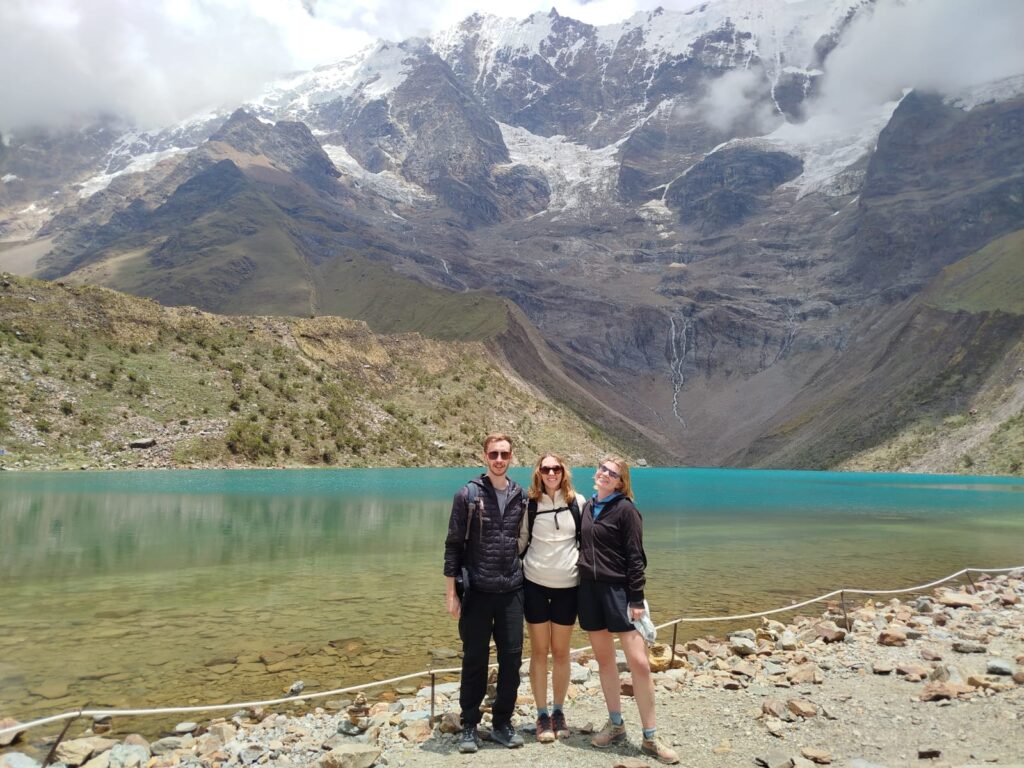
The question of whether you can camp near Humantay Lake is common among travelers who want a more complete experience in the Peruvian Andes. The answer is yes, although there are important aspects that should be understood before planning your visit. The lake is located in a high-mountain area within the region of Cusco, surrounded by the snow-capped peaks of Humantay and Salkantay, in a natural environment that receives thousands of visitors every year. However, the immediate area around the lake is subject to environmental conservation measures and community regulations designed to protect this glacier-fed ecosystem. Therefore, those wishing to spend the night nearby usually do so in designated areas of Soraypampa, the starting point of the hike. Understanding the weather conditions, altitude, available services, and necessary preparation is essential for enjoying this adventure safely while respecting the environment.

Can You Camp Near Humantay Lake and the Designated Areas for Camping

The answer to whether you can camp near Humantay Lake depends on the exact location where you intend to set up a tent. Although the lake is one of the region’s main natural attractions, environmental regulations do not allow camping directly on its shores. This measure aims to prevent negative impacts on the ecosystem, protect water sources, and preserve the natural landscape of Humantay. However, there are suitable areas in Soraypampa, a community located a few kilometers from the lake and considered the main base for excursions in the area. Many operators of the Salkantay Trek use this location as their first overnight stop because of its strategic position and visitor-friendly conditions. In addition, some campsites offer basic services, designated tent areas, and privileged views of the surrounding mountains. Thanks to these facilities, travelers seeking a closer connection with nature can enjoy the environment without affecting the protected area of the lake.

Camping in Soraypampa as the Main Alternative

Camping in Soraypampa is the most popular option for those who wish to spend a night near the lake. This area is located at approximately 3,850 to 3,900 meters above sea level, allowing better acclimatization before ascending to the lake itself. In addition, it offers rural lodges, organized campsites, and some establishments that provide meals for hikers. Due to its proximity to the main trail, many visitors begin the hike early in the morning to enjoy better weather conditions and fewer crowds. Staying in Soraypampa also makes it possible to appreciate the Andean scenery and enjoy a more relaxed experience than a one-day trip from the city of Cusco.

Route to Humantay Lake and Trail Characteristics

The route to Humantay Lake generally begins in Soraypampa, where an ascending trail leads visitors to the lake. The route features a steady incline and crosses mountain terrain characteristic of the Vilcabamba mountain range. Although the distance is not particularly long, the altitude significantly affects the level of physical effort required. For this reason, many visitors consider that the main challenge is not the distance itself but the reduced oxygen levels found in high-altitude environments. The trail is clearly marked and is used daily by both domestic and international travelers. During the ascent, hikers can observe mountain formations, high-altitude grasslands, and small streams fed by glacial meltwater. In addition, the surroundings provide excellent opportunities for photography and appreciation of the natural landscape of Humantay. The hike usually takes between one and a half and two hours each way, depending on individual pace.

Humantay Hike Difficulty and Physical Demands

The difficulty of the Humantay hike is generally classified as moderate. However, for people who are not accustomed to high elevations, it may feel considerably more challenging. The ascent includes steep sections that require a steady and controlled pace. In addition, reduced oxygen availability may cause fatigue even in physically active travelers. For this reason, it is advisable to avoid sudden exertion and take short breaks during the climb. Many tour operators recommend spending at least two days in Cusco before undertaking the excursion in order to improve acclimatization. This preparation often makes a significant difference in the overall hiking experience.

Humantay Lake Altitude and Its Effects on the Body

The altitude of Humantay Lake reaches approximately 4,200 meters above sea level. This characteristic makes it one of the highest natural attractions commonly visited on day trips from Cusco. At this elevation, the body undergoes physiological changes related to lower oxygen availability in the atmosphere. As a result, some people may experience symptoms associated with altitude sickness, especially if they ascend too quickly or arrive directly from lower elevations. Individual fitness levels influence how the body responds, although acclimatization remains the most important factor in reducing potential risks.

Altitude Sickness at Humantay and Preventive Measures

Altitude sickness at Humantay may present symptoms such as headaches, dizziness, nausea, or fatigue. These symptoms often appear during the ascent or shortly after reaching the lake. To reduce the likelihood of discomfort, it is recommended to stay hydrated, avoid heavy meals before the hike, and get adequate rest in the days leading up to the excursion. Likewise, walking slowly allows the body to adapt more gradually. If severe symptoms develop, the safest option is to descend and seek medical assistance if necessary.

Weather at Humantay Lake and Conditions Throughout the Year

The weather at Humantay Lake is characterized by rapid temperature changes due to its high altitude. During a single day, visitors may experience sunshine followed by fog, wind, or rain. This variability requires travelers to be prepared for a range of weather conditions. Mornings are usually cold, while solar radiation can be intense around midday. During the afternoon, particularly in the rainy season, there is a greater chance of precipitation and reduced visibility.

Best Time to Visit Humantay

The best time to visit Humantay is generally during the dry season, which extends from May through September. During this period, clear skies are more common and trail conditions are usually more favorable for hiking. In addition, visibility allows visitors to fully appreciate the lake’s distinctive turquoise color and the surrounding snow-capped mountains. However, nighttime temperatures can drop considerably. On the other hand, the rainy season offers greener scenery, although it increases the likelihood of slippery trails and sudden weather changes.

Humantay

Preparation for Visiting Humantay Lake

Proper preparation for visiting Humantay Lake contributes significantly to a smooth and enjoyable experience. Due to the altitude and mountain conditions, planning ahead is essential. In addition to considering acclimatization, visitors should review weather forecasts and organize the necessary equipment for varying environmental conditions.

What to Bring for a Humantay Hike

Among the most recommended items for those completing the Humantay Lake trek are:

  • Thermal clothing suitable for sudden temperature changes.
  • Windproof and waterproof jacket.
  • Hiking boots with good traction.
  • High-protection sunscreen.
  • Sun hat and warm hat for cold temperatures.
  • Sufficient water to stay hydrated.
  • Energy snacks that are easy to consume.
  • Optional trekking poles.
  • UV-protection sunglasses.
  • Lightweight and comfortable backpack.

Having this equipment improves safety and helps visitors better handle the conditions typical of high-mountain environments.

Humantay Lake Tours from Cusco and Independent Travel Options

Humantay Lake tours from Cusco are the most common way to visit this destination. They generally include tourist transportation, a professional guide, breakfast, and lunch. This option is convenient for travelers with limited time or those who prefer organized logistics. In addition, it allows access to the area without the need to arrange public transportation or additional transfers.

On the other hand, some travelers choose to visit independently. This alternative requires more planning and familiarity with local routes. However, it offers greater flexibility for those wishing to combine the visit with an extended stay in Soraypampa or complete part of the Salkantay Trek. Both options are valid, and the choice depends on budget, experience, and personal preferences.

Accommodation Near Humantay and Overnight Options

Accommodation near Humantay is concentrated mainly in Soraypampa. This area offers mountain lodges, rural cabins, and campsites prepared to receive hikers. Some facilities provide basic services such as meals, restrooms, and common areas for relaxation. Due to the growing popularity of the destination, tourism infrastructure has expanded in recent years. However, during peak season it is advisable to book accommodations in advance to ensure availability.

Those who choose to stay an extra night often enjoy a more relaxed experience. In addition, they have the opportunity to appreciate the mountain scenery at different times of day when visitor numbers decrease considerably.

Safety During the Humantay Trek and Final Travel Recommendations

Safety during the Humantay trek depends largely on proper preparation and the decisions made throughout the hike. Although the trail is widely used and does not present significant technical challenges, the altitude requires constant caution. Maintaining an appropriate pace, respecting personal physical limits, and following guide instructions help reduce risks. Likewise, it is important to remain on established trails to prevent accidents and minimize environmental impact.

The experience of visiting this destination combines nature, physical activity, and contact with Andean culture. In addition, it offers an authentic adventure experience in the Peruvian Andes, surrounded by glacial mountains and landscapes of significant ecological value. For this reason, understanding local regulations and respecting the environment are essential parts of a responsible visit.

Frequently Asked Questions

1. Is there phone signal and internet access near Humantay Lake?

Mobile phone coverage is limited throughout much of the route. Some areas of Soraypampa may receive signal depending on the service provider. However, travelers should not rely on having a stable connection during the hike. Some accommodations offer internet access, although service quality may vary due to the area’s geography. For this reason, it is advisable to download maps and important documents before beginning the trip.

2. Is it possible to visit Humantay Lake with young children?

Yes, it is possible, although the decision should be carefully considered. The high altitude can affect each person differently. In addition, the hike requires physical effort and endurance. Children who are accustomed to outdoor activities generally adapt more easily. However, it is important to consult a healthcare professional beforehand and ensure that children remain properly hydrated throughout the excursion.

3. Are pets allowed on the excursion?

High-mountain conditions may present challenges for many pets. In addition, some tour operators and accommodations have specific policies regarding animals. Before traveling, it is advisable to verify any restrictions and consider the animal’s well-being. Altitude, cold temperatures, and physical exertion can significantly affect pets.

4. How long should visitors stay in Cusco before visiting Humantay?

Most specialists recommend spending at least two days in Cusco before taking the excursion. This period helps improve acclimatization and reduces the risk of experiencing altitude-related symptoms. In addition, it allows the body to gradually adapt to Andean conditions, improving overall performance during the hike.

5. Is previous trekking experience required to reach Humantay Lake?

Previous hiking experience is not required. However, maintaining a reasonable level of physical fitness helps visitors complete the route more comfortably. The main challenge comes from the altitude rather than any technical aspects of the trail. Walking at a steady pace, staying hydrated, and resting when necessary are usually enough for most travelers to reach the lake without major difficulties.

Discover our  Peru travel packages and let us organize the perfect adventure for you. Request your quote for your trip to Cusco today!

What Is the Qoyllur Rit’i Dawn Trek Like? Complete Guide to the Pilgrimage

The experience of What Is the Qoyllur Rit’i Dawn Trek Like attracts thousands of pilgrims and travelers every year who seek to participate in one of the most important religious manifestations in the Andes. The hike takes place during the night and the early morning hours, when participants make their way toward the Qoyllur Rit’i Sanctuary under cold temperatures and high-mountain conditions. In addition to its spiritual significance, this journey allows visitors to learn about ancestral traditions that remain alive in the communities of Cusco. Therefore, understanding What Is the Qoyllur Rit’i Dawn Trek Like is essential for those who wish to experience this event safely and in an organized manner. The route combines faith, culture, and physical endurance. However, it also requires proper planning due to the altitude, weather conditions, and the duration of the journey. Many visitors consider that What Is the Qoyllur Rit’i Dawn Trek Like represents a unique opportunity to connect with a celebration recognized for its deep significance within Andean cultural heritage.

Importance of the Qoyllur Rit’i Cusco Pilgrimage

The Qoyllur Rit’i Cusco pilgrimage is a religious celebration that gathers thousands of people from different regions of Peru. International visitors interested in Andean cultural heritage also take part. This festival takes place on the slopes of Mount Qulqipunku, within the district of Ocongate, in the province of Quispicanchi. The celebration blends elements of Catholic tradition with ancestral Andean practices that have been passed down through generations. In addition, the festival was recognized as Intangible Cultural Heritage of Humanity by UNESCO because of its cultural and religious importance.

During several days, different groups of pilgrims arrive at the sanctuary to participate in religious ceremonies, traditional dances, and community activities. Therefore, the night hike forms an essential part of the experience. Many believers consider that walking the route during the early morning symbolizes effort, devotion, and sacrifice. The importance of the celebration has also promoted the development of religious tourism in Cusco, allowing national and international travelers to discover a tradition deeply rooted in Andean communities. In addition, the festival maintains a strong connection with the local religious calendar and ancient practices related to the sacred mountains of the Andes.

Getting to Qoyllur Rit’i from Cusco

For those who want to understand What Is the Qoyllur Rit’i Dawn Trek Like, it is necessary to first understand the access options to the sanctuary. The usual starting point is the city of Cusco, from where travelers head toward the community of Mahuayani. This journey is made by road and usually takes several hours depending on traffic and weather conditions.

Qoyllur Rit’i Tour from Cusco

Many visitors choose to book a Qoyllur Rit’i tour from Cusco. This option simplifies travel logistics and often includes transportation, guidance, and basic assistance during the pilgrimage. In addition, some operators organize departures that coincide with the main festival dates.

Independent travelers can also arrive using public transportation to Ocongate and then continue to Mahuayani. However, this option requires more planning. Therefore, it is important to verify schedules and availability in advance. The number of visitors increases significantly during the main days of the celebration.

Mahuayani to Sanctuary Route

The Mahuayani to Sanctuary route is the main section of the pilgrimage. From this point, the ascent toward the Qoyllur Rit’i Sanctuary begins, located in a high-mountain environment. The route includes moderate slopes and some demanding sections due to the altitude.

Most pilgrims begin the hike during the afternoon or at night. In this way, many arrive at the sanctuary before sunrise. This practice is part of the tradition and allows participation in various religious activities scheduled during the early hours of the day. In addition, hiking at night offers a different perspective of the Andean landscape. Temperatures usually drop considerably. Therefore, wearing appropriate clothing is essential.

The total distance may vary depending on the exact starting point and route conditions. However, most participants complete the journey in several hours. The pace depends on each person’s physical condition and adaptation to altitude.

What Is the Qoyllur Rit’i Dawn Trek Like During the Night Hike

Understanding What Is the Qoyllur Rit’i Dawn Trek Like means knowing the real conditions faced by pilgrims. The hike generally begins when temperatures have already dropped significantly. In addition, much of the route takes place under natural darkness.

The night hike in the Andes requires constant attention to the terrain. Trails may include uneven sections and areas where visibility is limited. Therefore, the use of headlamps is highly recommended. It is also common to see organized groups walking together to maintain a steady pace and provide mutual support.

Many participants describe that What Is the Qoyllur Rit’i Dawn Trek Like combines physical effort with a strong emotional component. During the journey, it is possible to hear religious songs, prayers, and traditional cultural expressions. In addition, the atmosphere takes on a unique character due to the presence of thousands of pilgrims moving toward the same destination. This combination makes the experience very different from a conventional mountain hike.

Qoyllur Rit’i Sanctuary Elevation and Physical Preparation

The elevation of the Qoyllur Rit’i Sanctuary exceeds 4,600 meters above sea level. This feature represents one of the main challenges for visitors. Due to the altitude, some people may experience symptoms related to altitude sickness.

Preparation for High-Altitude Trekking

Preparation for high-altitude trekking should begin several days before the pilgrimage. It is advisable to spend time in Cusco to facilitate acclimatization. In addition, maintaining proper hydration helps improve the body’s adaptation process.

Travelers who do not have previous experience at high elevations should move slowly during the hike. It is also important to avoid sudden physical exertion. Therefore, each participant should respect their own pace. Resting when necessary helps reduce the physical impact of the ascent.

Understanding What Is the Qoyllur Rit’i Dawn Trek Like also means recognizing that altitude can affect even people in good physical condition. Proper preparation reduces risks and improves the overall experience.

Weather in Qoyllur Rit’i and Environmental Conditions

The weather in Qoyllur Rit’i is characterized by cold temperatures throughout much of the year. During the night and early morning, temperatures can drop below freezing. In addition, weather conditions may change rapidly.

The combination of wind, humidity, and altitude creates an even lower perceived temperature. Therefore, protection against the cold is essential. During the pilgrimage season, rain or light precipitation may also occur. However, specific conditions vary from year to year.

Those who want to understand What Is the Qoyllur Rit’i Dawn Trek Like should consider that weather directly influences the difficulty level of the route. A clear night allows better visibility. On the other hand, rainfall may increase the physical demands and require additional caution during the hike.

What to Bring to Qoyllur Rit’i for the Dawn Hike

Knowing what to bring to Qoyllur Rit’i helps participants face the conditions of the pilgrimage properly. Packing should focus on protection from the cold and comfort throughout the journey.

Recommended items:

  • Thermal clothing layers.
  • Waterproof jacket.
  • Cold-weather gloves.
  • Warm hat.
  • Headlamp with extra batteries.
  • Trekking shoes.
  • Sufficient water.
  • Energy snacks.
  • Sunscreen.
  • Sunglasses.
  • Optional trekking poles.
  • Personal identification documents.

In addition, carrying a lightweight backpack is advisable. Therefore, every item should serve a specific purpose. Excessively heavy luggage can increase fatigue during the ascent.

Difficulty of the Qoyllur Rit’i Hike

The difficulty of the Qoyllur Rit’i hike is generally considered moderate for acclimatized individuals. However, it can be demanding for those without experience in high-altitude trekking. The combination of distance, incline, and altitude increases the level of effort required.

The main challenge does not come solely from the elevation gain. In addition, low temperatures and reduced oxygen levels significantly affect physical performance. Therefore, proper preparation greatly improves the experience.

Those seeking to understand What Is the Qoyllur Rit’i Dawn Trek Like should consider that physical endurance and adaptation to altitude play an important role. Maintaining a steady pace is usually more effective than attempting to move quickly.

Best Time to Climb to Qoyllur Rit’i

The best time to climb to Qoyllur Rit’i depends on each visitor’s objectives. Many pilgrims prefer to begin the route at night in order to reach the sanctuary before sunrise. This practice allows participation in religious activities scheduled during the early morning hours.

In addition, arriving at dawn offers a different experience because of the spiritual atmosphere that characterizes the pilgrimage. Therefore, many participants consider this moment one of the most meaningful parts of the journey.

Understanding What Is the Qoyllur Rit’i Dawn Trek Like means recognizing that the nighttime schedule is part of the tradition. It also helps avoid some hours of stronger sun exposure during the ascent.

Qoyllur Rit’i Experience and Religious Tourism in Cusco

The Qoyllur Rit’i experience extends far beyond the hike itself. Visitors have the opportunity to observe traditional cultural expressions, religious ceremonies, and dances that form part of the identity of various Andean communities.

The growth of religious tourism in Cusco has generated increasing interest in this celebration. However, the festival continues to preserve its spiritual essence. Therefore, visitors are encouraged to act respectfully toward the cultural and religious practices of participants.

Many travelers believe that What Is the Qoyllur Rit’i Dawn Trek Like represents an opportunity to learn about one of the most important traditions in the Andes. In addition, it allows visitors to appreciate the historical relationship between local communities, religion, and the mountain environment.

Qoyllur Rit’i Festival 2026

The Qoyllur Rit’i Festival 2026 will continue to be celebrated according to the traditional religious calendar associated with the event. Specific dates are usually established in relation to the celebration of Corpus Christi. Therefore, interested visitors should verify the official schedule before organizing their trip.

During the main days, thousands of pilgrims from different regions of the country are expected to arrive. In addition, various traditional dance groups actively participate in the festivities. The influx of visitors generates high demand for transportation and services. Therefore, making reservations in advance can be beneficial for those planning to attend.

Tips for the Qoyllur Rit’i Pilgrimage

The following tips for the Qoyllur Rit’i pilgrimage can contribute to a safer experience:

  1. Arrive in Cusco several days early to acclimatize.
  2. Maintain constant hydration.
  3. Wear clothing suitable for cold temperatures.
  4. Walk at a moderate pace.
  5. Bring light and energy-rich foods.
  6. Respect local religious traditions.
  7. Check weather conditions before departure.
  8. Avoid carrying unnecessary luggage.
  9. Travel with companions whenever possible.
  10. Follow the instructions of authorities and organizers.

Applying these recommendations makes it easier to better understand What Is the Qoyllur Rit’i Dawn Trek Like and enjoy the experience more safely.

Frequently Asked Questions

1. Is previous trekking experience necessary to participate in Qoyllur Rit’i?

No previous trekking experience is required. However, good physical condition is beneficial. Altitude represents the main challenge for most visitors. Therefore, those without mountain experience should prepare in advance. It is also advisable to complete several hikes beforehand and spend a few days in Cusco for acclimatization. Walking slowly and respecting rest periods helps significantly during the pilgrimage.

2. Are medical services available during the pilgrimage?

During the main days, medical assistance stations and support teams are usually available. However, availability may vary depending on the organization of each edition. Therefore, visitors should take personal responsibility for preparation. Carrying personal medications and informing companions of any relevant medical conditions is a prudent measure. In addition, it is important to recognize the symptoms of altitude sickness.

3. Can the pilgrimage be completed independently?

Yes, it is possible to participate without joining an organized tour. Many pilgrims complete the route independently every year. However, this option requires more logistical planning. Transportation, schedules, and equipment must be arranged in advance. In addition, those unfamiliar with the area may benefit from traveling with people who have previous experience on the route.

4. What type of food is recommended during the hike?

It is recommended to consume light foods that provide steady energy. Energy bars, nuts, and dried fruits are usually practical options. In addition, maintaining proper hydration is essential. Very heavy meals may make physical effort at high altitude more difficult. Therefore, many participants prefer small portions distributed throughout the hike.

5. Is the pilgrimage open to international visitors?

Yes, the festival welcomes both domestic and international visitors. Many people travel specifically to experience this important Andean tradition. However, it is essential to act respectfully toward the religious and cultural expressions present during the celebration. In addition, learning about local customs beforehand contributes to a more meaningful and responsible experience.

Discover our  Peru travel packages and let us organize the perfect adventure for you. Request your quote for your trip to Cusco today!

Why Book With Us?

  • Comprehensive Tourism Services
  • Number one Service Provider
  • Tours for people with diverse needs
  • Customer Satisfaction our top priority
  • We offer the most outstanding Peruvian tours.

Got a Question?

Do not hesitate to give us a call. We are an expert team and we are happy to talk to you.

+51 994601060
+51 984714570

adriancusco@hotmail.com
karinchaska_9@hotmail.com