Planning a trip to the Andes requires knowing in detail what to see in Choquequirao before starting the hike. This majestic archaeological complex is located in the department of Cusco, within the province of La Convención, above the impressive canyon of the Apurímac River. Unlike other mass-tourism destinations, this Inca settlement preserves a wild environment characterized by dense vegetation typical of the cloud forest. The area excavated to date represents only a small percentage of the total structures built by the ancient Inca rulers. Therefore, exploring this destination allows visitors to admire ceremonial enclosures, monumental agricultural terraces, main plazas, and residential areas of enormous architectural value. Understanding the wealth of Choquequirao attractions ensures that you make the most of every day of exploration within this fascinating protected area.
Booking Inca Jungle can help you organize your adventure to Choquequirao.
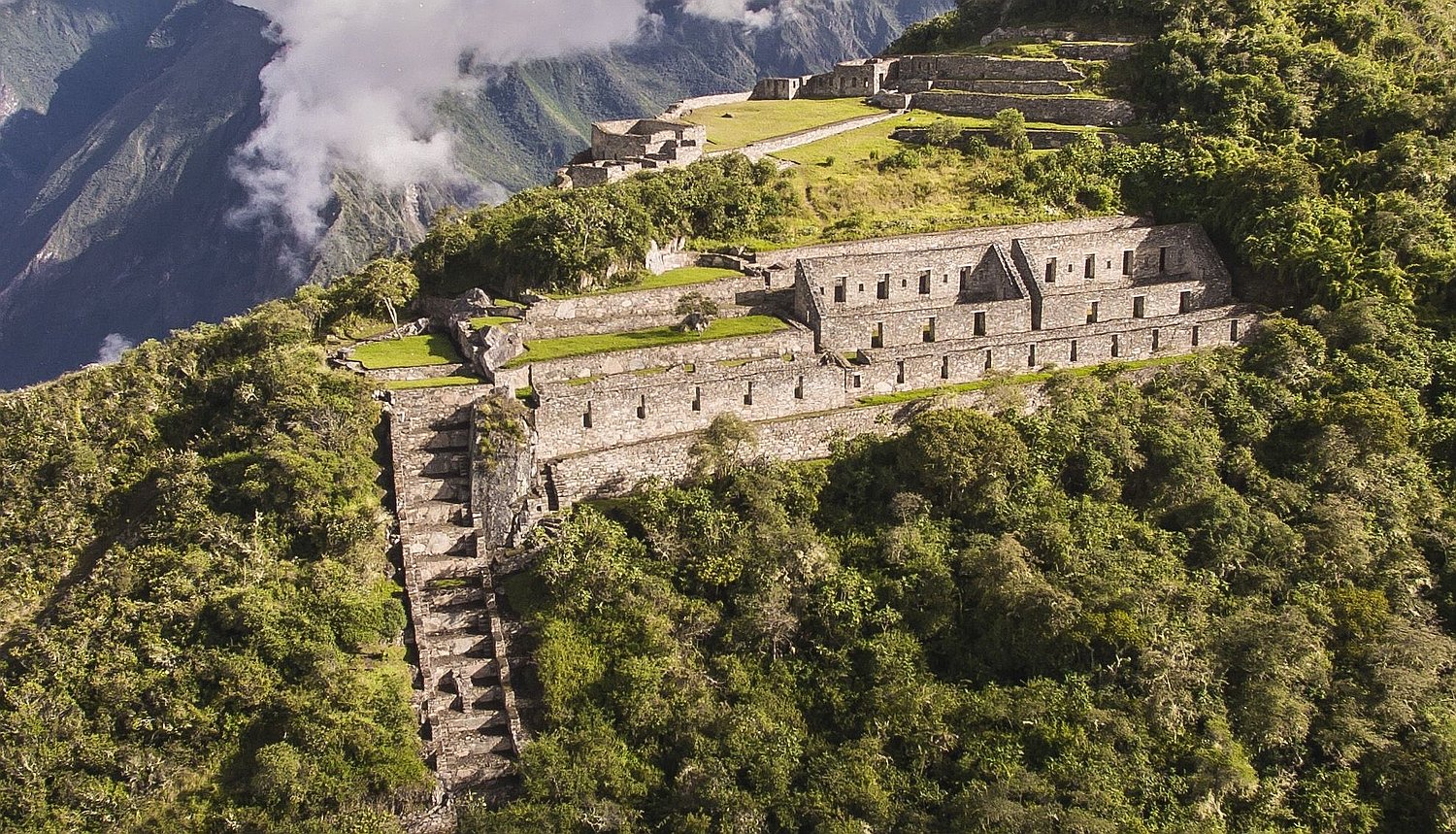
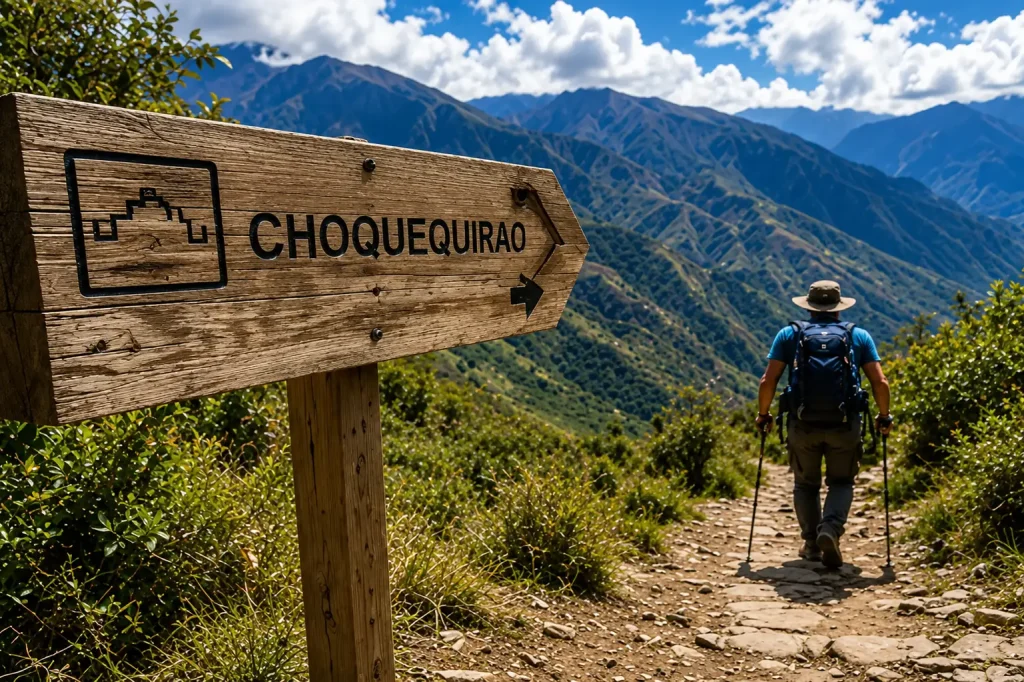
The monument’s altitude exceeds three thousand meters above sea level, offering impressive panoramic views of the snow-capped peaks of the Vilcabamba mountain range. To reach the ruins, it is necessary to undertake a demanding multi-day hike starting from the town of Cachora or the Capuliyoc sector. Travelers must be physically prepared to tackle steep descents and ascents through the canyon. However, the physical effort is greatly rewarded when discovering the incredible tourist attractions of Choquequirao surrounded by pristine and breathtaking nature. In addition, the low number of daily visitors allows you to enjoy a mystical, peaceful, and intimate experience amid Andean history.
Main Plaza and Urban Sectors of Choquequirao
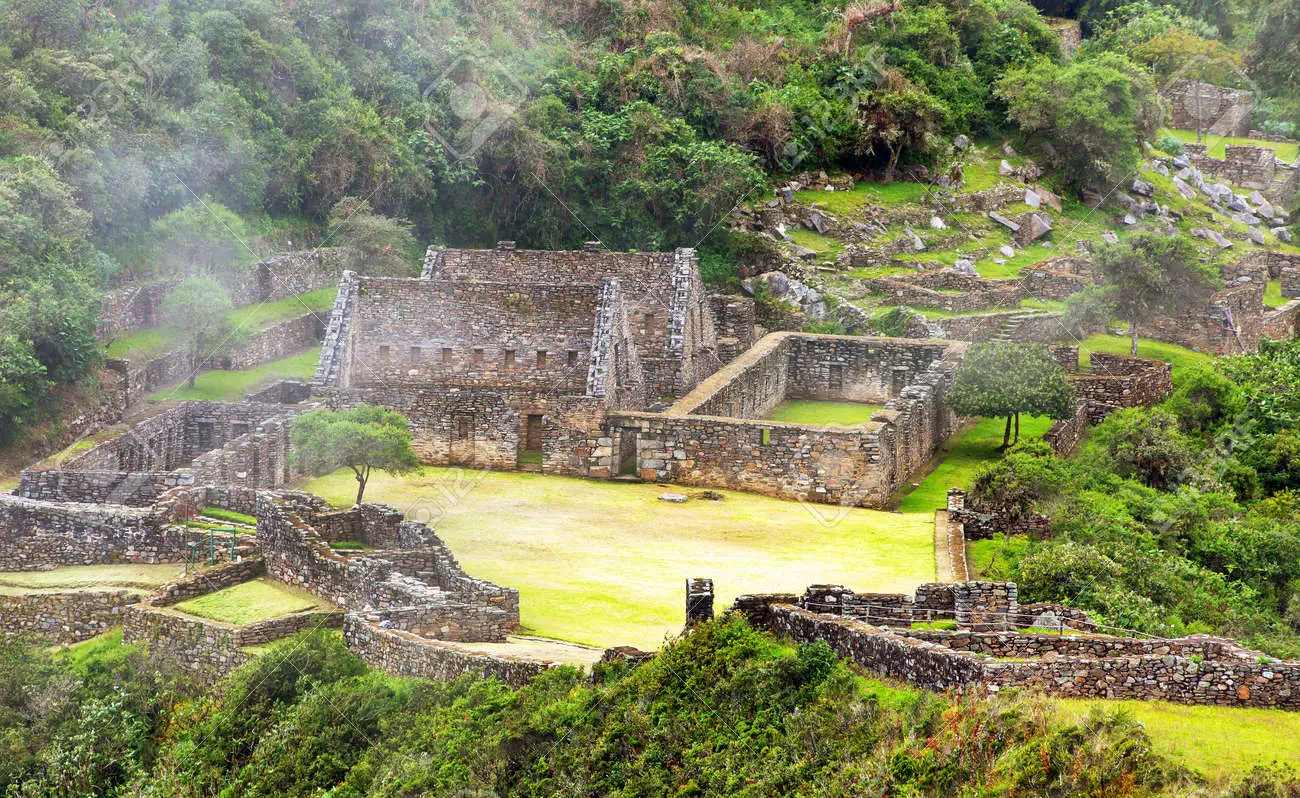
The Main Plaza constitutes the geographic and social heart where the different places to visit in Choquequirao converge. This open rectangular space strategically divided the settlement into two clearly defined sections known as the upper and lower areas. Around the central space, two-story buildings constructed with granite stone and mud mortar can be seen. Therefore, this point allows visitors to understand the refined urban planning used by Inca engineers during the fifteenth century. Likewise, from the edges of the plaza, privileged views can be obtained of the abysses surrounding the plateau.
Upper Sector and Ceremonial Enclosures
In the elevated section of the citadel are the structures intended for religious worship and for the highest-ranking administrative authorities. When analyzing what to see in Choquequirao at this upper level, the temples made of carved stone and the ceremonial courtyards stand out. These structures feature trapezoidal niches where sacred offerings to tutelary deities were placed. In addition, the elevated location ensured direct astronomical observation of the solstices and equinoxes. Without a doubt, this sector stands out as one of the main attractions of Choquequirao for lovers of ancient history.
Lower Sector and Administrative Residences
The lower area contains long rows of rooms used as food storage facilities, artisan workshops, and urban residences. When evaluating which places to visit in Choquequirao, walking through the narrow streets of this sector reveals fascinating construction details. Heavy stone lintels, internal ventilation systems, and openings designed to withstand intense seismic movements can be observed. Likewise, carved water channels run through the passageways to supply the ancient population. Consequently, this area is one of the must-see places in Choquequirao for understanding daily Inca life. You can also inquire about Booking Inca Jungle services to plan your trip.
Agricultural Terraces and the Famous Llamas of the Sun
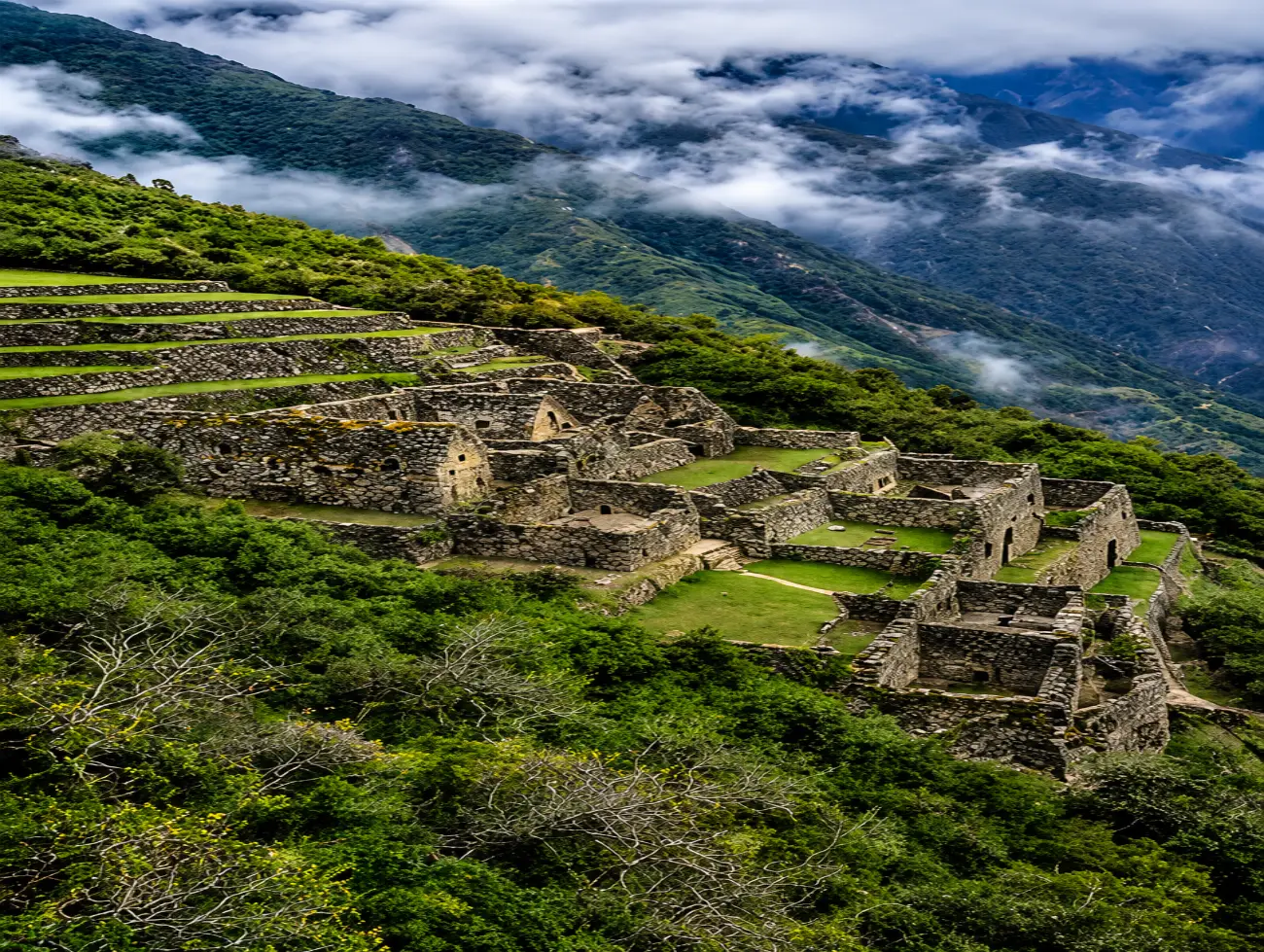
The agricultural terraces represent the greatest agricultural engineering work built on the steep slopes of the Apurímac River canyon. Among the points of interest in Choquequirao, the terrace complex stands out for overcoming truly astonishing changes in elevation. These terraces not only served to grow crops such as corn and coca, but also stabilized the terrain against landslides. In addition, the hydraulic design supplied each level through fine underground aqueducts. Therefore, admiring this agricultural system is essential when determining what to see in Choquequirao during the excursion.
The Stone Mural of the Llamas of the Sun
The Llamas of the Sun sector is considered one of the greatest wonders of Choquequirao because of its artistic uniqueness. In this section of terraces, the ancient builders inserted white quartz stones to form large-scale figures of Andean camelids. The images depict several llamas walking toward the upper part of the hill accompanied by human figures or guardians. This decorative work on stone is unique throughout all Inca architecture discovered in Peru. Due to its geographic position, sunlight highlights the white tones against the dark wall during the afternoon.
Lower Terraces and Agricultural Production
Descending to the lower levels of the terraces allows visitors to appreciate the warm microclimate generated at the base of the valley. When reviewing the archaeological sectors of Choquequirao, these lower terraces demonstrate highly advanced thermal management. The walls absorb the sun’s heat during the day and gradually release it during the cold nights in the highlands. Thanks to this technology, the inhabitants were able to harvest agricultural species brought from the Amazon basin. However, the descent requires excellent physical condition due to the steep steps embedded in the walls.
Ceremonial Usnu and Sacred Observation Areas
The Usnu is a truncated pyramidal platform located on an artificially leveled hill in front of the main sector. When considering what to see in Choquequirao, this ceremonial structure occupies a prominent place because of its political and spiritual symbolism. From the top of this platform, authorities presided over the most important agricultural rituals dedicated to the Sun and the Earth. In addition, the platform is surrounded by a circular wall made of finely assembled stone. Consequently, it represents one of the most photographed archaeological attractions in Choquequirao by travelers.
The landscape visible from the top of the Usnu encompasses three hundred and sixty degrees of towering Andean peaks. The visual impact impresses visitors as they observe the distant course of the Apurímac River winding along the bottom of the canyon. Likewise, this space served as a focal point for aligning visual axes with sacred apus such as Salkantay and Padreyoc. Due to its enormous panoramic significance, including this ritual viewpoint among the must-see places in Choquequirao is absolutely essential for any itinerary.
Hydraulic System and Sacred Water Fountains
The ceremonial fountains and water channels constitute another demonstration of the Inca civilization’s construction genius. When researching what to see in Choquequirao, water emerges as an organizing element of the entire urban and ceremonial space. The channels captured the vital liquid from the springs located on the upper slopes of Mount Padreyoc. Later, the water was conveyed through fine aqueducts toward the residences of the nobility and sacred temples. Therefore, the hydraulic network stands out among the featured places in Choquequirao because of its excellent state of preservation. Booking Inca Jungle offers assistance in organizing trekking experiences in Cusco.
The stone fountains feature water cascades carved directly into blocks of clean stone with polished finishes. The water still flows today through several underground sections during the rainy season. In addition, the distribution of water continued toward the productive terraces, ensuring constant irrigation of the crops. This magnificent integration of architecture, agricultural functionality, and religious worship establishes the citadel among the archaeological wonders of Choquequirao. Consequently, walking along these water channels offers a different perspective on the management of natural resources in ancient times.
Priest’s House and Elite Enclosures
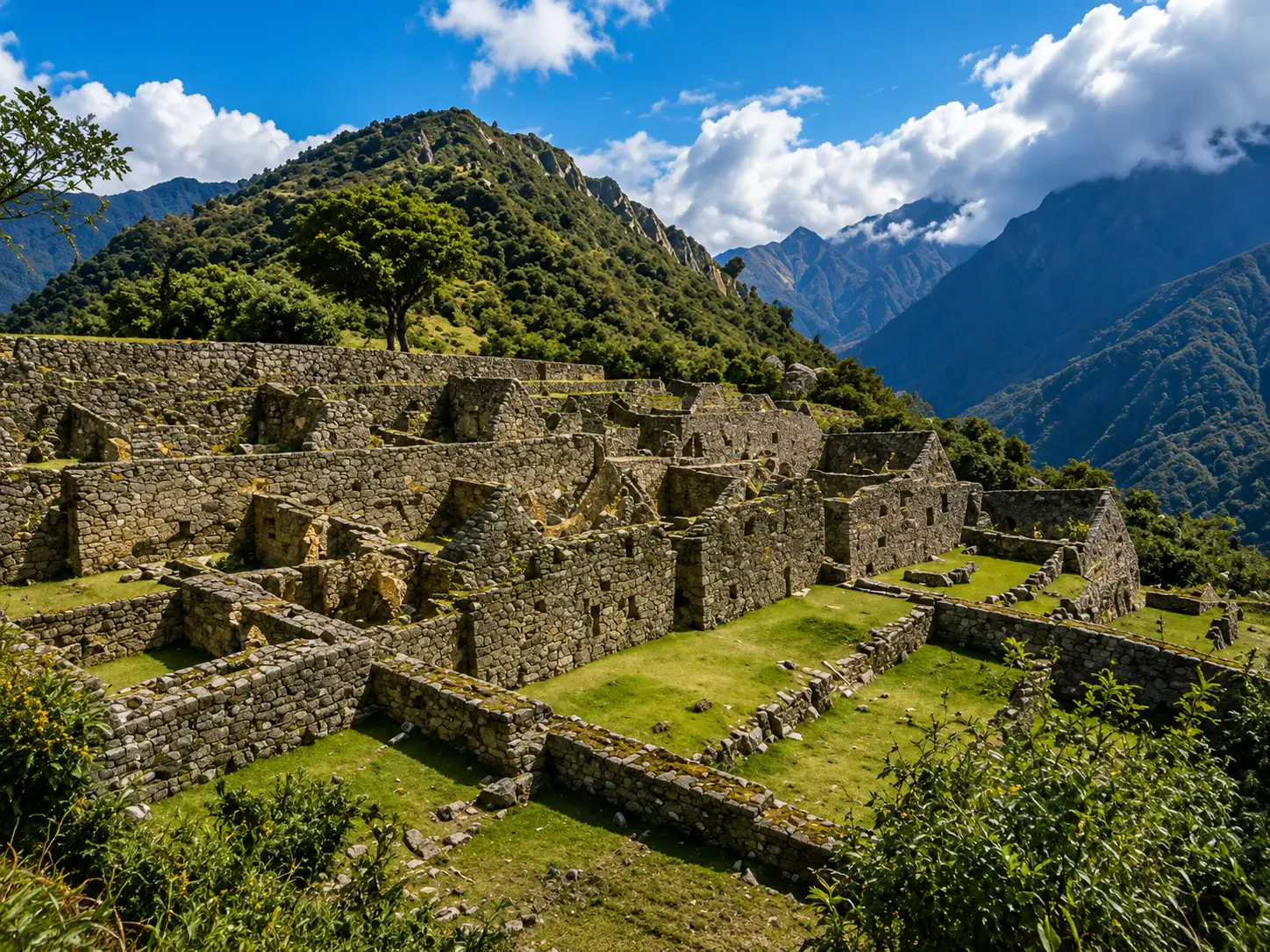
The so-called Priest’s House comprises one of the best-structured buildings among the main places in Choquequirao. Located very close to the Main Plaza, this residence features several spacious rooms, interior courtyards, and double jambs at the entrances. Researchers maintain that the highest-ranking spiritual leaders responsible for maintaining solar worship in the region lived here. In addition, the windows and niches display outstanding symmetrical precision in the carving of the granite stone.
Examining the construction details of this residence closely allows visitors to appreciate the high status of its ancient occupants. The original roofs supported by wooden beams and thatch covered these two-level structures, protecting them from the Andean climate. However, today only the powerful retaining walls and beautiful stone finishes remain. At the end of the visit to this enclosure, it becomes clear what to see in Choquequirao to understand the social hierarchies of the Inca imperial era.
Frequently Asked Questions
How many days are needed to complete the visit to the archaeological citadel?
The standard hike requires a minimum of four full days to complete the round trip safely. On the first day, you descend from the Capuliyoc viewpoint to the bottom of the canyon at Chiquisca or Playa Rosalina. The second day involves climbing to the Marampata campsite and accessing the ruins in the afternoon. The third day is dedicated to exploring the distant sectors of the citadel and beginning the return journey. Finally, on the fourth day, you ascend again toward the original starting point.
What is the best time of year to do this trek?
The ideal season covers the months from May to October, a period corresponding to the dry season in the Peruvian highlands. During these months, rainfall is scarce, the trails remain dry, and the skies stay clear for photographing the landscape. In contrast, the months from December to March bring heavy rainfall that can cause landslides on the trails and make crossing the canyon more difficult. Therefore, planning the excursion during the dry months ensures a much safer trek.
Can the hike be done without hiring a professional guide?
It is possible to complete the hike independently if the traveler has extensive experience in demanding mountain trekking. The route is well marked from Cachora to the archaeological site, with camping areas managed by local residents. However, hiring an authorized guide or local muleteers is highly recommended to manage heavy loads using pack animals. In addition, the presence of a qualified guide substantially enriches the historical and architectural interpretation of each sector explored.
Are there lodging or restaurant services within the complex?
There are no hotels, hostels, or commercial restaurants within the archaeological park protected by the Peruvian state. Visitors must spend the night in designated camping areas outside the main walls, such as Marampata or the base camp. At these locations, local families offer basic food services, bottled water, simple showers, and tent-space rentals. Consequently, it is mandatory to bring a suitable sleeping bag, headlamp, portable stove, and sufficient supplies for the entire trek.
What makes this Inca citadel different from Machu Picchu?
The main difference lies in accessibility, visitor flow, and the degree of preservation of the native vegetation. While Machu Picchu receives thousands of tourists daily via trains and buses, this complex can only be reached by intensive hiking. This difficult access preserves a quiet, wild, and mysterious atmosphere where it is common to explore the ruins in complete tranquility. Likewise, the iconic white stone decorations in the shape of llamas on the terraces represent an artistic feature unique to this settlement.
If you are looking for trekking support, Booking Inca Jungle can help you organize the route. Contact us.