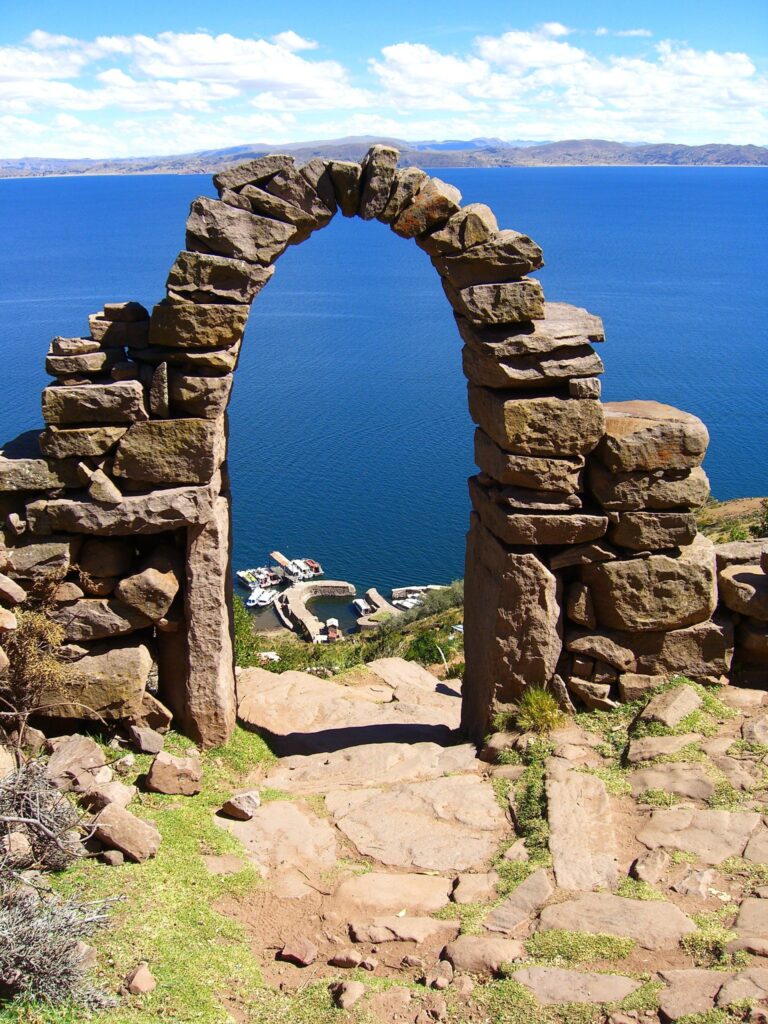
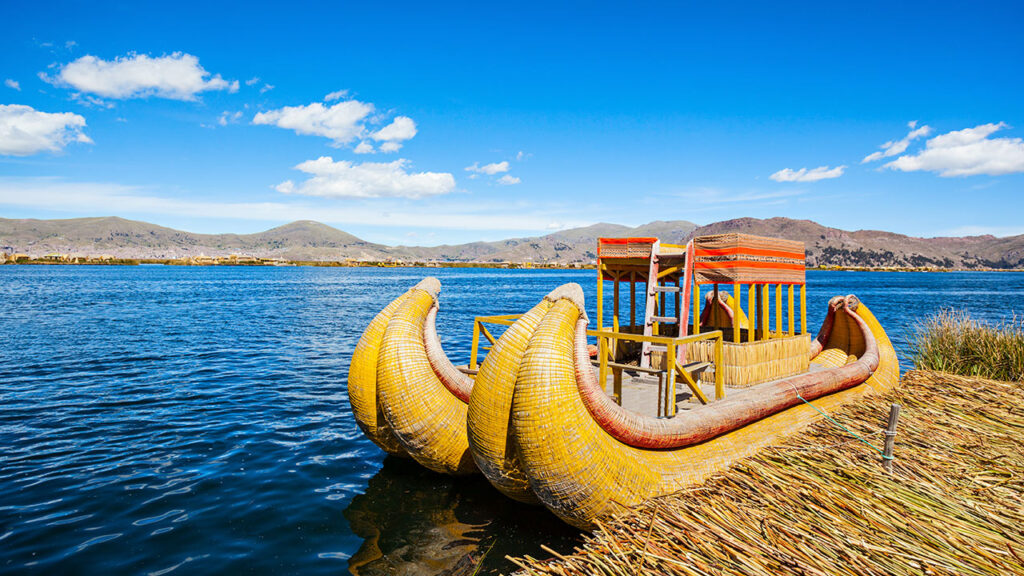
Analyzing the crossroads between Puno vs. Copacabana is an essential step when planning an unforgettable journey across the highest navigable lake in the world. The lake basin is geographically divided between Peru and Bolivia, offering completely different perspectives depending on the shore chosen by travelers. The Puno vs. Copacabana debate covers crucial aspects such as budget, available time, and the cultural preferences of each adventurer. While Peruvian territory stands out for its traditional community customs, the Bolivian side captivates visitors with its impressive mountainous and island landscapes. Therefore, fully understanding the dynamics of Puno vs. Copacabana will allow you to make informed decisions to optimize your itinerary in this mystical Andean region.
The location of both cities directly influences travel logistics, transfer times, and the local hotel options. Deciding between Puno or Copacabana requires evaluating the type of activities you wish to enjoy during your stay in the highlands. In addition, the connection between both points is straightforward, allowing travelers to cross the border through the Kasani border crossing in just a few hours by road. However, for those with limited time, analyzing the Puno vs. Copacabana dilemma is the best strategy for selecting the perfect base. Consequently, this Puno and Copacabana comparison carefully analyzes the tourist value, infrastructure, and cultural attractions on both sides.
Booking Inca Jungle can help you organize your sightseeing tour.
General Characteristics of Puno Compared to Copacabana
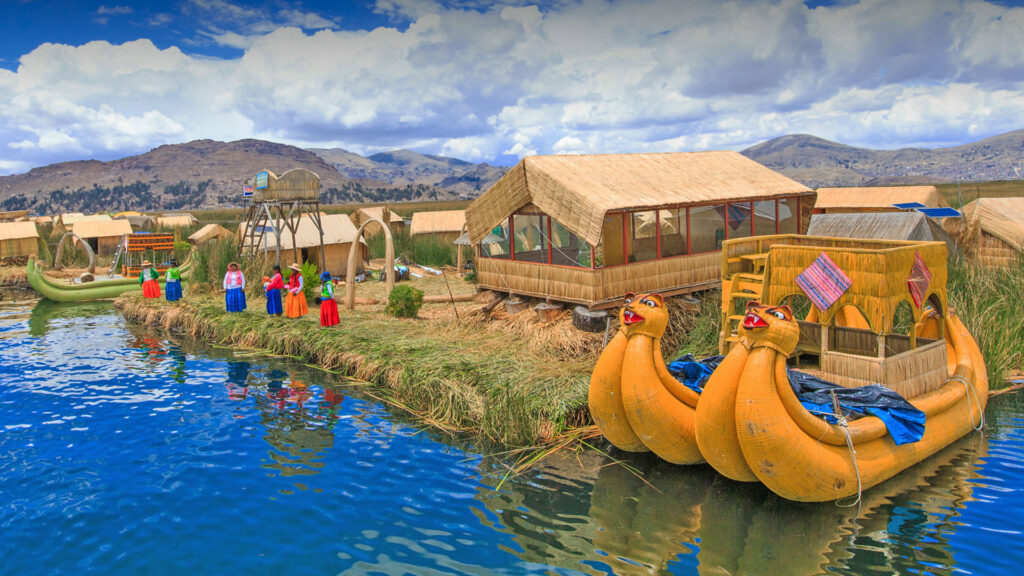
To evaluate Puno compared to Copacabana, it is necessary to highlight that the Peruvian side has significantly broader and more developed urban infrastructure. The city of Puno serves as the folkloric capital of the country, offering a wide variety of hotels, restaurants, and direct land connections. On the other hand, the picturesque town of Copacabana is a smaller, more relaxed lakeside town primarily oriented toward international backpacker tourism. Therefore, analyzing the differences between Puno and Copacabana reveals a clear contrast between commercial dynamism and the festive atmosphere of a lakeside town.
Likewise, the altitude in both locations exceeds three thousand eight hundred meters above sea level, requiring proper prior acclimatization. The advantages of Puno and Copacabana lie in the fact that both towns provide easy access to well-organized tourist docks serving the islands. However, the Bolivian lakeshore landscape is characterized by steeper hills that offer direct panoramic views of the immense body of water. Consequently, the analysis of Puno and Copacabana differences demonstrates that the traveler’s profile will determine which of the two ports better suits their expectations for relaxation.
Tourist Infrastructure on the Peruvian Shore
The hotel development in the Puno area ranges from budget hostels to luxury resorts located along the shores of the bay. When exploring tourist options in Puno, the presence of upscale restaurants with a varied selection of local and international cuisine stands out. In addition, travel agencies offer highly structured itineraries to the main islands with professional bilingual guides. Consequently, this shore is ideal for families, older adults, or travelers seeking maximum comfort and punctuality during their daily excursions.
Atmosphere and Services on the Bolivian Coast
For its part, the town of Copacabana captivates visitors with its picturesque atmosphere, filled with cafés, artisan markets, and natural viewpoints. When considering which is better, Puno or Copacabana, many adventurers prefer the relaxed atmosphere of the Bolivian side for leisurely walks. Accommodation and food prices tend to be slightly lower compared to the Peruvian side of the basin. However, water transportation services may be simpler and require some flexibility regarding departure times.
Island and Cultural Attractions on the Puno Side
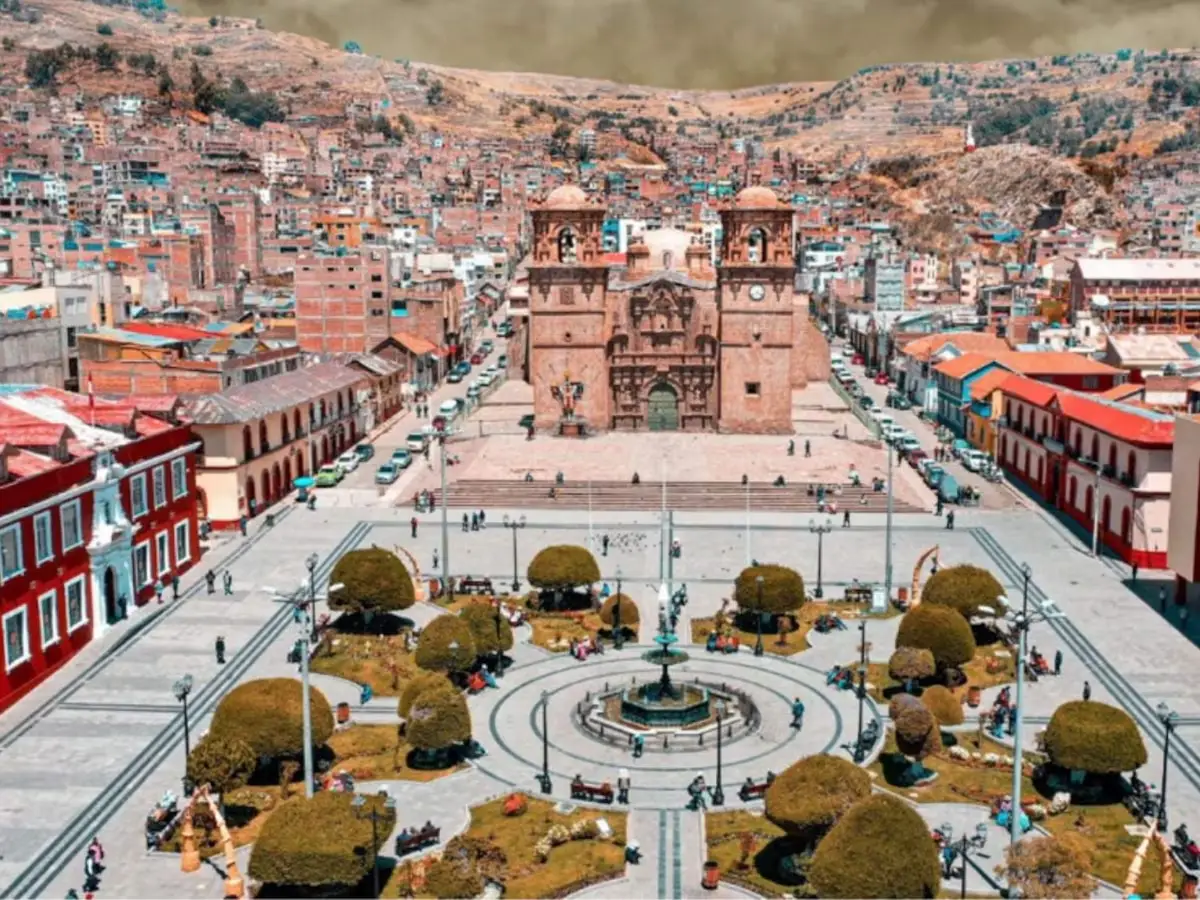
Excursions from the Peruvian port allow visitors to explore unique islands known for their ancient origins and construction materials. When evaluating the Lake Titicaca destinations in Puno and Copacabana, the famous Uros Floating Islands stand out as the most visited attraction. These artificial platforms are made entirely from totora roots by local families to preserve their traditional way of life. Therefore, in the Puno vs. Copacabana debate, the unique cultural experience of the floating islands represents a decisive point in favor of the Peruvian side.
The Community Experience in Taquile and Amantaní
In addition to the floating islands, the natural islands of Taquile and Amantaní offer fascinating contact with the region’s living heritage. When deciding to choose between Puno and Copacabana, the beautiful island of Taquile stands out for the textile art of its inhabitants, recognized by UNESCO. Visitors can enjoy experiential tourism by staying overnight in local family homes in Amantaní to share traditional foods and ancestral Andean customs. Definitely, this deep cultural immersion represents a fundamental pillar for understanding life on the cold waters of the sacred lake. Booking Inca Jungle offers support for planning tourist experiences in Peru.
Titicaca National Reserve and Biodiversity
The Peruvian sector is home to the Titicaca National Reserve, a protected area dedicated to conserving local flora and wildlife. When comparing Puno and Copacabana for tourists, the Puno side stands out for its extensive totora reed beds, which provide habitat for numerous endemic birds. Visitors can take traditional canoe rides to observe grebes, herons, and the famous giant frog that inhabits the depths. Consequently, nature lovers and bird photographers will find an extremely enriching environment in this protected natural area.
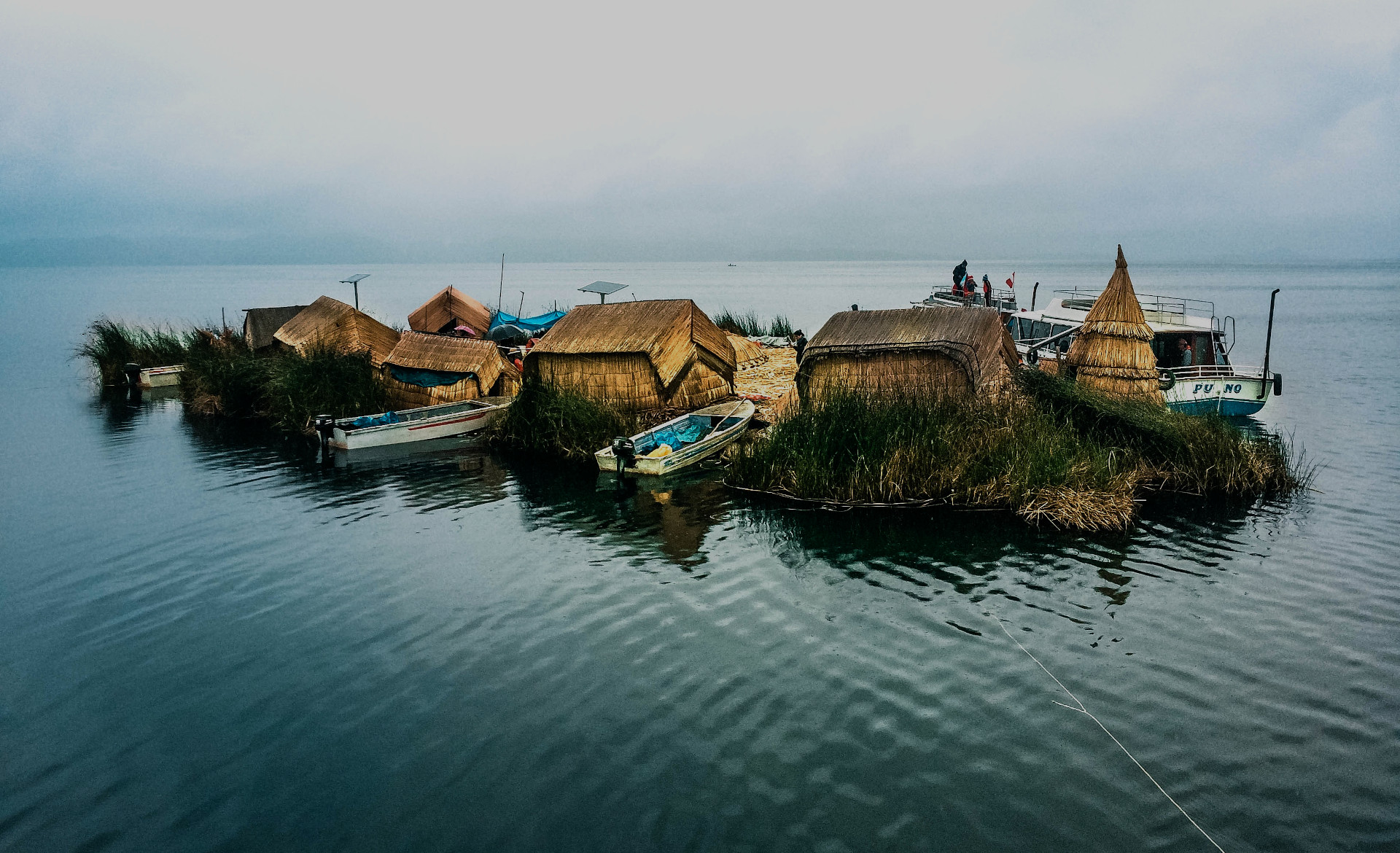
Iconic Attractions and History on the Copacabana Side
The Bolivian side stands out mainly for its deep mystical heritage and the striking geographical beauty of its sacred Inca islands. When considering the question of Puno or Copacabana for travel, the sanctuary of the Virgin of Copacabana impresses visitors with its Renaissance colonial architecture. This mystical temple is a pilgrimage center of enormous spiritual significance, where the famous vehicle blessing ritual takes place. Therefore, exploring the Bolivian town adds a unique historical and religious dimension to the journey through the highlands.
The Legendary Isla del Sol and Its Inca Remains
The majestic Isla del Sol represents the greatest archaeological and historical attraction accessible directly from the port of the Bolivian town. In the discussion of Puno vs. Copacabana: what to choose, Isla del Sol tips the balance for enthusiasts of trekking and Andean mythology. According to Inca legends, the god Inti and the founders of the empire, Manco Cápac and Mama Ocllo, were born on this mystical island. As they walk along its stone paths, visitors can admire impressive ruins such as the Pilkokaina Temple and the Inca Steps in the Yumani sector.
The Tranquility of Isla de la Luna
Very close to the main island lies the picturesque Isla de la Luna, also known ceremonially in ancient times as Iñak Uyu. When considering the comparison of Lake Titicaca destinations, this small island territory offers a peaceful atmosphere surrounded by crystal-clear waters. The ruins of the Palace of the Virgins of the Sun demonstrate the precision of stone carving in buildings dedicated to Inca female worship. Consequently, visiting both Bolivian islands allows travelers to experience a journey through time immersed in truly spectacular mountainous landscapes.
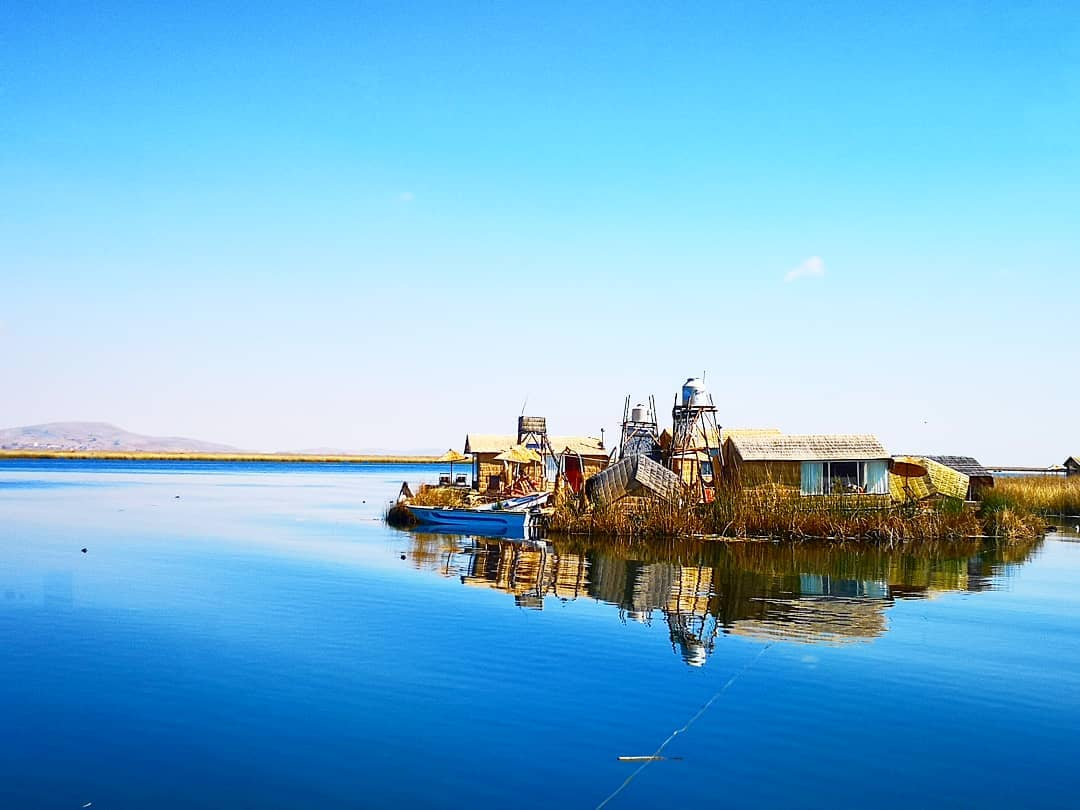
Logistical Considerations for Choosing the Best Side of Lake Titicaca
The final decision regarding the best side of Lake Titicaca depends largely on land connections within the overall travel itinerary. If the journey comes directly from Peruvian cities such as Cusco or Arequipa, the city of Puno is the most accessible and immediate logistical option. Conversely, if the route continues toward the Uyuni Salt Flats or the city of La Paz, the Bolivian port is the perfect stopover. In addition, the distance between both ports is only three hours by bus, making it easy to include both destinations if time allows.
| Evaluation Criterion | Puno Side (Peru) | Copacabana Side (Bolivia) |
| Main Attraction | Uros Floating Islands and Taquile | Isla del Sol and Isla de la Luna |
| Tourism Focus | Cultural, textile, and experiential tourism | Historical, scenic, and hiking |
| Infrastructure | Varied, with high-end hotels | Simple, welcoming, and affordable |
| Urban Atmosphere | Commercial and festive city | Picturesque and relaxed lakeside town |
| Accessibility | Connection with Cusco and Arequipa | Direct connection with La Paz |
Carefully evaluating this comparison table clarifies the operational strengths and dominant attractions of each sector of the lake basin. For those seeking comfort, high-quality services, and deep cultural interaction, the Peruvian side is positioned as the ideal option. Meanwhile, those who prioritize impressive landscapes, historical hikes, and budget-friendly prices will prefer the Bolivian coast. In the final debate over Puno and Copacabana: which one to choose, understanding the complementarity of both shores will make it possible to design the perfect vacation. Therefore, evaluating the available time will ensure that you make the most of the Inca magic in the majestic Andean highlands.
Booking Inca Jungle can make it easier to organize your tourist activities, Contact us.
Frequently Asked Questions
Is it necessary to obtain a visa to cross the border between Peru and Bolivia on this route?
Visa requirements depend exclusively on the nationality registered in the traveler’s passport at the time of immigration control. Citizens belonging to the South American community and the European Union generally do not require a visa for short tourist stays between both countries. However, citizens of countries such as the United States or certain Asian nations must obtain an entry visa for Bolivia and pay the corresponding fee. It is recommended to verify the updated consular requirements before arriving at the Kasani border crossing.
How much time is needed to visit both sides of the lake on the same trip?
To properly explore the main attractions of both countries, a minimum estimated time of four to five full days is required. This itinerary allows two days to be allocated to the Peruvian shore to comfortably visit the Uros, Taquile, and Amantaní. Subsequently, one day is dedicated to the border crossing and two additional days on the Bolivian shore to explore Isla del Sol and the local sanctuary. In this way, you obtain a comprehensive view of the lake without making rushed transfers.
Can Peruvian currency or dollars be used in the Bolivian town?
Although the official currency on the Bolivian side is the boliviano, in the tourist area it is common for Peruvian soles and U.S. dollars to be accepted. Various commercial establishments, restaurants, and local transportation providers accept Peruvian currency due to the constant border proximity between both nations. However, the exchange rate applied by local businesses is usually unfavorable for visitors. Therefore, it is highly recommended to exchange a sufficient amount of money into the local currency at authorized exchange offices near the border.
Which of the two destinations has better internet and phone service?
The city of Puno offers considerably more stable and faster mobile network coverage and high-speed internet connections. As a larger departmental capital, it has advanced telecommunications infrastructure in hotels and central areas. In contrast, phone service and wireless internet in the coastal urban area tend to be slower and less stable. In addition, within Isla del Sol, digital connectivity is extremely limited, offering an experience geared toward total disconnection.
What health precautions should be taken regarding altitude sickness in both locations?
Because both locations are situated at elevations above three thousand eight hundred meters, it is essential to take precautions against altitude sickness. It is advisable to get adequate rest during the first day after arrival, drink plenty of water, and consume traditional coca leaf or muña infusions. Likewise, it is vital to avoid fatty or heavy meals during the first hours of your stay in the Andean highlands. Carrying prescribed preventive altitude medication and walking at a relaxed pace will ensure a comfortable and safe experience.