Month

May 2026

Salkantay Trek: The Most Impressive Adventure on the Way to Machu Picchu

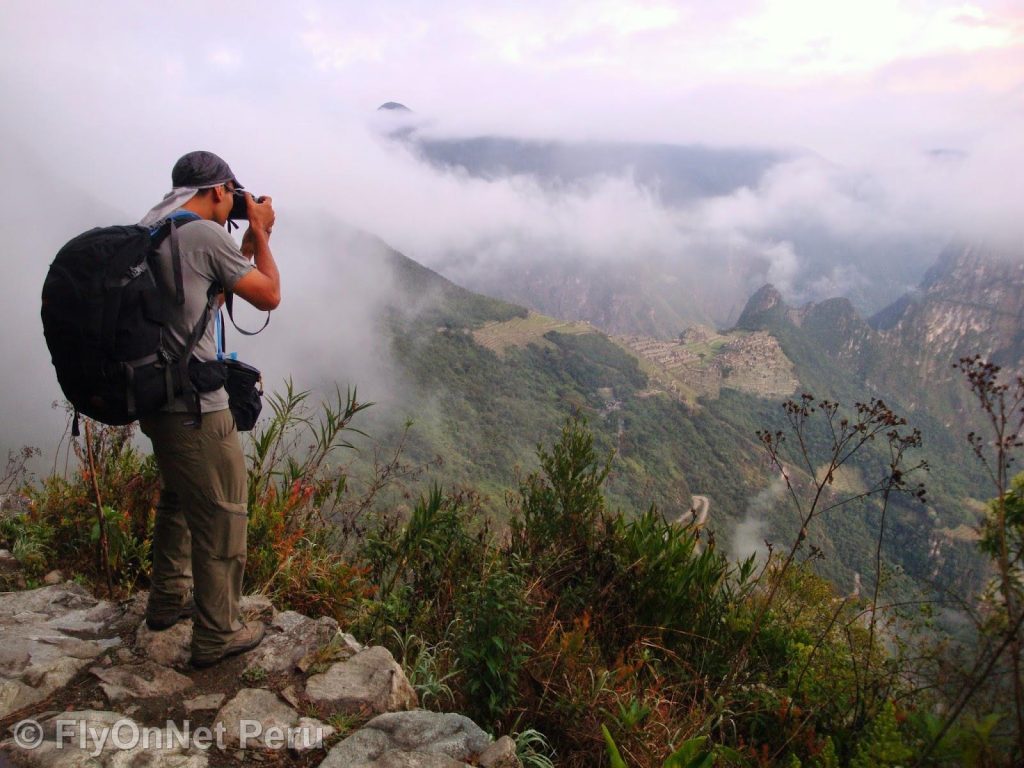
The Salkantay Trek has become one of the most sought-after routes for travelers who want a different experience on the way to Machu Picchu. This hike offers varied landscapes, direct contact with nature, and a challenging journey through the Peruvian Andes. It also combines snowy peaks, high-altitude lagoons, and cloud forest zones in a single trek. For this reason, many tourists consider this experience a more complete alternative compared to other traditional hiking routes in the region. The route crosses remote areas of Cusco, where Andean communities and trails surrounded by imposing mountains still remain. Thanks to this natural diversity, the Salkantay Trek stands out among the best trekking in Cusco Peru options for those seeking adventure and authentic landscapes during their trip.

The importance of the Salkantay Trek in adventure tourism

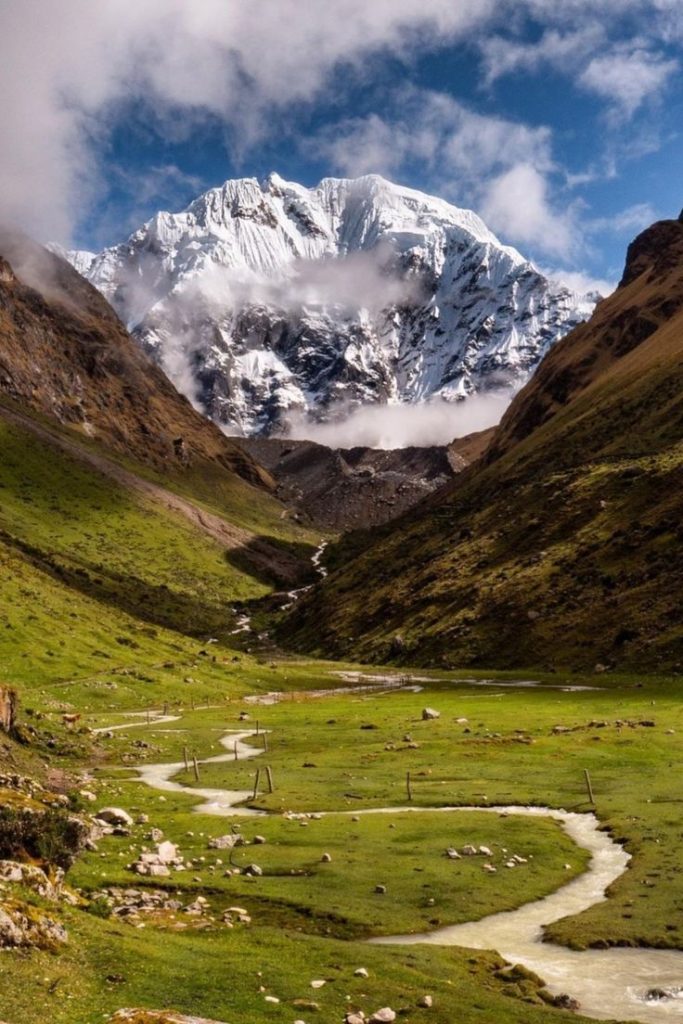
The growth of adventure tourism in southern Peru has boosted the popularity of the Salkantay Trek in recent years. This route allows you to reach Machu Picchu via less crowded trails with greater natural contact. Additionally, the journey passes through areas historically linked to ancient routes used by Andean populations. The hike takes its name from the imposing Salkantay Peru mountain, considered one of the most important peaks in the Cusco region. This mountain reaches over 6,000 meters in altitude and dominates much of the landscape during the trek. Because of this geography, the experience offers constant climatic and visual changes. The route has also become an excellent choice for those seeking an alternative route to the Inca Trail. Many tour operators now organize Salkantay tours from Cusco, making logistics easier for domestic and international travelers.

Salkantay Trek 5 Days

Natural landscapes during the hike to Machu Picchu

One of the most valued aspects of the Salkantay Trek is the variety of natural settings present throughout the hike. The journey begins in high-Andean zones surrounded by snow-capped mountains and then gradually descends toward tropical areas near the jungle. This geographic transition makes the experience one of the most complete adventures in the Peruvian Andes. During the first days, travelers observe glaciers, ravines, and vast high-altitude plains. Later, cloud forests, coffee plantations, and tropical vegetation appear. In addition, many routes include visits to the famous Humantay Lagoon, considered one of the most important natural attractions in the area.

Humantay Lagoon and natural highlights of the route

The visit to the Humantay Lagoon tour is usually part of the first days of hiking. This lagoon sits at high altitude and stands out for the turquoise color of its waters. Access requires a short but demanding hike due to the altitude. However, the effort rewards you with one of the most photographed landscapes in the Cusco region. The area also offers panoramic views of nearby snow-capped peaks and ideal spots to rest before continuing the main route. The contrast between the lagoon and the mountains creates a visual experience very different from other hiking routes in the country.

Humantay Lagoon

Salkantay 5-day route and itinerary organization

The 5-day Salkantay route is the most requested itinerary by tourists who want to complete the trek in an organized and safe way. Generally, the route starts near Mollepata and ends in Machu Picchu Pueblo before the final visit to the historic sanctuary. Each day, travelers advance through different ecosystems and pre-established campsite areas. Moreover, many agencies include transportation, meals, and specialized guides to facilitate the experience.

First days of ascent and acclimatization

The first days of the Salkantay Trek focus on gradual adaptation to altitude. The ascent to the Salkantay pass represents one of the most demanding moments of the entire route. Due to the elevation, some travelers may feel tired or have difficulty breathing. Therefore, it is important to maintain a steady pace and rest properly. Hikes usually last several hours, although the panoramic views compensate for the physical effort made during the day.

Descent to the high jungle and arrival at Machu Picchu

After crossing the highest point of the route, the landscape changes completely. The trail descends toward areas with warmer climates and abundant vegetation. Small farming communities where coffee, cacao, and tropical fruits are grown also appear. During the last days, the path gradually approaches the Aguas Calientes area, finally allowing entry to Machu Picchu. This combination of mountain and jungle makes the Salkantay Trek to Machu Picchu a very different experience compared to other traditional routes.

Difficulty of the Salkantay Trek and physical demands

The difficulty of the Salkantay Trek is considered moderate to challenging. The level of effort depends mainly on the traveler’s physical condition and adaptation to altitude. The route includes steep slopes, long hiking days, and frequent weather changes. However, it does not require technical mountaineering experience. Many people do this hike for the first time after basic physical preparation.

Physical factors during trekking in Cusco Peru

Altitude represents one of the main challenges of trekking in Cusco Peru. Some areas exceed 4,600 meters above sea level. For this reason, it is advisable to stay several days in Cusco before starting the trek. Staying well hydrated also helps reduce discomfort related to altitude sickness. Another important factor is the changing weather. During a single day, there can be intense cold in the morning and warm temperatures in the afternoon.

Salkantay Trek 5 Days mountain view

Weather on the Salkantay Trek and recommended seasons

The weather on the Salkantay Trek varies depending on the time of year and the altitude of the route. Temperatures are cold in the high areas and warmer in the sectors near the jungle. Additionally, the dry season usually offers better conditions for hiking and enjoying the landscapes with greater visibility.

Best time to do the Salkantay Trek

The best time to do the Salkantay Trek generally covers the months between April and October. During this period, there is less rain, and the trails remain in better condition. The clear sky also allows you to clearly observe the snow-capped mountains and Andean landscapes. Between June and August, the season with the highest number of tourists occurs. Therefore, many agencies recommend booking services in advance.

During the rainy season, between November and March, the trails may have mud and minor landslides. However, some travelers prefer these dates due to the lower number of tourists. The landscape also tends to look greener with abundant vegetation thanks to constant rainfall.

Campsites on the Salkantay Trek and night experience

The campsites on the Salkantay Trek are an essential part of the experience. Each resting area is strategically located to facilitate the daily progress of the groups. The campsites also allow you to enjoy the Andean landscape and share time with other travelers during the night.

Services available at the campsites

Many tour operators include tents, sleeping pads, and basic meals during the trek. Some campsites also have simple showers and dining areas. However, conditions may vary depending on the type of service contracted. There are budget options as well as premium experiences with greater comfort. Due to the remote location of certain sectors, services are usually limited compared to traditional hotels.

During the nights, temperatures drop considerably in the high areas. Therefore, wearing thermal clothing and a good sleeping bag is essential to rest properly. Some campsites also offer privileged views of the mountains and clear skies ideal for stargazing.

Salkantay High Mountain trail

What to bring on the Salkantay Trek and recommended gear

Packing correctly makes the entire Salkantay Trek experience easier. The route crosses different climates and altitudes. For this reason, your gear must adapt to constant changes in temperature and environmental conditions.

Essential clothing and accessories

Travelers usually bring light clothing for the day and thermal clothing for cold nights. Wearing sturdy trekking boots also helps you walk more safely on uneven terrain. Among the most recommended items are:

  • Comfortable and lightweight backpack
  • Waterproof jacket
  • Thermal clothing
  • Trekking boots
  • Headlamp
  • Sunscreen
  • Trekking poles
  • Hat and gloves
  • Reusable water bottle
  • Insect repellent

It is also important to include personal medications and basic hygiene items. Many people also carry external batteries to charge electronic devices during the trek.

Salkantay tours from Cusco and available options

Currently, there are numerous Salkantay tours from Cusco organized by authorized agencies. These companies offer different types of service depending on the traveler’s budget and preferences. Some options include large groups and basic services, while others offer more private and comfortable experiences.

Services included in organized tours

Most operators include transportation from Cusco, meals during the hike, professional guides, and necessary tickets to complete the route. Many agencies also provide pack horses to transport part of the luggage. This allows travelers to walk with lighter backpacks each day.

Premium services may also include eco-domes, hot showers, and specialized meals. However, costs increase depending on the level of comfort requested. Therefore, it is advisable to compare options before contracting any tourist service.

Cultural experience during the adventure trip in Cusco

The adventure trip in Cusco is not limited only to hiking. The route also allows you to observe local customs and traditional ways of life present in Andean communities. Many families work in agriculture and livestock in areas near the trail. Some travelers also have the opportunity to try local products such as artisanal coffee and typical dishes prepared in small communities.

Cultural contact adds extra value to the Salkantay Trek experience. Local guides often share information about Andean traditions, regional history, and customs related to the sacred mountains of the area. Thanks to this, the hike combines nature, adventure, and cultural learning in a single journey.

Salkantay Trek as an alternative route to the Inca Trail

Many travelers consider the Salkantay Trek the best alternative route to the Inca Trail. Unlike the traditional Inca Trail, this route does not require such limited permits or reservations made many months in advance. It also offers more varied landscapes and less congested sectors for most of the year.

Another important difference is the physical experience. The Salkantay Trek to Machu Picchu includes greater altitude changes and longer sections. However, many tourists prefer this challenge because of the closer contact with nature. The presence of campsites away from large groups also creates a quieter and more authentic experience.

Final recommendations to enjoy the Salkantay Trek

Doing the Salkantay Trek requires proper planning and basic physical preparation. Booking reliable services also helps avoid logistical problems during the route. Staying a few previous days in Cusco facilitates altitude adaptation and improves physical performance during the hike.

It is also important to stay constantly hydrated and eat light meals during the trekking. Because of the physical effort, resting properly each night considerably improves the overall experience. Therefore, choosing adequate gear and following the guide’s recommendations contributes to the success of the entire adventure.

Frequently asked questions about the Salkantay Trek

1. How many kilometers is the complete Salkantay Trek?

The complete Salkantay Trek route is approximately 70 to 75 kilometers, depending on the variant chosen and the agency contracted. Most routes take five days and combine mountain trails, rural paths, and sectors near the high jungle. The journey also includes demanding ascents and prolonged descents. The daily distance usually varies between 10 and 20 kilometers. However, the physical effort depends more on altitude than on the total distance traveled. For this reason, many people consider it important to acclimate in Cusco before starting the hike.

2. Is it necessary to hire a guide to do the Salkantay Trek?

Although some travelers do the route on their own, hiring a guide is highly recommended. Guides know the routes, weather conditions, and authorized campsites. They also help solve problems related to altitude and coordinate important logistical aspects during the hike. Many agencies also include meals, transportation, and necessary tickets to reach Machu Picchu. Therefore, contracting an organized service allows you to enjoy the experience with greater peace of mind and safety.

3. What is the recommended age to do the Salkantay Trek?

There is no exact age to do the Salkantay Trek, although physical condition does represent an important factor. Many young people complete the route without difficulty. However, there are also older travelers who successfully complete the hike after proper preparation. Some tour operators also accept children accompanied by responsible adults. The most important thing is to evaluate physical endurance, adaptation to altitude, and the ability to walk long distances for several consecutive days.

4. Do you need a special permit to enter the Salkantay Trek?

The Salkantay Trek does not require limited permits as the traditional Inca Trail does. However, you do need to purchase the corresponding ticket to enter Machu Picchu. Many agencies include this ticket in the contracted tourist package. Some services also manage train transportation from nearby sectors to Aguas Calientes. Due to high tourist demand during the dry season, it is recommended to book in advance to ensure availability.

5. Are there risks related to altitude during the trek?

Yes, some travelers may experience symptoms related to altitude during the Salkantay Trek. Headaches, fatigue, and difficulty breathing are common discomforts during the first days. However, most symptoms decrease with rest, hydration, and progressive adaptation. Staying previously in Cusco helps considerably reduce risks. Walking slowly and avoiding sudden efforts also improves physical adaptation during the trek. In more severe cases, guides usually take preventive measures and coordinate appropriate assistance.

Discover our travel packages in Peru and let us organize the perfect adventure for you. Get a quote for your trip to Cusco today!

Special Inca Trail

Best time to hike the Inca Trail: complete guide and recommendations

Choosing the Best time to hike the Inca Trail is a decisive factor for those who want to explore this historic route to Machu Picchu. This trek combines nature, culture, and physical challenge, therefore selecting the right moment directly impacts the experience. The Weather in Cusco and Machu Picchu shows marked variations throughout the year, which influences safety and comfort during the journey. In addition, aspects such as Inca Trail availability, permits, and physical preparation must also be considered. Because of these factors, planning ahead helps avoid problems and makes the most of the trip. The Best time to hike the Inca Trail depends on both the weather and the type of experience each traveler is seeking.

Weather in Cusco and Machu Picchu and its relationship with the best time to hike the Inca Trail

The Weather in Cusco and Machu Picchu is characterized by two clearly defined seasons. The dry season runs from May to September, while the rainy season occurs between November and March. The Best time to hike the Inca Trail usually coincides with the dry season, as it offers more stable conditions for hiking. During these months, rainfall is minimal, which makes progress along the trails easier.

However, temperatures can drop at night, especially at higher altitudes. Therefore, it is necessary to bring proper cold-weather clothing. In contrast, the rainy season presents frequent precipitation that can make the route more difficult. Because of this, some sections become slippery and require greater caution. Nevertheless, the landscape becomes greener and visually appealing. The Best time to hike the Inca Trail will depend on the preference between dry weather or fewer tourists.

Special Inca Trail

Differences between dry and rainy seasons on the Inca Trail

Dry season and advantages for trekking

During the dry season, the classic 4-day Inca Trail offers ideal hiking conditions. The trails remain firm and panoramic views are clear. In addition, weather stability reduces risks during the journey. The Best time to hike the Inca Trail for those seeking safety and visibility is usually during these months.

However, this season coincides with the highest number of visitors. Therefore, Inca Trail availability is limited and permits sell out quickly. In addition, prices tend to be higher due to demand.

Rainy season and trail conditions

During the rainy season, the trails can present mud and constant humidity. This increases the difficulty of the route and requires more physical effort. However, the number of visitors decreases, allowing for a more peaceful experience.

In addition, February is a particular month, as the trail is closed for maintenance. Because of this, trekking is not possible during that period. The Best time to hike the Inca Trail for those seeking fewer crowds may include months such as March or April.

Inca Trail availability and trip planning

Inca Trail availability is one of the most important factors when planning the trip. Access is limited to approximately 500 people per day, including guides and porters. Therefore, securing a permit requires advance organization.

For those planning to book Inca Trail tour 2026, it is recommended to do so several months in advance. During peak season, permits can sell out up to six months ahead. In addition, access to the trail is only possible through authorized agencies.

The Best time to hike the Inca Trail is also related to permit availability. If planning to travel during popular months, booking early is essential. Therefore, planning is key to securing access.

Inca Trail permits and requirements to hike to Machu Picchu

Inca Trail permits are mandatory and regulated by the Peruvian government. Each permit is linked to the traveler’s passport, ensuring controlled access. The requirements to hike to Machu Picchu include complying with specific regulations established by authorities.

  • Valid passport
  • Reservation with an authorized agency
  • Adequate physical condition
  • Recommended travel insurance

In addition, permits are personal and non-transferable. Because of this, any error in the information can prevent entry. The Best time to hike the Inca Trail must also consider permit availability.

Special Inca Trail

Physical difficulty of the Inca Trail and altitude advice

The physical difficulty of the Inca Trail is moderate to high. The route includes long ascents and demanding descents. In addition, altitude represents a significant challenge for many travelers.

The highest point exceeds 4,200 meters. Therefore, acclimatization in Cusco is essential before starting the trek. Inca Trail altitude tips include staying at least two days in the city to adapt.

  • Prior physical training
  • Constant hydration
  • Gradual walking pace
  • Proper rest

The Best time to hike the Inca Trail influences difficulty, as rain can increase the effort required.

Essential packing for the Inca Trail and trekking clothing in Peru

The packing list for the Inca Trail must be light but complete. Weather conditions change quickly, therefore preparation is important. Trekking clothing in Peru should include a layering system to adapt to temperature changes.

  • Waterproof jacket
  • Thermal clothing
  • Trekking boots
  • Comfortable backpack
  • Sunscreen
  • Insect repellent

In addition, porters carry part of the equipment, but each traveler must carry personal items. The Best time to hike the Inca Trail influences packing decisions.

Inca Trail tour prices and influencing factors

Inca Trail tour prices vary depending on service and season. The classic 4-day Inca Trail typically costs between 500 and 900 dollars per person.

  • Service level
  • Group size
  • Included equipment
  • Travel season

During peak season, prices usually increase. Therefore, booking in advance can help save money. The Best time to hike the Inca Trail also impacts the total budget.

Best month to visit Machu Picchu and enhance the experience

The best month to visit Machu Picchu is usually between May and September. During these months, weather conditions are more stable and rainfall is minimal. However, visitor numbers are higher.

In addition, April and October offer a balance between weather and tourism. Because of this, they are considered recommended shoulder months. The Best time to hike the Inca Trail largely overlaps with these periods.

On the other hand, rainy months offer fewer tourists but require more preparation. Therefore, the choice depends on personal preferences.

Trekking to Machu Picchu tips and overall planning

Trekking to Machu Picchu tips help improve the overall experience. Preparation is essential to avoid issues.

  • Arrive in Cusco early
  • Choose reliable agencies
  • Stay hydrated
  • Follow guide instructions
  • Respect the environment

In addition, the Inca Trail is a protected heritage site. Therefore, regulations must be followed. The Best time to hike the Inca Trail also affects planning.

When to go to the Inca Trail based on traveler preferences

Deciding when to go to the Inca Trail depends on personal priorities. Each season offers different advantages.

  • Dry season for stable weather
  • Shoulder season for balance
  • Avoid February due to closure

The Best time to hike the Inca Trail varies depending on the desired experience. Therefore, evaluating all factors is essential.

Special Inca Trail

Frequently asked questions about the Best time to hike the Inca Trail

1. How many kilometers is the full Inca Trail?

The classic 4-day Inca Trail is approximately 42 kilometers long. The distance is distributed over four days, allowing gradual progression. In addition, the route includes important archaeological sites and varied landscapes. The distance may seem short, but altitude and elevation gain increase the difficulty. Therefore, prior preparation is recommended.

2. Is it possible to hike the Inca Trail during heavy rain?

Yes, it is possible to continue trekking in the rain, but it increases difficulty. It is essential to bring waterproof clothing and proper gear for protection. In addition, trails can become slippery, requiring extra caution. Guides usually adjust the pace based on conditions. Therefore, preparation is key to handling these situations.

3. Is there internet signal on the Inca Trail?

There is no stable signal for most of the route. Some areas may have limited coverage, but it is not reliable. Therefore, it is recommended to inform family members in advance. In addition, disconnecting can enhance the trekking experience. Communication mainly occurs within the group and with guides.

4. What type of food is provided during the trek?

Agencies provide complete and balanced meals during the trek. These include breakfast, lunch, and dinner prepared by cooks. In addition, special diets can be accommodated if requested in advance. Nutrition is essential to maintain energy during the hike. Therefore, it is a well-organized aspect of the experience.

5. Is it necessary to carry cash during the Inca Trail?

Yes, it is recommended to carry cash in local currency. There are no ATMs or electronic payments during the trek. In addition, it is used for tips or small purchases. Therefore, bringing an appropriate amount before starting is important.

Discover our travel packages in Peru and let us organize the perfect adventure for you. Get a quote for your trip to Cusco today!

1 2 3

Why Book With Us?

  • Comprehensive Tourism Services
  • Number one Service Provider
  • Tours for people with diverse needs
  • Customer Satisfaction our top priority
  • We offer the most outstanding Peruvian tours.

Got a Question?

Do not hesitate to give us a call. We are an expert team and we are happy to talk to you.

+51 994601060
+51 984714570

adriancusco@hotmail.com
karinchaska_9@hotmail.com