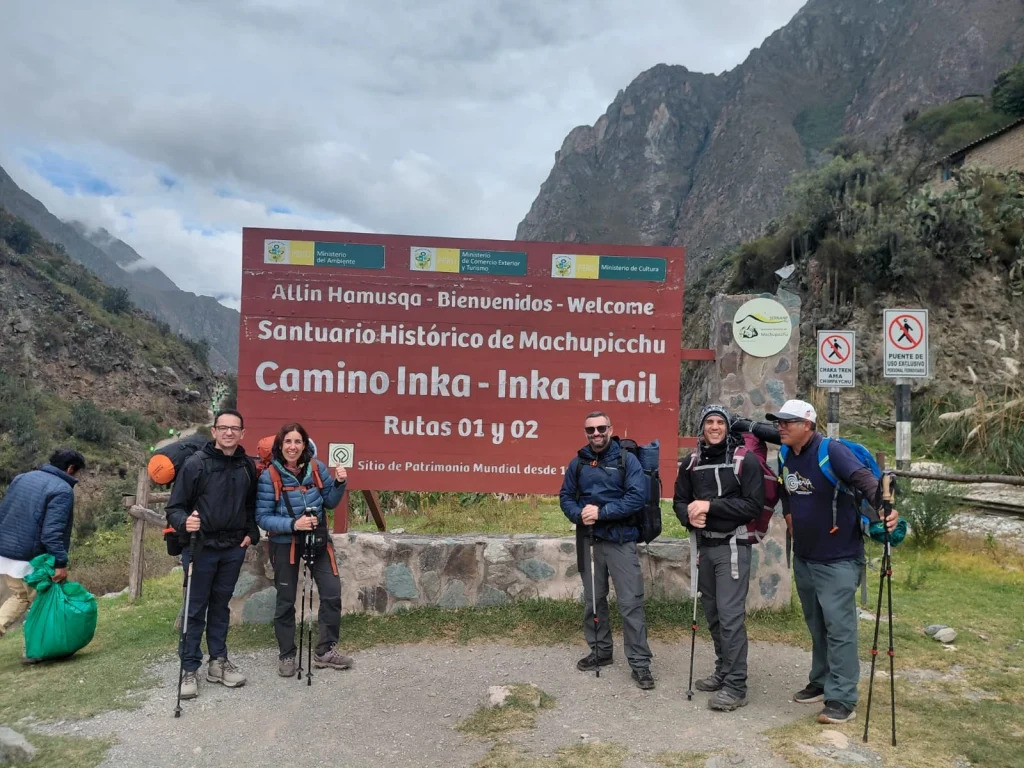
A very enriching experience, full of history and good coordination even with changing weather during the route.
See moreChoquequirao «Cradle of Gold» Trek – 5 Days
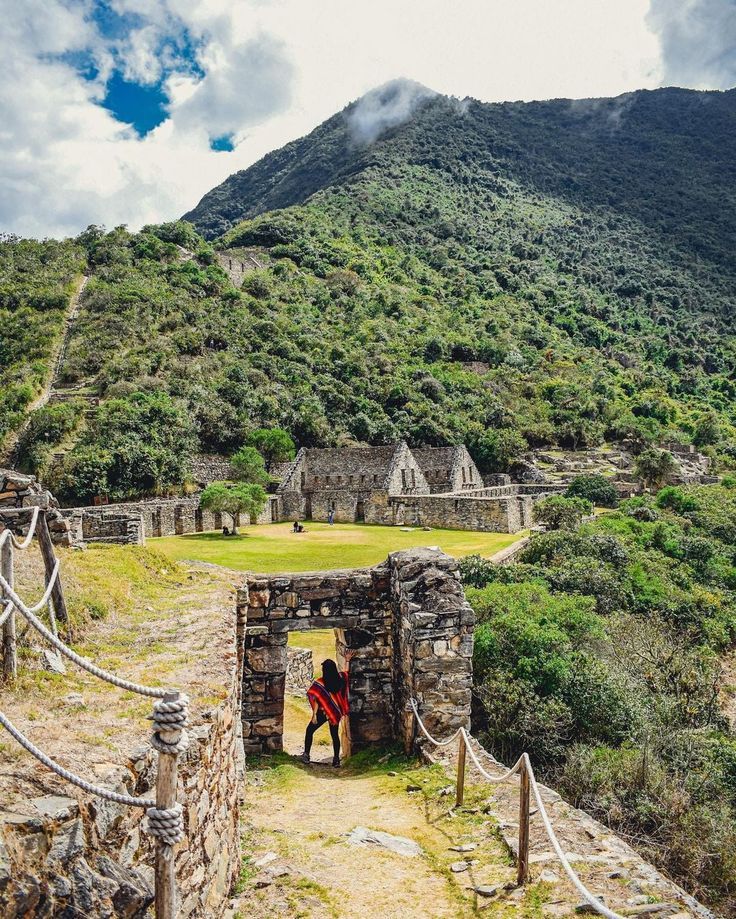
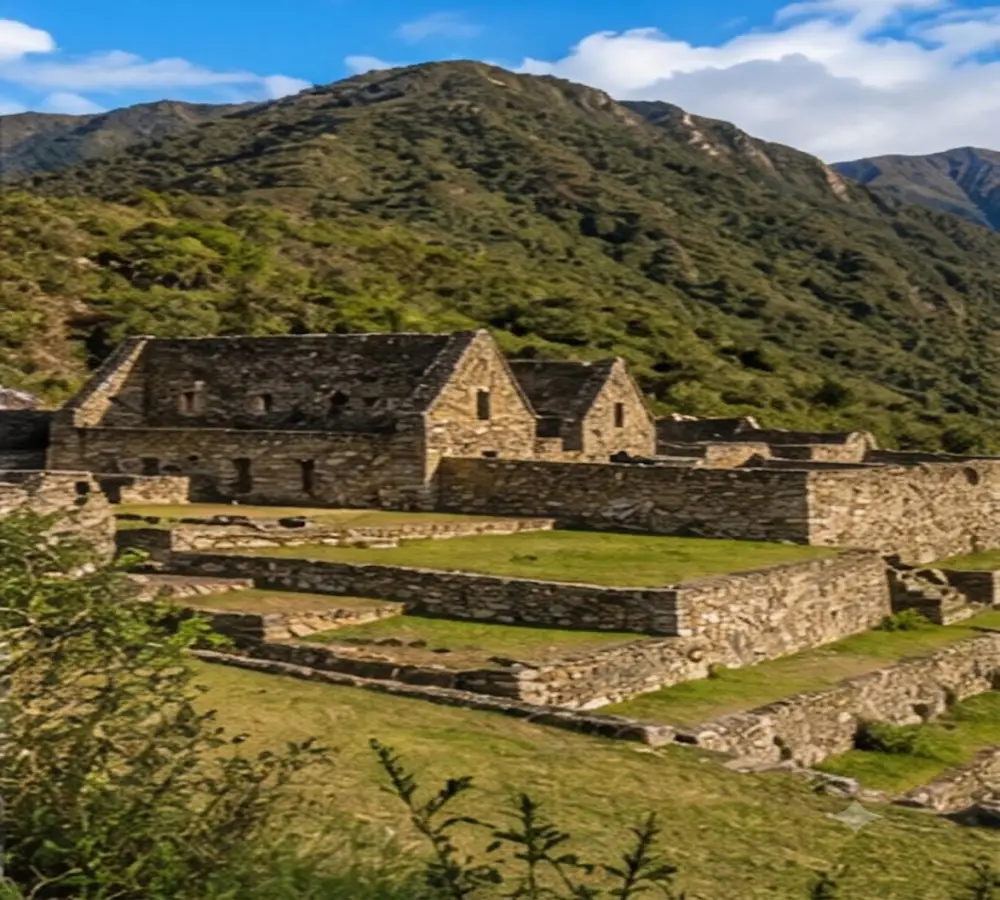
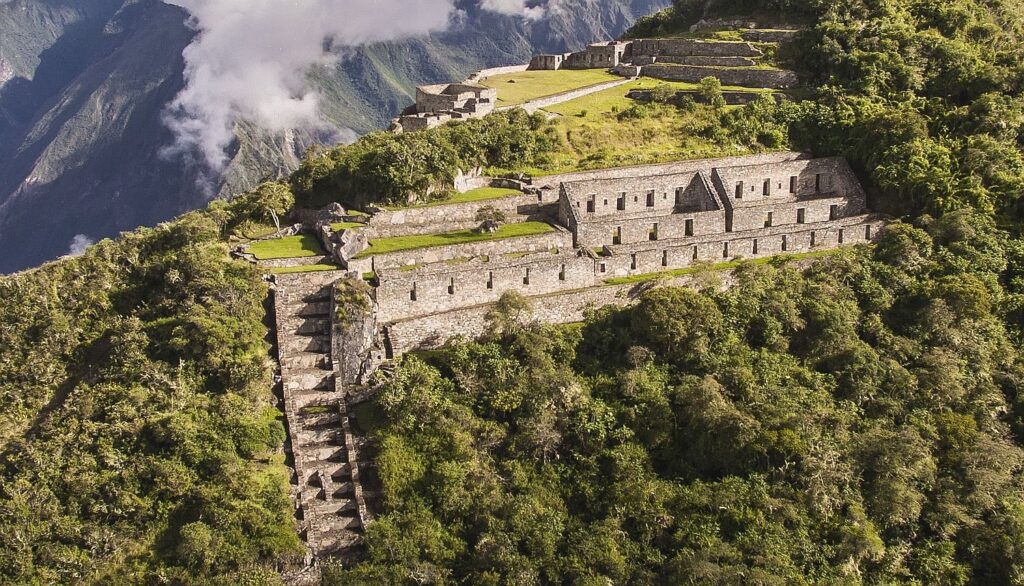
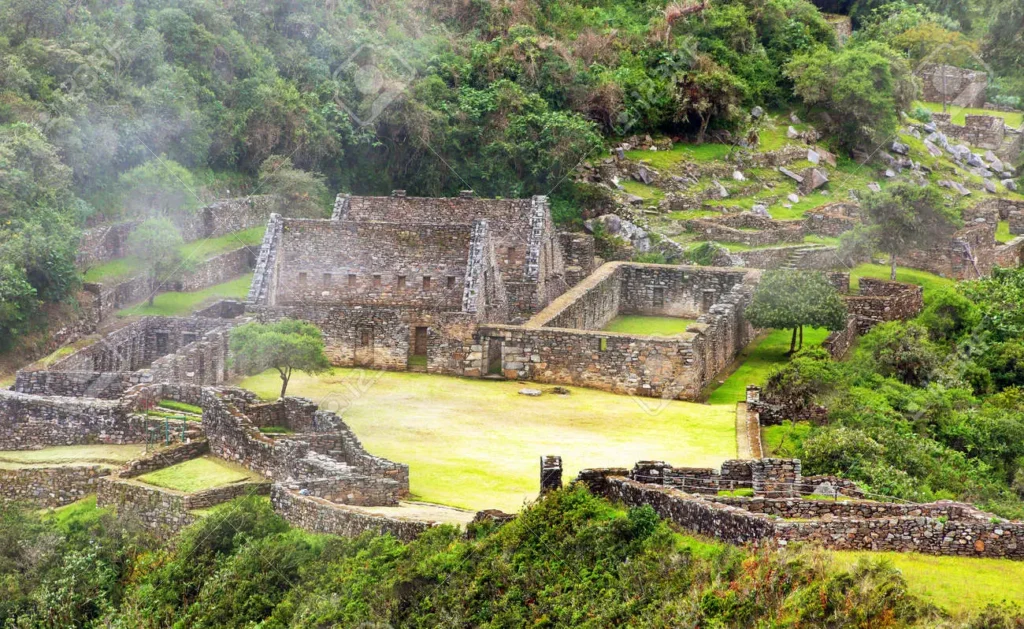
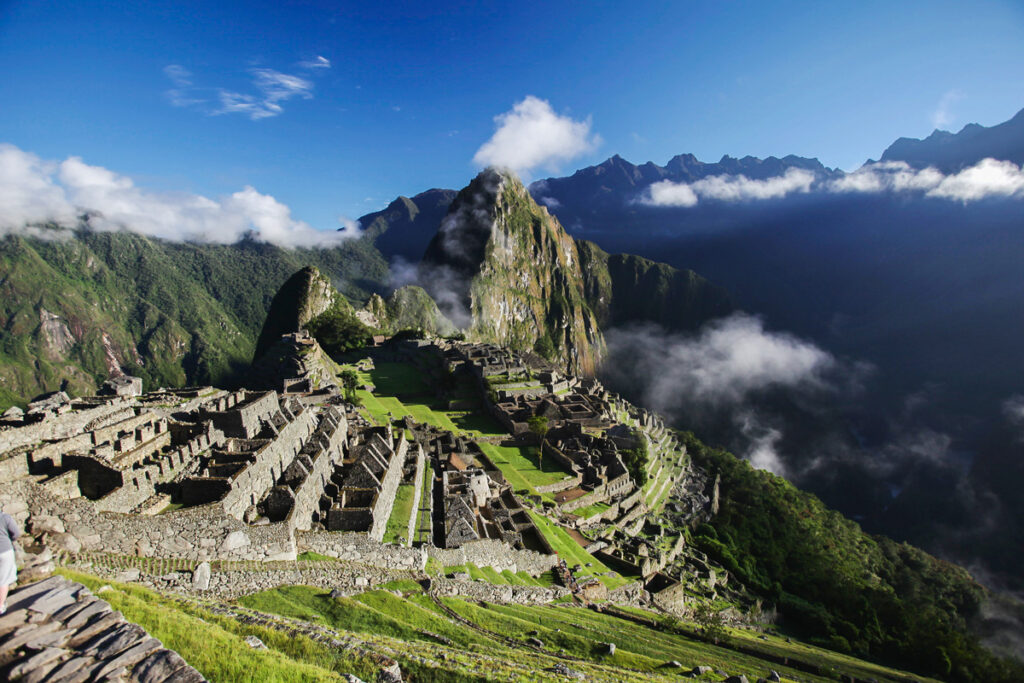
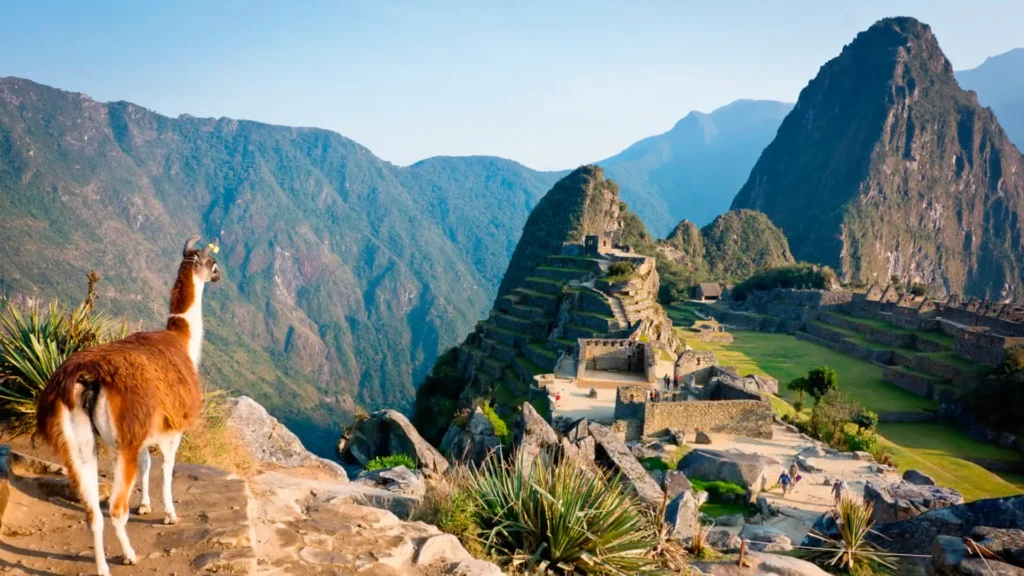
Embark on an amazing 5-day trek to Choquequirao, often referred to as the “Sister of Machu Picchu.” While sharing a similar architectural style, Choquequirao offers a distinctly different experience, situated on a high Andean ridge at 3033m (9948ft) above sea level, approximately 1500m (4920ft) above the mighty Apurimac River. This hidden Inca city, meaning “Cradle of Gold,” provides a profound connection with history and nature, away from the crowds. This challenging yet rewarding journey takes you through dramatic landscapes, revealing a complex that continues to be uncovered from wild foliage, offering spectacular views and a glimpse into the last strongholds of the Inca Empire.

Highlights
- Cusco
- Cachora
- Padrayoc peak
- Capuliyoc viewpoint
- Apurimac Canyon
- Apurimac River
Itinerary
Day 01: Journey to Cachora and Trek to Chiquisca
Cachora and Chiquisca
1
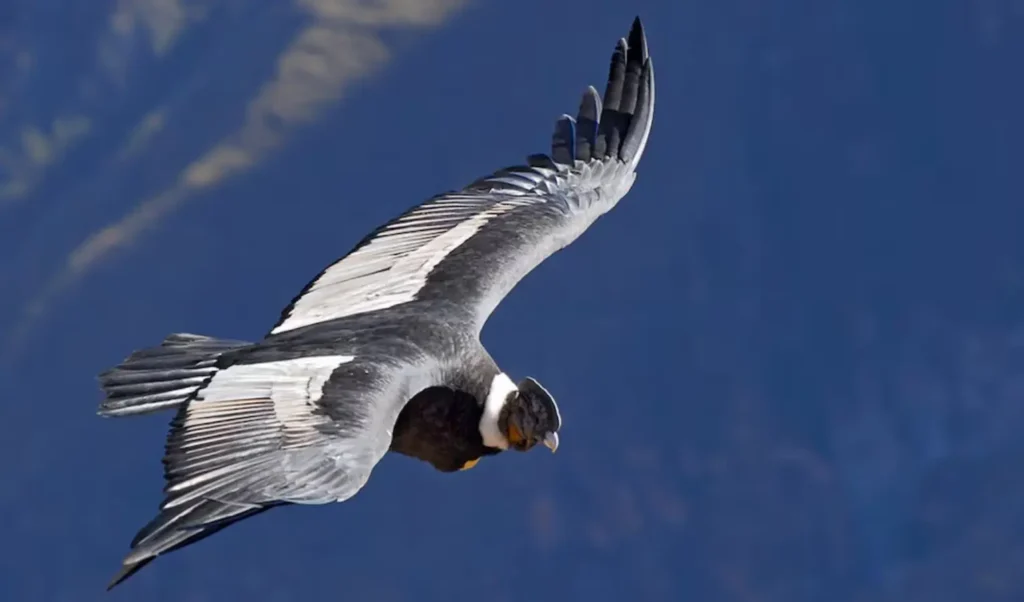
Your adventure begins with an early pick-up from your hotel in Cusco at 5:00 AM. A private transfer will take you on a scenic 4-hour journey to Cachora (2850m/9348ft). While the group enjoys breakfast, the crew will prepare the horses for the trek. The walk from Cachora starts with a flat section, offering views of the majestic snow-capped Padrayoc peak (5482m/17980ft). From the Capuliyoc viewpoint, you might spot soaring Andean condors before beginning a descent into the impressive Apurimac Canyon. The vegetation shifts from agave and prickly pear cacti to a dwarf tree forest. Lunch will be served at Cocamasana, after which you’ll continue to Chiquisca (1950m/6398ft), your campsite for the night.
Day itinerary details
Day 02: Trekking through Apurimac Canyon to Choquequirao
Apurimac River and Choquequirao
1
After an early breakfast, you’ll resume the trek, continuing the descent to the mighty Apurimac River (1550m/5028ft) at the bottom of its impressive deep canyon. After a brief rest, the challenging ascent towards the Choquequirao Archaeological Site begins. The first 2-3 hours involve a steep climb to Santa Rosa, after which the trail alternates between flat sections and climbs, surrounded by beautiful vegetation featuring various orchid species. You’ll have lunch at Maranpata (2850m/9348ft) before continuing for another 2 hours to reach Choquequirao (3033m/9948ft). Your campsite near Choquequirao offers spectacular canyon views, with chances to see Andean Condors circling overhead.
Day itinerary details
Day 03: Full Guided Exploration of Choquequirao
Explore Choquequirao
1
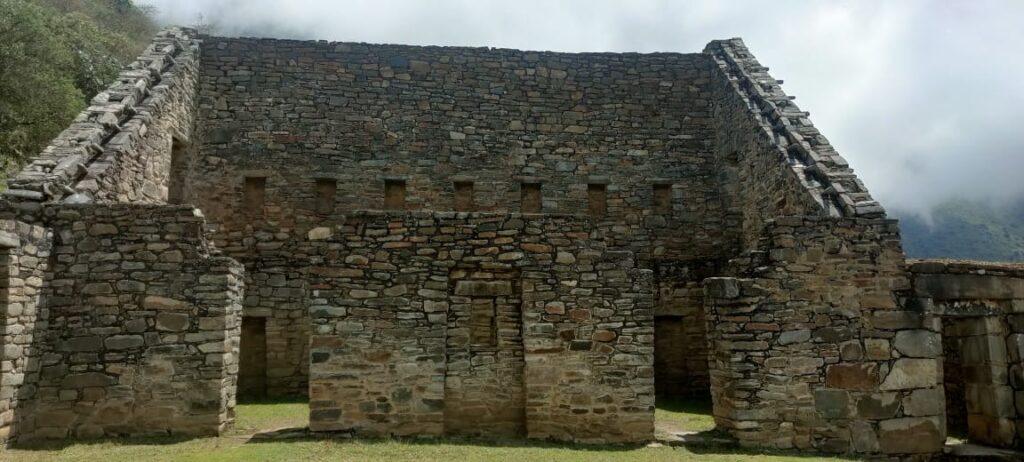
Today is dedicated to a complete guided tour of the magnificent Choquequirao complex, which means “Cradle of Gold.” You will explore both the high parts (Hanan) and the lower parts (Urin) of the site, including areas still covered by wild foliage awaiting restoration to their original Inca splendor. Below the main plaza, discover newly excavated building clusters, such as the intriguing Ridge Group and the Waterfall Temple, a ceremonial complex facing the cascades of a steep ravine. This full day of exploration offers a deep dive into the history and architecture of this remarkable hidden city.
Day itinerary details
Day 04: Descent to San Ignacio and Ascent to Carmen Huerto
San Ignacio and Carmen Huerto
1
After breakfast, begin your trek on a different route from the previous days. This new path offers impressive panoramic views of the Apurimac Canyon and its rich flora and fauna. You will experience a significant height difference, descending approximately 1500m (4920ft) from Choquequirao to Playa San Ignacio (1500m/4950ft). After enjoying lunch in San Ignacio, you’ll begin an ascent to your next camping site, the beautiful and serene Carmen Huerto (2000m/6560ft), a truly paradisiacal spot.
Day itinerary details
Day 05: Final Ascent to Huanipaca and Return to Cusco
1
Your final day of trekking starts with an early breakfast, followed by a climb out of the Apurimac Canyon. As you ascend, the river below recedes into a distant white ribbon, and the magnificent glaciers of the Vilcabamba Range fill the sky ahead. Along the route, you’ll visit local communities like Pacobamba before reaching Huanipaca (3150m/10332ft). From Huanipaca, you’ll be treated to the most impressive views of the Sacsarayoc glacier chain, located in the Vilcabamba region, famously known as the “last shelter of the Incas.” Your trek concludes in Huanipaca, where private transportation will be waiting to take you back to Cusco, marking the end of your unforgettable adventure.
Day itinerary details
A valid passport is required for all travelers. Ensure your passport is valid for at least six months beyond your travel dates.
Recommendations
Before Booking
- Ensure you are in good physical condition for a multi-day trek with significant altitude changes.
- Consult with your doctor about high-altitude travel, especially if you have pre-existing medical conditions.
- Verify the tour availability as departures for treks can be limited.
Before Traveling
- Acclimatize in Cusco for at least 2-3 days before starting the trek to minimize altitude sickness.
- Pack essential trekking gear, including sturdy hiking boots, warm layers, rain gear, and a comfortable backpack.
- Inform the tour operator of any dietary restrictions or medical conditions in advance.
- Purchase comprehensive travel insurance that covers trekking and high-altitude activities.
Included services
What is included
- Professional bilingual guide (English/Spanish)
- Private transportation from Cusco to Cachora and Huanipaca to Cusco
- All meals as indicated in the itinerary (5 breakfasts, 5 lunches, 4 dinners)
- High-quality camping equipment (tents for 2 people, mattresses)
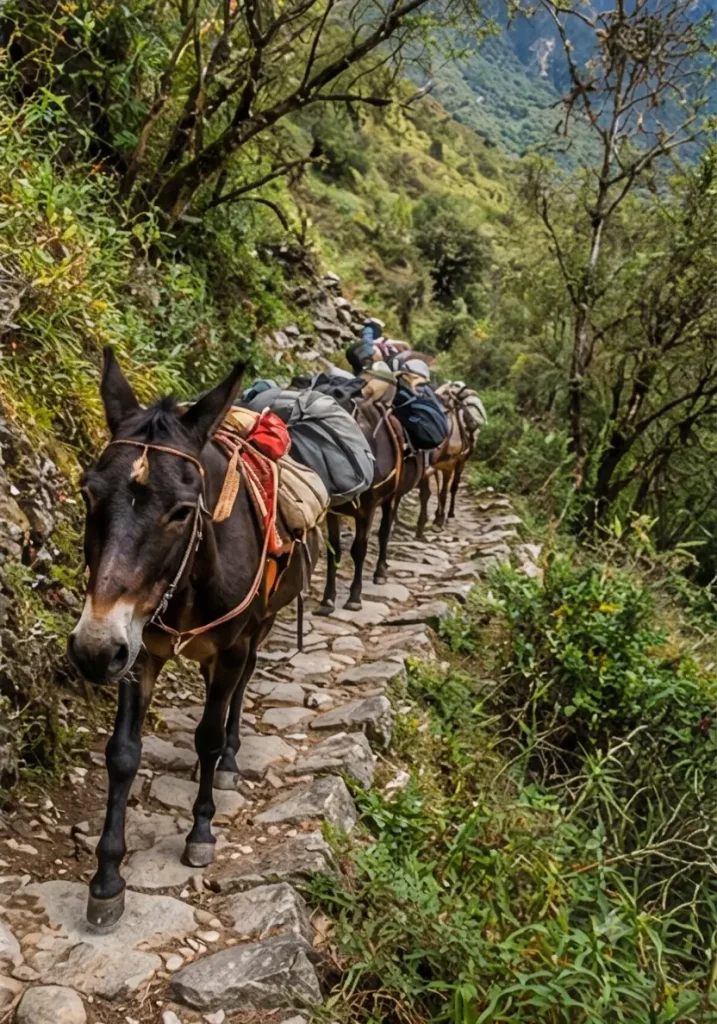
- Horses and arrieros (horsemen) for carrying camping gear, food, and personal luggage (up to a specified weight per person)
- Emergency oxygen bottle and first-aid kit
What is not included
- International or domestic flights
- Travel insurance
- Sleeping bags (can be rented)
- Entrance fee to Choquequirao Archaeological Site (check current rates upon booking)
- Personal trekking gear (e.g., trekking poles)
- Tips for guides, cooks, and horsemen
- Extra drinks, snacks, or personal expenses
Frequently Asked Questions
01 What is the best time of year to undertake the Choquequirao Trek?
The best time to visit Choquequirao is during the dry season, which runs from May to October. During these months, you can expect clearer skies and less rainfall, making for more comfortable trekking conditions and better visibility of the landscapes and archaeological site. However, be prepared for colder nights, especially at higher altitudes.
02 How difficult is the Choquequirao Trek, and what level of fitness is required?
The Choquequirao Trek is considered difficult due to significant elevation changes, steep ascents, and descents, and the overall duration over five days. Trekkers should have an excellent level of physical fitness, be accustomed to hiking for several hours a day, and ideally have prior trekking experience. Regular cardiovascular exercise and strength training are highly recommended before embarking on this journey.
03 What kind of luggage can I bring on the trek, and what are the weight limits?
You will need a daypack for your essentials during the day (water, snacks, rain gear, camera). Your main luggage will be carried by horses. The specific weight limit for personal luggage carried by horses is typically around 5-7 kg (11-15 lbs) per person, but it’s best to confirm with the operator upon booking. Any additional luggage can usually be stored at your hotel in Cusco.
04 Are there restrooms and showers available along the Choquequirao Trek?
Restroom facilities are very basic along the trail, often consisting of pit latrines at campsites. Showers are generally not available during the trek; however, some campsites might offer very cold water for a quick rinse. It is advisable to bring biodegradable toiletries and wet wipes for personal hygiene.
05 Is it possible to rent trekking equipment like sleeping bags or poles?
Yes, most tour operators offer trekking equipment for rent, including high-quality sleeping bags (often rated for -10°C or 14°F), sleeping pads, and trekking poles. It’s recommended to reserve these items in advance when booking your tour to ensure availability and proper sizing.
Traveler Experiences
Hear from travelers who experienced the magic of our tours
Recent comments