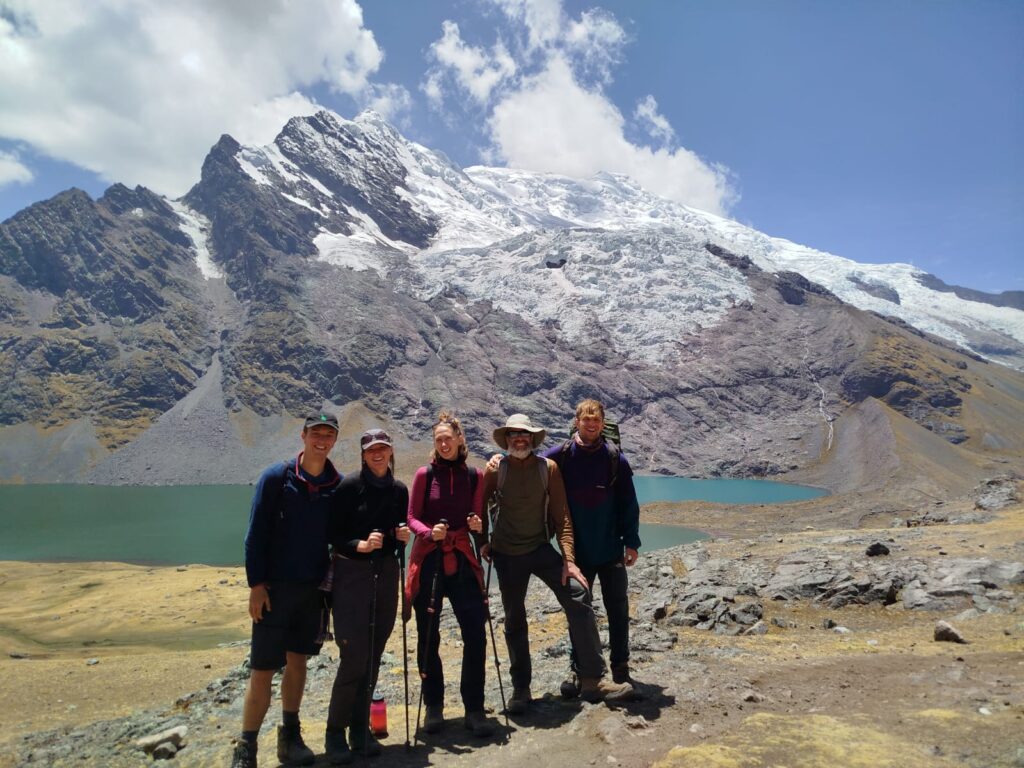
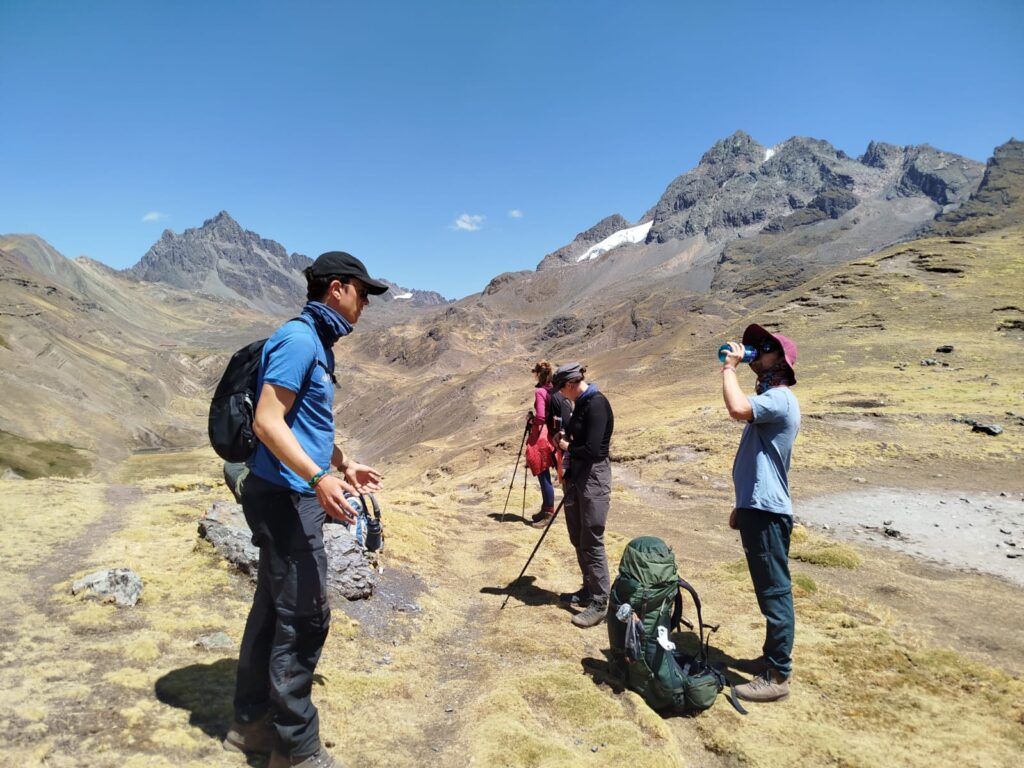
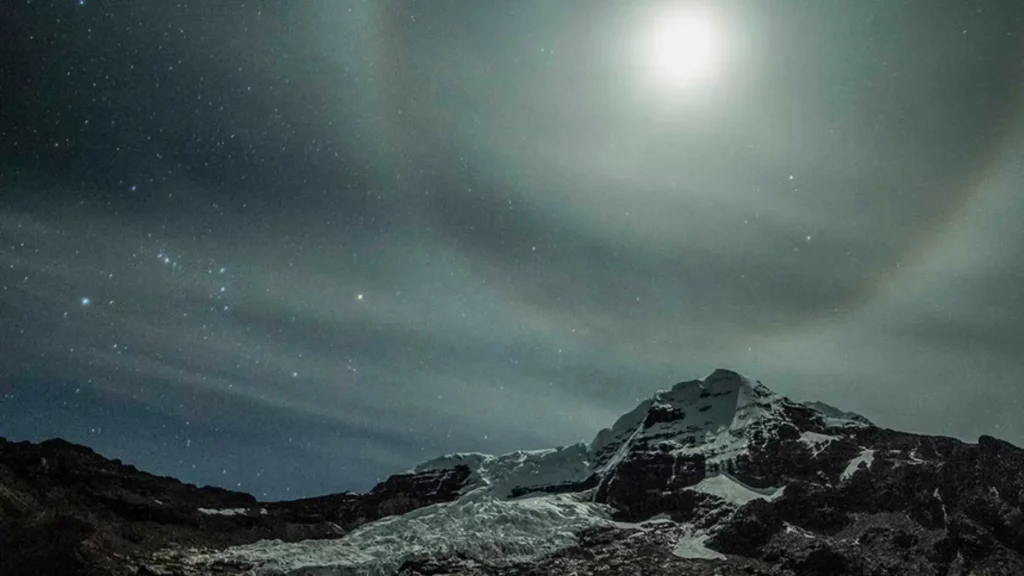
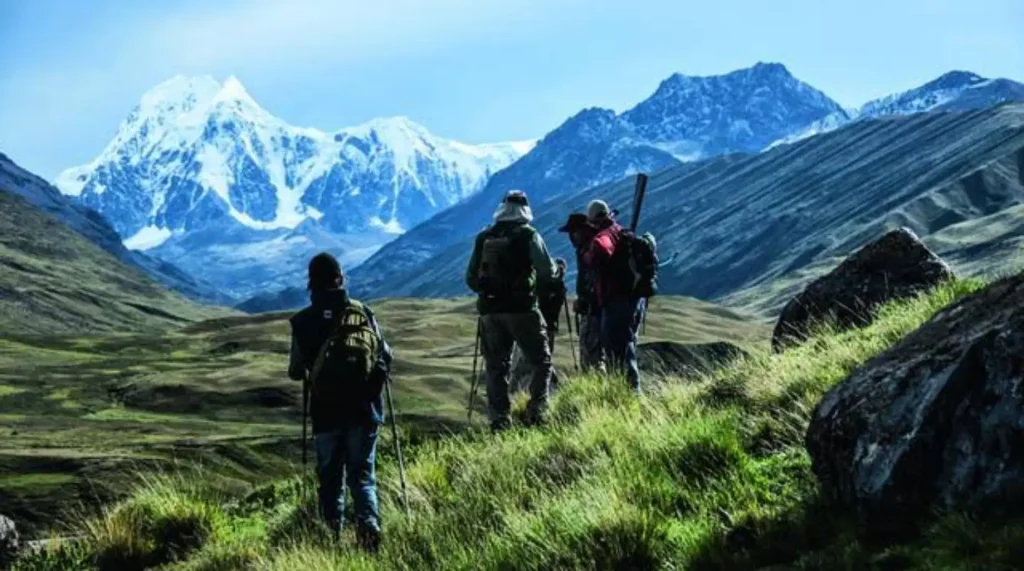
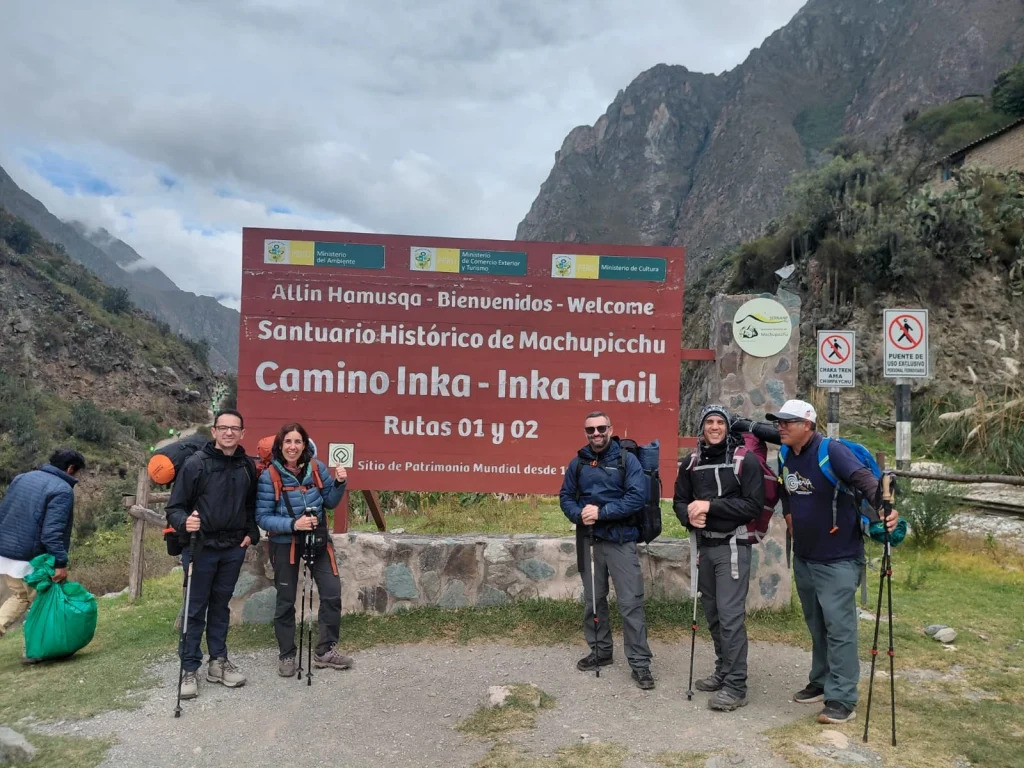
A very enriching experience, full of history and good coordination even with changing weather during the route.
See moreAusangate Andean Trek – 6 Days
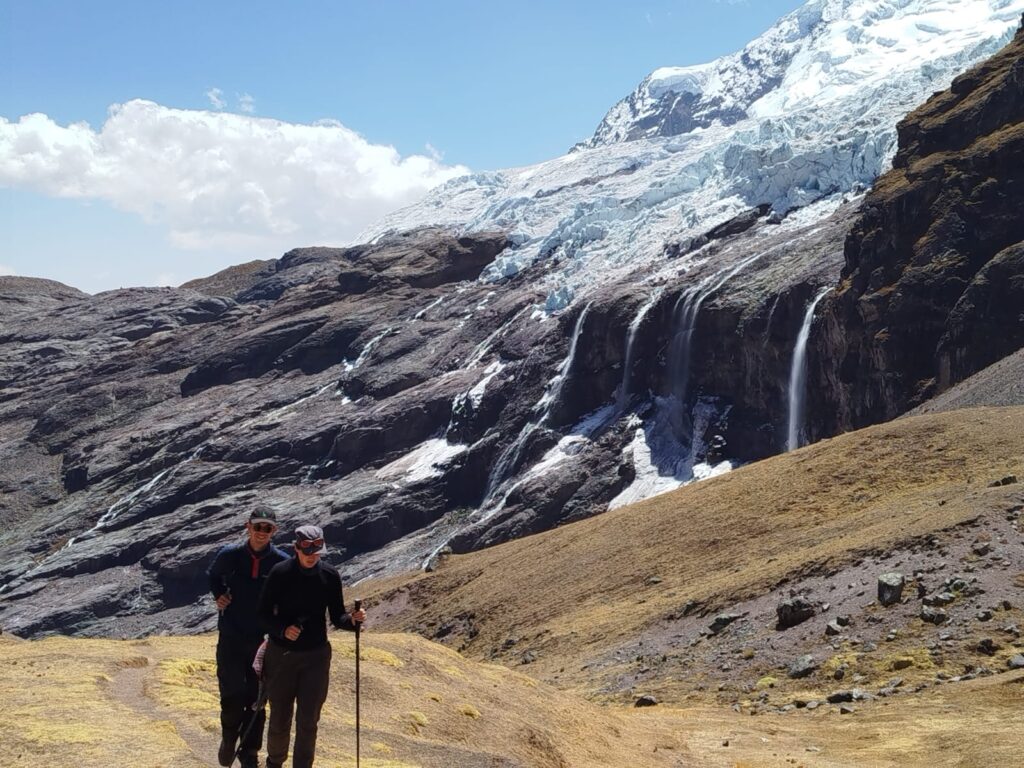
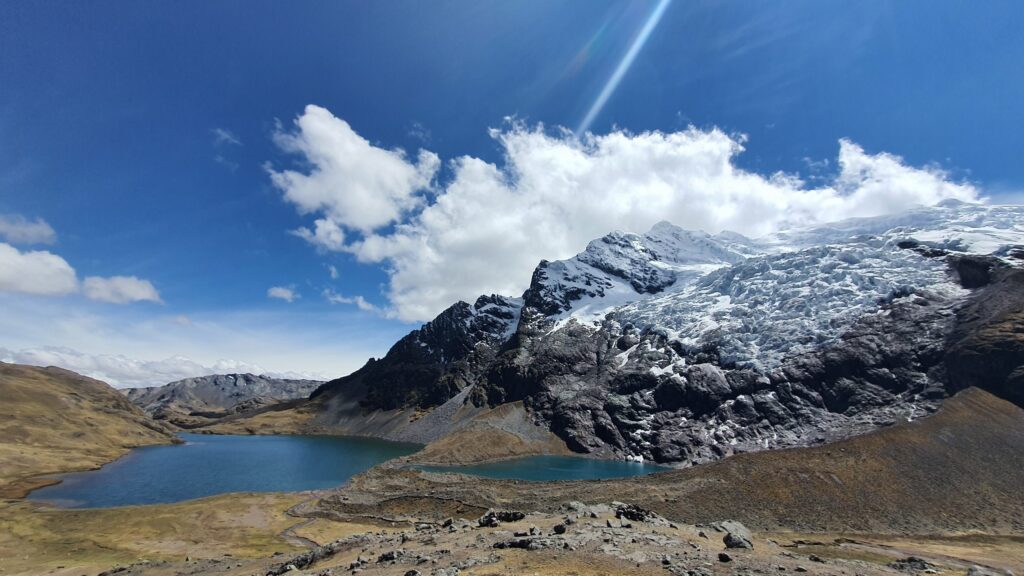
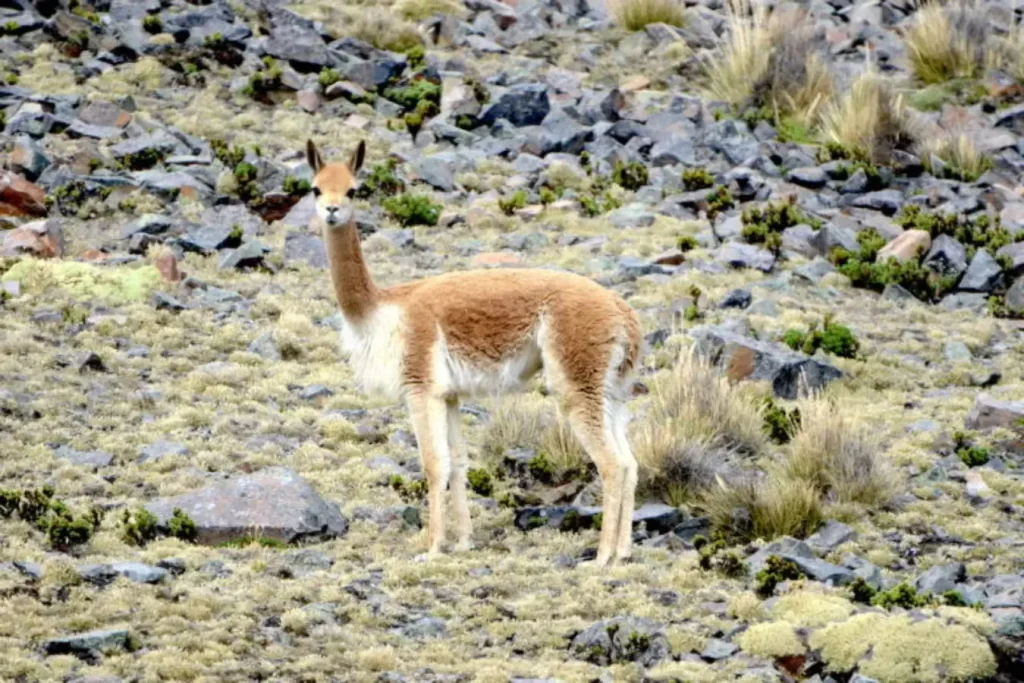
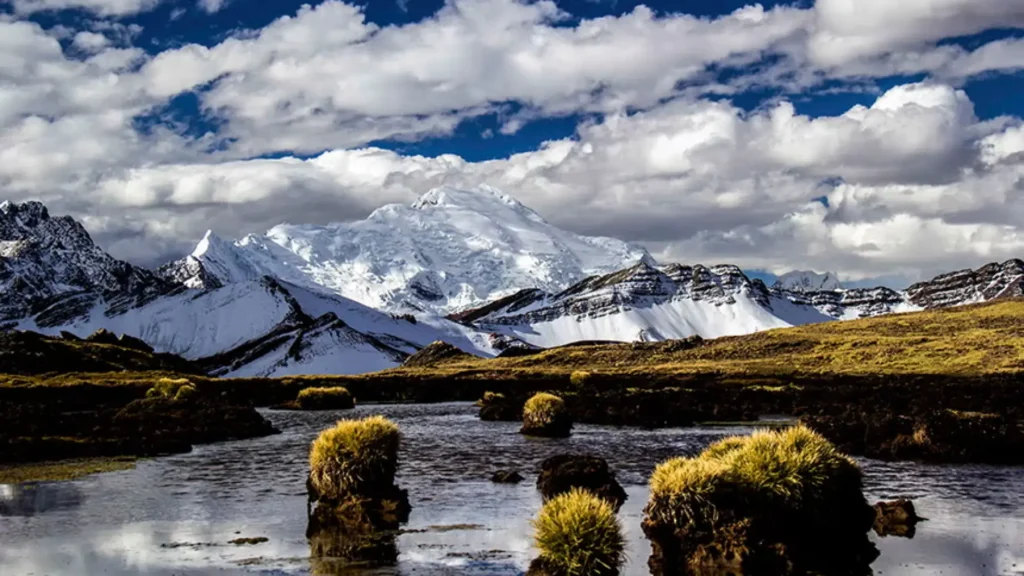
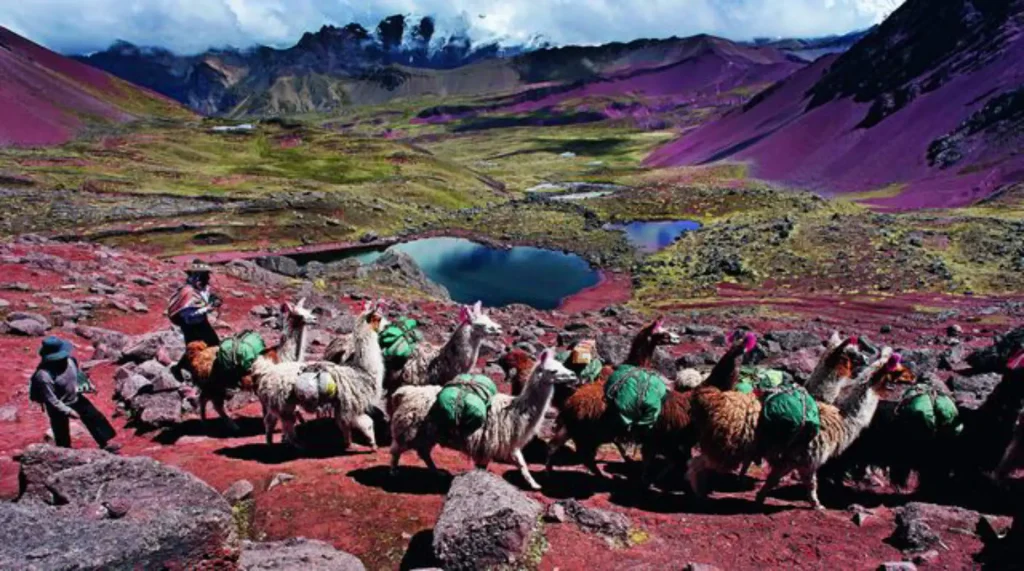
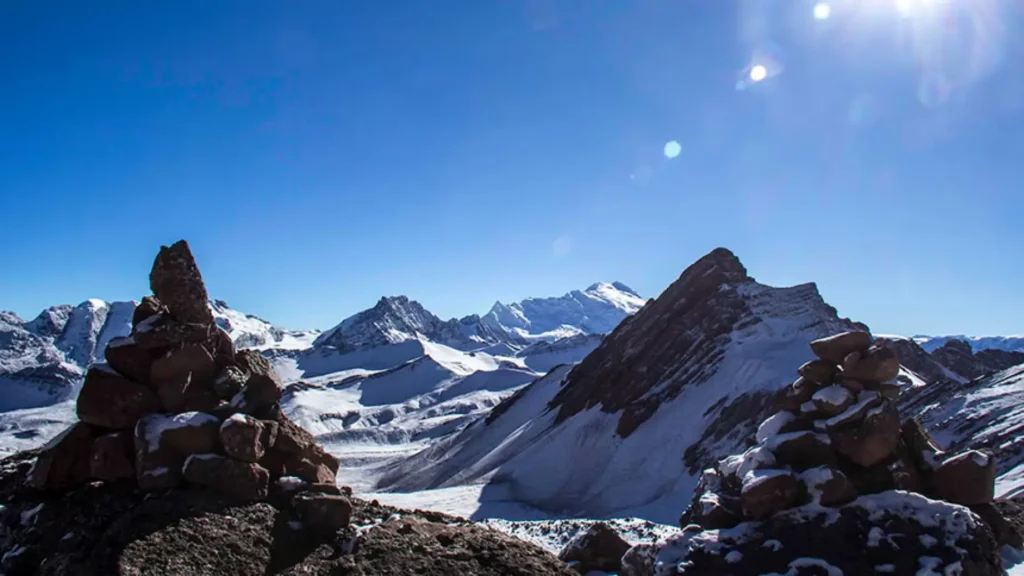
Embark on a superb trekking adventure in the rugged Cordillera Vilcanota, a high and wild circuit through this rarely-visited range. The route follows lovely alpine valleys, home to Quechua Indian herdsmen and some of Peru’s most spectacular wildlife, including graceful vicuñas and the majestic Andean condor. Traversing this pristine and beautiful region, you’ll enjoy a series of wonderful lakeside camps and cross several 5000-meter passes, each offering far-reaching mountain views. The hike culminates in Phinaya, a small and remote Andean community.
Highlights
- Cordillera Vilcanota
- Tinqui
- Pacchanta
- Comercocha Lagoon
- Abra Q'ampa
- Ticllaqocha Lagoon
Itinerary
Day 01: Cusco to Tinqui & Comercocha Lagoon
Journey to Comercocha Lagoon
1
Begin your adventure with a 6:00 AM pickup from your hotel in Cusco. Depart in private transport, driving along the Puerto Maldonado highway towards Tinqui (3800m/12464ft). You’ll pass through charming towns such as Urcos and Ccatcca, eventually arriving in Tinqui after approximately 3.5 hours. After organizing your luggage, embark on a picturesque 3-hour hike to Pacchanta (4100m/13448ft), where you’ll enjoy lunch by the hot springs. Afterward, continue climbing to establish your camp in a pasture near Comercocha Lagoon (4570m/14989ft).
Day itinerary details
Day 02: Comercocha to Hacienda Quilleta via Abra Q'ampa
Crossing Abra Q'ampa Pass
1
After breakfast, continue your hike with a gentle ascent past glacial tarns and isolated shepherd’s huts towards the magnificent first pass, Abra Q’ampa (5000m/16400ft), reached after about 3 hours. From the pass, descend towards Ticllaqocha Lagoon. Keep an eye out for troops of vicuñas amidst the rugged scree and glacial ice. Trek beneath the towering west face of the Jatunjampa peaks, where a new vista of the south face of Nevado Ausangate unfolds. After lunch, hike for an additional 2 hours to reach the campsite near Hacienda Quilleta (4400m/14432ft).
Day itinerary details
Day 03: Quilleta to Sibinacocha Lagoon via Condor Pass
Summiting Condor Pass
1
Following breakfast, leave camp and begin a gradual climb to reach the summit of Condor Pass, the highest point of the trek (5100m/16728ft). From the pass, marvel at the amazing views of the valley with its colored mountains and the vast Sibinacocha Lagoon. Hike for an additional 3 hours to cross another mountain pass before descending into the valley of Sibinacocha Lagoon, a glacial lake stretching about 15 km (9 miles) in length and 2 km (1.2 miles) wide. You may spot flamingos along its shores. Apart from the occasional stone shepherd’s hut, this vast valley shows no sign of human population.
Day itinerary details
Day 04: Sibinacocha Lagoon to Ccascaracocha
Exploring Ccascaracocha's Birdlife
1
After breakfast, hike around the head of Sibinacocha Lake, venturing eastward into another valley of even more sublime beauty. Your destination is Ccascaracocha, a smaller lake renowned for its fascinating concentration of high-altitude Andean birds. Observe giant coots building mud nests in the shallows, pairs of Huallata (Andean geese), ducks, and more flamingos. Several Quechua families have permanent homes by the lakeshore, tending to enormous herds of alpacas in this remote spot, surrounded by impressive snow-capped peaks like Montura and Chumpi.

Day itinerary details
Day 05: Optional Ascent of Cerro Yayamari
Conquering Cerro Yayamari
1
Today offers the highlight of the trek: an optional scramble up Cerro Yayamari (5500m/18040ft), a snow-covered peak situated in the center of this breathtaking panorama of lakes and glaciated summits. This challenging ascent rewards you with unparalleled views of the surrounding Andean landscape.
Day itinerary details
Day 06: Yayamari Region to Phinaya & Return to Cusco
Return to Cusco
1
Enjoy breakfast before hiking out to the southern end of Sibinacocha Lagoon, where a new road terminates and your vehicle awaits in Phinaya. This small Andean community boasts a beautiful little church. You’ll have lunch here before loading up and returning to Cusco, where you will be transferred back to your hotel.
Day itinerary details
Acclimatization to high altitude in Cusco is essential before undertaking this challenging trek.
Recommendations
Before Booking
- Consult with the operator about physical requirements, the challenging itinerary, and any specific gear recommendations.
- Check current permit availability, especially for high-demand trekking seasons.
- Discuss any dietary restrictions, medical conditions, or health concerns with the operator to ensure a safe and enjoyable trip.
Before Traveling
- Acclimatize to the high altitude in Cusco for at least 2-3 days prior to starting the trek to minimize the risk of altitude sickness.
- Pack appropriate warm clothing, waterproof outer layers, and sturdy, broken-in hiking boots suitable for high-altitude conditions and varying weather.
- Obtain comprehensive travel insurance that covers high-altitude trekking, medical emergencies, and trip cancellation.
- Ensure your passport is valid for at least six months beyond your travel date.
- Bring a small daypack, reusable water bottle, sunglasses, high-SPF sunscreen, and a wide-brimmed hat for sun protection.
Included services
What is included
- Private transportation from Cusco to Tinqui (Day 1) and Phinaya to Cusco (Day 6).
- Professional bilingual guide (English/Spanish).
- Meals as specified in the itinerary (Box-lunch, Breakfast, Lunch, Dinner).
- Camping equipment (high-quality tents, based on double occupancy).
What is not included
- International and domestic flights.
- Travel insurance (highly recommended).
- Personal trekking gear (e.g., sleeping bags, hiking poles, backpacks).
- Entrance fees to hot springs (if applicable and not explicitly mentioned).
- Tips for guides, cooks, and support staff.
- Additional snacks, alcoholic beverages, or personal expenses.
- Hotel accommodation in Cusco before or after the trek.
Frequently Asked Questions
01 What kind of physical preparation is required for this trek?
This is a challenging high-altitude trek that requires excellent physical fitness. Participants should have experience with multi-day treks, be comfortable with sustained walking at elevations above 4500 meters (14,700 feet), and engage in regular cardiovascular exercise in the months leading up to the trip.
02 Are porters available to carry personal belongings?
While the text doesn’t explicitly mention porters, it’s standard practice for such treks. Usually, pack animals (horses or llamas) are used for group gear, and personal porters can often be arranged for an additional fee to carry your personal belongings. Please inquire with the operator when booking.
03 What is the best time of year to do the Ausangate Andean Trek?
The dry season, from May to October, is generally considered the best time for trekking in the Ausangate region, offering clearer skies and more stable weather conditions. However, temperatures can still drop significantly at night, and occasional rain is always possible.
04 What are the sleeping arrangements like during the trek?
Accommodation during the trek will be in high-quality camping tents. The tour’s pricing is often based on sharing one tent between two people (double occupancy). For private tours, single tents may be an option, subject to availability and an extra charge.
05 Is altitude sickness a concern, and what precautions are taken?
Altitude sickness is a significant concern on this high-altitude trek. It’s crucial to acclimatize in Cusco for at least 2-3 days prior. Our guides are trained to monitor symptoms, and emergency oxygen is carried. Staying well-hydrated, avoiding alcohol, and pacing yourself are vital preventative measures.
Traveler Experiences
Hear from travelers who experienced the magic of our tours
Recent comments