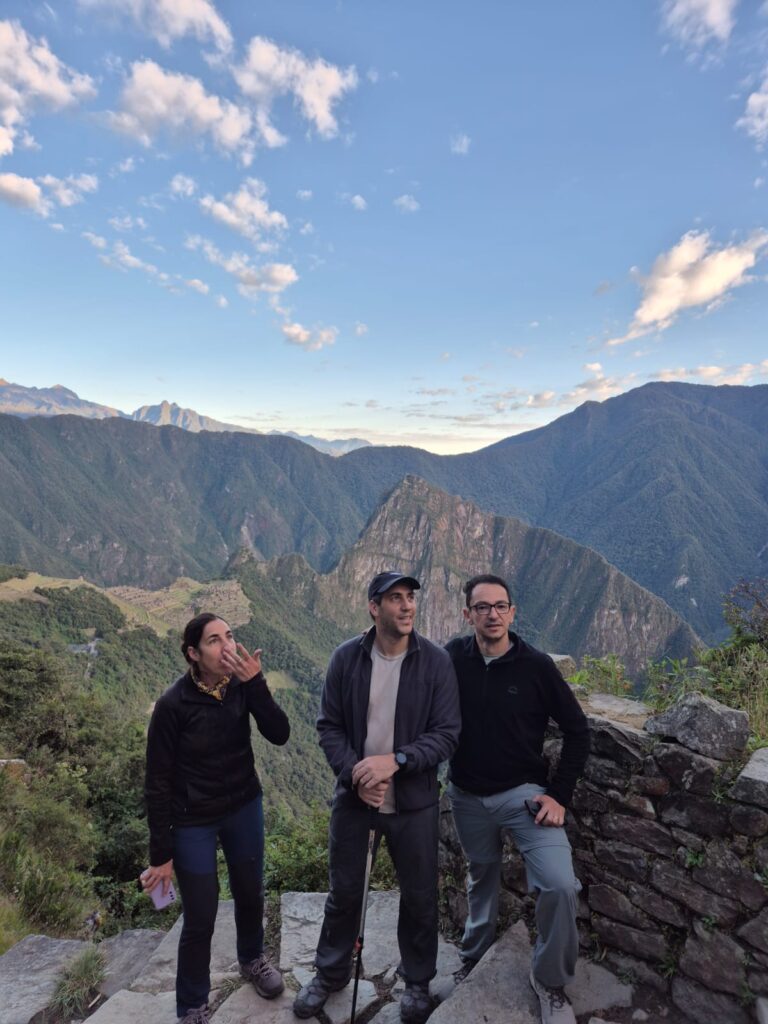
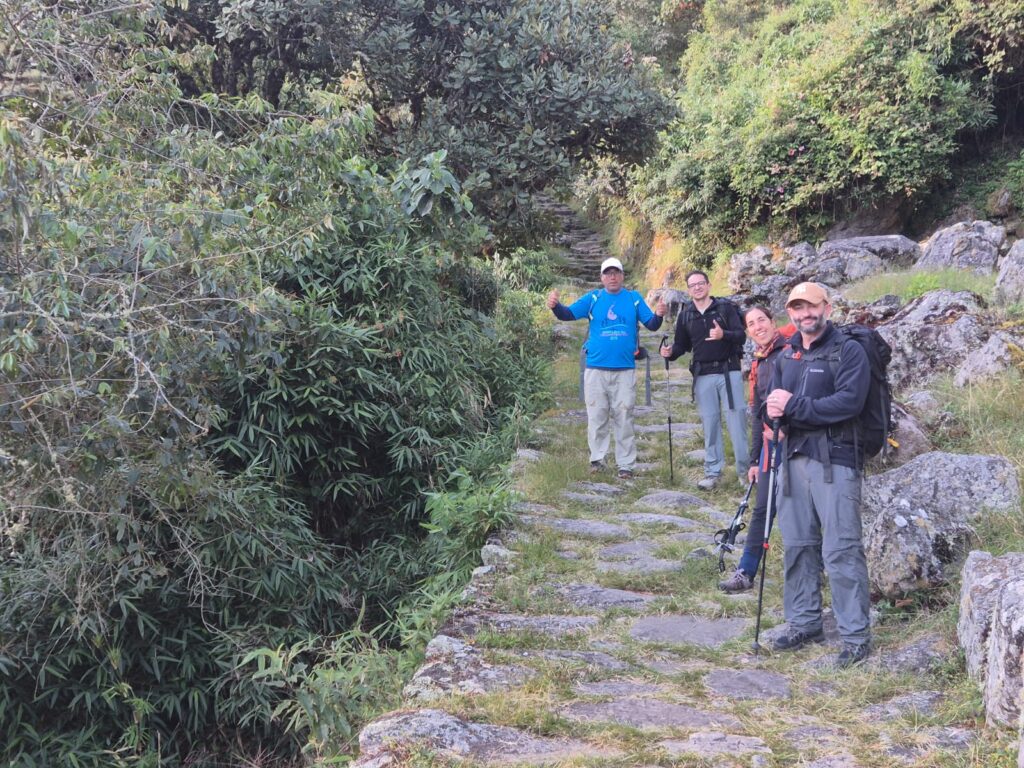
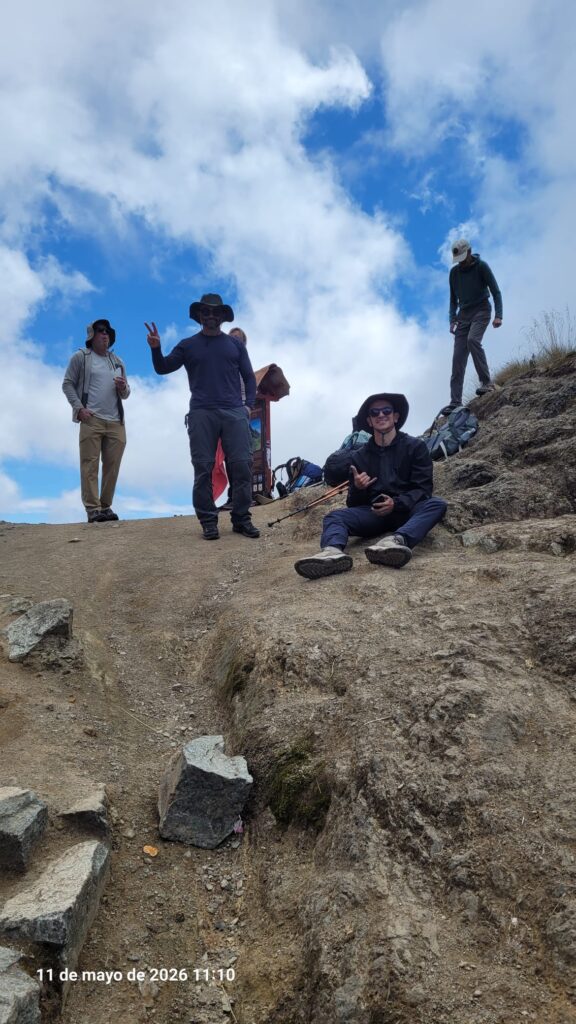
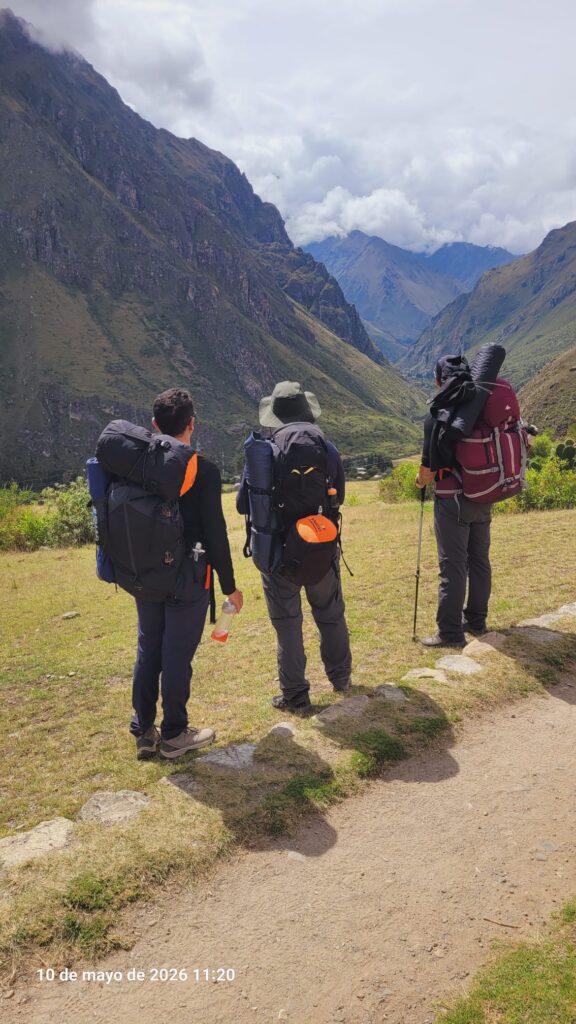
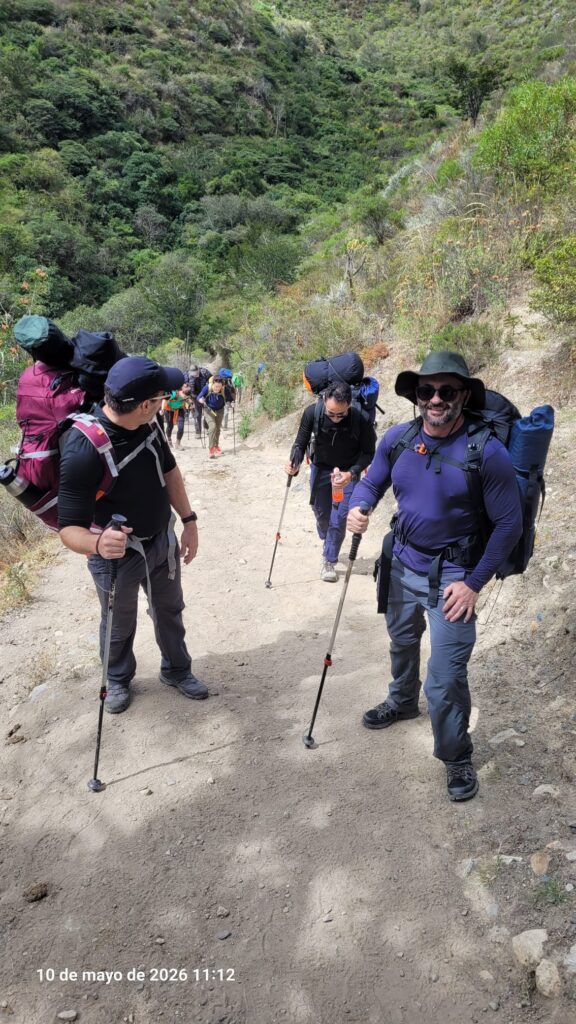
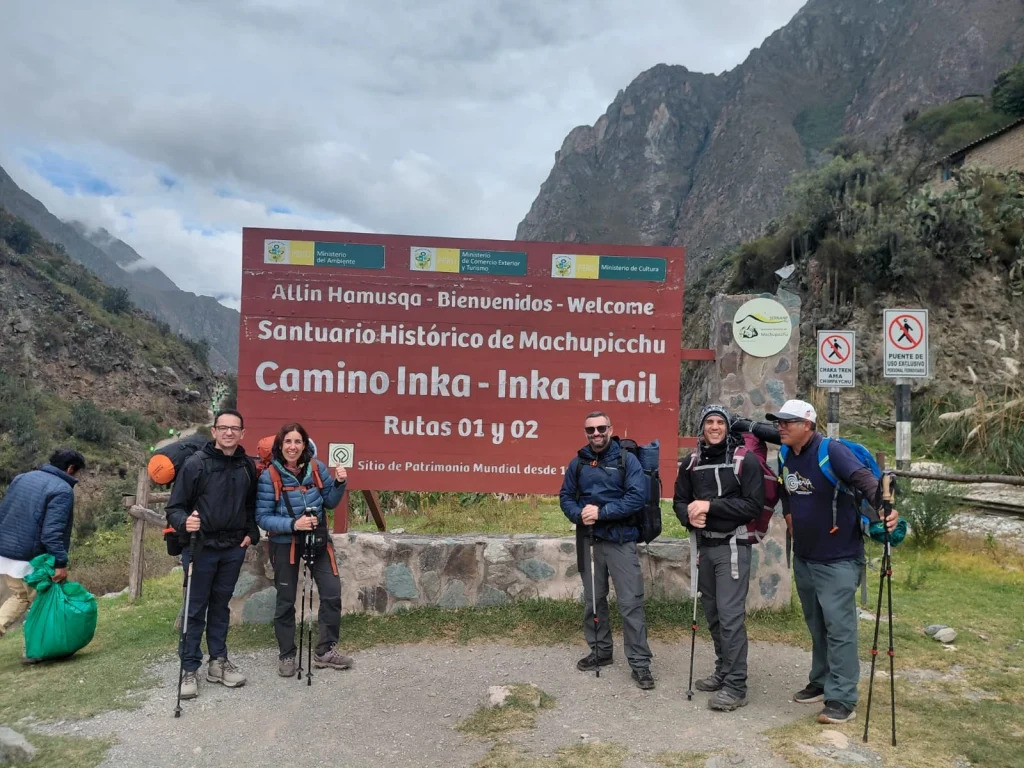
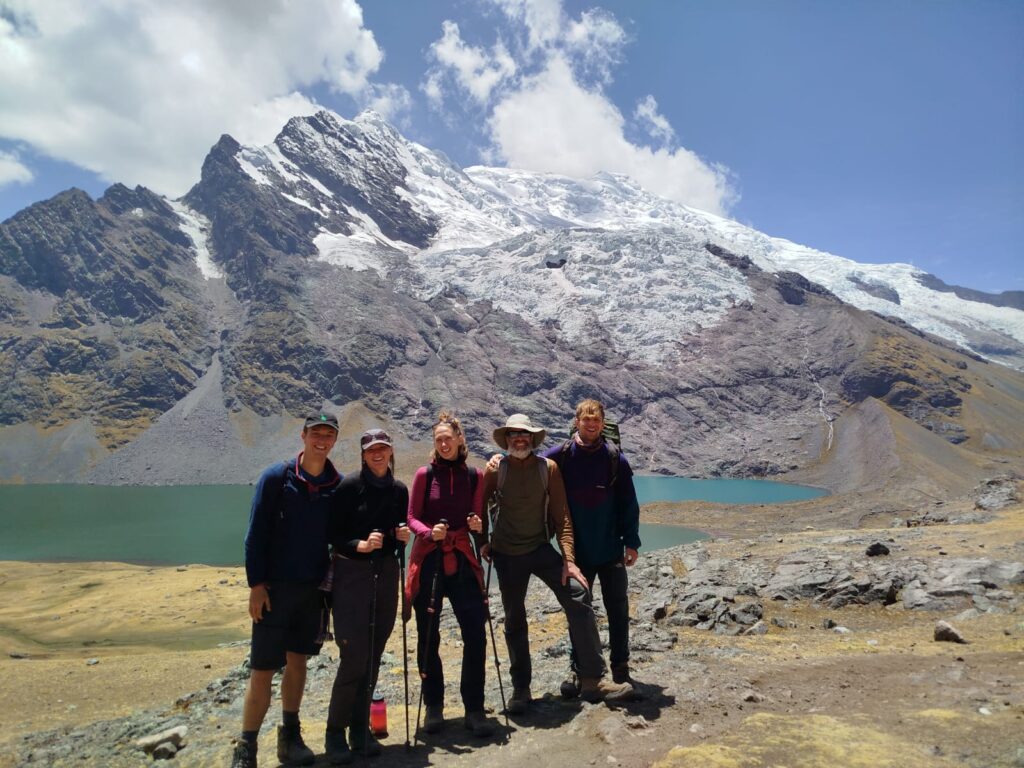
A very enriching experience, full of history and good coordination even with changing weather during the route.
See moreAncascocha Trek & Classic Inca Trail to Machu Picchu (7 Days)
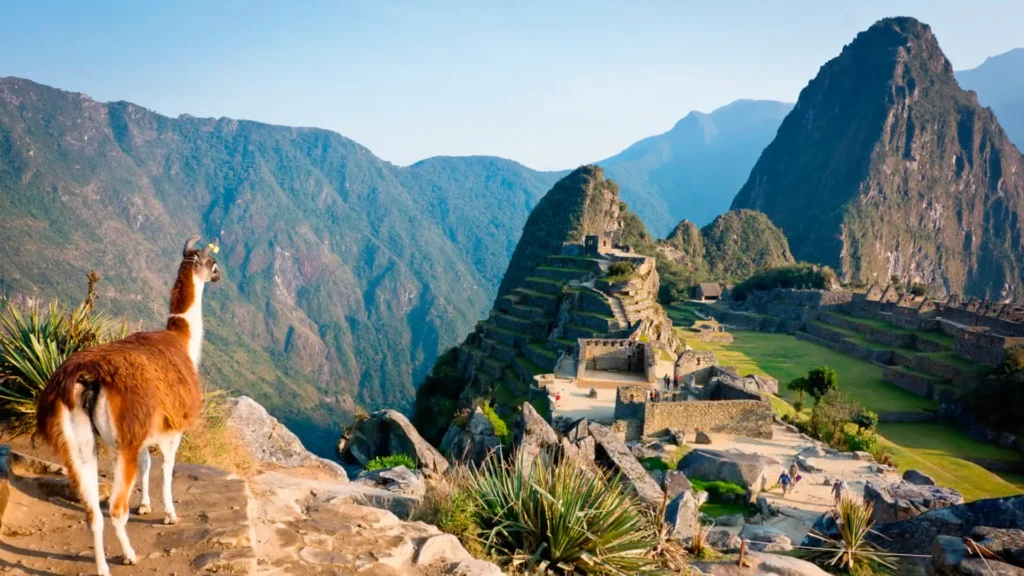
Embark on an extraordinary 7-day adventure combining the remote beauty of the Ancascocha Trek with the legendary Classic Inca Trail, culminating in a breathtaking visit to Machu Picchu. This challenging trek takes you through diverse landscapes, from dry mountains to lush cloud forests, offering unparalleled views of snow-capped peaks, Andean wildlife, and ancient Inca archaeological sites. Traverse high mountain passes like Huayanay Pass (4,650 m / 15,298 ft) and Dead Woman’s Pass (4,215 m / 13,829 ft), discover hidden Inca settlements such as Perolniyoc, Paucarcancha, and Sayacmarca, and experience the cultural richness of remote Andean communities. The journey concludes with an unforgettable sunrise at the magnificent Machu Picchu, providing a truly comprehensive and immersive experience of the Peruvian Andes.
Highlights
- Cusco
- Soqma
- Perolniyoc Waterfall
- Perolniyoc Inca Site
- Rayan
- Kuychicassa Pass
Itinerary
Day 01: Cusco to Rayan: The Trek Begins
Perolniyoc Waterfall and Inca Site
1
We depart Cusco early in the morning, driving 1 hour and 45 minutes to Soqma (3,205 m / 10,512 ft), the starting point of our trek. Here, we meet our horsemen and enjoy a delicious, energizing breakfast prepared by our chef. The hike begins with a 1 hour and 45 minute walk to the stunning Perolniyoc cascade lookout, offering a perfect opportunity for photos and a snack. We then continue for another 35 minutes to visit the Perolniyoc Inca site, where we’ll have a brief tour and enjoy lunch. After a satisfying meal, we ascend for 45 minutes to our campsite at Rayan (3,700 m / 12,136 ft).
Day itinerary details
Day 02: Rayan to Ancashcocha: High Passes and Andean Vistas
Kuychicassa Pass and Ancashcocha Valley
1
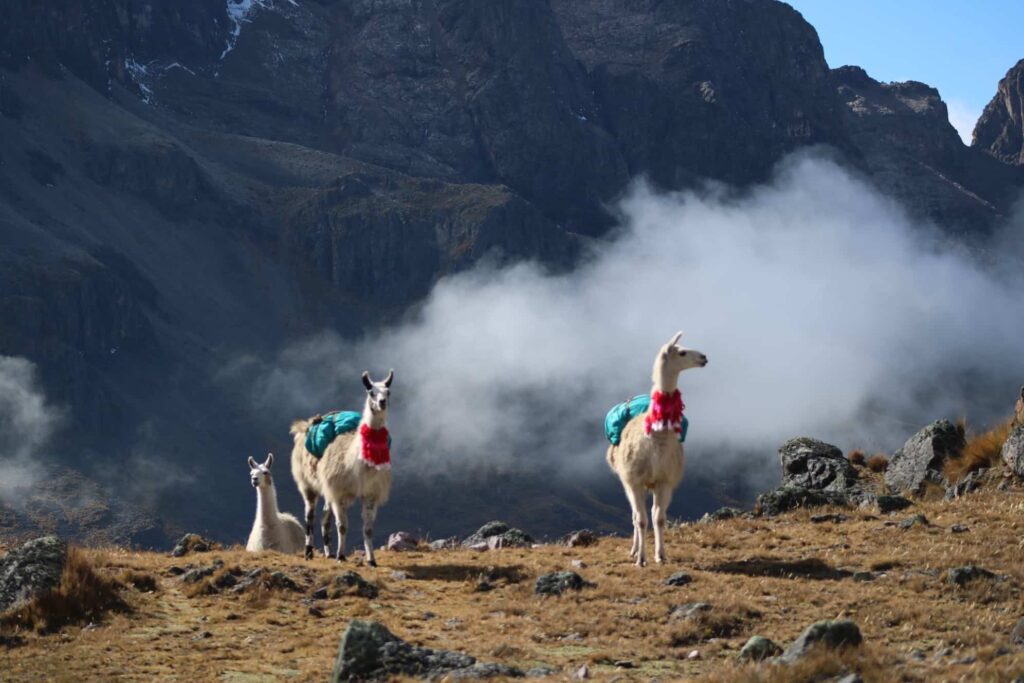
We leave camp around 6:30 AM for a challenging 4-hour uphill trek, rewarded with incredible views of the ‘nevadas’ (snow-capped peaks), llamas, and expansive valleys. If we’re lucky, we might even spot a condor, the largest bird in the Andes. We reach Kuychicassa Pass (4,450 m / 14,596 ft), where we take a break to absorb the magnificent panoramas of the Chancachuco Valley on one side and the Sacred Valley of the Incas on the other. Afterward, we descend for an hour to our lunch spot. The afternoon involves a 30-minute ascent along a narrow trail following a stream, offering beautiful views of Mt. Veronica (5,822 m / 19,100 ft). This is followed by a 4-hour downhill walk to the small community of Ancashcocha (3,700 m / 12,136 ft), our campsite nestled in a gorgeous wooded valley with a serene stream.
Day itinerary details
Day 03: Ancashcocha to Paucarcancha: Huayanay Pass and Ancient Tambos
Huayanay Pass and Paucarcancha Tambo
1
Today promises spectacular views of a nearby glacier and well-preserved Inca remains. After a hearty breakfast, we embark on a challenging 4-hour ascent towards Huayanay Pass (4,650 m / 15,298 ft), the highest point of our trek. This steep zigzag trail includes an original cobblestone-paved Inca path. Along the way, we’ll admire the beautiful waterfall that feeds into the Ancashcocha Lake. After reaching the summit, we descend for 45 minutes to the Inca site of Incarajay, where we’ll have lunch. From here, we begin a long descent into greener vegetation, with distant glimpses of the Classic Inca Trail to Machu Picchu and fascinating views of the Qésqua Valley communities. We pass by the quaint Muyu Muyu community (3,850 m / 12,628 ft) before continuing another 2-hour descent to our campsite next to the beautiful, recently restored Inca ruins of Paucarcancha (3,133 m / 10,276 ft), a unique Inca settlement that served as a ‘Tambo’ (an administrative and military structure).
Day itinerary details
Day 04: Paucarcancha to Llulluchapampa: Joining the Classic Inca Trail
Transition to the Classic Inca Trail
1
Today, our journey changes pace as we officially join the renowned Classic Inca Trail. We bid farewell to our horsemen and horses, and meet the porters who will accompany us on the Inca Trail section. From Paucarcancha, we hike 25 minutes downhill to Huayllabamba (2,866 m / 9,400 ft), the last village on the Classic Inca Trail. This is followed by a 4-hour uphill hike to Llulluchapampa (3,700 m / 12,136 ft). Along the way, we traverse multiple ecosystems, including the enchanting cloud forest. Llulluchapampa serves as our camp for the night, conveniently located very close to the formidable Dead Woman’s Pass.
Day itinerary details
Day 05: Llulluchapampa to Chaquicocha: Conquering Dead Woman's Pass
Dead Woman's Pass and Sayacmarca
1
Your porters will wake you early with a hot cup of coca tea, preparing you for the longest day on the Inca Trail section. We begin with a roughly 2-hour hike to the highest pass of the Inca Trail, Dead Woman’s Pass (4,215 m / 13,829 ft). After a short break to admire the views, we descend into the Pacaymayu Valley (Hidden River), taking another 1.5 hours to reach our lunch spot, where we can refill our water bottles. Following lunch, we ascend again for 2 hours to the second pass. Along the way, we visit the small Inca site of Runcu Raccay and witness two huge waterfalls cascading down the opposite side of the valley. After the second pass, a one-hour downhill hike leads to the magnificent Inca site of Sayacmarca, an otherwise inaccessible village. We’ll stop here for a rest and a guided tour, then watch the sunset over the majestic Vilcabamba mountain range. Just 20 more minutes brings us to our campsite for the night at Chaquicocha (Dry Lake, 3,600 m / 11,808 ft). After dinner, enjoy some stargazing as your guide points out fascinating Inca constellations in the incredible Southern Hemisphere sky!

Day itinerary details
Day 06: Chaquicocha to Wiñay Wayna: Inca Trail Wonders
Phuyupatamarca and Wiñay Wayna
1
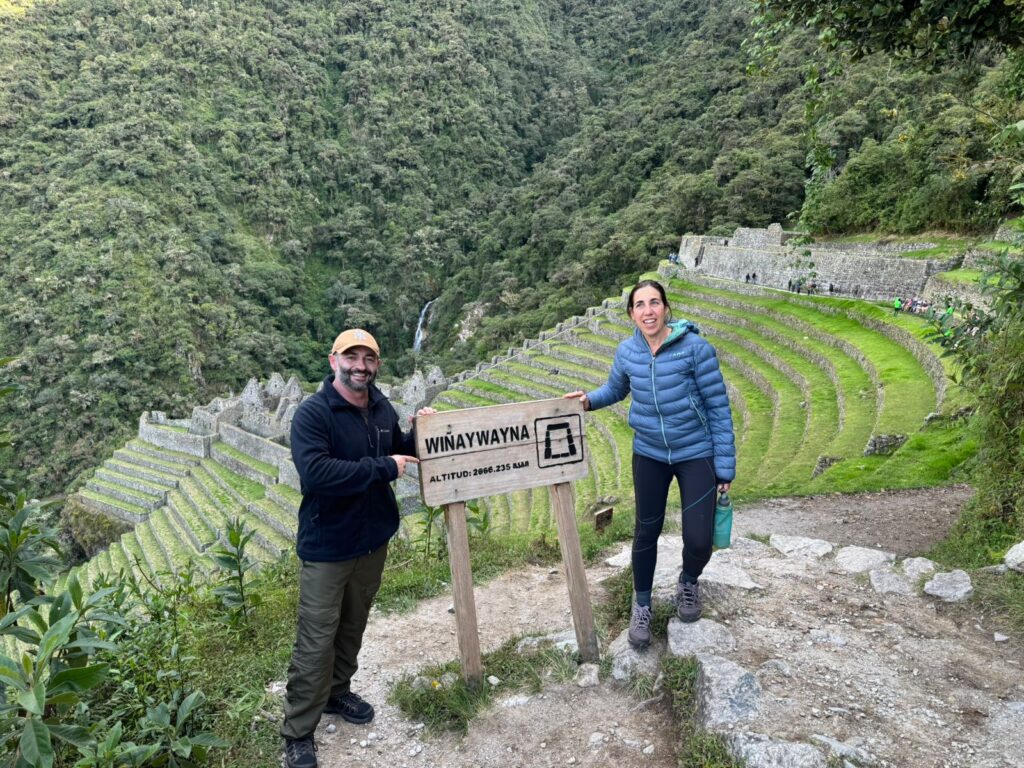
After another fantastic breakfast, we hike for two hours until we reach Phuyupatamarca (3,680 m / 12,073 ft). From this vantage point, we are treated to astonishing views of Aguas Calientes, Machu Picchu Mountain, and Huayna Picchu Mountain. We’ll also enjoy a guided tour of the Phuyupatamarca Inca site. Now, it’s time to head into the lush rainforest! We walk downhill for 2.5 hours, stopping to visit Inti Pata, a location many consider to offer the most beautiful photographic opportunities on the entire Inca Trail. After Inti Pata, it’s a further 30 minutes to our final campsite at Wiñay Wayna (2,680 m / 8,792 ft). Upon arrival, we’ll have lunch and some time to relax before visiting the impressive archaeological site that shares the camp’s name, Wiñay Wayna, the largest and most beautiful site near our camp.
Day itinerary details
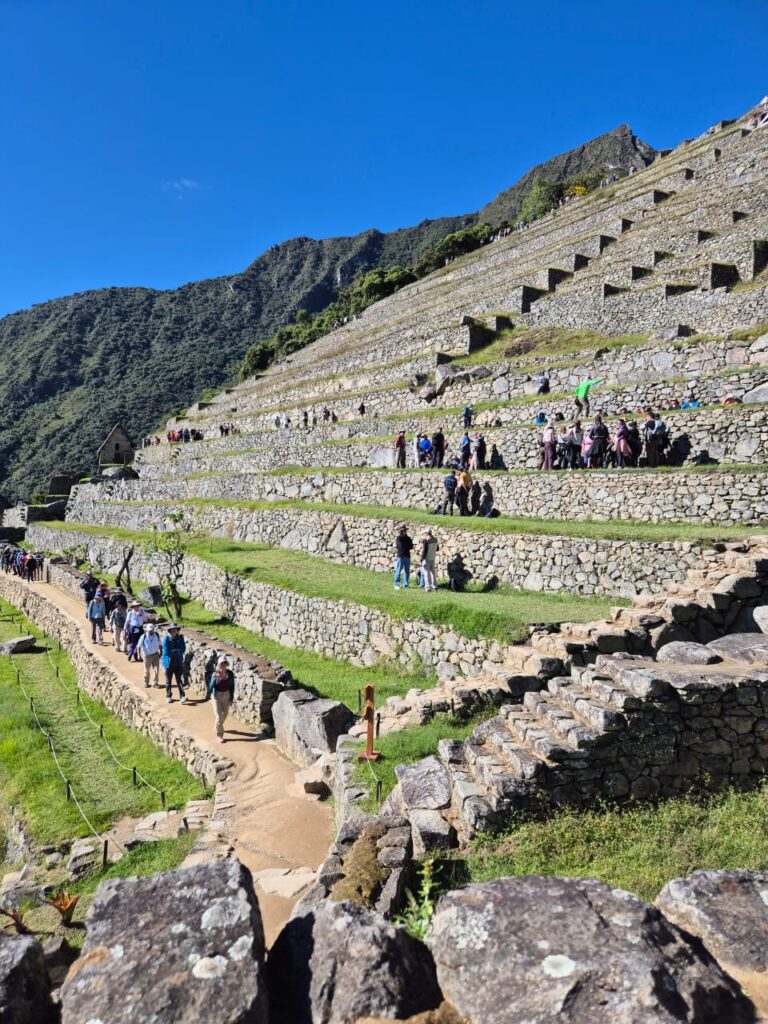
Day 07: Wiñay Wayna to Machu Picchu: The Lost City of the Incas
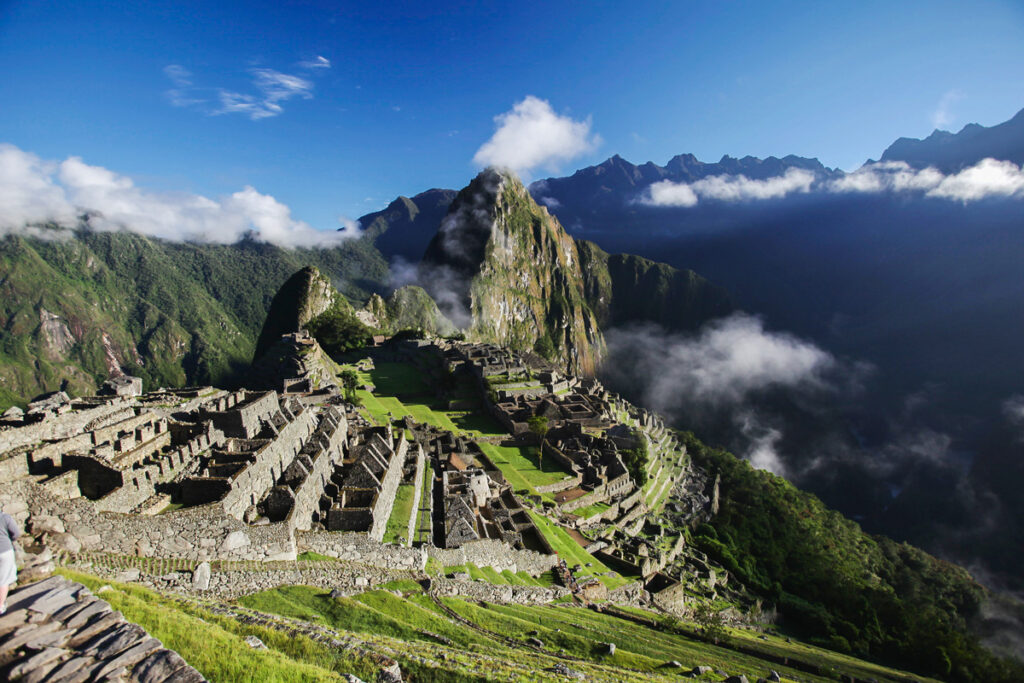
Sunrise at Machu Picchu
1
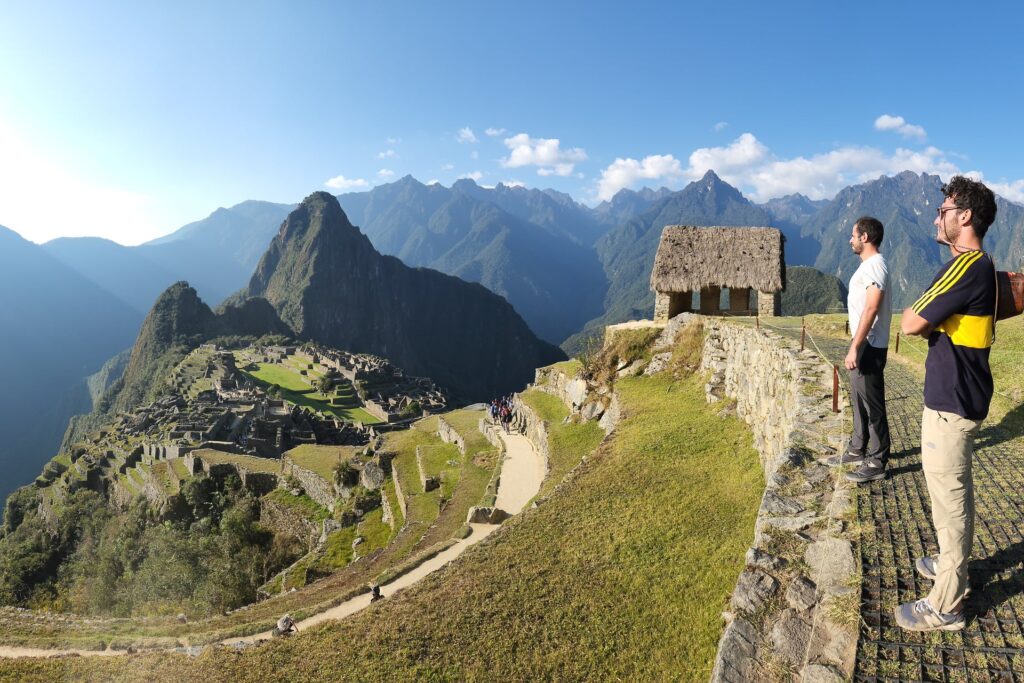
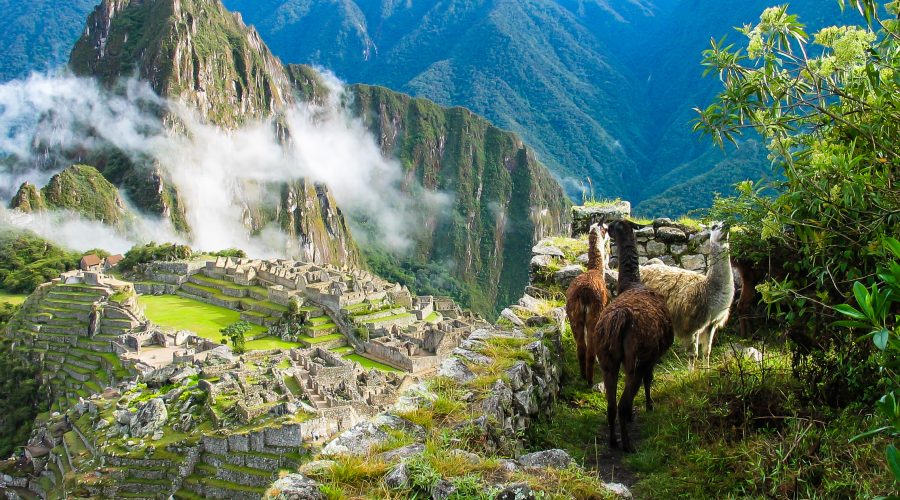
Today is the culmination of our trek! We wake up very early in the morning for a short hike to the Sun Gate (Inti Punku), arriving just in time to witness the spectacular sunrise over Machu Picchu. The sight of the ancient city bathed in the first rays of light is truly unforgettable. After soaking in the views, we descend into the citadel for a comprehensive guided tour of this stunning Inca wonder, learning about its history, architecture, and spiritual significance. Following the tour, you’ll have free time to explore Machu Picchu independently, revisit your favorite spots, or climb Huayna Picchu or Machu Picchu Mountain (additional permits required and must be booked in advance). Afterwards, we take a bus down to Aguas Calientes, where you can have lunch (not included). In the afternoon, we board a scenic train journey to Ollantaytambo or Poroy, followed by private transportation back to your hotel in Cusco.
Day itinerary details
A valid passport is strictly required for all participants on the Inca Trail and for entering Machu Picchu. Due to limited daily permits, early booking is absolutely essential to secure your spot.
Recommendations
Before Booking
- Check the availability of Inca Trail permits well in advance, as they are limited and sell out quickly.
- Consult with the operator regarding physical fitness requirements and any medical conditions you may have.
- Thoroughly read and understand the tour's cancellation policy.
Before Traveling
- Plan to arrive in Cusco at least 2-3 days prior to the trek start date to acclimatize to the high altitude.
- Pack appropriate trekking gear, including sturdy hiking boots, warm layers, rain gear, a hat, gloves, and sun protection.
- Ensure your passport is valid for at least six months beyond your travel dates, as it is required for Inca Trail permits and Machu Picchu entry.
- Purchase comprehensive travel insurance that covers trekking at high altitudes, medical emergencies, and trip cancellations.
Included services
What is included
- Professional bilingual guide (English/Spanish).
- Pre-trek briefing in Cusco.
- Collection from your hotel in Cusco.
- Private transportation from Cusco to Soqma (start of trek).
- Horsemen and horses for the Ancascocha section (Days 1-3) to carry tents, food, and personal luggage (up to a specified limit).
- Porters for the Classic Inca Trail section (Days 4-6) to carry tents, food, and cooking equipment.
- High-quality camping equipment (sleeping tents, dining tent, kitchen tent, toilet tent).
- Inflatable sleeping mattress.
- Meals during the trek as specified in the itinerary (6 breakfasts, 6 lunches, 6 dinners).
- Cook and cooking equipment.
- Drinking water during the trek (boiled and filtered).
- First aid kit and oxygen bottle.
- Entrance fees to Inca sites along the Ancascocha Trek and Inca Trail.
- Inca Trail permits.
- Entrance ticket to Machu Picchu Citadel (Day 7).
- Bus ticket from Machu Picchu to Aguas Calientes (Day 7).
- Train ticket from Aguas Calientes to Ollantaytambo or Poroy (Day 7).
- Private transportation from Ollantaytambo/Poroy to your hotel in Cusco (Day 7).
What is not included
- International and domestic flights.
- Travel insurance.
- Sleeping bag (available for rent).
- Trekking poles (available for rent).
- Breakfast on Day 1, and lunch and dinner on Day 7 (after Machu Picchu visit).
- Tips for guides, porters, and cooks.
- Personal expenses.
- Entrance to Huayna Picchu or Machu Picchu Mountain (requires separate permits, book well in advance).
- Snacks (energy bars, chocolates, etc.) beyond what is provided with meals.
Frequently Asked Questions
01 What is the best time of year to do the Ancascocha Trek & Inca Trail?
The best time to undertake this trek is during the dry season, which runs from April to October. These months offer sunnier days and less rainfall, providing clearer views and more comfortable trekking conditions. June, July, and August are peak season, so expect more crowds and book well in advance.
02 What kind of physical preparation is recommended for this challenging trek?
This trek is rated as ‘Difficult’ due to high altitudes and demanding ascents/descents. It’s highly recommended to engage in regular cardiovascular exercise (running, cycling, swimming) for at least 3-4 months prior to your trip. Incorporate hiking with a backpack, ideally on varied terrain, to build stamina and prepare your body for the long trekking days.
03 Is altitude sickness a concern, and how can I prevent it?
Yes, altitude sickness is a potential concern due to the high passes. We strongly recommend arriving in Cusco at least 2-3 days before your trek to allow for proper acclimatization. Stay hydrated, avoid alcohol and heavy meals, and consider consulting your doctor about altitude medication like Diamox. Your guide will carry an oxygen bottle for emergencies.
04 What are the sleeping arrangements during the trek?
During the trek, you will be staying in high-quality, comfortable camping tents. We provide a dining tent, kitchen tent, and a toilet tent for your convenience. Inflatable sleeping mattresses are also included. You will need to bring or rent a suitable sleeping bag, ideally rated for 0°F (-18°C) or colder, especially for colder months.
05 What are the bathroom facilities like on the trek?
We provide a private toilet tent at each campsite for hygiene and convenience. During the day while trekking, guides will advise on appropriate spots for natural breaks, following Leave No Trace principles. It’s important to be prepared for basic facilities and to bring your own toilet paper and hand sanitizer.
Traveler Experiences
Hear from travelers who experienced the magic of our tours
Recent comments