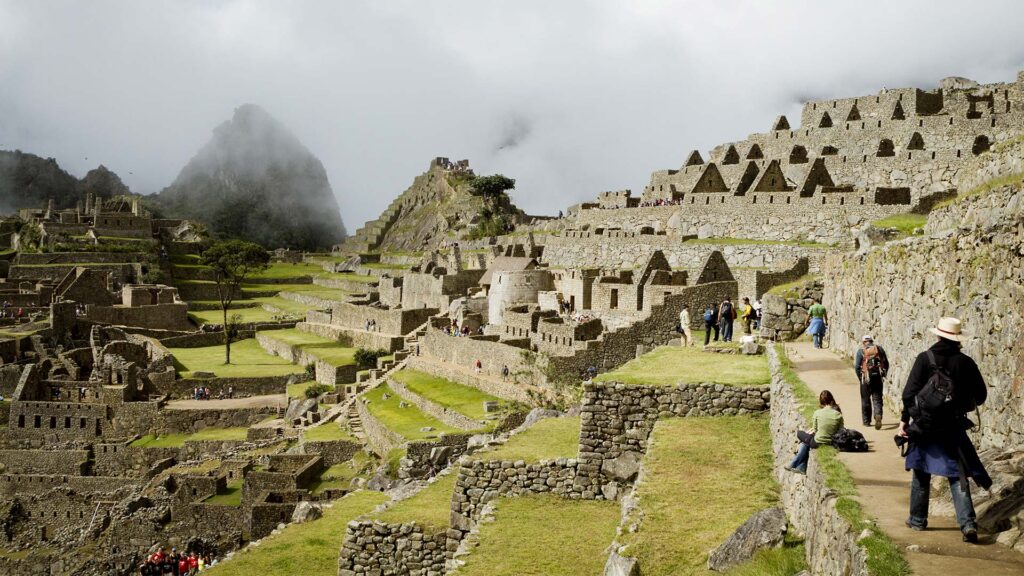
If you’re looking for a route that will push your physical limits while you explore the history of the Incas, visiting Choquequirao from Cusco is your best choice. Many travelers believe that Machu Picchu is the only mountain refuge that holds striking architectural secrets. However, we assure you that the «Cradle of Gold» offers a much more intimate and solitary encounter with the Andean past. At Booking Inca Jungle, we know every corner of this journey and we want to accompany you on this high-mountain trek.
Reaching this archaeological complex is no easy task, but the effort is worth it from the very first step. You’ll notice that the surroundings change drastically as you descend into the depths of the valley. This route demands determination, good health, and conscious prior preparation. That’s why we’ve prepared this detailed guide so you can plan your trip with the confidence of someone who knows the terrain inch by inch.
Physical and logistical preparation for the trail
Before you lace up your boots, you need to understand that this is a high-difficulty trek. The route does not forgive a lack of training, so we suggest doing practice hikes in your city beforehand. We consider that physical endurance for Choquequirao is the factor that will determine how much you enjoy the scenery. Don’t get overconfident, because the terrain is steep and temperatures vary sharply between day and night.
The importance of acclimatization
We recommend completing an acclimatization in Cusco for trekking of at least two or three days. During this time, your body will adapt to the lower availability of oxygen at altitude. You can use these days to walk through the streets of Cusco or visit nearby sites with lower physical demands. If you skip this step, the risk of suffering from altitude sickness during the ascent to the canyon will increase significantly.
Distances and elevation changes
The total distance from Cachora round trip exceeds 60 kilometers of travel along narrow trails. The most challenging part is the accumulated elevation gain, since you’ll descend to the river and then climb almost 1,500 meters in a single day. At Trails to Machu Picchu, we structure our expeditions so that this ascent is gradual and manageable for you. We divide the route into strategic stages that allow for proper muscle recovery each day.
- Day 1: Descent from Capuliyoc to the Apurímac River.
- Day 2: Demanding ascent to Santa Rosa and arrival at the complex.
- Day 3: In-depth exploration of the archaeological sectors.
- Day 4: Return while enjoying the canyon views.
The Apurímac Canyon: an environment of contrasts
The hike to the Apurímac Canyon offers one of the most impressive landscapes in the Andes mountain range. As you move forward, you’ll observe how the vegetation transforms due to the marked microclimates of the Apurímac Valley. You’ll go from dry areas with cacti and scrubland to cloud forests full of moisture and life. This environmental diversity is home to Andean flora and fauna that you’ll hardly see on other tourist circuits.
A study published by SERNANP in 2019 highlights that this area protects endangered species such as the spectacled bear. We have been fortunate enough to spot condors soaring over the warm air currents of the canyon on several occasions. We advise you to keep your camera ready, since sightings often occur at the most unexpected moments. In addition, observing wild orchids in the highest sectors of the complex will leave you speechless.
Architectural findings and the Inca resistance
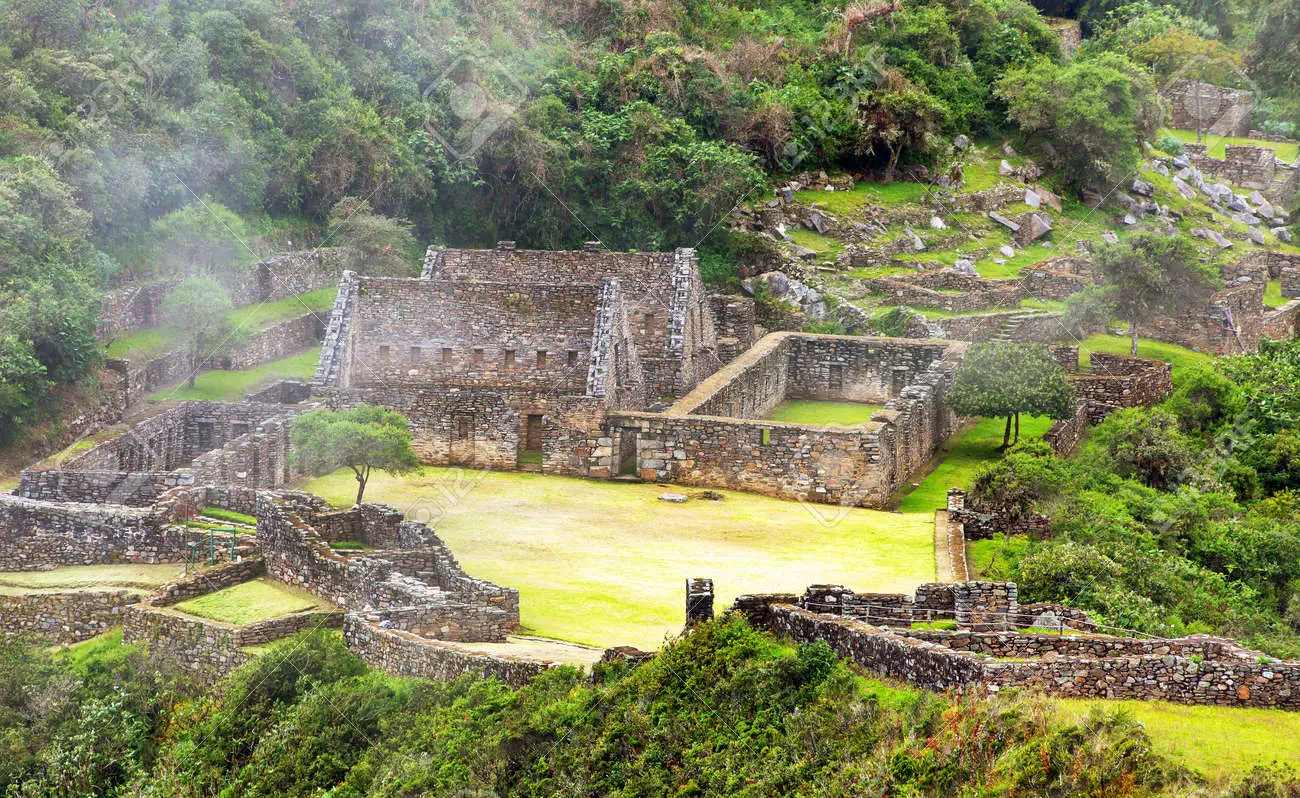
When you visit Choquequirao from Cusco, you come into contact with the purest archaeological remains of the Inca resistance in Peru. This site served as a strategic administrative and religious center after the European invasion of the region. Its architecture shares similarities with Machu Picchu, but it has unique features that reveal advanced urban planning. Inca engineers mastered the vertical topography to build plazas, temples, and dwellings on nearly impossible slopes.
The Llamas of the Sun: art in stone
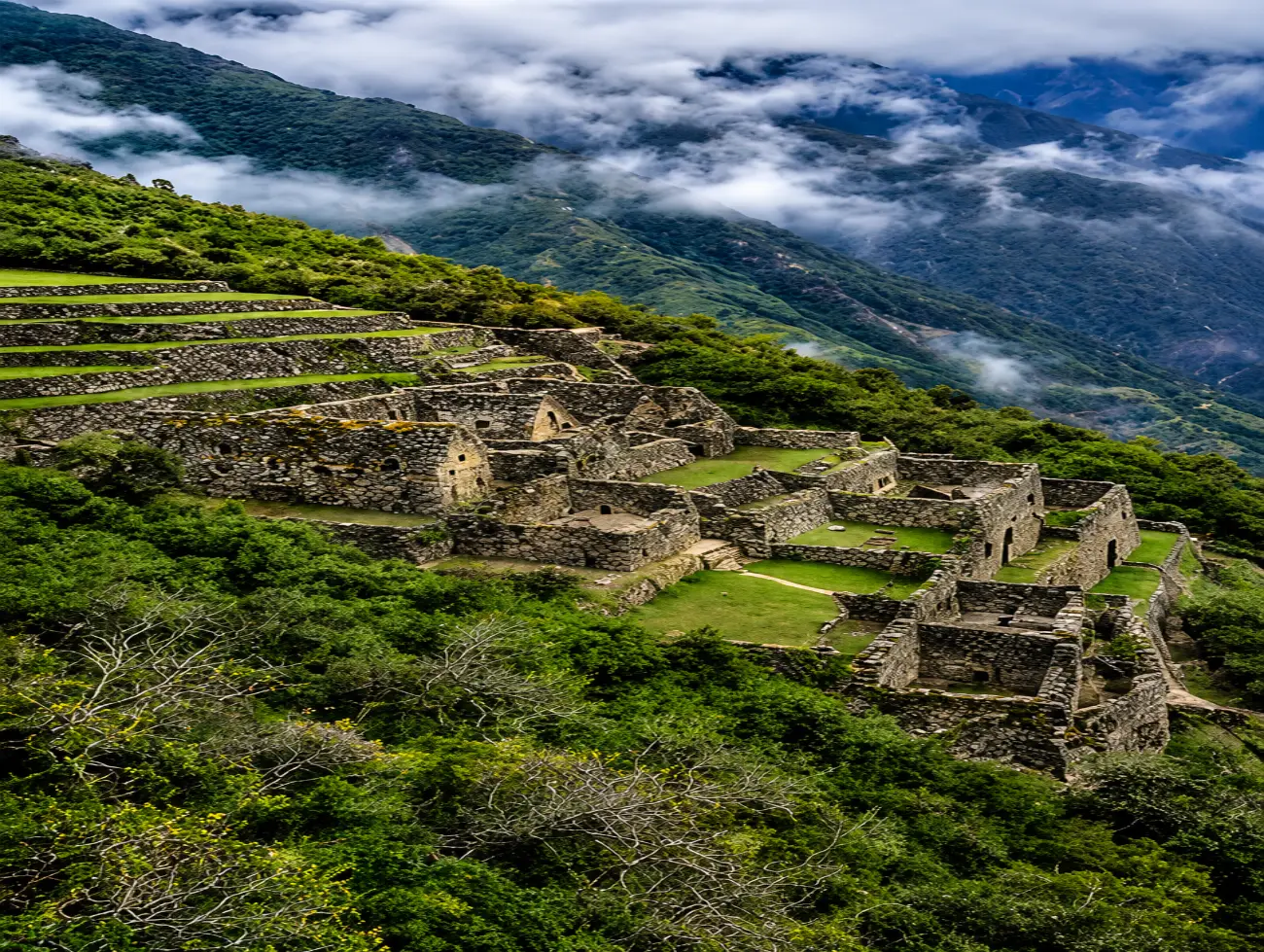
One of the greatest attractions are the mosaics of the «Llamas of the Sun,» located in the terraced sector. Archaeologist Gori Tumi Echevarría, in his research on rock and lithic art in Choquequirao, points out that these figures are unique. The builders used light-colored stones to depict llamas amid the dark-colored walls. This finding suggests a deep religious symbolism related to fertility and the protection of crops on the mountain.
Hydraulic engineering and sustainability
Water management at this complex is a testament to the technical mastery of its ancient inhabitants. You’ll find stone channels that still carry water from the summit springs to the main plazas. According to records from the Decentralized Directorate of Culture of Cusco, the hydraulic system was designed to prevent erosion of the terraces. We’ll show you how these ceremonial fountains still work, demonstrating that Inca architecture always sought harmony with nature.
Sectors you must explore
- The Main Plaza: Surrounded by two-story buildings and ceremonial temples.
- The Andenes Sector: Where you’ll find the famous llama figures.
- El Paqcha: A place linked to water rituals with views of the abyss.
- The Priest’s House: A structure with fine finishes and symmetrical niches.
At Booking Inca Jungle we have guides specialized in archaeology who will explain every detail of these constructions. You won’t just see stones; you’ll understand the worldview of a people who defied geography to preserve their culture. The absence of large crowds allows you to listen to the sound of the wind while you imagine daily life in this refuge.
Practical tips for your expedition
Organizing this trip requires attention to details that can make the difference between a great experience and a bad time. We recommend choosing the best month for trekking, which generally runs from May to September. During the dry season, the trails are firm and the clear sky gives you the best photographs of the canyon. Avoid the months of January and February, since the rains make the terrain slippery and increase the risk of landslides.
Your technical mountain gear
Don’t skimp on the quality of your technical mountain gear, especially when it comes to footwear and your backpack. You need boots with good grip and ankle protection due to the large number of loose stones on the descent. We include trekking poles in our services, which will relieve pressure on your knees during the steep descents. You should also bring clothing that promotes breathability and a light waterproof jacket in case the weather changes suddenly.
Staying at the camps along the route
The camps along the route are simple but offer a total connection with the nature that surrounds you. Places like Playa Rosalina or Marampata have basic services where you can rest after the long days of hiking. At Booking Inca Jungle, we make sure your camp is ready when you arrive, with high-mountain tents and nutritious food. We prioritize the use of local products to offer you a balanced diet that replenishes your energy for the next challenge.
Book your place in history
We know that deciding on such a demanding route generates many initial doubts about safety and the itinerary. That’s why we offer Choquequirao tour bookings with a team that prioritizes your well-being and the quality of the archaeological learning. By choosing us, you ensure you have staff trained in first aid and with deep knowledge of the geography of the Apurímac. We want your only concern to be enjoying the scenery and absorbing the energy of these ancient walls.
Visiting Choquequirao from Cusco is much more than a simple conventional tourism trip; it’s a test of personal growth. Few experiences in the world combine extreme physical effort with such a profound cultural reward. If you feel you’re ready for this challenge, we’re here to make it happen with professionalism and human warmth. Contact us today and let’s start planning your next great journey to the heart of the Inca resistance.
Booking Inca Jungle can make it easier to organize your tourist activities, Contact us.