
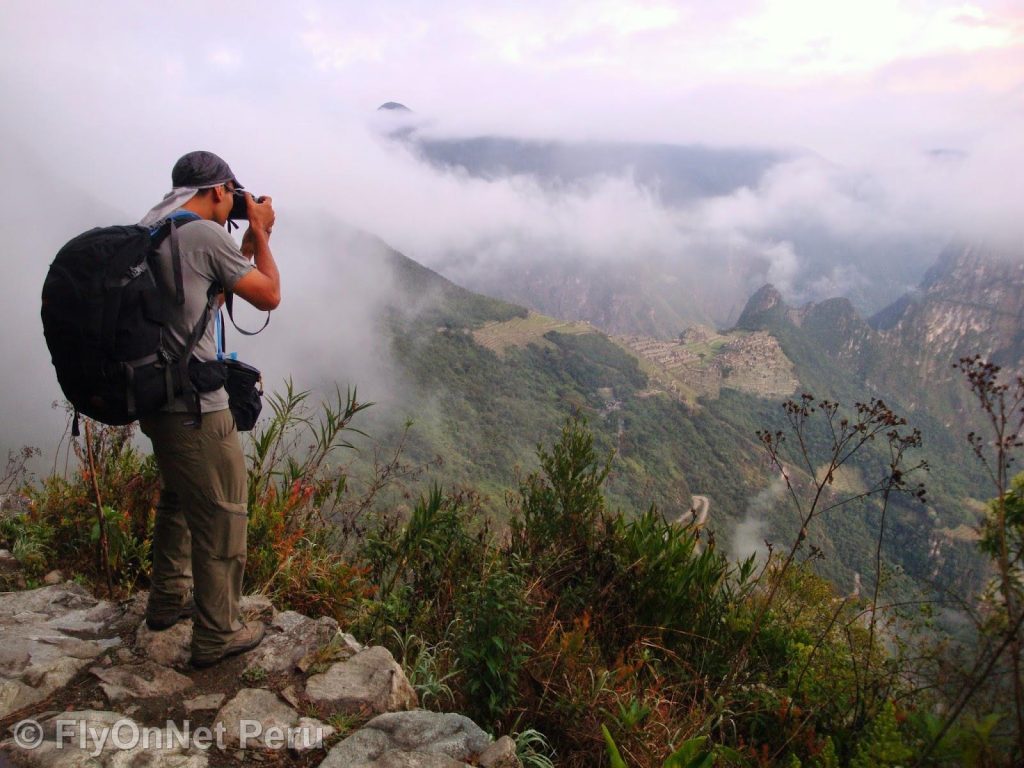
Choosing the Best time to hike the Inca Trail not only defines the weather you will encounter, but also the availability of permits, the level of difficulty, and the overall experience toward Machu Picchu. This route is one of the most regulated in Peru, with limited daily permits that require early planning. Therefore, it is not enough to decide when to travel; it is also necessary to understand how seasonality, tourist demand, and physical preparation affect the trek. Many travelers make the mistake of focusing only on the weather without considering logistics or difficulty. As a result, they face avoidable problems. Understanding the Best time to hike the Inca Trail allows for more strategic decisions and a safer, more controlled experience.
Weather conditions on the Inca Trail and their impact on the experience
The Inca Trail crosses different microclimates due to its geography. This means weather can change even within the same day. However, there are two main seasons that shape the experience: dry and rainy.
During the dry season, from May to October, days are usually more stable with clear skies. This improves visibility at key points along the trail. In addition, paths remain in better condition, making hiking easier. However, this stability attracts more travelers. As a result, demand for permits increases significantly.
On the other hand, the rainy season, from November to March, brings wetter and more variable conditions. Rainfall can be frequent and affect trail conditions. Despite this, the landscape becomes greener and less crowded. It is important to note that February is closed for maintenance.
Evaluating these conditions is essential to define the Best time to hike the Inca Trail based on your travel priorities.

Advance booking as a key factor for the trip
One of the most critical aspects of the Inca Trail is the limited availability of permits. Access is restricted to a specific number of visitors per day. Therefore, advance booking is mandatory.
During peak months, especially in the dry season, permits can sell out up to six months in advance. This means waiting too long can leave you without options. In addition, permits can only be purchased through authorized agencies, which adds another level of planning.
Ignoring this factor is one of the most common mistakes. Choosing the Best time to hike the Inca Trail without securing permits in advance can make the trek impossible. Therefore, planning must begin well ahead of the trip.
Realistic physical preparation to complete the Inca Trail
The Inca Trail is not just a sightseeing route, but a demanding trek that combines distance, altitude, and uneven terrain. Therefore, physical preparation must be part of the process.
The route includes long ascents, technical descents, and several hours of hiking each day. This requires cardiovascular endurance and muscular strength, especially in the legs. However, it is not about reaching elite athletic performance, but preparing progressively.
A basic routine may include long walks, endurance training, and practicing on inclines. In addition, getting used to carrying a light backpack is recommended. This preparation reduces physical strain during the trek.
Understanding the Best time to hike the Inca Trail also involves evaluating whether your physical condition matches the demands of the route.
Acclimatization in Cusco as an essential step
Before starting the Inca Trail, acclimatization in Cusco is not optional. The city is located above 3,300 meters, which can affect any traveler without prior altitude experience.
The body needs time to adapt to lower oxygen levels. For this reason, it is recommended to stay at least two days in the city before beginning the trek. During this period, it is important to keep activities light and stay hydrated.
Some travelers may experience altitude sickness symptoms, such as fatigue or headaches. Although usually mild, they can affect performance during the trek.
The Best time to hike the Inca Trail also depends on proper acclimatization beforehand.
Gear according to season and trail conditions
The gear you bring directly affects your comfort and safety during the trek. Due to changing weather conditions, preparation for different scenarios is necessary.
Some essential items include:
- Layered clothing to adjust to temperature changes
- Waterproof jacket for unexpected rain
- Sturdy trekking boots with support
- Lightweight and comfortable backpack
- Sunscreen and insect repellent
During the dry season, sun protection is key. In contrast, during the rainy season, waterproof gear becomes more important. Choosing the Best time to hike the Inca Trail helps define this equipment.
Practical differences between dry and rainy seasons
Each season offers a different experience. Therefore, the choice depends on the type of trip you want.
The dry season allows more stable hiking conditions and better views. However, it also means more tourists and limited availability.
In contrast, the rainy season offers a quieter environment and greener landscapes. However, trail conditions can be more challenging.
There is no universally better option. The Best time to hike the Inca Trail will depend on your expectations and preparation level.
Strategies to improve the Inca Trail experience
Beyond the season, there are practices that improve the trek and reduce risks.
Maintaining a steady pace helps conserve energy throughout the journey. In addition, staying hydrated improves physical performance. Listening to the guide is also essential, as they understand trail conditions.
Another key aspect is mental attitude. The trek can be demanding, but a positive mindset helps adaptation.
Applying these strategies complements choosing the Best time to hike the Inca Trail.
Common mistakes that affect the Inca Trail experience
There are common mistakes that can seriously affect the experience. One of the most critical is not booking in advance. Another frequent issue is underestimating the physical demands.
It is also common to ignore acclimatization or not check weather conditions before traveling. These factors can lead to avoidable problems.
Avoiding these mistakes is just as important as choosing the Best time to hike the Inca Trail.

Frequently asked questions about Best time to hike the Inca Trail
1. What is the recommended minimum age for the Inca Trail?
There is no strict minimum age, but participants should have sufficient physical endurance. In addition, they must be able to adapt to altitude and long hikes.
2. Can the Inca Trail be done without trekking experience?
Yes, it is possible, but not ideal. Previous hiking experience helps understand the effort required and reduces excessive fatigue.
3. What type of backpack is recommended for the Inca Trail?
A lightweight and ergonomic backpack is recommended. It should distribute weight properly and be comfortable for long hours.
4. Is it necessary to carry cash during the trek?
Yes, carrying cash is recommended. It may be useful for tips or small additional expenses during the trek.
5. What happens if I cannot complete the Inca Trail?
If you cannot continue, the logistics team can assist with alternatives. However, proper preparation minimizes this possibility.
Discover our travel packages in Peru and let us organize the perfect adventure for you. Get a quote for your trip to Cusco today!