
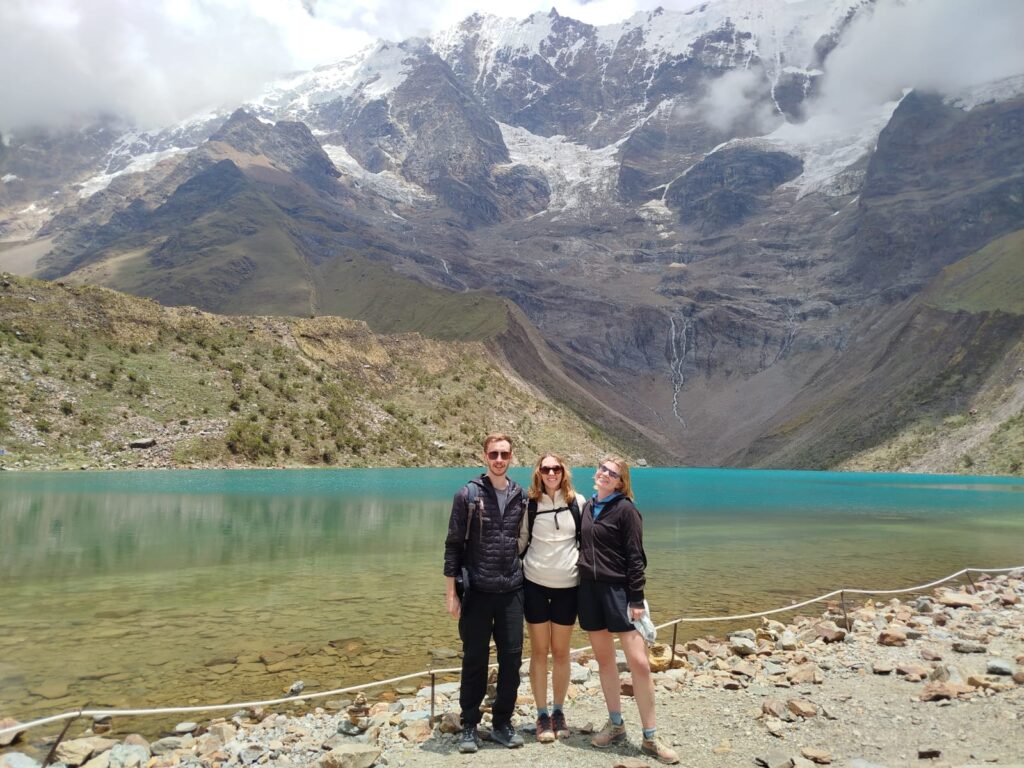
The question of Why Humantay Lake Is Turquoise is one of the most common among travelers visiting this impressive destination in Cusco. At first glance, the intense color of its waters seems difficult to explain. However, science provides clear answers about this natural phenomenon. The combination of glacial meltwater, suspended mineral particles, and the interaction of sunlight creates the distinctive tone that attracts thousands of visitors every year. Understanding Why Humantay Lake Is Turquoise allows visitors to appreciate this Andean landscape much more, since behind its beauty lies a geological and physical process that has developed over thousands of years. In addition, this phenomenon is not exclusive to this lake, although the natural conditions here favor a particularly striking shade. Therefore, understanding the scientific explanation helps clarify why this body of water stands out among many other glacial lakes in the Peruvian Andes.
Location and Glacial Origin of Humantay Lake
Humantay Lake is located in the Cusco region, within the province of Anta, at an altitude of approximately 4,200 meters above sea level. It lies on the slopes of the Humantay Mountain, which belongs to the Vilcabamba Mountain Range. This high-altitude environment is essential for understanding the formation of the lake and the characteristics of its waters.
The lake has a completely glacial origin. Over thousands of years, glaciers shaped the area’s landscape through erosion processes. As the ice advanced and retreated, natural depressions formed in the rocky surface. Later, meltwater from the glacier accumulated in these natural basins. This is how the present-day Humantay Lake was formed.
The water that feeds the lake comes mainly from the melting ice of the Humantay Mountain. Because of this source, the water contains extremely fine mineral particles that play an essential role in its coloration. Therefore, the glacial origin is the first key element needed to understand Why Humantay Lake Is Turquoise. Without the constant presence of glacial water and mineral sediments, the visual phenomenon would be completely different.
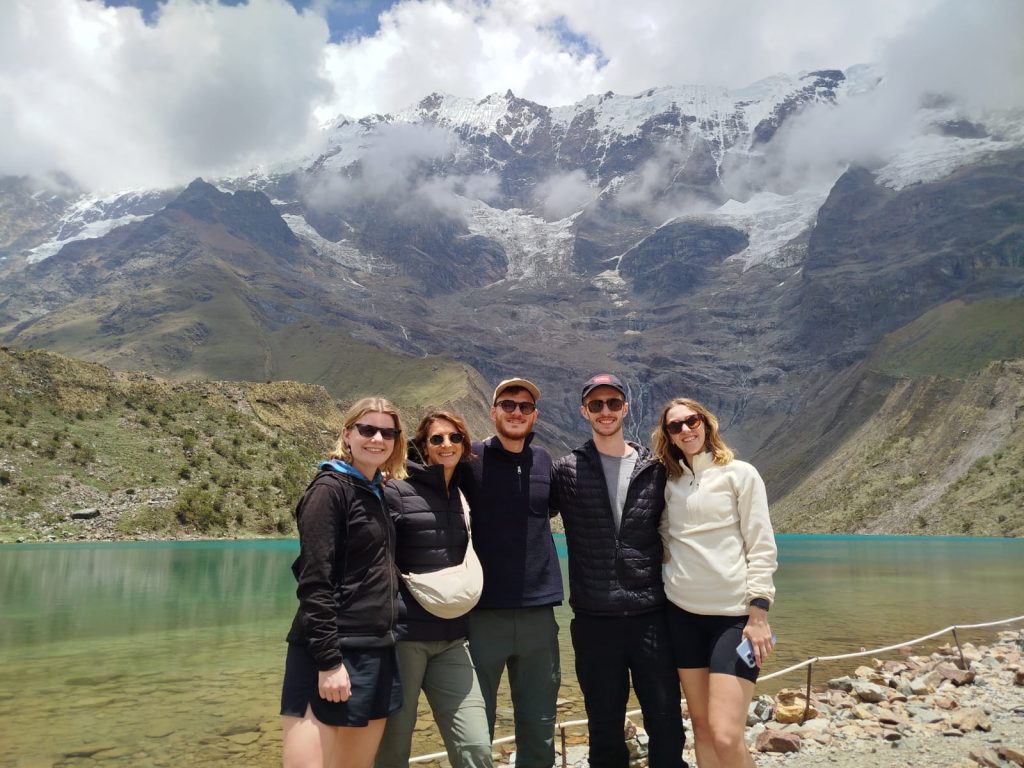
The Science Behind the Color of Humantay Lake
The science behind the color of Humantay Lake involves several physical processes occurring simultaneously. Although many people believe the water naturally possesses that tone, the reality is more complex. Pure water has particular optical properties, but the intense turquoise color observed in this lake depends on additional factors.
When sunlight reaches the water’s surface, part of that light is absorbed while another portion is scattered. Different colors within the visible spectrum react differently as they pass through water. Wavelengths corresponding to red and orange tones tend to be absorbed more easily. In contrast, blue and green tones have a greater tendency to be reflected and scattered.
The situation becomes even more interesting because of the presence of tiny mineral particles suspended in the water. These particles act as small natural reflectors that scatter light in different directions. As a result, blue and green shades become visually dominant. The combination of these colors produces the characteristic turquoise appearance that identifies the lake.
For this reason, the explanation of the color of Humantay Lake does not depend on a single element. It is the result of the interaction between sunlight, glacial water, and suspended minerals. In addition, the clarity of the water allows this phenomenon to be observed with remarkable intensity throughout much of the year.
Minerals and Sediments Responsible for the Turquoise Color
Glacial Flour and Mineral Particles
One of the most important aspects for understanding what gives Humantay Lake its turquoise color is the presence of extremely fine sediments known as glacial flour. These particles are generated when glacier ice slowly moves across rock surfaces. During this movement, the rocks are ground down and eroded.
The result is the production of microscopic particles transported by meltwater. Due to their tiny size, they remain suspended for long periods instead of quickly sinking. This characteristic directly influences the visual appearance of the lake.
Among the minerals present are various compounds derived from the rocks of the mountain range. These minerals contribute to modifying the way light interacts with the water. Therefore, the continuous presence of these sediments is an essential part of the phenomenon.
Influence of Minerals on Light Reflection
The reason for the turquoise color of Humantay Lake is closely related to the way these minerals affect light reflection and scattering. Suspended particles increase the amount of blue and green light reflected back toward the observer.
Without these mineral particles, the lake would likely display a different color. In fact, many glacial lakes around the world exhibit similar shades because of nearly identical processes. For this reason, geologists consider glacial flour one of the main factors responsible for the observed color.
Why the Water of Humantay Lake Is Turquoise
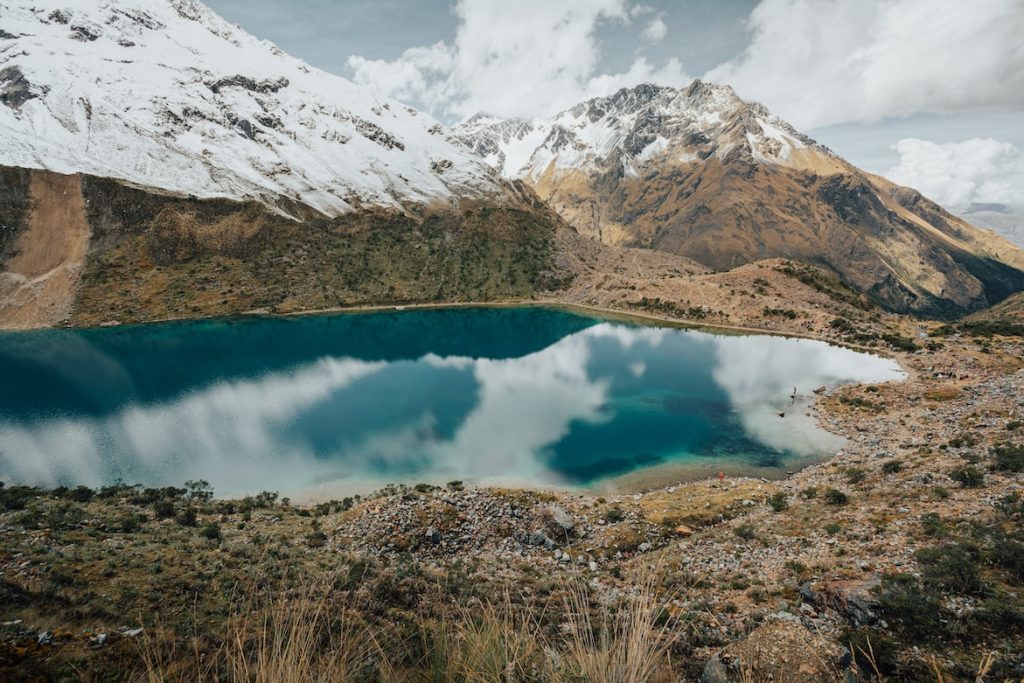
When tourists observe this landscape, they often wonder why the water of Humantay Lake is turquoise rather than purely blue or green. The answer lies in the visual mixture of different wavelengths reflected from the water.
Water absorbs certain frequencies of light while allowing others to be reflected. At the same time, suspended mineral particles favor the scattering of specific colors. As a result, blue and green tones dominate human visual perception.
Our brains interpret that combination as an intense turquoise color. In addition, the exceptional purity of the water makes this effect much more noticeable. If high levels of pollution or abundant organic sediments were present, the visual appearance would change considerably.
The lake’s characteristic transparency also allows light to penetrate to different depths. This increases the optical effects responsible for the color. Therefore, the answer to what produces the color of Humantay Lake includes physical, geological, and environmental factors working together.
Environmental Factors That Modify the Water’s Shade
Sunlight Intensity
The amount of available sunlight directly influences the appearance of the lake. During clear days, solar radiation reaches the water’s surface with greater intensity. As a result, reflection and scattering processes become more noticeable.
Under these conditions, the turquoise color usually appears much more vibrant. On cloudy days, however, the tone may seem less bright and shift toward greener or bluer shades.
Atmospheric Conditions
Atmospheric conditions also affect visual perception. The presence of clouds, fog, or rain alters the amount of light reaching the water’s surface. This explains part of why Humantay Lake changes color depending on the time of the visit.
This variation does not mean the chemical composition of the water changes. What changes is the way light interacts with it. Therefore, the same location can display different appearances depending on weather conditions.
Time of Year
The seasons also influence the visual appearance of the lake. During certain periods, there is a greater contribution of meltwater from the glacier. This can temporarily modify the concentration of suspended mineral particles.
For this reason, some visitors notice slight differences in shade between different times of the year. However, the characteristic turquoise color generally remains because the fundamental conditions continue to exist.
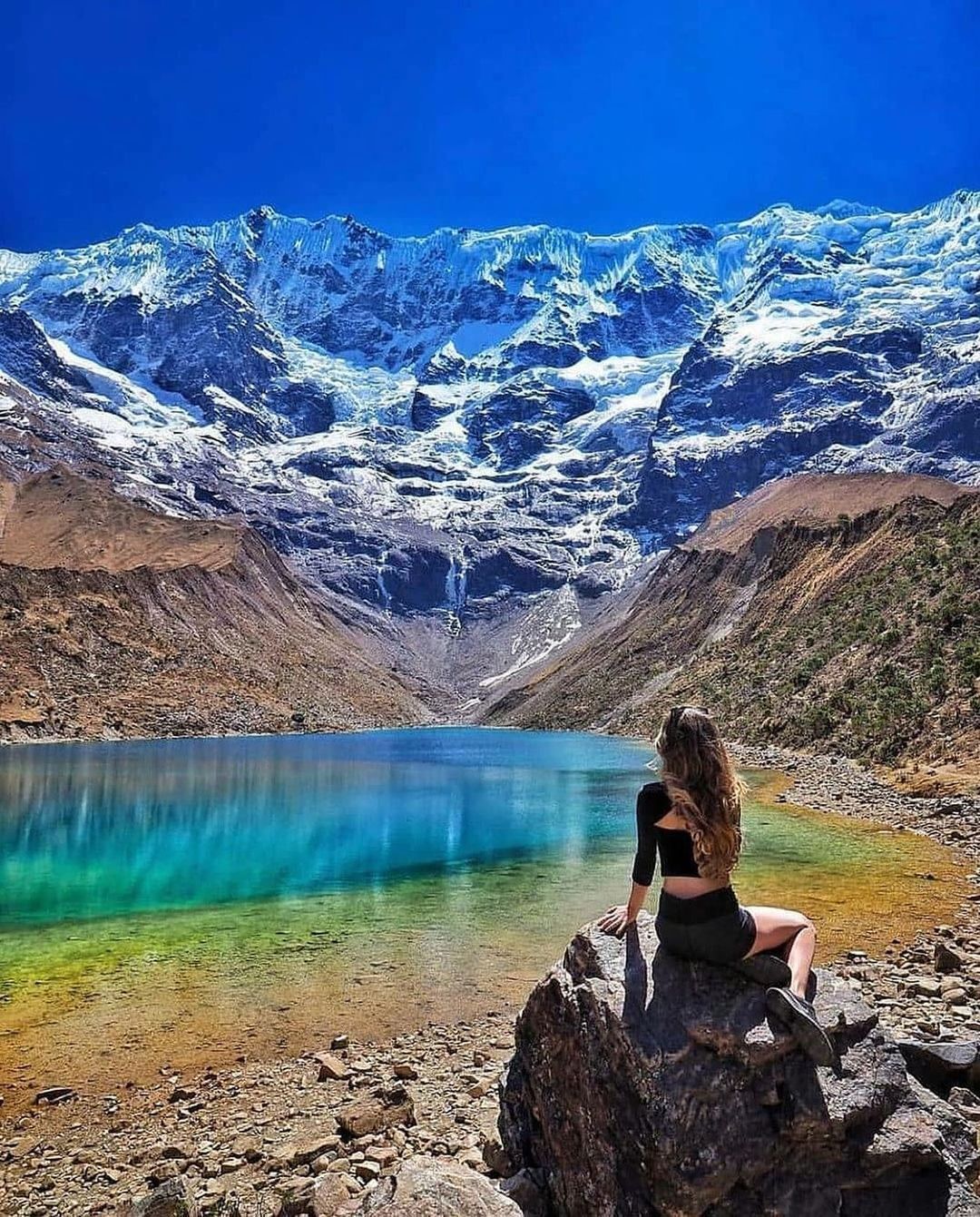
The Origin of Humantay Lake’s Turquoise Color in the Andean Geological Context
The origin of the turquoise color of Humantay Lake cannot be analyzed in isolation. It is part of geological processes that have occurred over thousands of years in the Andes. The formation of glaciers, mountain erosion, and mineral transport have all contributed to creating the current conditions.
The Vilcabamba Mountain Range possesses unique geological characteristics. Its mountains contain different types of rocks that, when eroded by ice, generate specific mineral sediments. These materials are constantly carried by glacial water into the lake.
In addition, the high altitude promotes climatic conditions that help preserve part of the glacial system. Although Andean glaciers are experiencing reductions associated with climate change, they still provide water and minerals to the ecosystem.
This geological context explains how the turquoise color of Humantay Lake is formed and why it is difficult to find exactly the same conditions in other bodies of water.
Characteristics of the Color of Humantay Lake Observed by Visitors
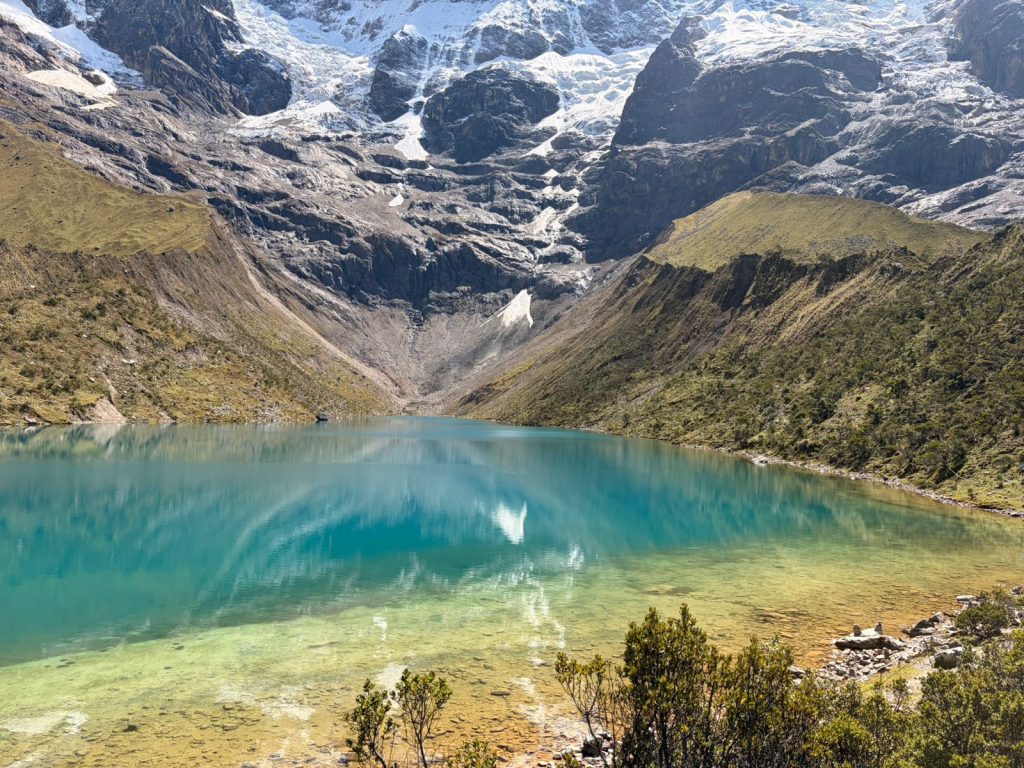
The characteristics of the color of Humantay Lake may vary slightly depending on the viewing angle. Visitors often notice that different areas of the lake display different shades throughout the same day.
Among the most notable characteristics are:
- Intense turquoise tones during sunny days.
- Variations between light blue and emerald green.
- Visual changes depending on the observer’s position.
- Greater color intensity around midday.
- Differences in color related to water depth.
These observations align with the physical principles that explain the interaction between light, minerals, and water. In addition, they help explain why Humantay Lake has that distinctive color.
The Mystery of Humantay Lake’s Turquoise Color and the Scientific Explanation
For a long time, the mystery of Humantay Lake’s turquoise color was associated with Andean legends and cultural explanations passed down through generations. These stories remain an important part of local heritage and continue to hold significance for many communities.
However, from a scientific perspective, studies of glacial lakes help explain the mechanisms responsible for this coloration. The physics of light, glacial geology, and mineral composition provide verifiable answers about the phenomenon.
This does not diminish the cultural value of local traditions. On the contrary, it allows visitors to appreciate both the scientific richness and the historical and spiritual importance that this place holds for Andean populations.
The combination of both perspectives makes Humantay Lake a particularly interesting destination for those who wish to understand the relationship between nature, science, and culture.
The Natural Color of Humantay Lake and Its Conservation
The natural color of Humantay Lake depends on the balance between the natural processes that feed the lake. Conserving this ecosystem is essential for maintaining its current characteristics.
Several factors can affect the visual quality of the water. These include pollution, environmental alteration, and the effects of climate change on glaciers. The gradual reduction of ice masses could modify the supply of minerals and water in the future.
For this reason, authorities and tour operators promote responsible practices during visits. Keeping the environment clean and respecting designated trails helps preserve the natural conditions of the area.
Understanding what causes the turquoise color of Humantay Lake also helps visitors appreciate the importance of protecting the geological and ecological processes that make this phenomenon possible. Thanks to these efforts, future generations will continue to enjoy one of the most representative landscapes of the Peruvian Andes.
Frequently Asked Questions
1. Has Humantay Lake Always Been Turquoise?
The lake has displayed similar shades throughout much of its recent history due to its glacial origin. However, the intensity of the color may vary depending on weather conditions, the amount of suspended mineral sediments, and sunlight exposure. These changes are part of a natural process. Although the visual appearance may differ slightly between seasons, the conditions that create the turquoise color continue to exist thanks to the constant contribution of glacial meltwater and minerals carried by the water.
2. Are There Other Lakes in the World with Similar Colors?
Yes. Many glacial lakes display turquoise or blue-green shades. This occurs especially in mountainous regions where glaciers erode rocks and produce fine mineral particles. Similar examples can be found in parts of Canada, New Zealand, Iceland, and certain regions of the Alps. Although the physical mechanism is similar, each lake has unique characteristics related to its local geology.
3. Does the Turquoise Color Mean the Water Is Safe to Drink?
Not necessarily. The turquoise color is related to the interaction between light and suspended minerals. The visual appearance of the water does not determine whether it is suitable for human consumption. Specific analyses are required to evaluate microorganisms, dissolved minerals, and other sanitary parameters. For this reason, visitors should not assume that the water can be consumed directly.
4. Can Climate Change Affect the Color of Humantay Lake?
Yes. Glacier retreat can alter the amount of water and minerals reaching the lake. If glacial input decreases significantly, the conditions currently responsible for the turquoise color could also change. Although these processes generally occur gradually, they represent one of the main environmental challenges facing high-altitude ecosystems in the Andes.
5. Does the Depth of the Lake Influence Color Perception?
Depth influences the way light travels through the water. In deeper areas, certain colors are absorbed more intensely. In addition, the concentration of suspended mineral particles may vary according to depth and internal currents. For this reason, different areas of the lake can display slightly different shades when viewed from various points around the landscape.
Discover our Peru travel packages and let us organize the perfect adventure for you. Request your quote for your trip to Cusco today!