
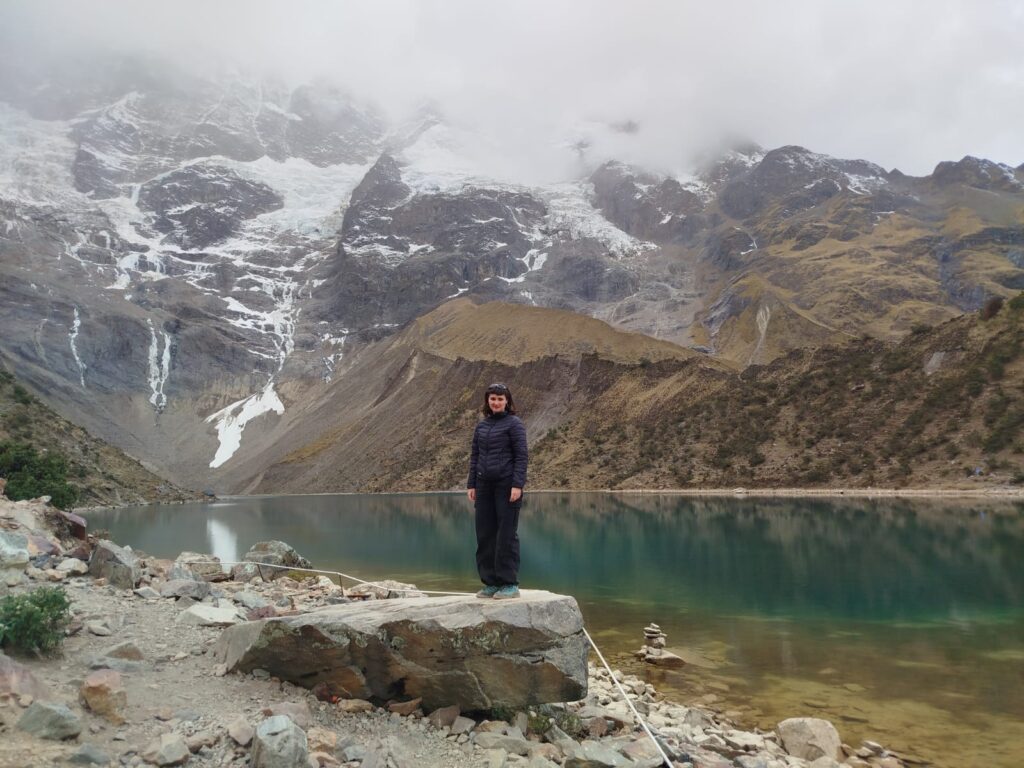
The journey to Humantay Lake is one of the most popular hikes for travelers exploring the Cusco region. What to See on the Way to Humantay Lake is one of the main concerns for visitors who want to experience much more than the final destination. During the ascent, you will encounter mountains, rivers, valleys, wetlands, and a remarkable diversity of species adapted to the conditions of the Peruvian Andes.
In addition, the landscape changes as the elevation increases, offering different scenery throughout the trail. Many visitors focus only on the lake itself. However, the path features numerous natural attractions that deserve to be appreciated at a relaxed pace. Therefore, knowing What to See on the Way to Humantay Lake allows travelers to enjoy the hike even more while identifying the main elements of the Andean ecosystem. The route combines nature, biodiversity, geography, and local culture, creating a complete experience for every visitor.
What to See on the Way to Humantay Lake from Soraypampa
The journey usually begins in Soraypampa, a small village located at approximately 12,795 feet above sea level. From this point, the ascent starts along a trail stretching nearly two kilometers toward the lake. Although the distance is not long, the altitude requires hikers to walk at a steady pace. What to See on the Way to Humantay Lake begins within the first few minutes as vast alpine grasslands surrounded by mountains come into view. In addition, the scenery gradually changes as the slope becomes steeper. Along one side of the trail, visitors can observe small streams fed by glacial meltwater.
The distinctive rock formations of this section of the Vilcabamba Mountain Range also stand out. The surroundings preserve a natural appearance because of the limited human intervention. For this reason, many visitors consider the trail an essential part of the excursion. The combination of altitude, fresh air, and open landscapes allows travelers to appreciate the true value of the Andean ecosystem before reaching the lake.
The First Landscapes Along the Trail to Humantay Lake
During the first section of the trail to Humantay Lake, extensive alpine grasslands dominate the scenery. These areas provide habitat for different wildlife species and domestic animals. In addition, the terrain features small ravines crossed by water flowing from nearby glaciers. As the hike progresses, the mountains occupy more of the landscape. The presence of Humantay Mountain becomes increasingly evident because of its proximity. Therefore, many visitors stop to admire the surroundings while adapting to the altitude. Weather conditions also change rapidly during the ascent. A sunny morning can quickly become overcast with low clouds. This variation creates different perspectives of the same landscape throughout the hike. As a result, the first kilometers offer an excellent opportunity to appreciate the distinctive terrain of the high Peruvian Andes.

Landscapes Along the Route to Humantay Lake and the Andean Scenery During the Ascent
One of the main highlights along the route to Humantay Lake is the constant transformation of the scenery. As elevation increases, the surroundings display new characteristics because of differences in terrain and vegetation. What to See on the Way to Humantay Lake includes partially snow-covered mountains, rocky slopes, open valleys, and small alpine wetlands. In addition, panoramic viewpoints allow visitors to admire different sections of the Vilcabamba Mountain Range, considered one of the most important mountain chains in southern Peru.
The trail offers several locations where broad landscapes can be enjoyed without visual obstacles. For this reason, many visitors spend time appreciating the surroundings before continuing the hike. The contrast between the sky, mountains, and grasslands changes depending on the time of day. However, each season provides unique characteristics that make every visit different. The combination of geological features and vegetation makes this route an outstanding example of the high Andean landscape.
Natural Changes as the Elevation Increases
The Andean landscape along the trail to Humantay Lake changes noticeably as the ascent continues. Vegetation gradually becomes less abundant because of lower temperatures and reduced oxygen levels. In addition, rocky sections and steeper slopes become more common. In some areas, visitors can observe temporary ponds formed by glacial meltwater. These locations play an important role within the local ecosystem. They also provide water for different animal species. The surrounding mountains display evidence of ancient glacial activity through valleys and rocky deposits. Therefore, the hike provides an excellent opportunity to better understand the natural dynamics of high mountain environments. Every section reveals new details of the Andean landscape while preserving its overall continuity.
Wildlife Along the Route to Humantay Lake and High-Andean Biodiversity
The wildlife along the route to Humantay Lake represents one of the most interesting aspects of the journey. Although many species remain hidden because of natural conditions, visitors can observe animals adapted to living above 13,120 feet. What to See on the Way to Humantay Lake also includes groups of llamas and alpacas grazing near the trail. In addition, local communities continue using these animals for traditional livestock activities. Native Andean birds are also commonly observed, especially during the early morning hours. Among them are several species of birds of prey, small insect-eating birds, and hummingbirds adapted to high elevations. The presence of this wildlife reflects the ecological balance maintained throughout the area. Therefore, it is important to keep a respectful distance and avoid feeding the animals. Respecting local biodiversity helps preserve the natural conditions of the trail for future visitors.
Species Found During the Hike
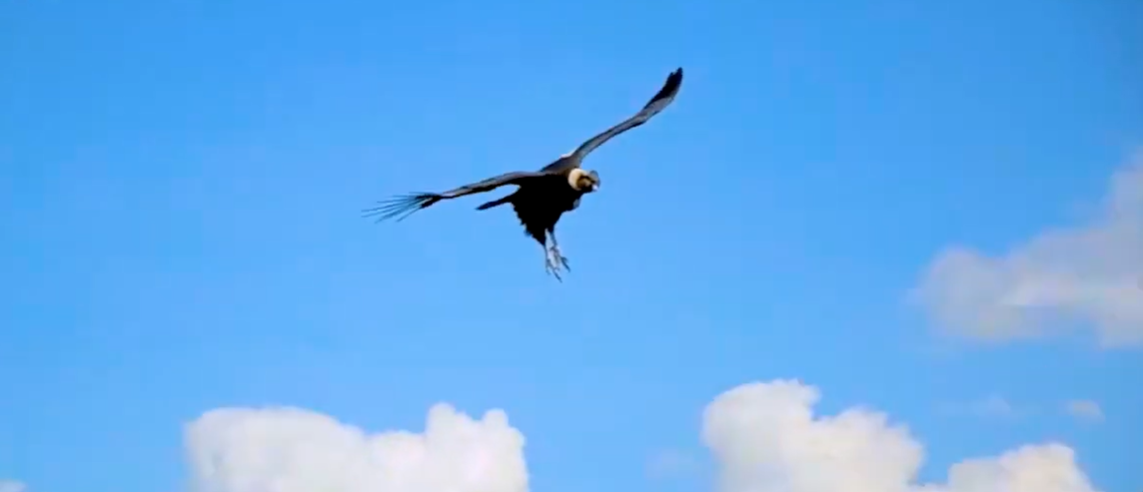
The most common animals include alpacas, llamas, and various domestic animals belonging to nearby communities. Visitors may also observe birds such as the Mountain Caracara, the American Kestrel, the Andean Gull, and several species of small high-Andean birds. On special occasions, some travelers are fortunate enough to spot the Andean Condor, although its appearance depends on several environmental factors. In addition, the area shelters small mammals adapted to cold temperatures. Many species remain hidden among the vegetation to protect themselves from predators. For this reason, wildlife observation requires patience and respect for the natural environment.
Nature Along the Route to Humantay Lake and Mountain Ecosystems
The nature along the route to Humantay Lake reflects the conditions typical of high-Andean ecosystems. Vegetation is adapted to low temperatures, strong winds, and high levels of solar radiation. What to See on the Way to Humantay Lake also includes extensive areas covered with ichu grass, cushion plants, and other species resistant to high elevations. In addition, alpine wetlands perform a fundamental role by storing water throughout much of the year. These wetlands support the survival of numerous animal and plant species. However, they are delicate ecosystems requiring protection as tourism continues to grow. Water from glacial melt feeds small streams that accompany sections of the trail. Together, these natural features maintain the ecological balance of the region. Preserving these environments depends on both local authorities and the responsible behavior of every visitor during the hike.
Environmental Importance of the Natural Surroundings of Humantay Lake
The natural surroundings of Humantay Lake are part of an ecological system composed of glaciers, wetlands, mountains, and species adapted to high elevations. Glaciers store water that supplies different watersheds during the dry season. In addition, vegetation helps reduce erosion caused by rainfall and wind. Conserving these ecosystems is essential for maintaining the regional water balance. Therefore, walking only on designated trails helps minimize environmental impact while protecting the most sensitive areas along the route.
The Best of the Route to Humantay Lake and the Views During the Hike
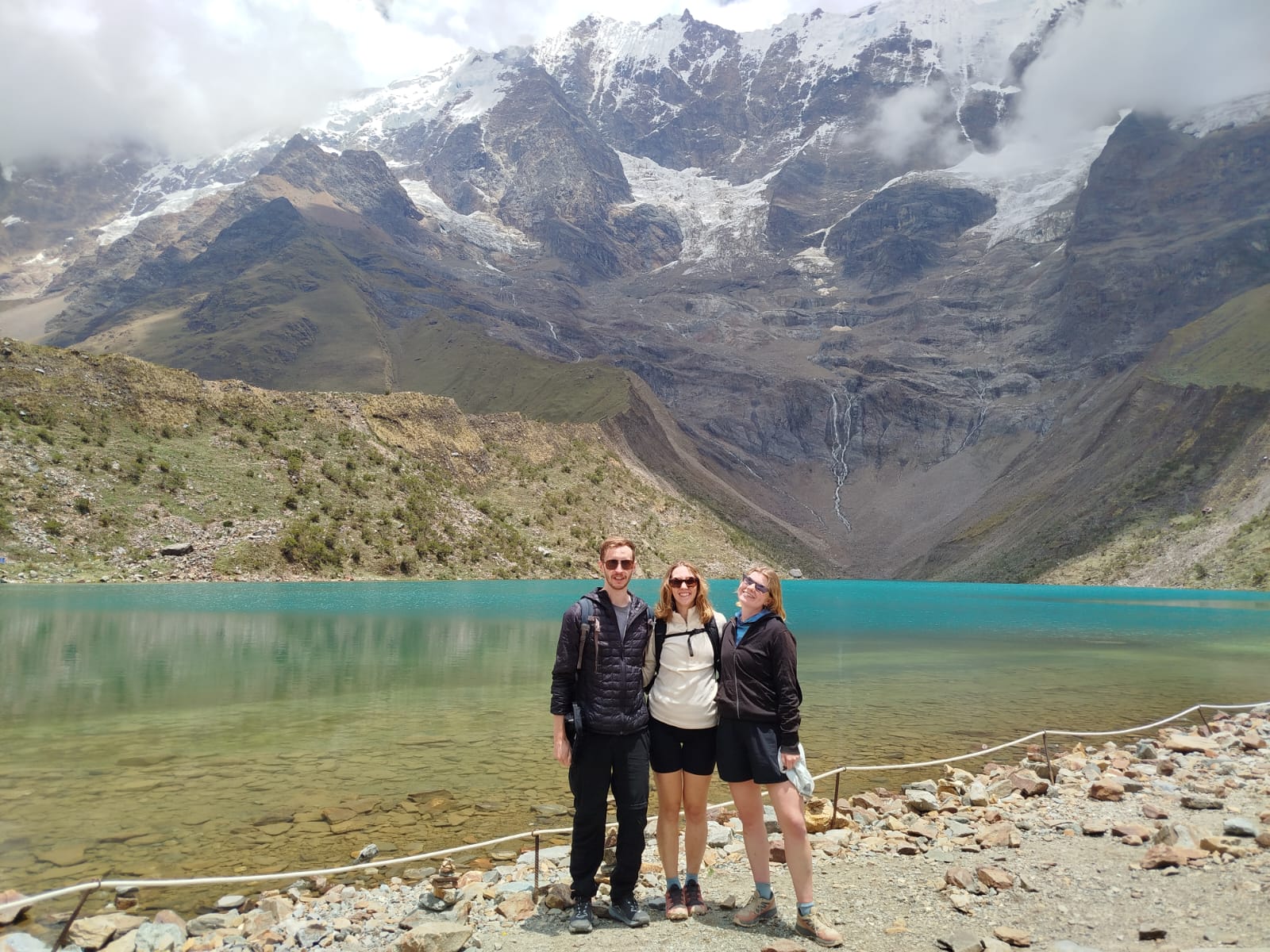
One of the most appreciated aspects of the journey is the views during the hike to Humantay Lake. The trail offers numerous panoramic viewpoints where visitors can admire broad sections of the valley and surrounding mountains. What to See on the Way to Humantay Lake changes constantly because of the changing elevation. In addition, every curve reveals new perspectives of Humantay Mountain and nearby peaks. Atmospheric conditions modify the appearance of the landscape throughout the day. Some mornings feature completely clear skies. Other days present partial fog covering portions of the summits. Both situations create very different scenic settings. For this reason, many photographers consider the route an outstanding place to capture diverse images of the Andean landscape.
Natural Viewpoints Along the Route to Humantay Lake
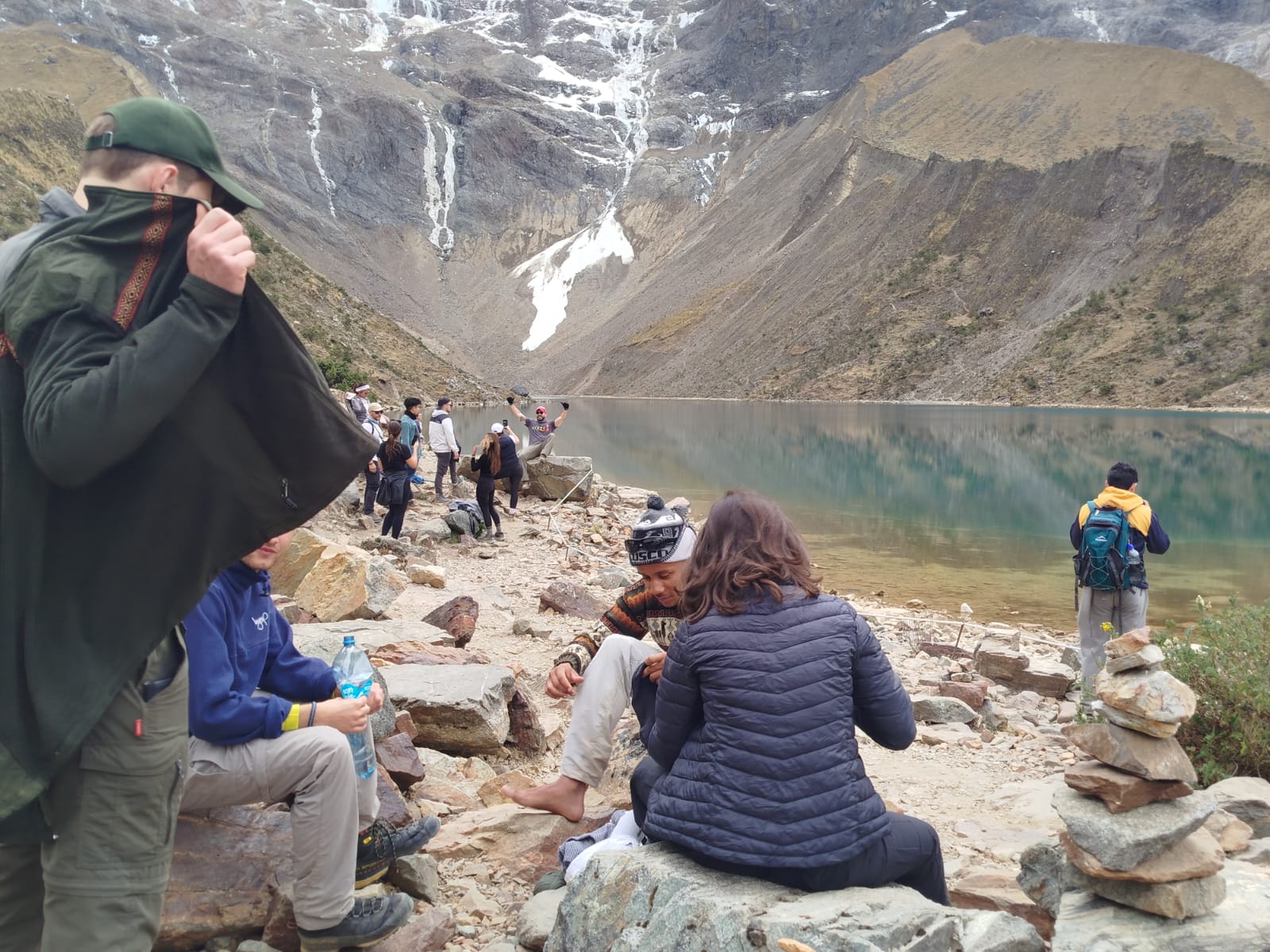
The route to Humantay Lake includes several areas where the trail becomes slightly wider. These sections serve as natural viewpoints where visitors can rest while admiring the surroundings. From these locations, travelers can appreciate the valleys below, the surrounding mountains, and parts of the trail already completed. In addition, these viewpoints provide an opportunity to recover energy before tackling the final section of the ascent. Many visitors use these stops to notice landscape details that often go unnoticed while walking.
What to Admire Along the Route to Humantay Lake During Every Season
Landscape conditions change depending on the season. However, What to See on the Way to Humantay Lake remains attractive throughout the year. Between May and September, the dry season provides greater visibility and clear skies. In addition, rainfall becomes much less frequent. During the wet season, generally from November to March, the scenery displays richer colors because of increased vegetation growth. Small streams also carry larger volumes of water. Therefore, every season offers different characteristics for travelers wishing to discover the highlights along the route to Humantay Lake. The ideal time depends mainly on the type of experience each visitor seeks during the hike.
Experience Along the Route to Humantay Lake and Recommendations for Enjoying the Journey
The experience along the route to Humantay Lake improves significantly when visitors prepare properly before beginning the hike. What to See on the Way to Humantay Lake can be appreciated more comfortably by maintaining a steady pace and taking short breaks. In addition, proper acclimatization in Cusco helps reduce the risk of altitude-related discomfort. Carrying enough water, sun protection, clothing suitable for sudden weather changes, and hiking shoes with good traction is also recommended. Respecting the environment is another essential aspect of the experience. Avoiding litter and remaining on marked trails helps preserve the ecosystem. In this way, the route continues providing the same natural conditions for both visitors and local communities.
Elements That Enhance the Hiking Experience
Among the best features of the route to Humantay Lake, the following stand out:
- Views of Humantay Mountain from different sections of the trail.
- High-Andean landscapes featuring broad valleys and mountains.
- Alpine wetlands and small streams created by glacial meltwater.
- High-Andean wildlife, including llamas, alpacas, and native birds.
- Vegetation adapted to extreme environmental conditions.
- Natural viewpoints perfect for resting and enjoying the scenery.
- Interaction with rural communities that continue preserving traditional activities.
Natural Wonders Along the Route to Humantay Lake and the Elements That Make It Unique
The natural wonders along the route to Humantay Lake extend far beyond the lake’s turquoise waters. What to See on the Way to Humantay Lake also includes a succession of natural settings where geology, biodiversity, and landscapes come together in a way rarely found in other mountain destinations across Peru. In addition, the hike allows visitors to understand the relationship between glaciers, wetlands, and the wildlife that depends on them. Every section provides new details that enrich the journey while highlighting the environmental value of this region within the Andes. Therefore, taking enough time to complete the hike allows visitors to appreciate all the natural elements encountered during the ascent.
Frequently Asked Questions
1. Is there mobile phone coverage throughout the entire hike to Humantay Lake?
Mobile coverage varies significantly along the trail. In some areas near Soraypampa, visitors may find signal depending on their service provider. However, as elevation increases, coverage often disappears. For this reason, informing family or friends about your itinerary before starting the hike is recommended. Downloading offline maps before the trip is also helpful for navigation during the excursion.
2. Can visitors go birdwatching along the route to Humantay Lake?
Yes. The hike offers good opportunities to observe several high-Andean bird species, especially during the early morning. Carrying binoculars and remaining quiet increases the chances of seeing birds without disturbing their natural behavior. The presence of each species depends on weather conditions, the season, and the surrounding environment.
3. What are the differences between hiking early in the morning and later in the day?
Early mornings usually offer lower temperatures and better visibility. In addition, there are generally fewer visitors on the trail. As the day progresses, clouds, seasonal rain, and larger crowds often become more common. Starting early allows visitors to enjoy the scenery more peacefully while taking photographs under better natural lighting conditions.
4. Is the hike suitable for people with little hiking experience?
Many people without previous hiking experience successfully complete the trail. However, the altitude represents the main challenge. Walking slowly, staying hydrated, and resting whenever necessary help visitors complete the hike safely. Basic physical preparation also makes adapting to the ascent much easier.
5. Which practices help protect the natural environment during the visit?
The best practices include staying on marked trails, avoiding feeding wildlife, not collecting plants or rocks, carrying all trash back, and following the instructions provided by guides and local authorities. These actions help preserve high-Andean ecosystems while reducing the environmental impact of tourism.
Discover our Peru travel packages and let us organize the perfect adventure for you. Request your quote for your trip to Cusco today!