
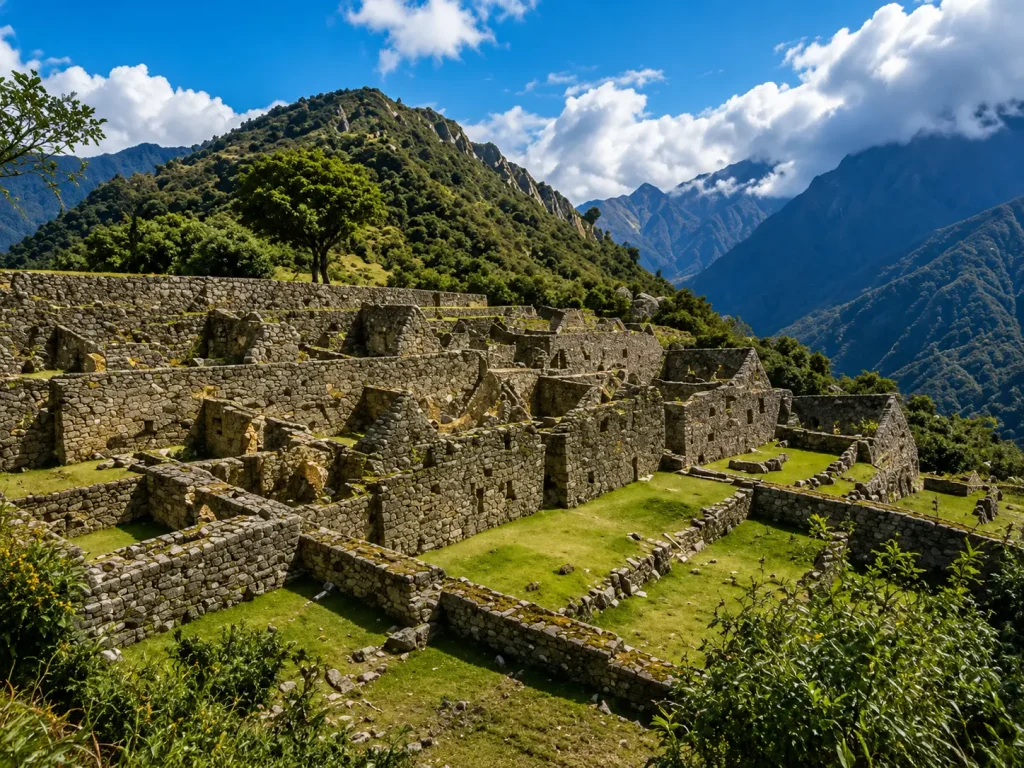
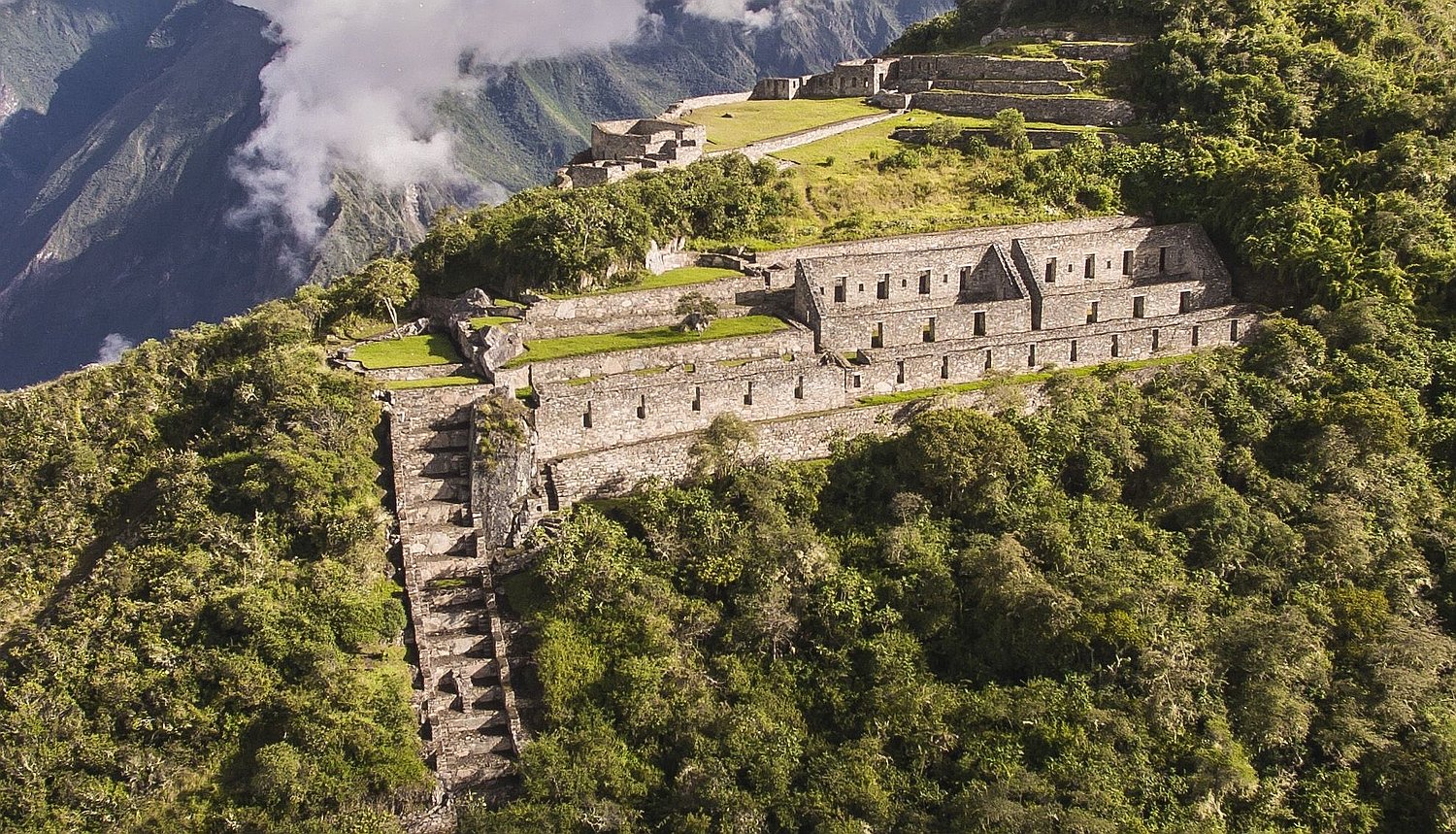
Planificar una travesía hacia Choquequirao requiere una organización minuciosa sobre el tiempo exacto de viaje. Determinar how many days to visit Choquequirao depends directly on the traveler’s physical condition and the chosen itinerary. This Inca citadel is located in the Peruvian Andes, above the Apurímac River canyon. Unlike other tourist attractions in the Cusco region, there are no railways or direct roads to reach this archaeological site. Therefore, access is exclusively by a high-altitude hike.
Booking Inca Jungle can help you organize your route to Choquequirao.
Most travel agencies and local guides suggest setting aside between four and five full days to complete the round trip safely. Understanding the days needed to go to allows hikers to prepare properly for acclimatization, manage their luggage, and enjoy the breathtaking landscapes without rushing through the demanding slopes.
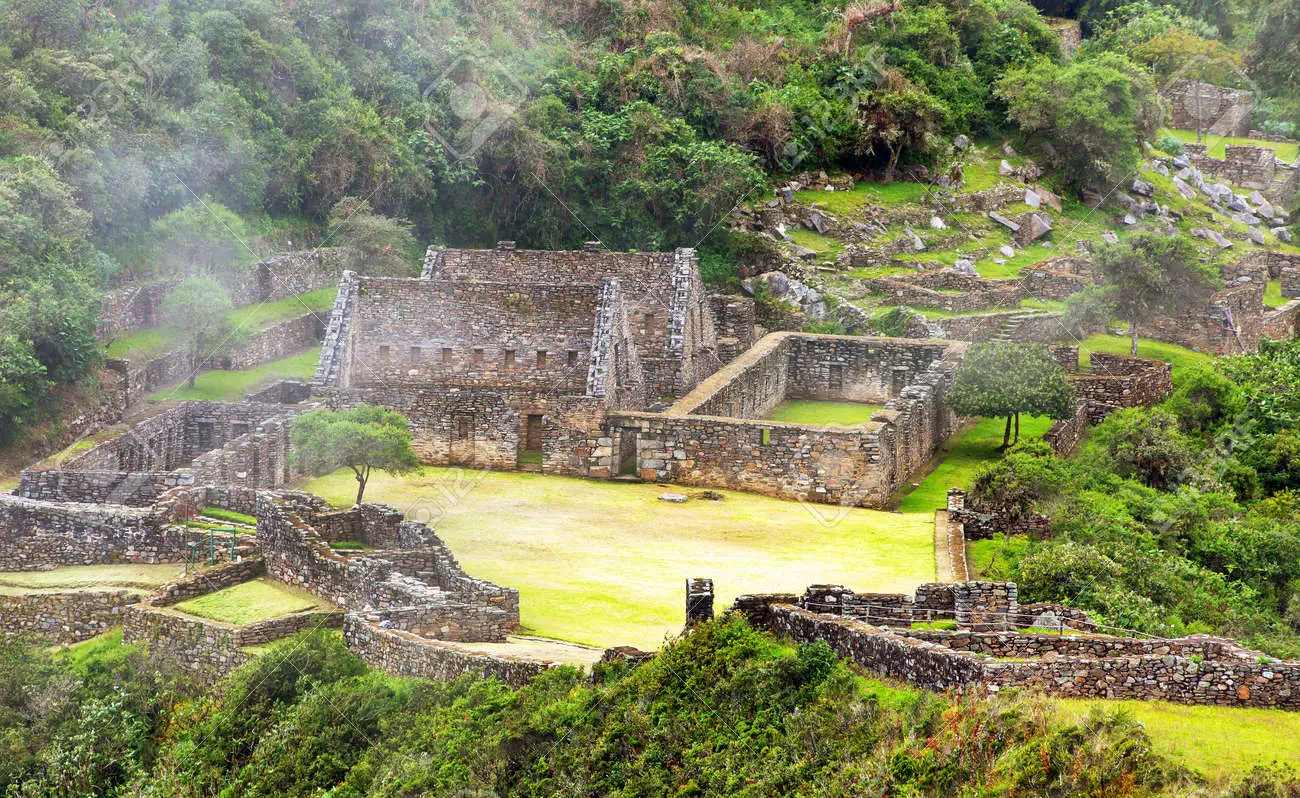
Essential factors that determine how long it takes to visit Choquequirao
Calculating how long it takes to visit Choquequirao involves analyzing various logistical and physical factors before starting the hike. First, the visitor’s physical condition plays a determining role in the pace of progress along the rugged trails. Experienced mountaineers may complete the route in less time, but beginners need more time to avoid severe exhaustion.
Second, weather conditions in the Apurímac Valley vary considerably between the dry and rainy seasons. During the rainy months, the trails become slippery and landslides may occur, delaying the scheduled progress. For these reasons, determining how many days to visit Choquequirao requires taking unexpected weather conditions into account. In addition, choosing between hiring mule services or carrying your own backpack significantly affects hiking speed.
| Itinerary Option | Recommended Days | Difficulty Level |
|---|---|---|
| Classic Express Route | 4 days / 3 nights | High – Demanding |
| Complete Explorer Route | 5 days / 4 nights | Moderate – Progressive |
| Choquequirao to Machu Picchu Trek | 7 or 8 days | Very High – Extreme |
The starting point at Cachora and Capuliyoc
The initial overland journey begins in the city of Cusco, from where travelers travel by private or public transportation to the town of Cachora. This vehicle journey takes approximately four hours of continuous travel. Currently, many hikers prefer to continue by car to the Capuliyoc viewpoint, where the hike officially begins. Properly assessing the travel time to Choquequirao from this starting point ensures an efficient beginning to the day. Leaving early from Cusco allows travelers to make the most of the sunlight during the first descent toward the Chiquisca or Playa Rosalina campsite.
Altitude and prior acclimatization in Cusco
Altitude is a critical factor when planning the recommended days for Choquequirao within any travel itinerary. Choquequirao is located at 3,050 m.a.s.l. but the trail first descends to 1,500 meters at the Apurímac River and then climbs abruptly. This constant change in altitude causes considerable physical strain on the human body. Therefore, experts recommend staying at least two days beforehand in the city of Cusco to achieve optimal acclimatization. Without adequate prior preparation, altitude sickness can slow the hike and increase the duration of the Choquequirao tour.
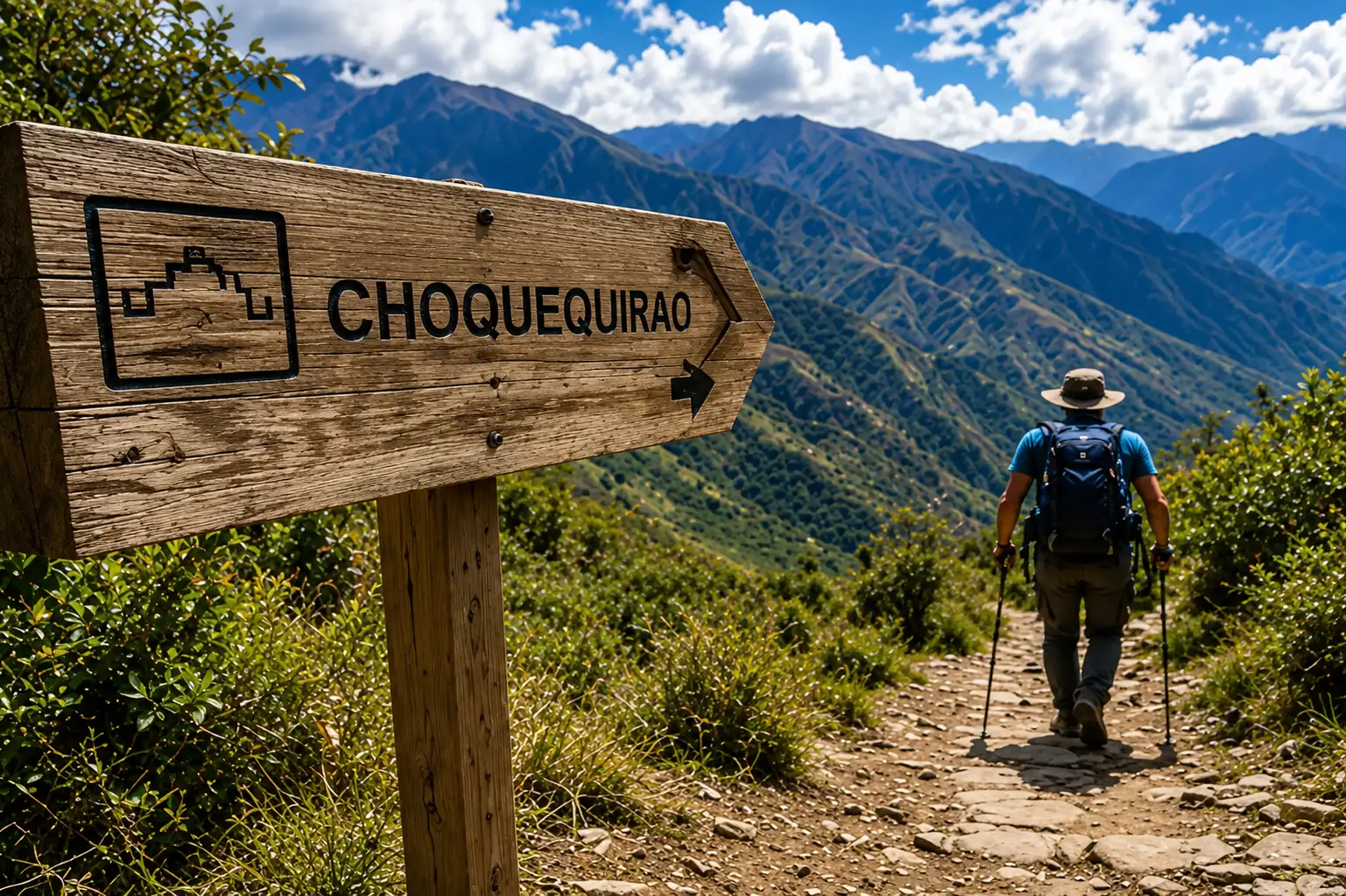
Itinerary for visiting Choquequirao on the classic four-day option
The most popular itinerary for visiting Choquequirao among national and international hikers is the four-day, three-night program. This standard format optimizes the available time without sacrificing exploration of the main ruins. Along this route, hikers experience steep descents and continuous climbs that test aerobic endurance. Knowing in detail how many days to visit Choquequirao are required in this format helps distribute rest periods and meals at the authorized campsites. The chronological sequence of this traditional route is detailed below:
- Day 1: Transfer from Cusco to Capuliyoc, descent toward Chiquisca, and campsite at Playa Rosalina.
- Day 2: Challenging ascent from the Apurímac River through Santa Rosa until reaching the Marampata campsite.
- Day 3: In-depth exploration of the Choquequirao archaeological complex and subsequent beginning of the return toward Chiquisca.
- Day 4: Final ascent from Chiquisca to the Capuliyoc viewpoint and return by vehicle to Cusco.
| Day | Approximate Distance | Terrain Characteristic |
|---|---|---|
| Day 1 | 19 kilometers | Constant descent |
| Day 2 | 13 kilometers | Steep ascent |
| Day 3 | 10 kilometers | Archaeological route and beginning of descent |
| Day 4 | 14 kilometers | Final ascent to transportation |
First section of the route to the Apurímac River
The first day of the journey is characterized by a prolonged descent that tests hikers’ knees. When starting the trek at Capuliyoc, the trail zigzags along the mountainside, offering views of Padreyoc Mountain. The goal for this first day is usually the Playa Rosalina campsite, located on the banks of the vertiginous Apurímac River. However, some guides prefer to camp at Chiquisca to avoid the intense heat in the lower part of the canyon. Understanding the hiking time to Choquequirao during this initial section helps hikers ration their water and protect their skin from solar radiation.
The ascent to Marampata and the archaeological complex
The second day represents the most challenging stage of the entire route due to the accumulated positive elevation gain. Hikers must cross the bridge over the Apurímac River and begin a steady climb of almost 1,500 meters to the hamlet of Marampata. Along this route, hikers pass through Santa Rosa Baja and Santa Rosa Alta, ideal places for strategic hydration breaks. Upon reaching Marampata, visitors enjoy a privileged view of the Inca complex in the distance. Properly calculating the hiking days for Choquequirao ensures reaching this point with enough energy to camp comfortably.
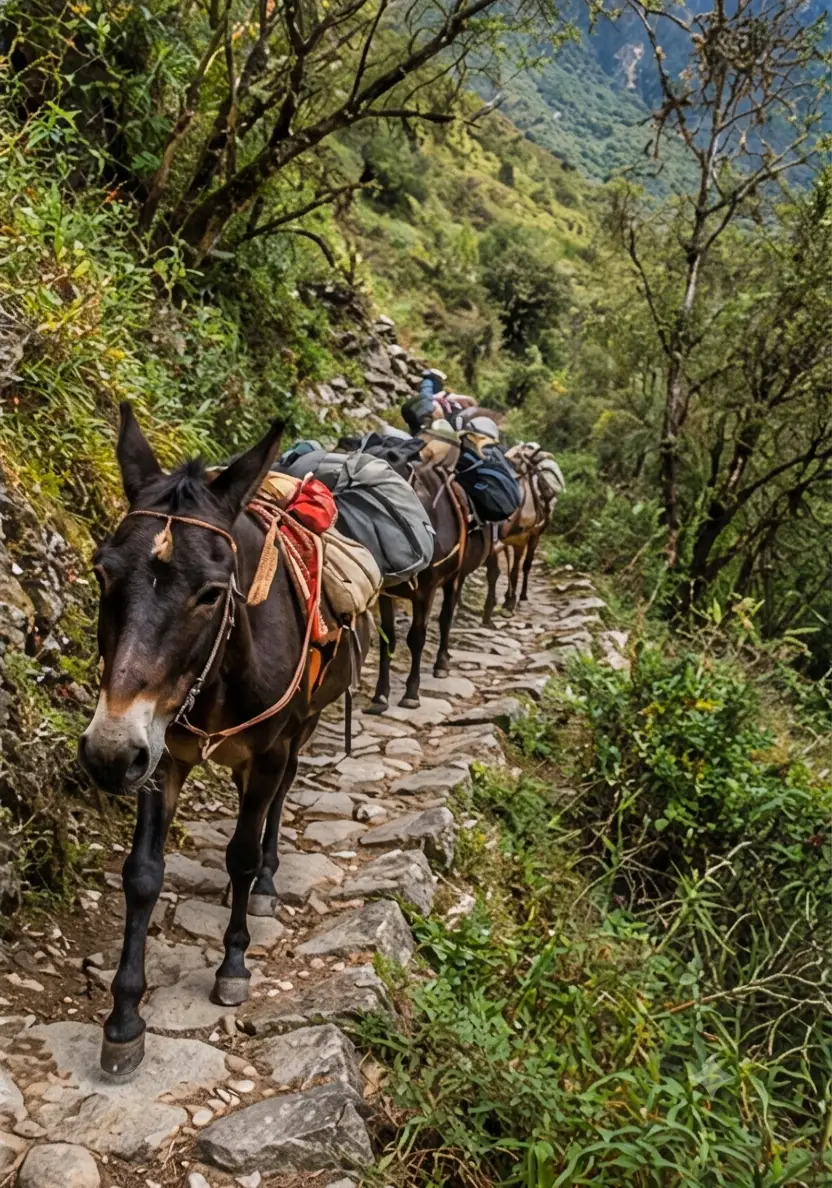
Five-day alternative for a detailed exploration of the citadel
For those seeking a less rushed experience, the five-day option represents the perfect travel alternative. This format extends the time needed to explore Choquequirao thoroughly and without extreme physical strain.
| No. | Advantages of the 5-Day Itinerary |
|---|---|
| 1 | Full day of exploration in Choquequirao without heavy backpacks. |
| 2 | Slower hiking pace adaptable to photographers. |
| 3 | Less biomechanical impact and better muscle recovery. |
| 4 | Opportunity to observe the flight of the condor in the canyon. |
Consequently, analyzing how many days to visit Choquequirao from this perspective guarantees a much richer cultural and photographic immersion.
Extension of the route to the wonder of Machu Picchu
There is a legendary trek that directly connects the Choquequirao citadel with the historic sanctuary of Machu Picchu. This interconnected route clearly addresses how many days of travel for Choquequirao are needed for a complete expedition through the Andes. This epic hike requires a minimum of eight days of constant trekking, crossing mountain passes that exceed 4,500 meters above sea level. It is a route reserved for hikers with excellent physical preparation and high-altitude camping experience.
| Stage | Route Section | Duration |
|---|---|---|
| Stage 1 | Cachora to Choquequirao | Days 1 to 3 |
| Stage 2 | Choquequirao to Río Blanco and Maizal | Day 4 |
| Stage 3 | Maizal to Yanama and San Juan Pass | Day 5 |
| Stage 4 | Yanama to Lucmabamba or Santa Teresa | Day 6 |
| Stage 5 | Aguas Calientes and final visit to Machu Picchu | Days 7 and 8 |
Physical requirements for the long-duration trek
Completing the extended route requires rigorously evaluating how many days it takes to go to Choquequirao and continue toward the second citadel. The equipment required for this trek includes high-altitude clothing, down sleeping bags, and water purification systems. Hikers must cross San Juan Pass and descend into tropical valleys before connecting with the traditional Inca Trail. Due to the complexity of geographic navigation, it is highly recommended to hire professional guides certified in the city of Cusco.
Comparison between the short route and the long expedition
The decision between the traditional circuit and the extended trek depends on the total vacation time available. While the short route requires knowing how many days the hike to Choquequirao takes to fit it into a long weekend, the complete expedition requires logistical planning of more than one week. The following list highlights the main differences between both travel options:
- Traditional Route: Requires between four and five days, focused solely on Choquequirao with a return to the starting point in Cachora.
- Extended Expedition: Takes eight to nine days, connecting multiple ecosystems until reaching the town of Aguas Calientes.
- Level of Isolation: The extended route passes through remote Andean communities where contact with mass tourism is nonexistent.
- Logistical Cost: The trek to Machu Picchu increases transportation costs, double entrance tickets, and muleteer services.
Equipment and preparation according to the number of days chosen
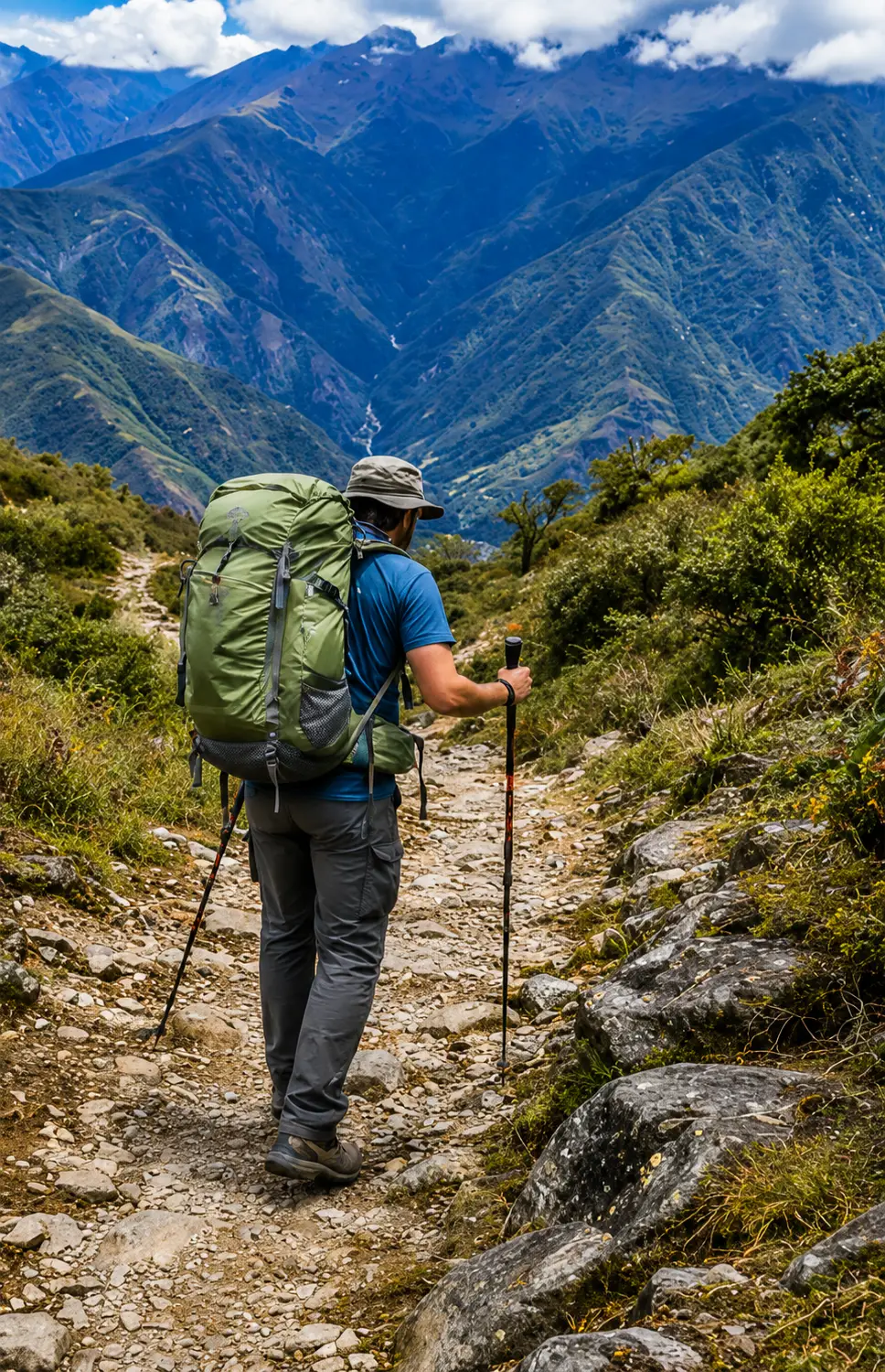
Organizing the appropriate backpack depends directly on how many days to visit Choquequirao will be allocated in the itinerary. For a four-day trek, luggage weight should be kept as low as possible to avoid overloading the back. It is essential to bring hiking shoes that have been previously worn to prevent painful blisters on the feet. Likewise, trekking poles are essential for stabilizing the joints during the extensive descents toward the Apurímac River. Constant hydration with oral rehydration salts prevents cramps caused by the intense heat of the canyon.
| Category | Recommended Essential Equipment |
|---|---|
| Footwear | Hiking boots with good grip and high ankle support. |
| Support | Trekking poles with rubber tips. |
| Clothing | Waterproof jacket and thermal clothing for cold nights. |
| Protection | Sunscreen, wide-brimmed hat, and insect repellent. |
| Lighting | Headlamp with spare batteries. |
Frequently Asked Questions
Is it possible to complete the Choquequirao hike in just three days?
Completing the hike to the Inca citadel in three days is physically possible, but it is extremely demanding and not recommended for most tourists. This express option requires walking more than twelve hours per day with elevation changes of more than one thousand five hundred meters per day. Hikers who choose this format have very little time to explore the archaeological complex and face a high risk of severe muscle fatigue or joint injuries. Therefore, local guides recommend choosing itineraries of at least four days to guarantee a safe experience.
What is the difference in cumulative elevation during the trek?
The topographic profile of this route is one of the most demanding in the Cusco region due to its drastic elevation changes. The hike begins at approximately three thousand meters above sea level at Capuliyoc, descends sharply to one thousand five hundred meters at the Apurímac River, and climbs back to three thousand fifty meters at Choquequirao. This means that hikers must overcome a cumulative elevation gain and loss exceeding three thousand meters in total throughout the entire round trip.
Is it mandatory to hire a guide to enter Choquequirao?
Currently, there is no official regulation requiring tourists to hire a guide to enter the Choquequirao citadel. Independent travelers can complete the hike on their own by following the main trail signs. However, hiring a professional guide or local muleteer service is highly recommended to facilitate luggage transportation logistics, food preparation, and historical interpretation of the different archaeological sectors of the complex.
What type of physical conditioning is required before the trip?
Visitors should have moderate to high-level physical preparation focused on cardiovascular endurance and strengthening the leg muscles. It is recommended to complete prior mountain hiking training, squatting exercises, and aerobic activities such as running or cycling during the weeks before the trip. Likewise, it is essential to spend a couple of days acclimatizing in the city of Cusco to prevent health complications associated with the lack of oxygen at high altitude.
Are there drinking water and electricity services at the campsites?
The campsites established along the route, such as Chiquisca, Playa Rosalina, and Marampata, have basic water services supplied by local springs, although it is strictly necessary to purify the water using tablets or filters before drinking it. Regarding electricity, some local residents offer charging services for electronic devices using solar panels or generators for a small additional fee. However, cell phone and internet service is practically nonexistent throughout most of the Apurímac Canyon.
Booking Inca Jungle offers support to coordinate your trekking experience, contact us.