
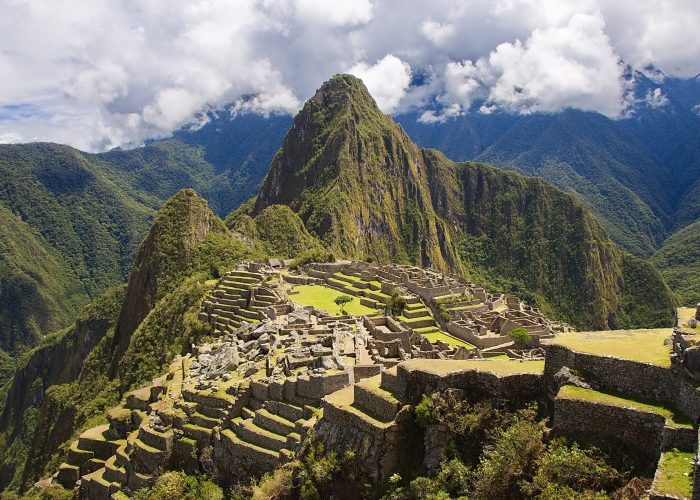
Visiting Machu Picchu is one of the most sought-after experiences for travelers visiting Peru. Knowing what to see in Machu Picchu allows visitors to make the most of their time inside the citadel and understand the historical importance of this archaeological site. Declared a World Heritage Site by UNESCO and considered one of the New Seven Wonders of the World, this Inca complex welcomes visitors from across the globe. In addition, each sector of the citadel serves a specific function within the urban organization developed during the period of the Inca Empire.
When planning a visit, many people want to know exactly what to see in Machu Picchu so they do not miss the most significant sites. Due to current regulations, visits are conducted through established routes. Therefore, it is important to know the main attractions before entering. In addition, understanding the layout of the citadel helps visitors better appreciate its buildings, agricultural terraces, temples, and ceremonial spaces. The combination of architecture, landscape, and cultural heritage makes this destination one of the most important places in South America.
History of the Inca Citadel
Understanding what to see in Machu Picchu requires learning about the history of the Inca citadel. Specialists believe the city was built during the 15th century under the rule of Emperor Pachacutec. Its strategic location in the mountains allowed the development of an administrative, religious, and residential center adapted to the complex Andean geography.
For centuries, the site remained hidden among the mountain vegetation. However, its existence never completely disappeared from local memory. Later, the citadel began receiving international attention during the 20th century. Since then, numerous studies have helped researchers better understand its role within the political and religious organization of the Inca world.
The urban planning demonstrates a profound knowledge of engineering and architecture. In addition, the buildings were carefully adapted to the natural topography. Therefore, walking through the citadel allows visitors to observe construction solutions that continue to impress researchers and travelers alike. Understanding the history of the Inca citadel helps visitors appreciate every structure within the archaeological complex.
Machu Picchu Circuits and Route Organization
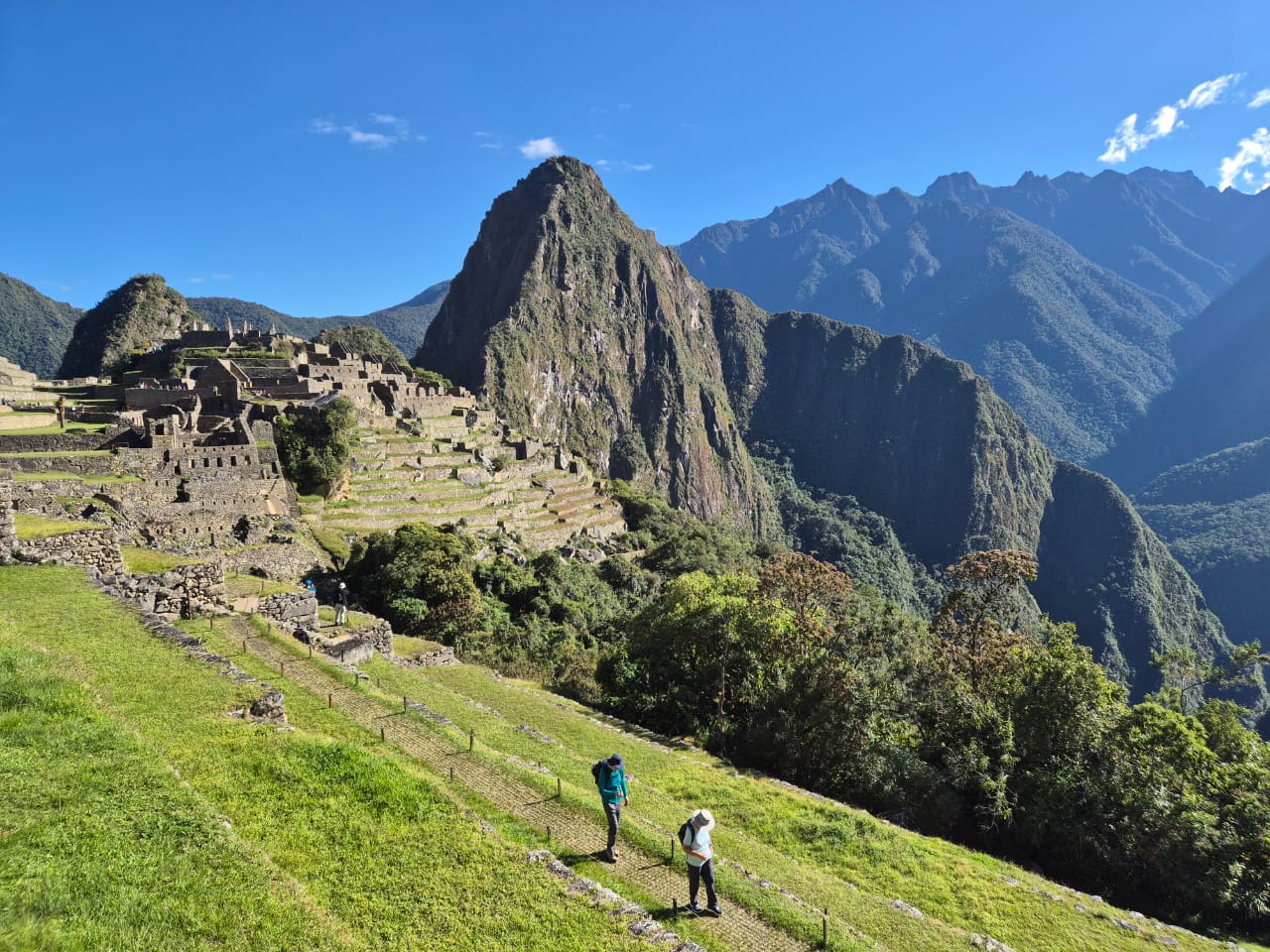
Today, visitors must explore the citadel through the different Machu Picchu circuits established by authorities. This system aims to protect the archaeological heritage and improve the visitor experience. In addition, it allows for a proper distribution of people throughout the historic sanctuary.
When researching what to see in Machu Picchu, it is essential to review the available routes in advance. Each circuit provides access to specific sectors of the citadel. Therefore, the chosen route directly influences which areas can be visited during the day.
The options may vary according to the season and current regulations. However, they generally provide access to agricultural zones, urban sectors, temples, and main viewpoints. In addition, some routes include complementary hikes to nearby mountains. Due to these differences, reviewing the Machu Picchu circuits beforehand helps visitors plan their trip more effectively.
Machu Picchu Tickets and Circuits
The availability of Machu Picchu tickets and circuits is regulated through daily visitor quotas. For this reason, purchasing tickets in advance is highly recommended. Especially during the high season, tickets can sell out quickly.
Tickets are associated with specific entry times. In addition, each ticket corresponds to a designated route within the archaeological complex. Therefore, choosing the correct Machu Picchu tickets and circuits is essential for accessing the areas that interest visitors the most.

Most Important Places in Machu Picchu
Among the most important places in Machu Picchu are several structures that reflect the architectural achievements of the Incas. These locations are among the main points of interest included in most authorized routes.
Many travelers search for information about what to see in Machu Picchu because they want to identify the most representative sectors before entering. In addition, knowing these places in advance helps visitors better understand the overall organization of the citadel. Each structure has unique characteristics associated with religious, administrative, or residential functions.
The main sites include:
- Temple of the Sun
- Intihuatana
- Sacred Plaza
- Main Temple
- Temple of the Three Windows
- Agricultural Sector
- Royal Residence
- Sacred Rock
- Quarry Sector
- Ceremonial Fountains
These places are among the most visited sectors within the archaeological sanctuary. Therefore, they form an essential part of any list related to what to see in Machu Picchu.
Temple of the Sun in Machu Picchu and Ceremonial Spaces
The Temple of the Sun in Machu Picchu is one of the most recognized structures in the entire citadel. Its semicircular design stands out within the architectural complex due to the precision of its walls and its strategic location.
Researchers believe this space served a ceremonial function related to sun worship. In addition, the orientation of certain windows demonstrates advanced astronomical knowledge. During specific times of the year, sunlight enters the structure in a particular way.
When analyzing what to see in Machu Picchu, this temple occupies a priority position because of its historical relevance. In addition, it represents one of the finest examples of religious architecture developed during the Inca period. The quality of the stonework and its integration with the natural environment continue to attract researchers and visitors.
Near the temple, other important ceremonial structures can also be found. Therefore, this area contains a significant portion of the cultural and archaeological value present within the citadel.
Intihuatana in Machu Picchu and Religious Symbolism
The Intihuatana in Machu Picchu is one of the most iconic elements of the archaeological site. This carved stone structure is located in an elevated area from which visitors can enjoy broad views of the citadel and the surrounding mountains.
Its name is often translated as “the place where the sun is tied.” However, studies continue to explore its exact function. Many specialists believe it was connected to astronomical observations and ceremonial activities associated with the agricultural calendar.
Within the tourist routes, the Intihuatana in Machu Picchu stands out as one of the most photographed locations. In addition, its position provides a privileged perspective over different sectors of the archaeological complex. Therefore, those researching what to see in Machu Picchu usually include this monument among their top priorities.
The precision of its construction demonstrates the technical mastery achieved by Inca builders. In addition, it reflects the importance of astronomical phenomena within the Andean worldview.
Sacred Plaza of Machu Picchu and Main Buildings
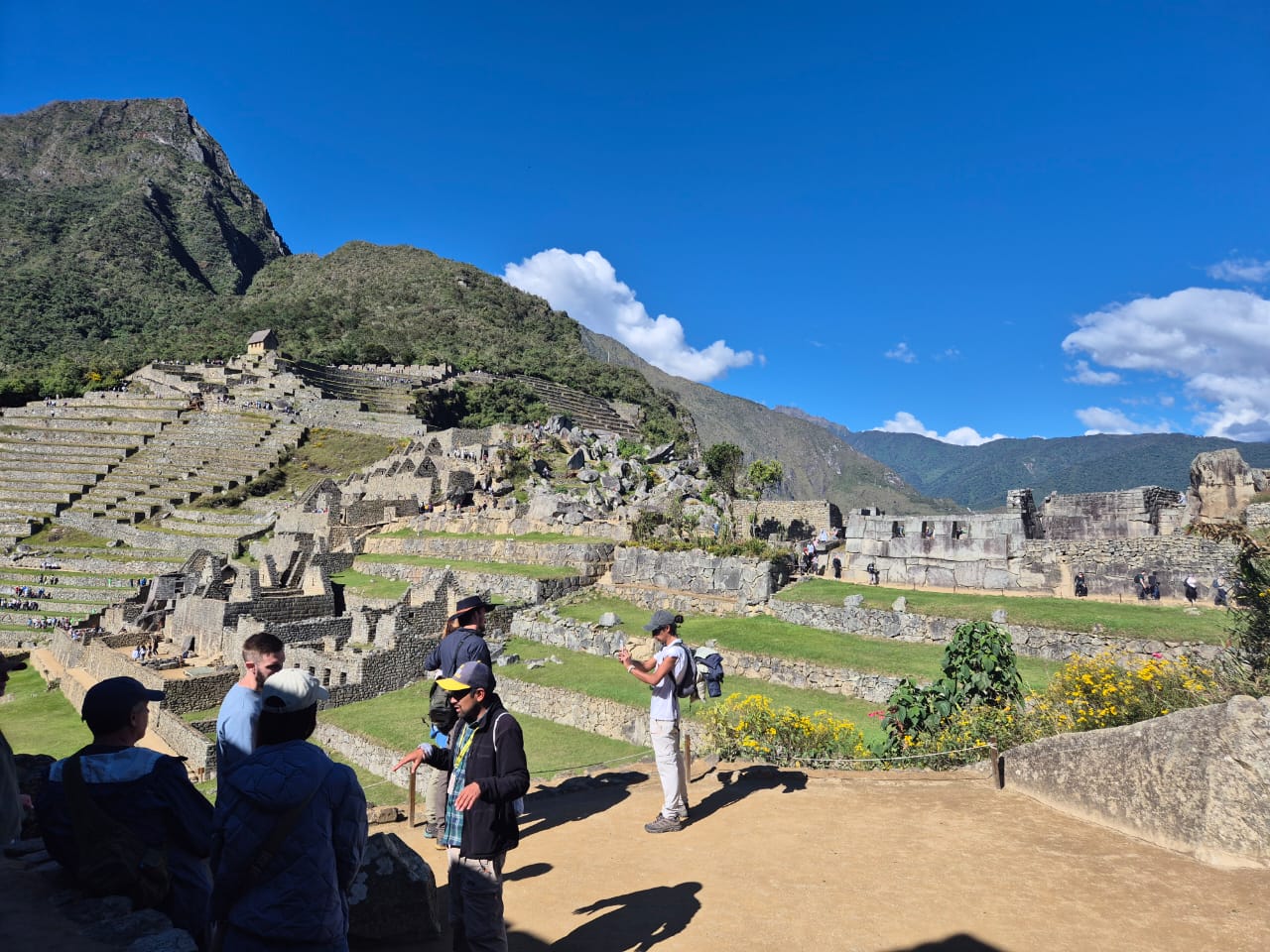
The Sacred Plaza of Machu Picchu brings together some of the most important ceremonial structures within the complex. This open space functioned as a gathering point for religious activities and community events.
Surrounding the plaza are notable buildings such as the Main Temple and the Temple of the Three Windows. These structures demonstrate an exceptional level of precision in stone construction. In addition, they feature architectural characteristics associated with ceremonial and administrative functions.
The Sacred Plaza of Machu Picchu allows visitors to appreciate the urban organization developed by the Incas. Therefore, it is an essential stop on any route. Those seeking to discover what to see in Machu Picchu will find this area an excellent opportunity to understand the symbolic importance of public spaces within the citadel.
The spacious layout makes it possible to observe several buildings simultaneously. In addition, it offers interesting perspectives for visitors wishing to appreciate the architectural details found in the principal monuments.
Machu Picchu Tourist Attractions and Best Viewpoints
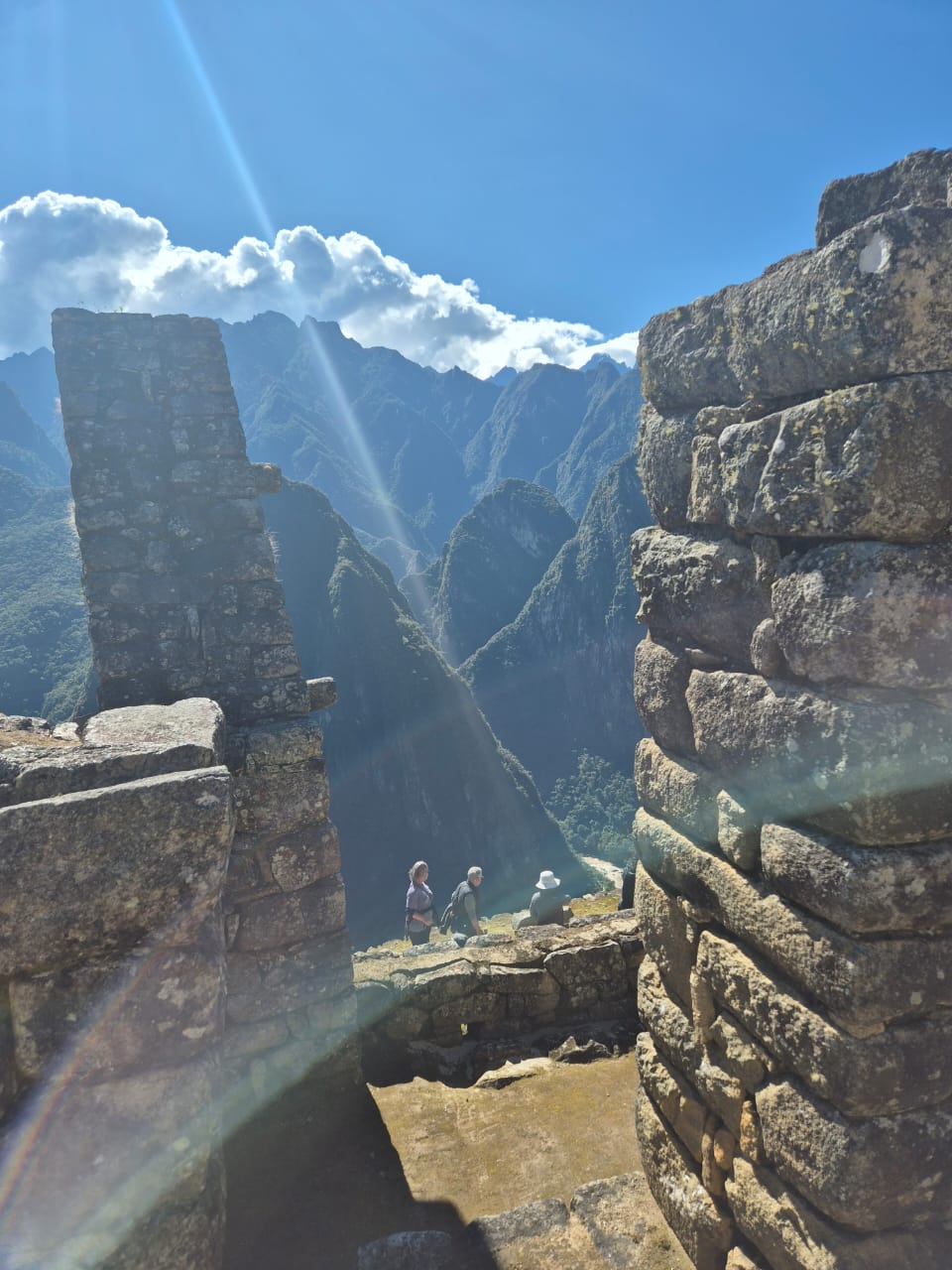
The main Machu Picchu tourist attractions include both archaeological structures and natural landscapes. This combination explains much of the destination’s international appeal.
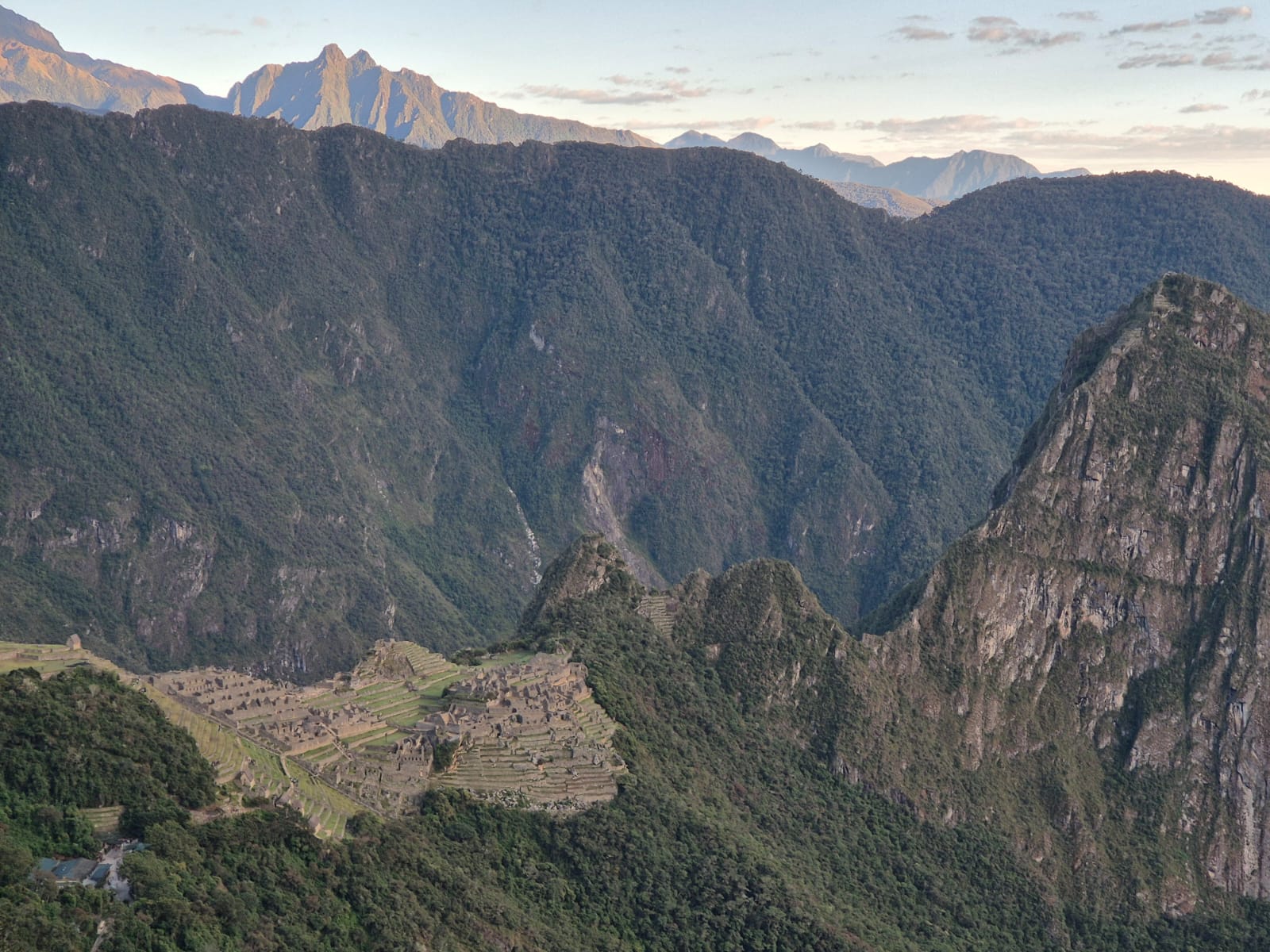
The best viewpoints in Machu Picchu provide panoramic views of the citadel and its mountainous surroundings. From these locations, visitors can appreciate the integration between architecture and nature. In addition, they offer some of the most recognizable images of the archaeological site.
Among the most sought-after locations are:
- The upper agricultural terrace area.
- Elevated sectors near the Guardhouse.
- Viewpoints associated with complementary routes.
- Areas near Machu Picchu Mountain.
- Panoramic spots close to Huayna Picchu.
When deciding what to see in Machu Picchu, viewpoints play an important role due to the photographic opportunities they provide. In addition, they help visitors better understand the overall layout of the archaeological complex.
Huayna Picchu Experience and Machu Picchu Mountain Hiking
The Huayna Picchu experience is one of the most popular activities among travelers seeking to complement the traditional visit. This mountain rises behind the citadel and offers a different perspective of the landscape.
The ascent requires moderate physical effort. However, the views obtained throughout the hike make the effort worthwhile. In addition, the trail provides access to lesser-known archaeological sectors that form part of the citadel’s historical surroundings.
Meanwhile, Machu Picchu Mountain hiking represents another alternative for visitors interested in high-altitude trekking. This route reaches a higher elevation than Huayna Picchu. In addition, it offers expansive views of the historic sanctuary and surrounding mountains.
Both options have limited visitor quotas. Therefore, planning ahead is highly recommended. For many travelers, these complementary routes significantly enrich the overall experience within the archaeological site.
Tour Through Machu Picchu and Visit Planning
A well-organized tour through Machu Picchu allows visitors to make the most of their time inside the citadel. Due to current restrictions, each visitor must follow the authorized route associated with their ticket.
Before entering, it is advisable to become familiar with the general map of the site. In addition, identifying in advance what to see in Machu Picchu helps prioritize the areas of greatest interest. This preparation allows visitors to optimize their time during the visit.
A well-planned tour typically includes:
- Main viewpoints.
- Agricultural sectors.
- Ceremonial areas.
- Major temples.
- Urban spaces.
- Residential structures.
Planning should also consider weather conditions and entry schedules. Therefore, organizing a proper tour through Machu Picchu contributes to a more complete and enjoyable experience.
Tourism in Machu Picchu Peru and Visitor Recommendations
Tourism in Machu Picchu Peru continues to grow due to international interest in Andean history and culture. Thousands of travelers arrive every year to explore one of the continent’s most important archaeological sites.
When researching what to see in Machu Picchu, it is also useful to consider practical aspects related to the visit. In addition, proper preparation helps visitors enjoy the experience within the historic sanctuary more fully.
Tips for Exploring Machu Picchu
The main tips for exploring Machu Picchu include:
- Purchase tickets in advance.
- Arrive on time for your assigned entry slot.
- Wear comfortable footwear.
- Bring sun protection.
- Carry sufficient water.
- Respect conservation regulations.
- Follow authorized routes.
In addition, it is recommended to spend time observing the architectural details present throughout the site. Therefore, the experience becomes much more rewarding when planning is combined with careful observation.
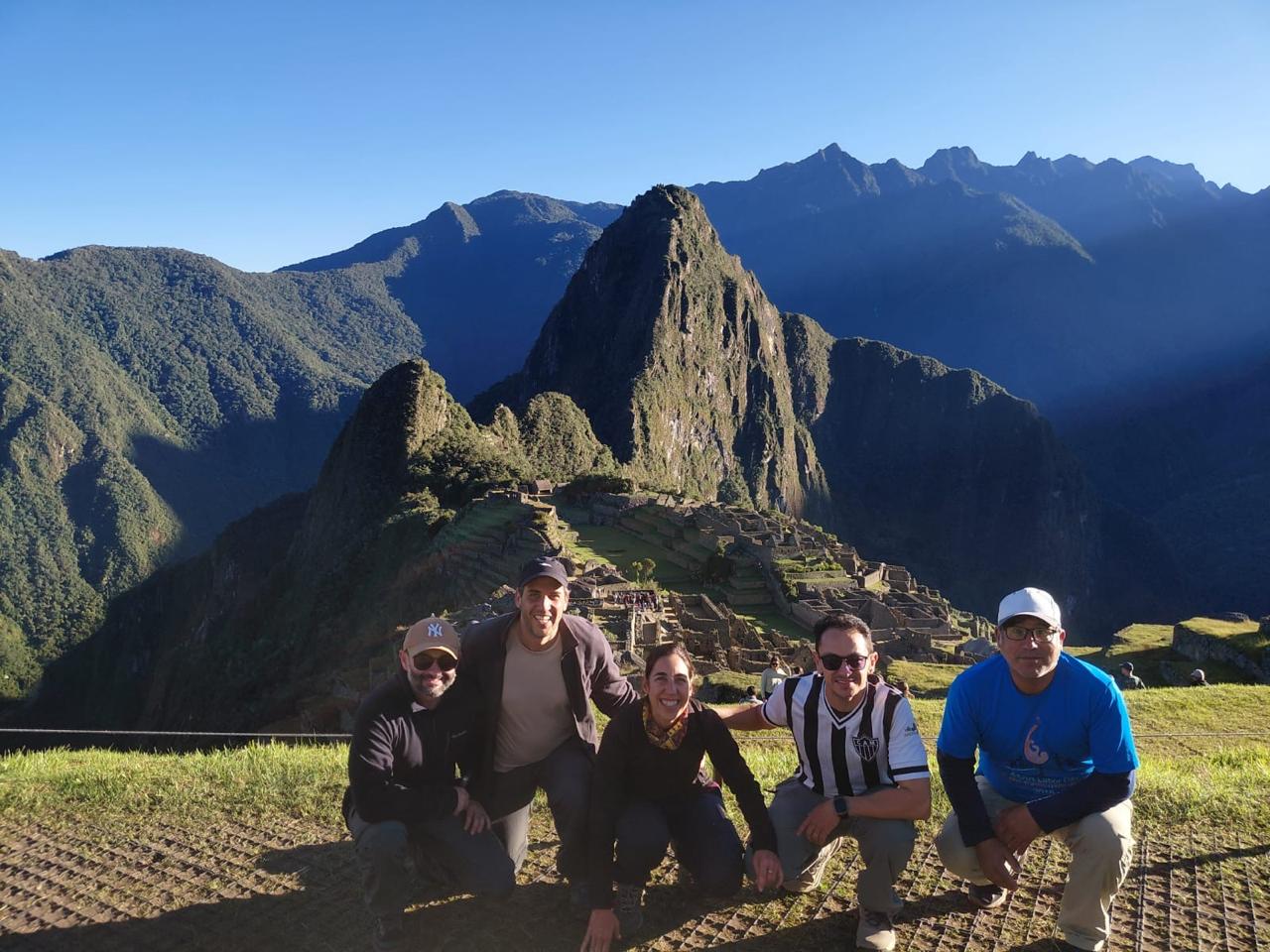
Understanding what to see in Machu Picchu allows visitors to fully appreciate the cultural heritage preserved within the citadel. In addition, it supports a well-organized visit that highlights the most significant sectors of the archaeological complex.
Frequently Asked Questions
1. How Much Time Is Needed to Visit Machu Picchu Properly?
The duration depends on the selected circuit and each visitor’s pace. Most routes can be completed within several hours. However, travelers who choose additional mountain hikes usually require more time. In addition, many visitors prefer to move at a relaxed pace to observe architectural details and take photographs. Good planning helps maximize the experience in every authorized sector of the citadel.
2. Is It Recommended to Hire a Guide for Machu Picchu?
Having a guide can significantly enrich the experience. Guides provide historical, cultural, and architectural context about the various sectors of the complex. In addition, they help visitors understand details that might otherwise go unnoticed during an independent visit. Although it is not always mandatory, many travelers consider professional guidance a valuable addition to their tour.
3. What Items Are Restricted Inside Machu Picchu?
Regulations may be updated periodically. Restrictions generally involve oversized equipment, items that could affect the preservation of the site, and certain objects considered inappropriate for the sanctuary. In addition, authorities maintain rules designed to protect both the archaeological structures and the natural environment of the historic sanctuary.
4. What Is the Difference Between Huayna Picchu and Machu Picchu Mountain?
Both routes offer different experiences. Huayna Picchu features steeper trails and closer views of the citadel. On the other hand, Machu Picchu Mountain reaches a higher elevation and provides broader panoramic views. The choice depends on personal interests, physical condition, and ticket availability for each route.
5. Can Machu Picchu Be Visited During the Rainy Season?
Yes, the citadel remains open for most of the year. However, weather conditions can vary significantly between seasons. During the rainy months, visitors are advised to bring waterproof clothing and consider possible changes in visibility. Despite this, many travelers enjoy a different experience thanks to the greener landscape characteristic of that time of year.
Discover our travel packages to Peru and let us organize the perfect adventure for you. Request your quote for your trip to Cusco today!