Category

informations

Machu Picchu & Amazon Basin

How to Get to Machu Picchu by Bicycle and Rafting

Many travelers look for different ways to reach Machu Picchu. Therefore, more and more people want to learn how to get to Machu Picchu by bike, combining mountain routes, hiking, and adventure activities. This alternative has become one of the most popular options for those who want to explore diverse landscapes and enjoy outdoor experiences over several days. It also lets you travel through cloud forests, Andean paths, and rivers near Cusco before reaching the Inca citadel. Unlike traditional routes, this experience combines sports, nature, and culture in one trip. It also appeals to young travelers and people interested in moderate physical activities. Many agencies offer complete itineraries that include cycling, hiking, and rafting. Therefore, organizing the trip properly helps travelers enjoy each activity and avoid problems related to weather, equipment, or altitude.

Inca Jungle Trek in Peru and alternative routes to Machu Picchu

The Inca Jungle Trek in Peru is one of the best‑known adventure routes to reach Machu Picchu. This tour combines mountain biking, hiking, water activities, and visits to small towns in the Cusco region. It is also considered an excellent alternative for travelers seeking different experiences from traditional routes.

Many people look for information on how to get to Machu Picchu by bike because they want a more active and less conventional experience. This route usually starts near Abra Málaga pass, located at over 4,000 meters above sea level. From there, travelers descend by bike on roads surrounded by mountains and tropical vegetation.

During the journey, the landscape changes constantly. Travelers go from cold mountain areas to warm cloud forest regions in just a few hours. This variety makes the trip very different from other traditional excursions. Many routes also include visits to coffee plantations and small rural villages.

Among the main attractions of these alternative routes to Machu Picchu are the flexibility of the trip and the opportunity to enjoy various activities during the same excursion. Some prefer more physically demanding routes, while others choose lower‑difficulty options. Therefore, different levels exist depending on the traveler’s experience.

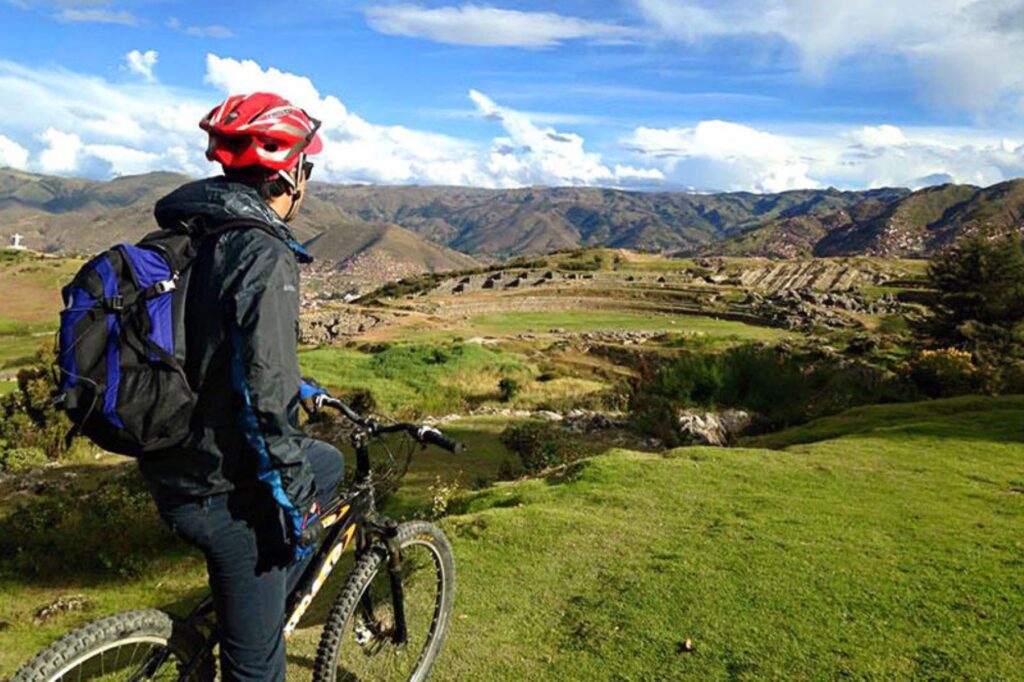
Mountain biker on a dirt road with mountains in the background

Bike routes to Machu Picchu and mountain biking experience

Bike routes to Machu Picchu are usually done mainly during the first day of the trip. The descent from Abra Málaga is one of the most famous sections of the route. Many consider this part one of the most exciting activities of the trip.

The mountain biking experience combines paved roads, sharp curves, and diverse natural landscapes. Tour operators provide safety equipment and bikes adapted to mountainous terrain. However, checking the condition of the equipment before starting the descent is important.

Travelers looking for information on how to get to Machu Picchu by bike should consider factors related to safety and physical condition. Although most of the route is downhill, some sections require concentration and speed control. Therefore, listening carefully to the guide’s instructions is essential.

The routes usually last several hours, depending on weather conditions and the group’s pace. During the journey, stops are made to take photos and enjoy the landscape. Many agencies also include support vehicles in case of mechanical failures or physical exhaustion.

Among the most important recommendations for this activity are:

  • Wear comfortable and light clothing
  • Bring sunglasses and sunscreen
  • Use gloves for a better grip
  • Stay constantly hydrated
  • Follow all safety instructions

Many people without previous experience successfully participate in this activity. However, experienced cyclists often enjoy some technical sections even more.

Rafting in the rivers of Cusco and adventure near Machu Picchu

Rafting in the rivers of Cusco is part of several adventure itineraries within the Inca Jungle Trek. This activity usually takes place on rivers located in cloud forest areas, where temperatures are warmer than in the city of Cusco. Water levels also vary depending on the season.

Rafting near Machu Picchu is generally practiced on rivers with moderate rapids. Therefore, many travelers without previous experience can participate by following the instructors’ instructions. Before entering the water, guides explain safety measures and provide protective equipment.

Those interested in how to get to Machu Picchu by bike often choose packages that include water activities, as they complement the adventure experience. Rafting also helps balance the physical effort required for later hikes and excursions.

During the activity, participants travel through areas surrounded by tropical vegetation and natural landscapes. Some routes last only a few hours, while others take most of the day, depending on the river’s flow and the selected itinerary.

Safety is one of the most important aspects of this experience. Therefore, hiring authorized tour operators and checking the equipment before starting the activity is strongly recommended. Informing about any medical conditions before participating is also important.

Rafting group on a river with jungle surroundings

Hiking and cycling in Cusco during multi‑day excursions

In Cusco, hiking and cycling routes are often combined in Inca Jungle Trek itineraries. Most tours last between three and four days. During that time, travelers alternate physical activities with rest periods and cultural visits.

Multi‑day tours in Cusco allow travelers to discover rural areas away from traditional tourist routes. Many visitors also value the opportunity to interact with local communities and observe less crowded landscapes. This combination makes the trip a very complete experience.

Travelers researching how to get to Machu Picchu by bike often discover that hiking is an important part of the route. After the bike descent, many itineraries continue on mountain trails and paths through the cloud forest.

Some sections follow ancient routes still used by locals. There are also areas surrounded by vegetation, waterfalls, and small agricultural plantations. During the hikes, travelers cross regions with different altitudes and temperatures.

Moderate physical preparation greatly helps during these activities. However, most people complete the route without major problems. Therefore, maintaining a steady pace and resting adequately makes the experience much easier.

Hiker crossing a suspension bridge in the jungle

Adventure tour packages and backpacking trips in Peru

Adventure tour packages to Machu Picchu have seen a significant increase in recent years. Many operators offer itineraries that include cycling, hiking, rafting, and accommodation in different towns of the region. Options adapted to different budgets and experience levels also exist.

Backpacking trips in Peru often include the Inca Jungle Trek due to its combination of adventure and relatively affordable price. Unlike more exclusive circuits, this route allows travelers to enjoy various activities without needing a very high budget.

Those interested in how to get to Machu Picchu by bike often compare different agencies before booking. Some services include basic accommodation, while others offer greater comfort and smaller groups. Therefore, carefully reviewing the itinerary before contracting any package is important.

Among the most frequently included elements are:

  • Transport from Cusco
  • Bicycles and safety equipment
  • Specialized guides
  • Accommodation
  • Partial meals
  • Tickets for certain activities

Some agencies also offer additional activities such as zip‑lining or hot springs. However, these services may vary depending on the operator and travel season.

What to bring to the Inca Jungle Trek and important recommendations

Knowing what to bring for the Inca Jungle Trek is very helpful during the trip. Many people make the mistake of packing backpacks that are too heavy or wearing inappropriate clothing for constant weather changes. Temperatures can also vary significantly between mountain and jungle areas.

Travelers planning how to get to Machu Picchu by bike should prioritize comfortable and light clothing. Bringing waterproof garments is also important, as rain is frequent during certain times of the year. Therefore, packing correctly greatly improves the experience.

Among the most recommended items are:

  • Small, sturdy backpack
  • Quick‑dry clothing
  • Rain jacket
  • Sunscreen
  • Insect repellent
  • Reusable water bottle
  • Comfortable hiking shoes
  • Small flashlight
  • Personal documents

Many travelers also carry cash because some small towns do not accept cards. Some accommodations also have limited access to internet or electricity. This situation is part of the experience on rural routes and remote areas.

Packing correctly also helps avoid physical discomfort during hikes. Therefore, taking only what is strictly necessary is recommended.

Best time to visit Machu Picchu and do adventure activities

The best time to visit Machu Picchu depends largely on the type of experience travelers are looking for. Activities such as cycling, hiking, and rafting are available during most of the year. However, weather conditions vary by season.

Between May and September, the dry season extends over much of the Cusco region. During these months, rain is less frequent and roads are usually in better condition. Many travelers also consider this period ideal for outdoor activities.

On the other hand, rainfall increases between November and March. Because of this, some routes may become more slippery or difficult. However, the landscapes become greener and at certain times there are fewer tourists.

Travelers looking for information on how to get to Machu Picchu by bike should check weather conditions before booking any excursion. Some activities may be temporarily modified due to heavy rain or road safety issues.

Also considering tourist demand is important. During high season, many tours and accommodations are booked weeks in advance. Therefore, organizing the trip in advance helps travelers find better options and schedules.

Train window view of Machu Picchu mountains

Extreme sports in Peru and adventure trips in Cusco

Extreme sports in Peru attract thousands of travelers each year who seek outdoor experiences. The Cusco region stands out especially for combining mountains, cloud forest, and rivers in one territory. This diversity allows visitors to enjoy numerous activities in a short time.

An adventure trip in Cusco goes beyond cultural visits or traditional hikes. Many travelers opt for activities such as mountain biking, rafting, hiking, or zip‑lining to complement their experience. Tourism infrastructure has also improved considerably in recent years.

Those looking for information on how to get to Machu Picchu by bike often seek routes that combine sports and nature. This combination makes the trip very different from conventional tourist trips.

Another important advantage lies in the variety of difficulty levels available. Some routes are suitable for beginners, while others require previous experience and better physical condition. Therefore, choosing activities according to personal abilities is recommended.

Many tour operators also offer permanent assistance during the trip. This support is important for solving mechanical problems, physical difficulties, or unexpected weather changes.

1. Is previous experience required to bike the route to Machu Picchu?

Not necessarily. Many people complete the route without advanced cycling experience. However, having moderate physical fitness and feeling comfortable riding on mountain roads is important. Guides also provide safety instructions before starting the activity. Some routes include sharp curves and long descents. Therefore, maintaining constant attention is essential during the journey.

2. Is rafting in Cusco safe for beginner tourists?

Yes. Most rafting tours on the rivers of Cusco use moderate rapids, suitable for beginners. Tour operators also provide helmets, life jackets, and specialized guides. Before entering the water, participants receive safety instructions and basic practice. However, hiring authorized agencies and following all staff recommendations is always advisable.

3. How many days does the Inca Jungle Trek usually last?

Most itineraries last between three and four days. During that time, travelers combine cycling, hiking, and other adventure activities. Some packages also include additional experiences such as zip‑lining or hot springs. The duration may vary depending on the tour operator and the selected itinerary.

4. Is it necessary to acclimatize in Cusco before the route?

Yes. Many travelers recommend spending at least one or two days in Cusco before starting intense physical activities. The city is at high altitude, and some people experience fatigue or headaches during the first hours. Therefore, resting and staying hydrated greatly facilitates adaptation.

5. Are there age restrictions to participate in the route?

Yes. Some agencies establish minimum ages to participate in activities such as cycling or rafting. Certain routes also require good physical condition due to long hikes and altitude changes. Therefore, checking the specific requirements before booking any excursion is recommended.

Discover our travel packages to Peru and let us organize the perfect adventure for you. Request your quote for your trip to Cusco today!

Cusco

How to Avoid Altitude Sickness During Your Trip to Cusco

Traveling to Cusco means adapting to a city located at high altitude. Therefore, many people look for information on how to avoid altitude sickness before they arrive. The ancient capital of the Inca Empire sits at over 3,350 meters above sea level. Because of this, some tourists experience fatigue, dizziness, or shortness of breath during their first hours. However, proper preparation greatly reduces discomfort. Making good decisions from the start also helps travelers enjoy their trip more comfortably.

Visitors who understand the adaptation process usually have a better experience. Therefore, learning simple preventive measures makes a big difference during the first days. Recognizing early symptoms and acting quickly is also important. Most cases are mild and disappear after a short adjustment period. Even so, following practical recommendations helps travelers explore Cusco, join excursions, and enjoy activities without serious altitude‑related problems.

Altitude in Cusco and its effects on the body

Cusco is located at over 3,350 meters above sea level. In nearby areas, such as viewpoints or hiking trails, the altitude increases even more. Therefore, the body receives less oxygen than usual, which causes various physical reactions depending on the person. Some travelers experience mild headaches, while others feel nausea, fatigue, or loss of appetite. Even young, healthy people may feel discomfort during the first few hours.

The body needs time to adjust to low oxygen levels. This process is known as acclimatization in Cusco. During adaptation, the body increases breathing rate and changes blood circulation to transport oxygen more efficiently. Therefore, resting after arrival is important. Avoiding intense physical activity during the first day is also recommended.

People who come from sea‑level cities usually experience more intense symptoms. However, those who live in high‑altitude areas tend to have fewer problems. Still, no one is completely free from altitude‑related discomfort. Therefore, learning how to avoid altitude sickness helps reduce risks during the trip.

Diagram showing altitude sickness symptoms and prevention tips

Symptoms of soroche during the first days in Cusco

Soroche symptoms usually appear between six and twelve hours after arriving at a high‑altitude destination. In many cases, discomfort disappears naturally after one or two days. However, recognizing symptoms is important so you can act quickly and avoid complications.

The most common symptoms include:

  • Headaches
  • Dizziness
  • Nausea
  • Low energy
  • Shortness of breath
  • Loss of appetite
  • Trouble sleeping
  • Chest pressure

During the first days in Cusco, many travelers feel tired even when walking short distances. Climbing stairs may also cause shortness of breath more quickly than normal. This situation is common and usually improves with rest and hydration.

In less frequent cases, altitude sickness can worsen. Therefore, severe symptoms require immediate medical attention. You should never ignore mental confusion, intense chest pain, or severe breathing difficulty. Fortunately, most tourists experience mild and temporary symptoms.

Understanding these symptoms helps travelers take preventive measures. It also makes it easier to organize activities such as hiking, excursions, or archaeological visits. Knowing how to avoid altitude sickness also allows you to make good decisions during the adaptation process.

Illustration of a person with altitude sickness symptoms like headache and fatigue

Preparations before traveling to Cusco

Many altitude‑related problems can be mitigated before the trip. Therefore, every visitor should know how to prepare for traveling to Cusco. Good planning makes adaptation easier and allows you to enjoy activities more comfortably.

Getting enough sleep before your flight helps your body adjust better to altitude changes. Eating light meals in the days before also aids digestion. Heavy meals tend to increase fatigue during adaptation.

Hydration is also essential. Drinking enough water before and during the trip helps your body function properly. However, limit excessive alcohol consumption, as it can worsen dehydration and increase altitude‑related discomfort.

Some travelers consult their doctors before visiting high‑altitude areas. This recommendation is especially useful for people with respiratory or heart conditions. Some specialists may suggest preventive medication depending on individual circumstances.

Another useful strategy is to plan light activities for the first day. Many visitors try to explore too much as soon as they arrive in Cusco. However, the body needs time to adapt. Therefore, resting during the first few hours greatly helps recovery.

Travelers who look for information on how to avoid altitude sickness usually get better results by combining rest, hydration, and moderate activities at the beginning of the trip.

Acclimatization in Cusco and gradual adaptation

Acclimatization in Cusco is one of the most important factors for enjoying the trip without serious discomfort. The body needs time to adjust to low oxygen levels at altitude. Therefore, rushing during the first hours usually causes greater fatigue.

Many specialists recommend resting on the day of arrival. Walking slowly also helps control your breathing. Some tourists feel anxious when they notice difficulty breathing. However, this reaction usually decreases as adaptation progresses.

Prioritizing light activities at the start of the trip is also advisable. Visiting plazas, markets, or cafes is better than starting long hikes immediately. After one or two days, many travelers tolerate physical effort much better.

Another important recommendation is to sleep well during the first nights. Sleep helps the body recover and adapt faster. Staying hydrated also supports circulation and oxygen transport.

Many travelers wonder how long it takes to adapt properly. The answer depends on physical condition and place of origin. Even so, most tourists improve significantly between 24 and 48 hours after arrival.

Understanding how to avoid altitude sickness means respecting your body’s adaptation process. Gradual acclimatization also allows travelers to enjoy activities and landscapes more comfortably.

Lake Titicaca landscape with traditional boats and clear sky

Time needed to acclimatize before excursions

Questions about how much time is needed to acclimatize in Cusco are common among travelers planning demanding hikes or excursions. Many arrive with tight itineraries and want to start intense activities immediately. However, this decision usually increases altitude‑related discomfort.

Most tour operators recommend spending at least one or two days in the city before embarking on long treks. This period allows your body to better adapt to the environment. It also helps identify possible symptoms before visiting higher altitude areas.

Some nearby tourist destinations are at much higher altitudes than the city itself. For example, several mountain routes exceed 4,000 meters above sea level. Therefore, starting intense activities too early can cause dizziness or exhaustion.

During the adaptation period, light activities are recommended. Many travelers use this time to explore the historic center, taste local gastronomy, or visit craft markets. These experiences let visitors discover the city without excessive physical effort.

Those planning multi‑day hiking routes greatly benefit from proper acclimatization. Arriving well‑rested also improves physical performance during excursions.

Travelers who know how to avoid altitude sickness usually organize their itineraries with adaptation days before doing demanding activities.

Coca tea in Cusco and traditional remedies for soroche

Coca tea in Cusco is one of the best‑known traditional practices among tourists and residents alike. Many people drink this infusion during their first days to relieve mild altitude‑related discomfort. Coca leaves have a long history in the Andean region and are still used as support during the adaptation process.

The tea is commonly offered in hotels, restaurants, and tourist accommodations. Some travelers prefer to chew coca leaves, as is traditional. However, each person reacts differently. Therefore, consuming local products in moderation is recommended.

Among the most common remedies for altitude sickness are rest, constant hydration, and light meals. Many people feel relief by avoiding physical effort during the first hours. Drinking hot beverages or soups may also help ease discomfort.

Some tourists also use essential oils or coca candies to reduce nausea. While these products are popular, results vary from person to person. Even so, many travelers find these alternatives useful during acclimatization.

It is important to remember that traditional remedies usually relieve mild symptoms. Severe symptoms require professional medical attention. Therefore, travelers should monitor their health closely and act responsibly.

Recommendations related to how to avoid altitude sickness often include rest, hydration, gradual adaptation, and traditional local practices.

Cup of coca tea with coca leaves on a wooden table

Altitude sickness pills and medical recommendations

Some travelers take altitude sickness pills before or during their arrival at high‑altitude destinations. The best‑known medication is acetazolamide. Many doctors recommend it in certain situations to help the body adapt better.

However, not everyone needs preventive medication. Most tourists experience mild symptoms that disappear naturally with rest and hydration. Therefore, self‑medication is not recommended.

Before taking any medication, it is advisable to consult a healthcare professional. This recommendation is especially important for people with respiratory conditions, heart disease, or high blood pressure. Some medications may also cause side effects or have contraindications.

Travelers should also understand that medication does not replace rest or gradual adaptation. Many people believe that pills completely eliminate the effects of altitude. However, the body still needs time to acclimatize.

Pharmacies and medical centers in Cusco offer treatment options for mild symptoms. Some hotels also provide supplemental oxygen to tourists experiencing moderate discomfort. However, severe cases require immediate medical attention.

To know how to avoid altitude sickness, you need to combine prevention, proper medical advice, and healthy habits during the trip.

Recommended foods for high altitude and healthy habits

Recommended foods for high altitude help your body adapt better during the first days. Many people experience decreased appetite upon arriving at high‑altitude destinations. Even so, maintaining proper nutrition supports recovery and energy levels.

Light meals are usually easier to digest. Hot soups, fresh fruits, and low‑fat dishes are good options during adaptation. Foods rich in carbohydrates also provide quick energy for walking and participating in tourist activities.

Avoiding very heavy meals during the first hours is also advisable. Foods with excess fat can increase fatigue or stomach discomfort. Therefore, a moderate diet supports acclimatization.

Hydration remains essential. Dry air and altitude increase fluid loss. Therefore, drinking water regularly, even when not thirsty, is important.

Many travelers reduce alcohol consumption during the first days. Alcoholic drinks can worsen altitude‑related symptoms. They also affect sleep quality and contribute to dehydration.

People interested in how to avoid altitude sickness usually get better results by maintaining simple, balanced habits during the trip.

Excursions in Cusco for acclimatization before demanding hikes

In Cusco, there are several excursions for acclimatization before taking on more demanding hiking routes. Many travelers use their first days to explore nearby attractions without great physical effort. This strategy allows the body to adapt gradually.

Recommended activities include walking tours of the historic center, cultural visits, and excursions to nearby archaeological sites. Some tours also allow you to explore the Sacred Valley without long hikes.

Many tour operators recommend starting with moderate activities before visiting high‑altitude areas. For example, some hiking routes exceed 4,267 meters above sea level. Therefore, prior acclimatization greatly improves the experience.

Some travelers also use these days to visit local markets and try traditional food. These activities allow tourists to experience local culture while their bodies gradually adapt.

Another advantage of light travel is that it helps identify symptoms before starting intense activities. It also helps maintain a relaxed pace during the first days.

Travelers who look for information on how to avoid altitude sickness usually enjoy better experiences when they organize progressive activities before demanding excursions.

Excursions to Machu Picchu and altitude during the trip

Excursions to Machu Picchu and altitude often cause concern among travelers visiting Cusco for the first time. While the historic sanctuary is at a lower altitude than the city, many routes cross high areas before reaching it.

Some hiking routes include mountain passes at over 4,000 meters in altitude. Therefore, travelers planning multi‑day excursions should acclimatize beforehand. Some excursions also combine long treks with sudden altitude changes.

People who travel by train to Machu Picchu usually experience fewer altitude‑related symptoms. However, many visitors first arrive in Cusco, where most of the adaptation process takes place.

During excursions, maintaining a moderate pace is recommended. Walking too fast can increase fatigue or shortness of breath. Drinking water constantly also helps throughout the journey.

Many travelers also choose to spend a night in the Sacred Valley before continuing to other routes. This region has a lower altitude than Cusco and can support gradual adaptation.

Knowing how to avoid altitude sickness allows travelers to enjoy the Andes more comfortably and reduce discomfort during excursions.

Hiker with backpack looking at Machu Picchu mountains

Travel tips for visiting Cusco comfortably

Several travel tips for visiting Cusco help reduce discomfort and improve the overall experience. Many people underestimate the impact of altitude when planning a trip. However, small adjustments to your routine can make a big difference.

Among the main recommendations for tourists in Cusco is to maintain a relaxed pace at the beginning of the trip. Walking slowly and resting frequently greatly helps during adaptation. Avoiding unnecessary physical effort also reduces fatigue.

Wearing comfortable clothing suitable for sudden temperature changes is also advisable. Mornings can be cold, while afternoons are usually warmer. Therefore, dressing in layers is practical.

Another important recommendation is to keep regular meal and sleep schedules. The body responds better when travelers follow a balanced routine during acclimatization.

Many tourists forget the importance of sun protection. Solar radiation increases significantly at high altitude. Therefore, using sunscreen and staying hydrated is essential.

People who know how to avoid altitude sickness usually enjoy their stay more and experience fewer difficulties during the trip.

1. Does altitude sickness affect everyone equally?

No. Altitude sickness affects people differently depending on physical condition, age, place of origin, and rate of ascent. Some travelers experience mild symptoms, while others feel more discomfort. Even young, healthy visitors may notice fatigue or dizziness during the first hours. People who live at sea level usually need more adaptation time than travelers accustomed to high‑altitude cities.

2. Is intense exercise recommended on the first day in Cusco?

Intense exercise is generally not recommended. During the first days, the body is still adapting to altitude. Therefore, many specialists suggest avoiding long hikes or intense physical effort immediately after arrival. Light activities allow better acclimatization and reduce the risk of soroche symptoms.

3. Can children and older adults experience soroche in Cusco?

Yes. Both children and older adults can experience altitude‑related symptoms. However, many people travel without problems if they take appropriate preventive measures. Hydration, rest, and gradual adaptation greatly contribute to a comfortable stay. Consulting a doctor before traveling is also advisable if you have pre‑existing health conditions.

4. Does staying in the Sacred Valley help with acclimatization?

Yes. The Sacred Valley is at a lower altitude than Cusco, so many travelers feel more comfortable spending their first nights there. Some visitors prefer to start their trip in that region before returning to the city. This strategy can help the body gradually adapt to high altitudes.

5. Can low oxygen levels affect sleep quality in Cusco?

Yes. Many people experience light sleep or nighttime disturbances during the first nights at high altitude. This happens because the body is still adapting to reduced oxygen levels in the environment. However, sleep quality usually improves after one or two days of acclimatization.

Discover our travel packages to Peru and let us organize the perfect adventure for you. Request your quote for your trip to Cusco today!

Salkantay Trek vs Inca Trail: Which One to Choose?

The comparison between Salkantay Trek vs Inca Trail is one of the most frequent searches among travelers who want to do trekking to Machu Picchu Peru. Both routes offer different experiences and impressive landscapes in the Cusco region. However, each alternative has specific advantages related to difficulty, scenery, availability, and adventure style. Many tourists seek clear information before booking a hike to Machu Picchu. Both options require physical preparation and prior planning. There are also important differences regarding permits, campsites, and physical demands. Therefore, understanding each route’s features helps you choose the best option based on available time, budget, and the type of experience you want during your trip.

Differences between Salkantay and Inca Trail

The comparison between Salkantay Trek vs Inca Trail reveals two completely different experiences within adventure tourism in Peru. The Inca Trail stands out mainly for its historical and archaeological value. In contrast, the Salkantay Trek offers a more intense connection with natural landscapes and high-altitude mountains. Both routes end at Machu Picchu, but they use different paths to reach the historic sanctuary.

The Inca Trail follows ancient roads built by the Inca civilization. During the hike, travelers pass through archaeological sites and protected sections of the Andean road system. On the other hand, the Salkantay Trek crosses remote mountain areas and high jungle zones. Thanks to this geographic diversity, many tourists consider this route a more visually varied experience.

Another important difference within Salkantay Trek vs Inca Trail is space availability. The Inca Trail has official entry restrictions. Therefore, permits often sell out several months in advance. In contrast, the Salkantay Trek has greater availability for most of the year. This flexibility makes it easier to organize last-minute trips for many international travelers.

Salkantay Trek vs Inca Trail comparison

Landscapes of Salkantay Trek and natural environment of Inca Trail

Landscapes are one of the most important factors when comparing Salkantay Trek vs Inca Trail. Each route offers different natural settings along the way. Both allow you to appreciate characteristic ecosystems of the Peruvian Andes and areas near the tropical jungle.

Landscapes of Salkantay Trek and trekking experience in the Andes

The landscapes of the Salkantay Trek include snow-capped mountains, high-altitude lagoons, Andean valleys, and cloud forests. The route crosses areas dominated by the imposing Salkantay mountain, considered one of the most important peaks in the Cusco region. Many travelers also highlight the feeling of isolation and direct contact with nature throughout the hike.

The trekking in the Andes experience within the Salkantay Trek also includes constant weather changes and very marked geographic transitions. During the first days, cold and mountainous landscapes prevail. However, later warm areas surrounded by tropical vegetation appear. Thanks to this natural variety, many tourists consider this option the best trekking in Cusco for those seeking diverse landscapes and less crowded routes.

Salkantay High Mountain

Archaeological setting and historic trails of the Inca Trail

The Inca Trail is distinguished by the presence of archaeological structures throughout much of the hike. Travelers pass through ancient ceremonial centers and original roads built centuries ago. The route also allows you to see agricultural terraces and stone tunnels historically used by the Incas.

The route also offers panoramic views of mountains and Andean forests. However, the main focus of the journey is related to history and cultural heritage. Therefore, those seeking a hike linked to archaeology tend to lean toward this alternative within the Salkantay Trek vs Inca Trail comparison.

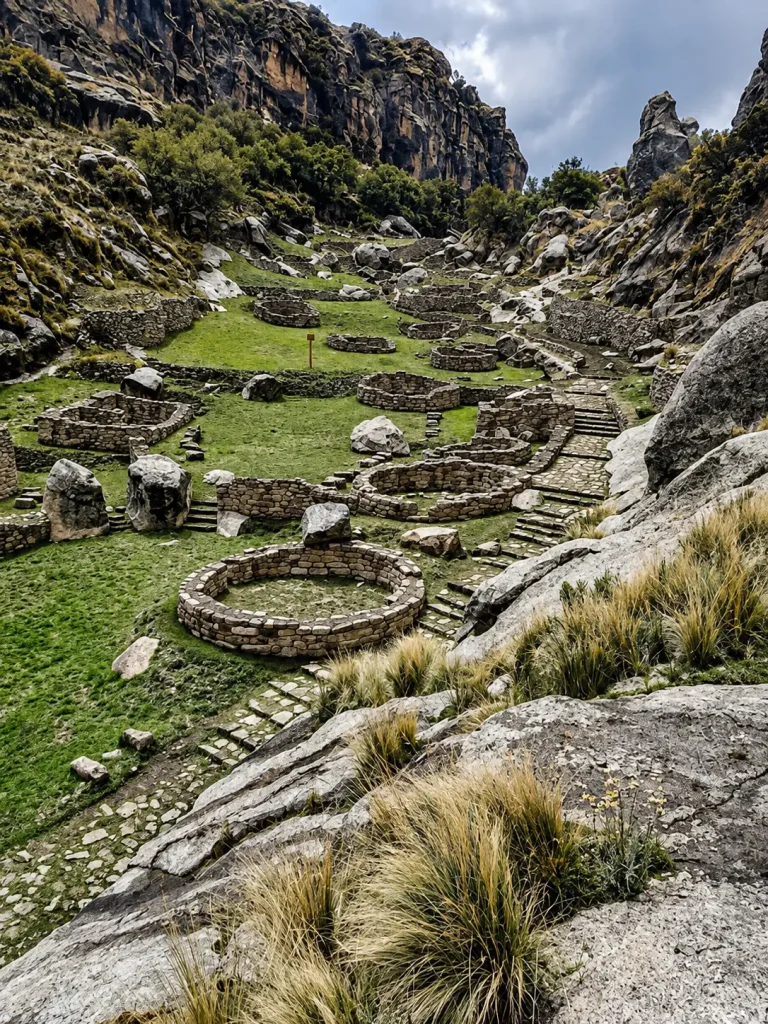
Inca Trail archaeological site

Difficulty of Inca Trail and difficulty of Salkantay Trek

Physical demand is another key aspect when analyzing Salkantay Trek vs Inca Trail. Both routes require physical endurance and adaptation to altitude. However, the level of difficulty varies depending on terrain characteristics and daily hiking distances.

Difficulty of Salkantay Trek and altitude

The difficulty of the Salkantay Trek is considered moderate to high. The route reaches mountain passes above 4,600 meters above sea level. Because of this altitude, some travelers experience fatigue, headache, or difficulty breathing. The daily hiking sections are also longer compared to other routes to Machu Picchu.

The terrain has steep ascents and sudden temperature changes. Therefore, prior physical preparation is recommended before starting the hike. Many tour operators suggest spending several days in Cusco to facilitate acclimatization. Proper hydration also helps reduce altitude-related discomfort.

Difficulty of Inca Trail and physical demands

The difficulty of the Inca Trail also represents a major challenge for many travelers. Although the route is shorter than the Salkantay Trek, there are numerous stone stairways and steep sections. The famous Warmiwañusca pass is one of the most demanding points on the route due to its altitude and steep slopes.

However, some people consider the Inca Trail slightly less physically demanding. This is because the daily distances are usually shorter. The tourist infrastructure and established campsites also partially facilitate the experience. Even so, both options require adequate physical condition to successfully complete the hike.

Permits for Inca Trail and tourist availability

One of the most important aspects within Salkantay Trek vs Inca Trail relates to space availability and booking requirements. Access to the Inca Trail is officially regulated by Peruvian authorities. For this reason, only a limited number of people can enter daily.

Permits for Inca Trail and advance planning

Permits for the Inca Trail often sell out quickly during high season. Many tourists book several months in advance to secure a spot. Access can only be done through agencies authorized by the Peruvian government.

The regulation seeks to protect archaeological heritage and reduce environmental impact on the route. However, high demand can make planning difficult for some travelers. Therefore, many people choose other hiking alternatives when they cannot get availability for the Inca Trail.

Flexibility of Salkantay Trek as an alternative route to Machu Picchu

The Salkantay Trek currently serves as an excellent alternative route to Machu Picchu due to its greater availability. Although many agencies recommend booking in advance, there are generally more spots available throughout the year. Some travelers also do this hike with less prior planning.

Flexibility also allows you to choose different types of service and trek duration. There are traditional five-day options and shorter versions adapted to different tourist profiles. Thanks to this, the Salkantay Trek has become one of the most popular hiking routes in Peru.

Campsites on the Inca Trail and services along the routes

Camping systems represent another relevant element when comparing Salkantay Trek vs Inca Trail. Both routes use specific areas for overnight rest. However, conditions and comforts can vary considerably depending on the route and the agency contracted.

Campsites on the Inca Trail and official organization

The campsites on the Inca Trail are regulated by established rules within the historic sanctuary. Authorized areas have delimited spaces for tourist groups and registered operators. There are also controls related to schedules and waste management.

Many campsites have basic services and areas for food preparation. However, conditions are usually simple due to environmental restrictions in the protected area. Because of these regulations, the route maintains a more controlled approach regarding mass tourism.

Services available during the Salkantay Trek

The Salkantay Trek offers a greater variety of tourist services compared to the Inca Trail. Some agencies include traditional campsites with basic tents. However, there are also premium options with eco-domes and more comfortable rest areas.

Certain routes also include hot showers, dining areas, and partial transport using pack horses. This diversity allows you to adapt the experience according to your budget and preferences. Therefore, many tourists consider this option more flexible within the Salkantay Trek vs Inca Trail comparison.

Best time for trekking in Cusco

The travel season directly influences the hiking experience in the Peruvian Andes. Both the Inca Trail and the Salkantay Trek have better conditions during the dry season. The weather can also considerably modify the difficulty of the route.

Dry season and favorable conditions

The best time for trekking in Cusco generally covers the months between April and October. During this period, there is less rain and greater weather stability. The trails also remain in better condition for safe walking.

The months of June and July register a higher presence of international tourists. Therefore, reservations tend to sell out faster during that season. However, the clear sky allows you to enjoy better views of mountains and Andean landscapes.

Dry season trekking in Cusco

Rainy season and weather challenges

Between November and March, rainfall increases in the Cusco region. Because of this, some trails have mud and slippery sections. Visibility can also decrease on certain days of the trek.

The Inca Trail even closes during February for maintenance and conservation work. In contrast, the Salkantay Trek continues operating partially depending on weather conditions. For this reason, some travelers consider this route more flexible during wet seasons.

Rainy season Salkantay Trek vs Inca Trail

Tours to Machu Picchu from Cusco and approximate costs

The organization of tours to Machu Picchu from Cusco varies depending on the selected route and the contracted service level. Costs also depend on trek duration, accommodation type, and the number of services included.

Costs of the Inca Trail and included services

The Inca Trail usually has higher prices due to official restrictions and high tourist demand. Many agencies include permits, meals, transportation, and tickets to Machu Picchu within the contracted package. Some services also offer porters to transport part of the luggage during the hike.

Prices and options for the Salkantay Trek

The Salkantay Trek generally offers a wider variety of prices and travel modes. There are budget services aimed at backpackers as well as premium experiences with greater comfort. Many treks also include transportation, meals, and accommodation in campsites or tourist domes.

Thanks to this flexibility, many travelers consider this option more affordable. However, the final choice depends on your budget and the type of experience you seek during the trek to Machu Picchu.

Adventure trip to Machu Picchu and ideal traveler profile

The choice between Salkantay Trek vs Inca Trail mainly depends on personal interests and traveler expectations. Some people prioritize history and archaeological heritage. Others prefer natural landscapes and more intense physical challenges.

The Inca Trail tends to attract tourists interested in Inca culture and the historical connection with Machu Picchu. The arrival through the famous Sun Gate is one of the most valued moments of the experience. On the other hand, the Salkantay Trek is ideal for those seeking an authentic adventure hike in Peru surrounded by mountains and nature.

Both alternatives offer a memorable adventure trip to Machu Picchu. However, choosing correctly depends on available time, physical condition, and personal preferences. Therefore, carefully analyzing each route’s features helps you enjoy a more satisfying experience during your journey through the Peruvian Andes.

Frequently asked questions about Salkantay Trek vs Inca Trail

1. Which route has better panoramic views during the hike?

Many travelers consider that the Salkantay Trek offers more varied and open landscapes for most of the route. The trail crosses snow-capped mountains, lagoons, and areas near the high jungle. It also allows you to observe very marked geographic changes over several consecutive days. In contrast, the Inca Trail has views more related to archaeological sites and historic paths. Both options have impressive scenery. However, those who prioritize nature and mountain panoramas usually prefer the Salkantay Trek.

2. Which route is more suitable for beginners?

The Inca Trail is often considered a more suitable alternative for people with less hiking experience. Although there are demanding sections, the daily distances are usually shorter. The tourist infrastructure also partially facilitates the experience. The Salkantay Trek has higher altitude and longer daily hikes. For that reason, many agencies recommend some prior physical preparation before doing that trek.

3. Is it possible to do both routes during the same trip?

Yes, some travelers do both routes on different trips or even within a single visit to Peru. However, it is recommended to leave several rest days between hikes due to accumulated physical effort. Acclimatization in Cusco also remains important to avoid altitude-related problems. Many tourists prefer to start with less demanding routes before doing more challenging hikes.

4. What type of luggage is recommended for these hikes?

Luggage must adapt to weather changes and long hiking days. Thermal clothing is important during cold nights in high areas. It is also recommended to bring sturdy trekking boots, a waterproof jacket, sunscreen, and a lightweight backpack. Some tour operators include porters or pack horses to transport part of the luggage. However, each traveler must carry essential personal items during the trek.

5. Which route offers a less crowded experience?

The Salkantay Trek generally offers a less congested experience for most of the year. The route crosses remote areas and large natural spaces away from large tourist groups. In contrast, the Inca Trail has limited capacity and concentrates many groups during high seasons. Therefore, those seeking greater tranquility tend to choose the Salkantay Trek as an alternative to Machu Picchu.

Discover our travel packages in Peru and let us organize the perfect adventure for you. Get a quote for your trip to Cusco today!

Salkantay Trek: The Most Impressive Adventure on the Way to Machu Picchu

The Salkantay Trek has become one of the most sought-after routes for travelers who want a different experience on the way to Machu Picchu. This hike offers varied landscapes, direct contact with nature, and a challenging journey through the Peruvian Andes. It also combines snowy peaks, high-altitude lagoons, and cloud forest zones in a single trek. For this reason, many tourists consider this experience a more complete alternative compared to other traditional hiking routes in the region. The route crosses remote areas of Cusco, where Andean communities and trails surrounded by imposing mountains still remain. Thanks to this natural diversity, the Salkantay Trek stands out among the best trekking in Cusco Peru options for those seeking adventure and authentic landscapes during their trip.

The importance of the Salkantay Trek in adventure tourism

The growth of adventure tourism in southern Peru has boosted the popularity of the Salkantay Trek in recent years. This route allows you to reach Machu Picchu via less crowded trails with greater natural contact. Additionally, the journey passes through areas historically linked to ancient routes used by Andean populations. The hike takes its name from the imposing Salkantay Peru mountain, considered one of the most important peaks in the Cusco region. This mountain reaches over 6,000 meters in altitude and dominates much of the landscape during the trek. Because of this geography, the experience offers constant climatic and visual changes. The route has also become an excellent choice for those seeking an alternative route to the Inca Trail. Many tour operators now organize Salkantay tours from Cusco, making logistics easier for domestic and international travelers.

Salkantay Trek 5 Days

Natural landscapes during the hike to Machu Picchu

One of the most valued aspects of the Salkantay Trek is the variety of natural settings present throughout the hike. The journey begins in high-Andean zones surrounded by snow-capped mountains and then gradually descends toward tropical areas near the jungle. This geographic transition makes the experience one of the most complete adventures in the Peruvian Andes. During the first days, travelers observe glaciers, ravines, and vast high-altitude plains. Later, cloud forests, coffee plantations, and tropical vegetation appear. In addition, many routes include visits to the famous Humantay Lagoon, considered one of the most important natural attractions in the area.

Humantay Lagoon and natural highlights of the route

The visit to the Humantay Lagoon tour is usually part of the first days of hiking. This lagoon sits at high altitude and stands out for the turquoise color of its waters. Access requires a short but demanding hike due to the altitude. However, the effort rewards you with one of the most photographed landscapes in the Cusco region. The area also offers panoramic views of nearby snow-capped peaks and ideal spots to rest before continuing the main route. The contrast between the lagoon and the mountains creates a visual experience very different from other hiking routes in the country.

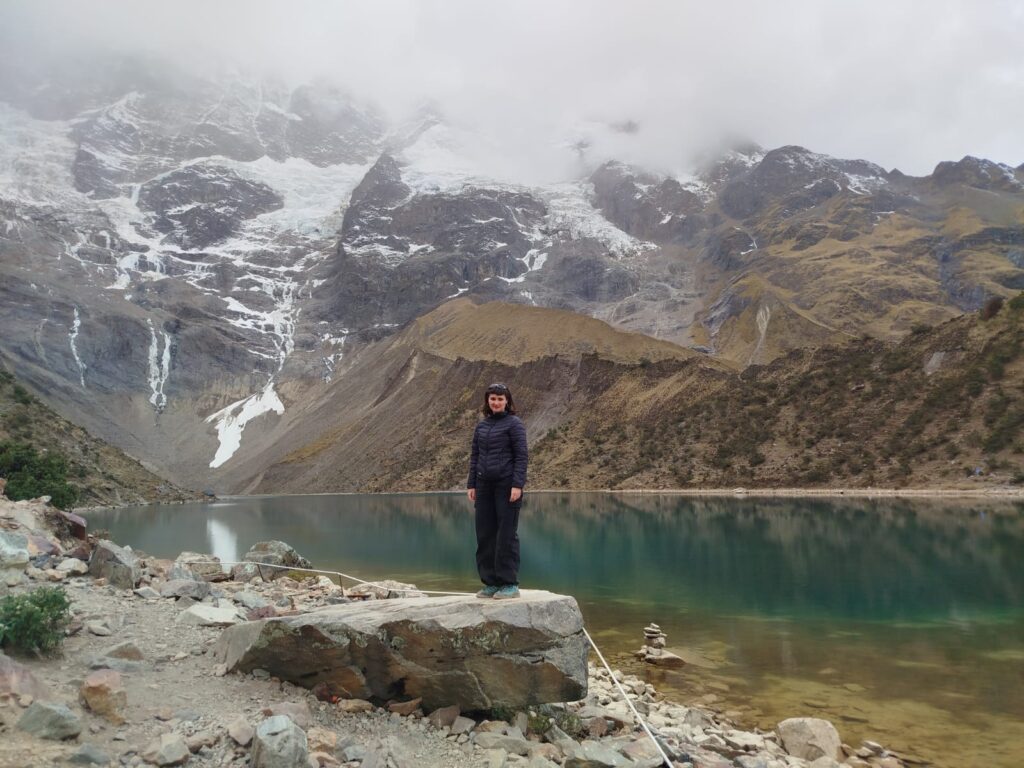
Humantay Lagoon

Salkantay 5-day route and itinerary organization

The 5-day Salkantay route is the most requested itinerary by tourists who want to complete the trek in an organized and safe way. Generally, the route starts near Mollepata and ends in Machu Picchu Pueblo before the final visit to the historic sanctuary. Each day, travelers advance through different ecosystems and pre-established campsite areas. Moreover, many agencies include transportation, meals, and specialized guides to facilitate the experience.

First days of ascent and acclimatization

The first days of the Salkantay Trek focus on gradual adaptation to altitude. The ascent to the Salkantay pass represents one of the most demanding moments of the entire route. Due to the elevation, some travelers may feel tired or have difficulty breathing. Therefore, it is important to maintain a steady pace and rest properly. Hikes usually last several hours, although the panoramic views compensate for the physical effort made during the day.

Descent to the high jungle and arrival at Machu Picchu

After crossing the highest point of the route, the landscape changes completely. The trail descends toward areas with warmer climates and abundant vegetation. Small farming communities where coffee, cacao, and tropical fruits are grown also appear. During the last days, the path gradually approaches the Aguas Calientes area, finally allowing entry to Machu Picchu. This combination of mountain and jungle makes the Salkantay Trek to Machu Picchu a very different experience compared to other traditional routes.

Difficulty of the Salkantay Trek and physical demands

The difficulty of the Salkantay Trek is considered moderate to challenging. The level of effort depends mainly on the traveler’s physical condition and adaptation to altitude. The route includes steep slopes, long hiking days, and frequent weather changes. However, it does not require technical mountaineering experience. Many people do this hike for the first time after basic physical preparation.

Physical factors during trekking in Cusco Peru

Altitude represents one of the main challenges of trekking in Cusco Peru. Some areas exceed 4,600 meters above sea level. For this reason, it is advisable to stay several days in Cusco before starting the trek. Staying well hydrated also helps reduce discomfort related to altitude sickness. Another important factor is the changing weather. During a single day, there can be intense cold in the morning and warm temperatures in the afternoon.

Salkantay Trek 5 Days mountain view

Weather on the Salkantay Trek and recommended seasons

The weather on the Salkantay Trek varies depending on the time of year and the altitude of the route. Temperatures are cold in the high areas and warmer in the sectors near the jungle. Additionally, the dry season usually offers better conditions for hiking and enjoying the landscapes with greater visibility.

Best time to do the Salkantay Trek

The best time to do the Salkantay Trek generally covers the months between April and October. During this period, there is less rain, and the trails remain in better condition. The clear sky also allows you to clearly observe the snow-capped mountains and Andean landscapes. Between June and August, the season with the highest number of tourists occurs. Therefore, many agencies recommend booking services in advance.

During the rainy season, between November and March, the trails may have mud and minor landslides. However, some travelers prefer these dates due to the lower number of tourists. The landscape also tends to look greener with abundant vegetation thanks to constant rainfall.

Campsites on the Salkantay Trek and night experience

The campsites on the Salkantay Trek are an essential part of the experience. Each resting area is strategically located to facilitate the daily progress of the groups. The campsites also allow you to enjoy the Andean landscape and share time with other travelers during the night.

Services available at the campsites

Many tour operators include tents, sleeping pads, and basic meals during the trek. Some campsites also have simple showers and dining areas. However, conditions may vary depending on the type of service contracted. There are budget options as well as premium experiences with greater comfort. Due to the remote location of certain sectors, services are usually limited compared to traditional hotels.

During the nights, temperatures drop considerably in the high areas. Therefore, wearing thermal clothing and a good sleeping bag is essential to rest properly. Some campsites also offer privileged views of the mountains and clear skies ideal for stargazing.

Salkantay High Mountain trail

What to bring on the Salkantay Trek and recommended gear

Packing correctly makes the entire Salkantay Trek experience easier. The route crosses different climates and altitudes. For this reason, your gear must adapt to constant changes in temperature and environmental conditions.

Essential clothing and accessories

Travelers usually bring light clothing for the day and thermal clothing for cold nights. Wearing sturdy trekking boots also helps you walk more safely on uneven terrain. Among the most recommended items are:

  • Comfortable and lightweight backpack
  • Waterproof jacket
  • Thermal clothing
  • Trekking boots
  • Headlamp
  • Sunscreen
  • Trekking poles
  • Hat and gloves
  • Reusable water bottle
  • Insect repellent

It is also important to include personal medications and basic hygiene items. Many people also carry external batteries to charge electronic devices during the trek.

Salkantay tours from Cusco and available options

Currently, there are numerous Salkantay tours from Cusco organized by authorized agencies. These companies offer different types of service depending on the traveler’s budget and preferences. Some options include large groups and basic services, while others offer more private and comfortable experiences.

Services included in organized tours

Most operators include transportation from Cusco, meals during the hike, professional guides, and necessary tickets to complete the route. Many agencies also provide pack horses to transport part of the luggage. This allows travelers to walk with lighter backpacks each day.

Premium services may also include eco-domes, hot showers, and specialized meals. However, costs increase depending on the level of comfort requested. Therefore, it is advisable to compare options before contracting any tourist service.

Cultural experience during the adventure trip in Cusco

The adventure trip in Cusco is not limited only to hiking. The route also allows you to observe local customs and traditional ways of life present in Andean communities. Many families work in agriculture and livestock in areas near the trail. Some travelers also have the opportunity to try local products such as artisanal coffee and typical dishes prepared in small communities.

Cultural contact adds extra value to the Salkantay Trek experience. Local guides often share information about Andean traditions, regional history, and customs related to the sacred mountains of the area. Thanks to this, the hike combines nature, adventure, and cultural learning in a single journey.

Salkantay Trek as an alternative route to the Inca Trail

Many travelers consider the Salkantay Trek the best alternative route to the Inca Trail. Unlike the traditional Inca Trail, this route does not require such limited permits or reservations made many months in advance. It also offers more varied landscapes and less congested sectors for most of the year.

Another important difference is the physical experience. The Salkantay Trek to Machu Picchu includes greater altitude changes and longer sections. However, many tourists prefer this challenge because of the closer contact with nature. The presence of campsites away from large groups also creates a quieter and more authentic experience.

Final recommendations to enjoy the Salkantay Trek

Doing the Salkantay Trek requires proper planning and basic physical preparation. Booking reliable services also helps avoid logistical problems during the route. Staying a few previous days in Cusco facilitates altitude adaptation and improves physical performance during the hike.

It is also important to stay constantly hydrated and eat light meals during the trekking. Because of the physical effort, resting properly each night considerably improves the overall experience. Therefore, choosing adequate gear and following the guide’s recommendations contributes to the success of the entire adventure.

Frequently asked questions about the Salkantay Trek

1. How many kilometers is the complete Salkantay Trek?

The complete Salkantay Trek route is approximately 70 to 75 kilometers, depending on the variant chosen and the agency contracted. Most routes take five days and combine mountain trails, rural paths, and sectors near the high jungle. The journey also includes demanding ascents and prolonged descents. The daily distance usually varies between 10 and 20 kilometers. However, the physical effort depends more on altitude than on the total distance traveled. For this reason, many people consider it important to acclimate in Cusco before starting the hike.

2. Is it necessary to hire a guide to do the Salkantay Trek?

Although some travelers do the route on their own, hiring a guide is highly recommended. Guides know the routes, weather conditions, and authorized campsites. They also help solve problems related to altitude and coordinate important logistical aspects during the hike. Many agencies also include meals, transportation, and necessary tickets to reach Machu Picchu. Therefore, contracting an organized service allows you to enjoy the experience with greater peace of mind and safety.

3. What is the recommended age to do the Salkantay Trek?

There is no exact age to do the Salkantay Trek, although physical condition does represent an important factor. Many young people complete the route without difficulty. However, there are also older travelers who successfully complete the hike after proper preparation. Some tour operators also accept children accompanied by responsible adults. The most important thing is to evaluate physical endurance, adaptation to altitude, and the ability to walk long distances for several consecutive days.

4. Do you need a special permit to enter the Salkantay Trek?

The Salkantay Trek does not require limited permits as the traditional Inca Trail does. However, you do need to purchase the corresponding ticket to enter Machu Picchu. Many agencies include this ticket in the contracted tourist package. Some services also manage train transportation from nearby sectors to Aguas Calientes. Due to high tourist demand during the dry season, it is recommended to book in advance to ensure availability.

5. Are there risks related to altitude during the trek?

Yes, some travelers may experience symptoms related to altitude during the Salkantay Trek. Headaches, fatigue, and difficulty breathing are common discomforts during the first days. However, most symptoms decrease with rest, hydration, and progressive adaptation. Staying previously in Cusco helps considerably reduce risks. Walking slowly and avoiding sudden efforts also improves physical adaptation during the trek. In more severe cases, guides usually take preventive measures and coordinate appropriate assistance.

Discover our travel packages in Peru and let us organize the perfect adventure for you. Get a quote for your trip to Cusco today!

Special Inca Trail

Best time to hike the Inca Trail: complete guide and recommendations

Choosing the Best time to hike the Inca Trail is a decisive factor for those who want to explore this historic route to Machu Picchu. This trek combines nature, culture, and physical challenge, therefore selecting the right moment directly impacts the experience. The Weather in Cusco and Machu Picchu shows marked variations throughout the year, which influences safety and comfort during the journey. In addition, aspects such as Inca Trail availability, permits, and physical preparation must also be considered. Because of these factors, planning ahead helps avoid problems and makes the most of the trip. The Best time to hike the Inca Trail depends on both the weather and the type of experience each traveler is seeking.

Weather in Cusco and Machu Picchu and its relationship with the best time to hike the Inca Trail

The Weather in Cusco and Machu Picchu is characterized by two clearly defined seasons. The dry season runs from May to September, while the rainy season occurs between November and March. The Best time to hike the Inca Trail usually coincides with the dry season, as it offers more stable conditions for hiking. During these months, rainfall is minimal, which makes progress along the trails easier.

However, temperatures can drop at night, especially at higher altitudes. Therefore, it is necessary to bring proper cold-weather clothing. In contrast, the rainy season presents frequent precipitation that can make the route more difficult. Because of this, some sections become slippery and require greater caution. Nevertheless, the landscape becomes greener and visually appealing. The Best time to hike the Inca Trail will depend on the preference between dry weather or fewer tourists.

Special Inca Trail

Differences between dry and rainy seasons on the Inca Trail

Dry season and advantages for trekking

During the dry season, the classic 4-day Inca Trail offers ideal hiking conditions. The trails remain firm and panoramic views are clear. In addition, weather stability reduces risks during the journey. The Best time to hike the Inca Trail for those seeking safety and visibility is usually during these months.

However, this season coincides with the highest number of visitors. Therefore, Inca Trail availability is limited and permits sell out quickly. In addition, prices tend to be higher due to demand.

Rainy season and trail conditions

During the rainy season, the trails can present mud and constant humidity. This increases the difficulty of the route and requires more physical effort. However, the number of visitors decreases, allowing for a more peaceful experience.

In addition, February is a particular month, as the trail is closed for maintenance. Because of this, trekking is not possible during that period. The Best time to hike the Inca Trail for those seeking fewer crowds may include months such as March or April.

Inca Trail availability and trip planning

Inca Trail availability is one of the most important factors when planning the trip. Access is limited to approximately 500 people per day, including guides and porters. Therefore, securing a permit requires advance organization.

For those planning to book Inca Trail tour 2026, it is recommended to do so several months in advance. During peak season, permits can sell out up to six months ahead. In addition, access to the trail is only possible through authorized agencies.

The Best time to hike the Inca Trail is also related to permit availability. If planning to travel during popular months, booking early is essential. Therefore, planning is key to securing access.

Inca Trail permits and requirements to hike to Machu Picchu

Inca Trail permits are mandatory and regulated by the Peruvian government. Each permit is linked to the traveler’s passport, ensuring controlled access. The requirements to hike to Machu Picchu include complying with specific regulations established by authorities.

  • Valid passport
  • Reservation with an authorized agency
  • Adequate physical condition
  • Recommended travel insurance

In addition, permits are personal and non-transferable. Because of this, any error in the information can prevent entry. The Best time to hike the Inca Trail must also consider permit availability.

Special Inca Trail

Physical difficulty of the Inca Trail and altitude advice

The physical difficulty of the Inca Trail is moderate to high. The route includes long ascents and demanding descents. In addition, altitude represents a significant challenge for many travelers.

The highest point exceeds 4,200 meters. Therefore, acclimatization in Cusco is essential before starting the trek. Inca Trail altitude tips include staying at least two days in the city to adapt.

  • Prior physical training
  • Constant hydration
  • Gradual walking pace
  • Proper rest

The Best time to hike the Inca Trail influences difficulty, as rain can increase the effort required.

Essential packing for the Inca Trail and trekking clothing in Peru

The packing list for the Inca Trail must be light but complete. Weather conditions change quickly, therefore preparation is important. Trekking clothing in Peru should include a layering system to adapt to temperature changes.

  • Waterproof jacket
  • Thermal clothing
  • Trekking boots
  • Comfortable backpack
  • Sunscreen
  • Insect repellent

In addition, porters carry part of the equipment, but each traveler must carry personal items. The Best time to hike the Inca Trail influences packing decisions.

Inca Trail tour prices and influencing factors

Inca Trail tour prices vary depending on service and season. The classic 4-day Inca Trail typically costs between 500 and 900 dollars per person.

  • Service level
  • Group size
  • Included equipment
  • Travel season

During peak season, prices usually increase. Therefore, booking in advance can help save money. The Best time to hike the Inca Trail also impacts the total budget.

Best month to visit Machu Picchu and enhance the experience

The best month to visit Machu Picchu is usually between May and September. During these months, weather conditions are more stable and rainfall is minimal. However, visitor numbers are higher.

In addition, April and October offer a balance between weather and tourism. Because of this, they are considered recommended shoulder months. The Best time to hike the Inca Trail largely overlaps with these periods.

On the other hand, rainy months offer fewer tourists but require more preparation. Therefore, the choice depends on personal preferences.

Trekking to Machu Picchu tips and overall planning

Trekking to Machu Picchu tips help improve the overall experience. Preparation is essential to avoid issues.

  • Arrive in Cusco early
  • Choose reliable agencies
  • Stay hydrated
  • Follow guide instructions
  • Respect the environment

In addition, the Inca Trail is a protected heritage site. Therefore, regulations must be followed. The Best time to hike the Inca Trail also affects planning.

When to go to the Inca Trail based on traveler preferences

Deciding when to go to the Inca Trail depends on personal priorities. Each season offers different advantages.

  • Dry season for stable weather
  • Shoulder season for balance
  • Avoid February due to closure

The Best time to hike the Inca Trail varies depending on the desired experience. Therefore, evaluating all factors is essential.

Special Inca Trail

Frequently asked questions about the Best time to hike the Inca Trail

1. How many kilometers is the full Inca Trail?

The classic 4-day Inca Trail is approximately 42 kilometers long. The distance is distributed over four days, allowing gradual progression. In addition, the route includes important archaeological sites and varied landscapes. The distance may seem short, but altitude and elevation gain increase the difficulty. Therefore, prior preparation is recommended.

2. Is it possible to hike the Inca Trail during heavy rain?

Yes, it is possible to continue trekking in the rain, but it increases difficulty. It is essential to bring waterproof clothing and proper gear for protection. In addition, trails can become slippery, requiring extra caution. Guides usually adjust the pace based on conditions. Therefore, preparation is key to handling these situations.

3. Is there internet signal on the Inca Trail?

There is no stable signal for most of the route. Some areas may have limited coverage, but it is not reliable. Therefore, it is recommended to inform family members in advance. In addition, disconnecting can enhance the trekking experience. Communication mainly occurs within the group and with guides.

4. What type of food is provided during the trek?

Agencies provide complete and balanced meals during the trek. These include breakfast, lunch, and dinner prepared by cooks. In addition, special diets can be accommodated if requested in advance. Nutrition is essential to maintain energy during the hike. Therefore, it is a well-organized aspect of the experience.

5. Is it necessary to carry cash during the Inca Trail?

Yes, it is recommended to carry cash in local currency. There are no ATMs or electronic payments during the trek. In addition, it is used for tips or small purchases. Therefore, bringing an appropriate amount before starting is important.

Discover our travel packages in Peru and let us organize the perfect adventure for you. Get a quote for your trip to Cusco today!

Special Inca Trail

Best time to hike the Inca Trail: book in advance and physical preparation

Choosing the Best time to hike the Inca Trail not only defines the weather you will encounter, but also the availability of permits, the level of difficulty, and the overall experience toward Machu Picchu. This route is one of the most regulated in Peru, with limited daily permits that require early planning. Therefore, it is not enough to decide when to travel; it is also necessary to understand how seasonality, tourist demand, and physical preparation affect the trek. Many travelers make the mistake of focusing only on the weather without considering logistics or difficulty. As a result, they face avoidable problems. Understanding the Best time to hike the Inca Trail allows for more strategic decisions and a safer, more controlled experience.

Weather conditions on the Inca Trail and their impact on the experience

The Inca Trail crosses different microclimates due to its geography. This means weather can change even within the same day. However, there are two main seasons that shape the experience: dry and rainy.

During the dry season, from May to October, days are usually more stable with clear skies. This improves visibility at key points along the trail. In addition, paths remain in better condition, making hiking easier. However, this stability attracts more travelers. As a result, demand for permits increases significantly.

On the other hand, the rainy season, from November to March, brings wetter and more variable conditions. Rainfall can be frequent and affect trail conditions. Despite this, the landscape becomes greener and less crowded. It is important to note that February is closed for maintenance.

Evaluating these conditions is essential to define the Best time to hike the Inca Trail based on your travel priorities.

Special Inca Trail

Advance booking as a key factor for the trip

One of the most critical aspects of the Inca Trail is the limited availability of permits. Access is restricted to a specific number of visitors per day. Therefore, advance booking is mandatory.

During peak months, especially in the dry season, permits can sell out up to six months in advance. This means waiting too long can leave you without options. In addition, permits can only be purchased through authorized agencies, which adds another level of planning.

Ignoring this factor is one of the most common mistakes. Choosing the Best time to hike the Inca Trail without securing permits in advance can make the trek impossible. Therefore, planning must begin well ahead of the trip.

Realistic physical preparation to complete the Inca Trail

The Inca Trail is not just a sightseeing route, but a demanding trek that combines distance, altitude, and uneven terrain. Therefore, physical preparation must be part of the process.

The route includes long ascents, technical descents, and several hours of hiking each day. This requires cardiovascular endurance and muscular strength, especially in the legs. However, it is not about reaching elite athletic performance, but preparing progressively.

A basic routine may include long walks, endurance training, and practicing on inclines. In addition, getting used to carrying a light backpack is recommended. This preparation reduces physical strain during the trek.

Understanding the Best time to hike the Inca Trail also involves evaluating whether your physical condition matches the demands of the route.

Acclimatization in Cusco as an essential step

Before starting the Inca Trail, acclimatization in Cusco is not optional. The city is located above 3,300 meters, which can affect any traveler without prior altitude experience.

The body needs time to adapt to lower oxygen levels. For this reason, it is recommended to stay at least two days in the city before beginning the trek. During this period, it is important to keep activities light and stay hydrated.

Some travelers may experience altitude sickness symptoms, such as fatigue or headaches. Although usually mild, they can affect performance during the trek.

The Best time to hike the Inca Trail also depends on proper acclimatization beforehand.

Gear according to season and trail conditions

The gear you bring directly affects your comfort and safety during the trek. Due to changing weather conditions, preparation for different scenarios is necessary.

Some essential items include:

  • Layered clothing to adjust to temperature changes
  • Waterproof jacket for unexpected rain
  • Sturdy trekking boots with support
  • Lightweight and comfortable backpack
  • Sunscreen and insect repellent

During the dry season, sun protection is key. In contrast, during the rainy season, waterproof gear becomes more important. Choosing the Best time to hike the Inca Trail helps define this equipment.

Practical differences between dry and rainy seasons

Each season offers a different experience. Therefore, the choice depends on the type of trip you want.

The dry season allows more stable hiking conditions and better views. However, it also means more tourists and limited availability.

In contrast, the rainy season offers a quieter environment and greener landscapes. However, trail conditions can be more challenging.

There is no universally better option. The Best time to hike the Inca Trail will depend on your expectations and preparation level.

Strategies to improve the Inca Trail experience

Beyond the season, there are practices that improve the trek and reduce risks.

Maintaining a steady pace helps conserve energy throughout the journey. In addition, staying hydrated improves physical performance. Listening to the guide is also essential, as they understand trail conditions.

Another key aspect is mental attitude. The trek can be demanding, but a positive mindset helps adaptation.

Applying these strategies complements choosing the Best time to hike the Inca Trail.

Common mistakes that affect the Inca Trail experience

There are common mistakes that can seriously affect the experience. One of the most critical is not booking in advance. Another frequent issue is underestimating the physical demands.

It is also common to ignore acclimatization or not check weather conditions before traveling. These factors can lead to avoidable problems.

Avoiding these mistakes is just as important as choosing the Best time to hike the Inca Trail.

Special Inca Trail

Frequently asked questions about Best time to hike the Inca Trail

1. What is the recommended minimum age for the Inca Trail?

There is no strict minimum age, but participants should have sufficient physical endurance. In addition, they must be able to adapt to altitude and long hikes.

2. Can the Inca Trail be done without trekking experience?

Yes, it is possible, but not ideal. Previous hiking experience helps understand the effort required and reduces excessive fatigue.

3. What type of backpack is recommended for the Inca Trail?

A lightweight and ergonomic backpack is recommended. It should distribute weight properly and be comfortable for long hours.

4. Is it necessary to carry cash during the trek?

Yes, carrying cash is recommended. It may be useful for tips or small additional expenses during the trek.

5. What happens if I cannot complete the Inca Trail?

If you cannot continue, the logistics team can assist with alternatives. However, proper preparation minimizes this possibility.

Discover our travel packages in Peru and let us organize the perfect adventure for you. Get a quote for your trip to Cusco today!

Humantay

Visiting Humantay Lake in high season: major challenges and recommendations to enjoy your adventure

Visiting Humantay Lake in high season is a highly demanded experience for travelers exploring the region of Cusco. This natural destination is located at high altitude and offers unique Andean landscapes. However, during the months of highest tourist flow, the route presents additional challenges. Therefore, understanding the real conditions of the environment allows better planning of the visit. In addition, the combination of altitude, weather, and a large number of visitors can affect the experience. As a result, many travelers do not fully enjoy the journey. Understanding the challenges and applying practical recommendations allows you to optimize the trip. This guide provides clear and useful information for those who want to visit Humantay Lake in high season with greater safety and organization.

Characteristics of Humantay Lake and high season context

Humantay Lake is located at more than 4,200 meters above sea level. This destination is part of the route to the Salkantay Mountain, one of the most representative peaks in the area. Therefore, access involves considerable physical effort. In addition, the route includes an uphill hike from the starting point.

The high season mainly coincides with the dry months between May and August. During this period, tourist demand increases significantly. As a result, the number of daily visitors is much higher. However, weather conditions are usually more stable.

Visiting Humantay Lake in high season involves facing greater congestion on the trail. In addition, tourist services often operate at full capacity. Therefore, it is important to anticipate these factors when planning the trip.

Visiting Humantay Lake in high season

Main challenges when visiting Humantay Lake in high season

Visiting Humantay Lake in high season presents several challenges that must be considered in advance. These can affect both the experience and the traveler’s physical performance.

Altitude and physical effort

Altitude is one of the main challenges. At over 4,000 meters, oxygen levels are lower. Therefore, many visitors experience fatigue or discomfort. In addition, the uphill hike requires constant effort.

High concentration of tourists

During high season, the number of visitors increases considerably. As a result, the trails can become crowded. In addition, spaces around the lake tend to fill up quickly.

Trail conditions

The path to the lake can be uneven and steep. Although the weather is drier, the terrain can be dusty. This can make hiking more difficult for some travelers.

Logistics and tight schedules

Tours usually follow strict schedules. Therefore, there is little room for extended breaks. In addition, time at the lake may be limited.

Understanding these challenges is key to preparing properly before visiting Humantay Lake in high season.

Physical preparation and acclimatization in Cusco

Physical preparation is essential to handle the hike to Humantay Lake. The walk requires endurance and adaptation to effort. Therefore, prior physical activity is recommended.

In addition, acclimatization in Cusco is fundamental. The city is located at high altitude, which allows the body to adapt gradually. It is recommended to stay at least one or two days before taking the excursion.

During this period, it is important to rest and stay hydrated. Some travelers may experience symptoms of altitude sickness. However, these usually decrease over time.

Visiting Humantay Lake in high season without proper acclimatization can affect physical performance. Therefore, this step is key to enjoying the experience.

Humantay

What to bring to Humantay Lake in high season

Having the right equipment significantly improves the experience. Knowing what to bring to Humantay Lake in high season helps you better handle environmental conditions.

Clothing and protection

  • Layered clothing to adapt to temperature changes
  • Windproof or waterproof jacket
  • Hat and light gloves
  • Sunglasses and sunscreen

Basic equipment

  • Comfortable backpack
  • Reusable water bottle
  • Energy snacks
  • Trekking poles

Personal items

  • Identification document
  • Cash
  • Personal medications

Preparing in advance helps avoid problems during the hike. In addition, it reduces the impact of weather conditions.

Tips to enjoy Humantay Lake in high season

There are several recommendations that help improve the experience when visiting Humantay Lake in high season. Applying these tips allows you to optimize time and reduce difficulties.

  • Start the hike early to avoid crowds
  • Maintain a steady pace during the ascent
  • Stay hydrated regularly
  • Respect the natural environment
  • Follow the guide’s instructions

In addition, it is important to listen to your body and take breaks when necessary. Pushing too hard can affect the experience. Therefore, it is recommended to progress gradually.

Tours to Humantay Lake from Cusco and trip organization

Tours to Humantay Lake from Cusco are the most common option for visitors. These include transportation, a guide, and basic meals. Therefore, they simplify trip logistics.

However, during high season, demand is high. As a result, it is recommended to book in advance. In addition, some tours may be faster than others.

Choosing a reliable operator is key to ensuring a safe experience. Visiting Humantay Lake in high season requires good organization from the beginning of the trip.

Common mistakes when visiting Humantay Lake in high season

Many travelers make mistakes that affect their experience. Identifying these mistakes helps avoid them and improve the journey.

One of the most frequent mistakes is underestimating the altitude. This can cause discomfort during the hike. Another mistake is not bringing enough water.

It is also common not to consider the weather. Although it is the dry season, conditions can change. As a result, it is important to be prepared.

Visiting Humantay Lake in high season involves avoiding these mistakes. Proper planning significantly improves the experience.

Humantay

Frequently asked questions about Visiting Humantay Lake in high season with tip

1. Can you rent a horse to go up to Humantay Lake?

Yes, at the start of the route it is possible to hire horses. These help reduce physical effort during the ascent. However, they do not always reach the lake. In addition, it is important to coordinate in advance with local operators.

2. How long does the hike to Humantay Lake take?

The hike usually takes between one and two hours uphill. This depends on the traveler’s pace and physical condition. The descent is usually faster, but it also requires caution.

3. Is the visit suitable for older adults?

The visit can be done by older adults with good physical condition. However, it is important to evaluate the altitude and required effort. In some cases, using a horse can be an alternative.

4. Can you visit Humantay Lake without a tour?

Yes, it is possible to go on your own. However, it requires more organization in terms of transport and logistics. Tours offer a more convenient option for most travelers.

5. How cold is it at Humantay Lake?

Temperatures can be low, especially in the morning. Although it is the dry season, the weather can vary. Therefore, it is recommended to bring warm clothing.

Discover our travel packages in Peru and let us organize the perfect adventure for you. Get a quote for your trip to Cusco today!


Salkantay High Mountain

How to prepare for Salkantay Trekking: packing list and tips everyone looks for

Preparing properly for the Salkantay Trekking is essential to enjoy one of the most demanding routes to Machu Picchu. This route crosses different ecological zones, from high Andean areas to high jungle. Therefore, it requires careful planning and proper physical adaptation. In addition, weather conditions can change quickly along the route. However, many travelers underestimate these factors and face unnecessary difficulties. As a result, having a clear packing list and practical tips makes a difference. Understanding how to prepare for the Salkantay Trekking helps avoid common mistakes and improves the overall experience. This guide gathers useful, updated information aimed at travelers seeking safety, organization, and efficiency during their adventure.

Characteristics of Salkantay Trekking and difficulty level

The Salkantay Trekking is one of the most popular alternative routes to Machu Picchu. This trek usually lasts between four and five days, depending on the itinerary. In addition, it reaches altitudes above 4,600 meters above sea level. Therefore, it involves considerable physical effort.

During the journey, travelers pass through different ecosystems. These include snow-capped mountains, valleys, and jungle areas. Due to this variety, weather conditions can change within hours. However, this diversity also offers unique landscapes.

The difficulty level is moderate to high. This depends on the traveler’s physical condition and altitude adaptation. Therefore, prior preparation is recommended. Understanding these characteristics is key to knowing how to prepare for the Salkantay Trekking properly.

How to prepare for Salkantay Trekking 5 Days

Physical preparation for Salkantay Trekking

Physical preparation is one of the most important aspects before starting the Salkantay Trekking. This route includes long daily hikes and steep ascents. Therefore, good cardiovascular endurance is necessary.

It is recommended to start training at least one month before the trip. Activities such as long walks, jogging, or cycling help improve endurance. In addition, practicing on inclined terrain is useful.

It is also important to strengthen the legs and improve balance. This reduces the risk of injuries during the trek. However, it is not necessary to be a professional athlete. Consistent preparation is enough to complete the route.

Knowing how to prepare for the Salkantay Trekking includes adapting the body to the demands of the route. This allows you to enjoy the experience more safely.

Altitude acclimatization in Cusco before the trek

Acclimatization is essential before starting the Salkantay Trekking. The city of Cusco is located at more than 3,300 meters above sea level. Therefore, the body needs time to adapt.

It is recommended to stay at least two days in Cusco before beginning the hike. During this time, it is important to rest and avoid intense effort. In addition, staying hydrated is suggested.

Some travelers may experience symptoms of altitude sickness. These include headache, fatigue, or nausea. However, they usually disappear over time.

Understanding how to prepare for the Salkantay Trekking involves considering acclimatization as an essential stage. This reduces risks and improves performance during the trek.

Packing list for Salkantay Trekking

Having an adequate list is key to the success of the Salkantay Trekking. Equipment must adapt to changing weather and terrain conditions. Therefore, it is important to bring what is necessary without overloading the backpack.

Clothing

  • Waterproof jacket
  • Thermal clothing
  • Breathable t-shirts
  • Trekking pants
  • Gloves and hat
  • Extra clothing

Footwear and accessories

  • Sturdy trekking boots
  • Comfortable socks
  • Light sandals for rest
  • Trekking poles

Essential gear

  • Comfortable backpack
  • Headlamp
  • Reusable water bottle
  • Sunscreen
  • Insect repellent
  • Quick-dry towel

Personal items

  • Identification documents
  • Cash
  • Personal medications
  • Toilet paper

Knowing how to prepare for the Salkantay Trekking involves carrying balanced equipment. This allows you to handle different conditions without problems.

Salkantay High Mountain

Weather on Salkantay Trekking and best season

The weather during the Salkantay Trekking varies depending on the season. There are two main seasons: dry and rainy. Therefore, choosing the right time affects the experience.

The dry season occurs between May and October. During these months, rainfall is scarce and days are usually more stable. However, nights can be cold.

The rainy season extends from November to April. During this period, rainfall is frequent. As a result, trails can become slippery.

Knowing how to prepare for the Salkantay Trekking includes choosing the right season. This helps reduce risks and improve trekking conditions.

Food and hydration during the trek

Food is a key factor during the Salkantay Trekking. The body needs constant energy to handle daily hikes. Therefore, it is important to consume nutritious meals.

Trekking agencies usually include meals in their services. These are designed to provide energy and ease digestion. However, it is recommended to bring additional snacks.

Hydration is also essential. It is recommended to drink water regularly during the trek. In addition, purification tablets can be used if necessary.

Understanding how to prepare for the Salkantay Trekking involves taking care of nutrition and hydration. This improves performance and reduces fatigue.

Tips for traveling Salkantay Trekking safely

There are several tips that help improve the experience on the Salkantay Trekking. These are especially useful for those doing this route for the first time.

  • Follow your own pace and avoid rushing
  • Listen to the guide’s instructions
  • Rest properly each night
  • Maintain a positive attitude during the trek
  • Respect the natural environment

In addition, it is important to hire reliable services when traveling with an agency. This ensures safety and organization. Knowing how to prepare for the Salkantay Trekking also involves choosing providers carefully.

Common mistakes when preparing for Salkantay Trekking

Many travelers make mistakes when organizing their trek. These can significantly affect the experience.

One of the most common mistakes is carrying unnecessary luggage. This increases weight and makes walking more difficult. Another mistake is not preparing physically.

It is also common not to consider acclimatization. As a result, some travelers experience altitude sickness. In addition, not checking the weather can cause problems.

Knowing how to prepare for the Salkantay Trekking involves avoiding these mistakes. Proper planning improves the experience.

Salkantay

Frequently asked questions about How to prepare for Salkantay Trekking

  1. Is previous experience required to do the Salkantay Trekking?
    It is not mandatory to have previous experience. However, having good physical condition is recommended. In addition, having done similar hikes is helpful. This makes it easier to adapt to the effort.
  2. Is it possible to do the Salkantay Trekking without a guide?
    Yes, it is possible to do the trek independently. However, it requires more planning. In addition, having experience in mountain routes is recommended. Traveling with a guide offers greater safety.
  3. Is there cellphone signal during the trek?
    Signal is limited in most parts of the route. In some areas there may be partial coverage. However, it is not consistent. Therefore, it is recommended to inform family before the trip.
  4. Can equipment be rented in Cusco?
    Yes, in Cusco there are stores that rent trekking equipment. This includes poles, backpacks, and specialized clothing. It is a useful option for those who do not want to buy everything.
  5. What happens in case of emergency during the trek?
    Agencies have emergency protocols. This includes first aid and evacuation. However, on independent routes, response may be more limited. Therefore, it is important to be prepared.

Discover our travel packages in Peru and let us organize the perfect adventure for you. Get a quote for your trip to Cusco today!

Machu Picchu & Amazon Basin

Best time to visit Machu Picchu: tips and recommendation

Choosing the Best time to visit Machu Picchu is one of the most important decisions when planning a trip to this iconic destination in Peru. The climate, the number of tourists, and the terrain conditions directly influence the experience. Therefore, understanding climate and tourist variations throughout the year allows better itinerary planning. In addition, access is regulated with schedules and daily limits, which requires advance planning. However, many travelers do not consider these factors and face heavy rain or high congestion. As a result, the experience may be affected. Analyzing when to travel to Machu Picchu helps avoid mistakes and optimize each stage of the trip. This guide gathers clear, updated, and useful information to help you make an informed decision based on your travel goals.

Climate in Machu Picchu by months and main seasons

The climate in Machu Picchu by months presents two well-defined seasons that determine the Best time to visit Machu Picchu. These seasons are the dry and rainy periods, each with specific characteristics that affect the visitor experience.

Dry season in Machu Picchu

The dry season in Machu Picchu extends from May to October. During this period, rainfall is scarce and days are usually more stable. In addition, clear skies favor visibility of landscapes and archaeological structures. Therefore, it is an ideal time for outdoor activities and photography. However, it also coincides with the highest tourist flow of the year. As a result, ticket and service availability may be limited without advance booking.

Rainy season in Machu Picchu

The rainy season in Machu Picchu occurs between November and April. During these months, rainfall is frequent and can be intense. This can create slippery paths and reduced visibility. However, the natural environment becomes greener and more lush. In addition, there are fewer tourists, which allows a more relaxed experience. Choosing the Best time to visit Machu Picchu involves evaluating whether dry weather or fewer visitors is preferred.

Machu Picchu in high season and low season

The difference between Machu Picchu in high season and Machu Picchu in low season directly affects the traveler’s experience. Therefore, it is important to analyze both options before deciding the Best time to visit Machu Picchu.

High season is concentrated between June and August, along with important holidays. During this period, tourist demand increases significantly. This creates higher occupancy in trains, hotels, and tours. In addition, prices usually rise. However, the weather is more stable and dry.

In contrast, low season coincides with the rainy period. During these months, the number of visitors decreases. As a result, it is possible to find greater availability and more affordable prices. In addition, the atmosphere is more relaxed. However, rainfall can affect some activities.

Choosing the Best time to visit Machu Picchu depends on balancing climate comfort and tourist flow.

Best month to go to Machu Picchu based on travel type

The best month to go to Machu Picchu varies depending on the type of experience desired. There is no single correct answer for all travelers. Therefore, it is important to analyze personal goals and travel conditions.

May and September are considered transitional months. During these periods, the weather is relatively dry and there are fewer tourists than in high season. This allows visitors to enjoy the site with greater comfort. In addition, photography conditions are often favorable.

June, July, and August offer more stable weather conditions. However, they also present higher tourist congestion. As a result, planning must be done further in advance.

January and February are the rainiest months. However, the landscape is greener and tourist flow is lower. Choosing the Best time to visit Machu Picchu involves considering these differences and adjusting plans accordingly.

Easy Inca Trail 2 Days

How to get to Machu Picchu and travel planning

Understanding how to get to Machu Picchu is essential for proper travel organization. Most visitors begin their journey from the city of Cusco. From there, a train is taken to Aguas Calientes, the main access point.

Tours to Machu Picchu from Cusco are a practical option. They include transportation, tickets, and a guide. Therefore, they simplify logistics, especially for first-time visitors. However, it is also possible to organize the trip independently.

Choosing the Best time to visit Machu Picchu affects transport availability. During high season, tickets may sell out quickly. Therefore, advance booking is recommended.

In addition, it is important to consider acclimatization in Cusco. The altitude can cause discomfort for some travelers. As a result, it is recommended to stay at least one day before continuing to Machu Picchu.

Machu Picchu visiting hours and entry organization

The Machu Picchu visiting hours are structured in defined time slots to control visitor flow. This system aims to preserve the archaeological site and improve the experience.

Entries begin early in the morning and continue into the afternoon. Each visitor must respect the assigned time on their ticket. Entry outside the scheduled time is not allowed. Therefore, punctuality is essential.

Choosing the Best time to visit Machu Picchu also influences the experience depending on the time slot. During the dry season, mornings are usually clearer. In the rainy season, fog is more common in early hours.

In addition, it is important to consider the duration of the visit. Some circuits require more time. Therefore, selecting the right time slot helps maximize the experience.

Routes to visit Machu Picchu and travel experience

The routes to visit Machu Picchu are organized into specific circuits that define the path within the site. Each circuit offers a different perspective of the archaeological complex.

Choosing the Best time to visit Machu Picchu also affects route selection. During the rainy season, some paths may become more difficult. As a result, it is recommended to choose less demanding routes.

During the dry season, conditions are more favorable for exploring all routes. However, there are also more visitors. Therefore, planning ahead is important.

Proper route selection helps optimize time and improve the experience. In addition, it prevents setbacks during the visit.

Entrance prices to Machu Picchu and budget planning

The entrance prices to Machu Picchu vary depending on the type of ticket and visitor category. There are different rates for adults, students, and national visitors.

In addition, some tickets include access to mountains or special routes. Availability depends on the season. During high season, tickets sell out quickly. Therefore, advance purchase is necessary.

Choosing the Best time to visit Machu Picchu also impacts the budget. Costs for accommodation, transport, and services vary based on demand. As a result, early planning helps optimize expenses.

Recommendations for visiting Machu Picchu and practical tips

There are various recommendations for visiting Machu Picchu that improve the overall experience. These suggestions are especially useful for first-time visitors.

Main tips for traveling to Machu Picchu Peru include:

  • Book tickets in advance
  • Carry valid identification documents
  • Respect assigned schedules
  • Consider hiring an authorized guide
  • Arrive with enough time

In addition, it is important to follow site rules. This includes staying on marked paths and avoiding actions that may damage the heritage. Choosing the Best time to visit Machu Picchu is important, but preparation is also key.

What to bring to Machu Picchu depending on the season

Knowing what to bring to Machu Picchu allows better adaptation to weather conditions. Equipment should vary depending on the chosen season.

During the dry season, sun protection is recommended. This includes a hat, sunglasses, and sunscreen. In addition, it is important to carry enough water.

During the rainy season, it is essential to bring a rain jacket or poncho. Proper footwear for wet surfaces is also recommended. As a result, the risk of accidents is reduced.

Choosing the Best time to visit Machu Picchu directly influences packing decisions. Proper preparation improves the overall experience.

Common mistakes when choosing the Best time to visit Machu Picchu

Many travelers make mistakes when planning their visit. These can affect the quality of the trip. Therefore, it is important to identify them.

One of the most common mistakes is not checking the weather. This can create unexpected problems. Another mistake is not booking in advance during high season.

It is also common not to consider available time. Some travelers plan very short visits. As a result, they do not fully enjoy the experience.

Choosing the Best time to visit Machu Picchu involves avoiding these mistakes and planning carefully.

Great Machu Picchu

Frequently asked questions about Best time to visit Machu Picchu

1. Is it better to travel alone to Machu Picchu or in a group?

Traveling alone allows greater flexibility in itinerary and pace. However, traveling in a group can simplify logistics and reduce some costs. In addition, organized tours include a guide, which improves understanding of the site. The choice depends on travel style and prior experience.

2. How much time is recommended to stay in Machu Picchu?

The recommended time varies depending on the chosen circuit. In general, a visit can last between two and four hours. However, some travelers prefer to spend more time exploring calmly. This depends on interest in history, photography, or additional hikes.

3. Can the entry date to Machu Picchu be changed?

Change policies depend on the type of ticket purchased. In many cases, changes are not allowed or have strict restrictions. Therefore, it is important to review conditions before buying.

4. How physically demanding is a visit to Machu Picchu?

The level of difficulty depends on the selected circuit. Some routes are more accessible, while others include stairs and slopes. It is important to evaluate physical condition before choosing.

5. Are there restrictions on bringing food or drinks?

Yes, there are specific rules regarding what can be brought inside. Generally, water and light snacks are allowed. However, heavy food and littering are prohibited. It is important to follow these rules to preserve the site.

Discover our travel packages in Peru and let us organize the perfect adventure for you. Get a quote for your trip to Cusco today!

Best Machu Picchu Circuit to Choose: Clear Guide to Avoid Mistakes

Choosing the Best Machu Picchu Circuit to Choose is a key decision for any traveler planning to visit Machu Picchu. The experience changes depending on the selected route, available time, and desired type of visit. Therefore, knowing the current options allows you to optimize your tour and avoid common mistakes. In addition, access is regulated by the Ministry of Culture of Peru, which requires advance selection. However, many tourists do not understand the differences between routes and end up choosing without enough information. This content offers a complete guide to Machu Picchu circuits Peru with clear, updated, and useful data. It also explains the official routes, their duration, and what each includes. In this way, you can make an informed decision aligned with your travel expectations.

Types of circuits in Machu Picchu 2026 and official routes Machu Picchu Peru

The current visit system at Machu Picchu is organized through defined circuits. These routes aim to distribute tourist flow and protect the archaeological site. Therefore, the types of circuits in Machu Picchu 2026 are divided into routes that cannot be freely combined. Each visitor must follow the assigned path on their ticket. In addition, the official routes Machu Picchu Peru have been designed to showcase different sectors of the historic sanctuary. However, not all include the same views or access to iconic points.

There are currently four main circuits that structure the visit. These include routes through the lower, middle, and upper areas of the site. Each has variants that include mountains or additional hikes. As a result of this organization, it is essential to understand the route before buying tickets. In addition, the available Machu Picchu circuit tickets are assigned with strict time slots. This means it is not possible to go back or change routes inside the site.

Choosing the Best Machu Picchu Circuit to Choose involves analyzing these differences. It is also important to consider the physical level required for each option. Some routes include steep stairs and long paths. Therefore, the choice must match the traveler’s profile and physical condition.

Machu Picchu circuits differences and circuit 1 2 3 4 Machu Picchu explanation

The Machu Picchu circuits differences become clear when analyzed in detail. Each circuit offers a different experience within the same archaeological site. Therefore, understanding the circuit 1 2 3 4 Machu Picchu explanation is essential for proper planning.

Circuit 1 corresponds to the upper part of the site. This route includes panoramic viewpoints and elevated areas. It is ideal for getting general views of the citadel. However, it does not allow a full tour of the urban area.

Circuit 2 is the most complete and recommended for most visitors. It includes the famous classic photo and access to important sectors. In addition, it combines panoramic views with an urban tour. Therefore, it is often considered which is the best Machu Picchu circuit for a first visit.

Circuit 3 focuses on the lower area. This route allows you to see temples and nearby structures. However, it does not include the most well-known upper views. As a result, it is less popular among those seeking iconic photos.

Circuit 4 is also located in the lower part. This circuit is used as a base for additional access routes. It includes paths to mountains or special trails. Therefore, it is ideal for those seeking more active experiences.

Choosing the Best Machu Picchu Circuit to Choose depends on these differences. Each option responds to a different type of traveler.

What each Machu Picchu circuit includes and Machu Picchu tour duration

Understanding what each Machu Picchu circuit includes allows better time organization. Each route has an approximate duration and a specific difficulty level. In addition, the Machu Picchu tour duration varies depending on the chosen circuit.

Circuit 1 has an approximate duration of two hours. It includes viewpoints, terraces, and upper areas. However, it does not allow entry into all archaeological sectors.

Circuit 2 can last between two and three hours. It is the most complete route within the site. It includes temples, plazas, and the classic panoramic view. Therefore, it is a balanced option for most visitors.

Circuit 3 has a duration close to two hours. It focuses on urban areas and main structures. In addition, it is less physically demanding.

Circuit 4 also lasts about two hours. However, it can extend if additional routes are included. These routes include hikes to mountains or historical trails.

Choosing the Best Machu Picchu Circuit to Choose involves considering the available time. In addition, it is important to evaluate the travel pace and physical condition. This allows you to make the most of the experience without setbacks.

Machu Picchu circuit with Huayna Picchu and Machu Picchu circuit with Machu Picchu Mountain

Some routes include access to additional mountains within the sanctuary. These options offer more demanding but also more complete experiences. The Machu Picchu circuit with Huayna Picchu is one of the most requested. It includes a steep hike with impressive views. However, it requires good physical condition and advance booking.

The Machu Picchu circuit with Machu Picchu Mountain is another notable option. This route offers panoramic views from a higher elevation. In addition, it is less steep than Huayna Picchu. Therefore, it is more accessible for some travelers.

Both options are generally combined with Circuit 4. This means the base route is in the lower area. Then, access to the selected mountain is granted. Due to high demand, spots are limited.

Choosing the Best Machu Picchu Circuit to Choose with a mountain depends on the traveler’s interest. It is also important to consider the total available time. These routes can extend the visit to four hours or more.

How to choose Machu Picchu route based on time and type of visit

Knowing how to choose Machu Picchu route based on time is essential for good planning. Not all travelers have the same itinerary or expectations. Therefore, the circuit must match the context of the trip.

For short visits, Circuit 2 is the best option. It allows you to see the essentials in a few hours. In addition, it includes the classic photo and important areas. It is ideal for those with only one day available.

For longer trips, routes with mountains can be considered. These options offer a more complete experience. However, they require more physical effort.

For family trips, it is recommended to choose less demanding circuits. Circuit 3 is a suitable option in these cases. It offers a calm and accessible experience.

Choosing the Best Machu Picchu Circuit to Choose also depends on the visitor’s main interest. Some seek history, while others prefer landscapes. This difference directly influences the circuit selection.

Machu Picchu circuit for classic photos and Machu Picchu circuit for first visit

The Machu Picchu circuit for classic photos is one of the most requested. The iconic image of the citadel is obtained from elevated areas. These areas are mainly included in Circuit 2. Therefore, this circuit is ideal for those seeking to capture the traditional image.

The Machu Picchu circuit for first visit is also usually Circuit 2. This is because it combines the best of all routes. It includes panoramic views and access to historical sectors. In addition, it allows better understanding of the site layout.

However, some travelers prefer to avoid crowds. In these cases, less popular circuits can be an alternative. Circuit 3 offers a quieter experience. Although it does not include the classic photo, it allows more relaxed exploration.

Choosing the Best Machu Picchu Circuit to Choose depends on the main goal of the trip. Photography, history, or tranquility are key factors. Each influences the final circuit decision.

Recommendations Machu Picchu circuit travelers

There are several Machu Picchu circuit traveler recommendations that help improve the experience. These suggestions are based on the current organization of the site and visitor experience.

  • Buy tickets in advance, especially during high season
  • Choose the circuit according to personal physical level
  • Respect the assigned entry time
  • Bring water, sunscreen, and appropriate footwear
  • Do not try to change routes inside the site

In addition, it is important to arrive with enough time at the entrance. This helps avoid delays and improves the visit. It is also recommended to hire an authorized guide. This enhances understanding of the site and its history.

Choosing the Best Machu Picchu Circuit to Choose depends not only on the circuit. Preparation and planning also influence the experience.

Common mistakes when choosing the Best Machu Picchu Circuit to Choose

Many travelers make mistakes when selecting their route. These errors can affect the overall experience. Therefore, it is important to identify and avoid them.

One common mistake is choosing without proper research. Many buy the first available ticket. However, it may not match their expectations.

Another mistake is underestimating physical difficulty. Some routes include demanding stairs. As a result, they can be exhausting for certain visitors.

It is also common not to consider available time. Some circuits require more hours. This can create unnecessary pressure.

Choosing the Best Machu Picchu Circuit to Choose involves avoiding these mistakes. An informed decision significantly improves the experience.

Frequently asked questions

  1. Differences between guided and non-guided circuits at Machu Picchu The main difference lies in the interpretive experience. A guide provides historical and cultural context. In addition, they explain details not visible at first glance. However, a non-guided tour allows more independence. Both are valid, but guided visits are more complete.
  2. Influence of seasons on circuit selection Yes, the season directly influences the experience. During high season there are more visitors. Therefore, some circuits may feel crowded. In low season, the experience is calmer. This can influence route selection.
  3. Age restrictions on mountain circuits Some routes have age recommendations. This is due to physical difficulty. However, there are not always strict restrictions. It is important to evaluate physical condition before choosing.
  4. Possibility of re-entry with another circuit It is not possible to reuse the same ticket for another entry. Each ticket allows only one access. For another circuit, a new ticket is required.
  5. Influence of weather on circuit selection Weather can affect visibility and the route. On cloudy days, panoramic views may be limited. Therefore, some travelers prefer more urban circuits in those conditions.

Discover our travel packages in Peru and let us organize the perfect adventure for you. Get a quote for your trip to Cusco today!

1 2

Categories

Why Book With Us?

  • Comprehensive Tourism Services
  • Number one Service Provider
  • Tours for people with diverse needs
  • Customer Satisfaction our top priority
  • We offer the most outstanding Peruvian tours.

Got a Question?

Do not hesitate to give us a call. We are an expert team and we are happy to talk to you.

+51 994601060
+51 984714570

adriancusco@hotmail.com
karinchaska_9@hotmail.com