Day

June 4, 2026

What Is the Difficulty of Climbing Huayna Picchu? Is It Really Worth the Effort

The question of how difficult it is to climb Huayna Picchu is one of the most common among travelers planning to visit Machu Picchu. This mountain has become one of the most sought-after experiences within the historic sanctuary because of the combination of adventure, history, and scenery it offers. However, many people have doubts before booking their entry because they have seen photographs of steep trails, narrow paths, and stairways built into the mountain. The reality is that the difficulty exists, but it is not extreme for most visitors. The experience depends on factors such as physical condition, age, adaptation to altitude, and confidence when walking on mountain trails. Therefore, understanding how difficult it is to climb Huayna Picchu helps travelers make informed decisions and better plan their visit. In addition, knowing the actual characteristics of the hike helps avoid unrealistic expectations and allows visitors to fully enjoy one of the most iconic routes in the surroundings of Machu Picchu.

Importance of Huayna Picchu Within the Machu Picchu Visit

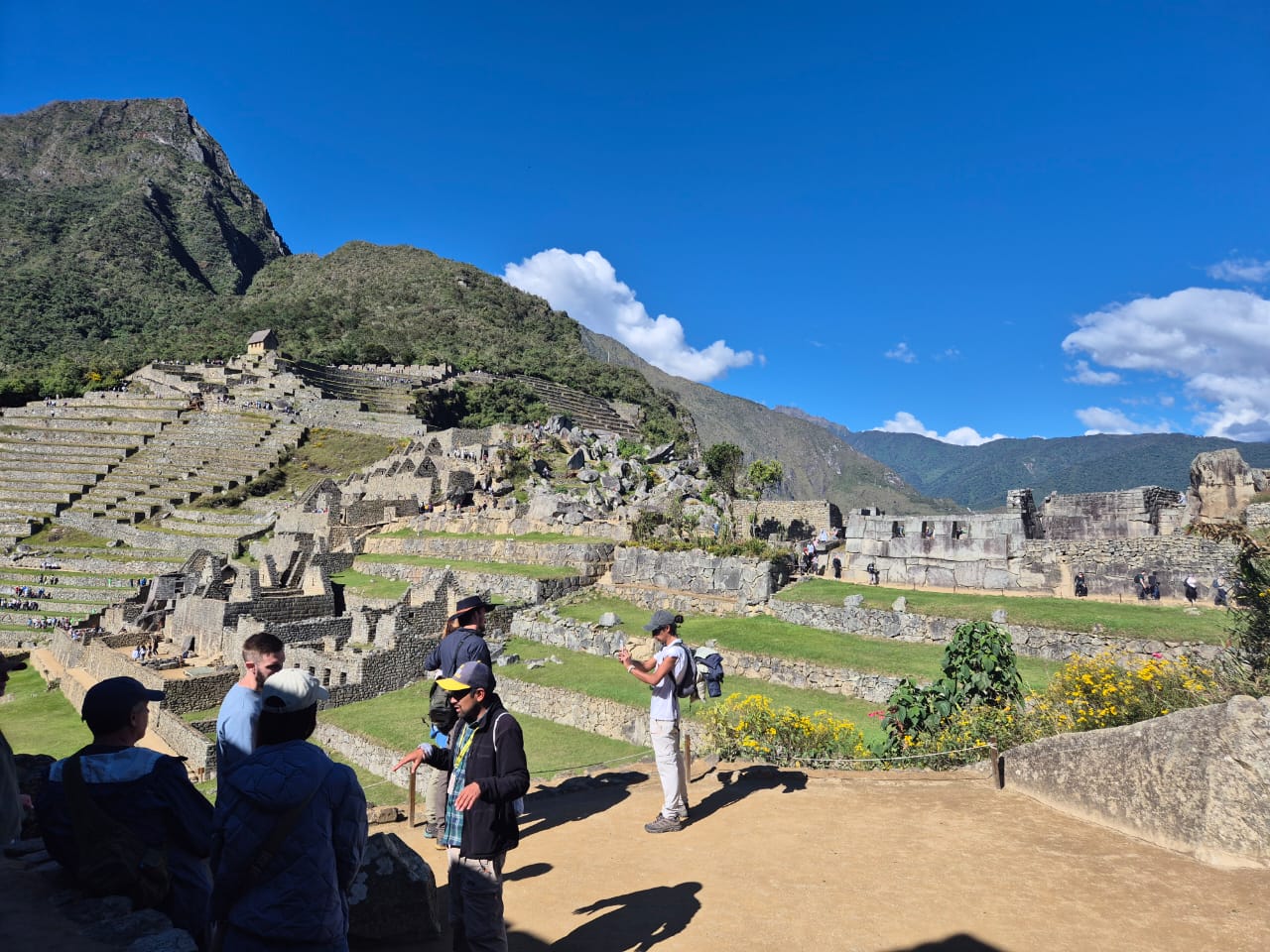
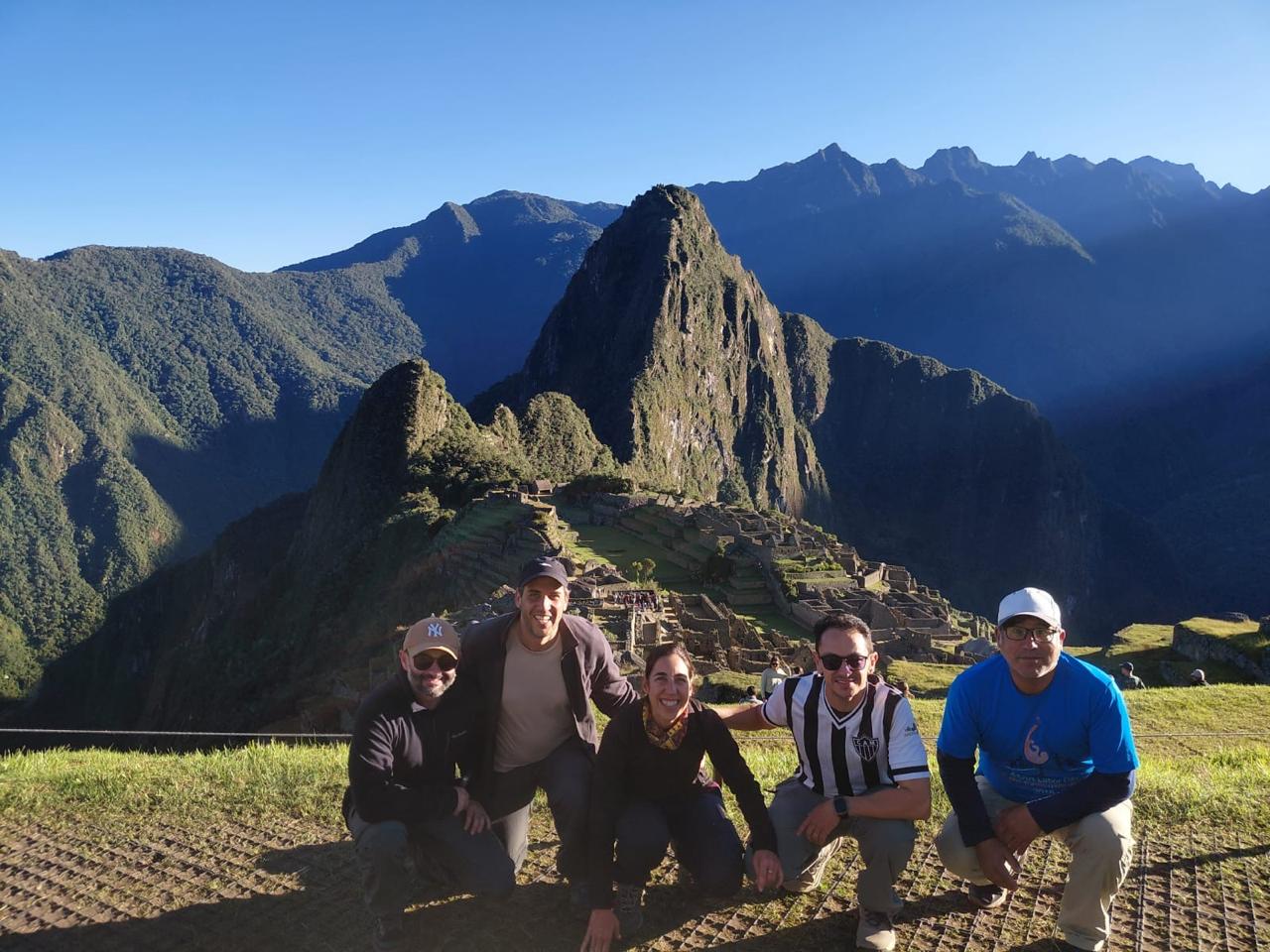
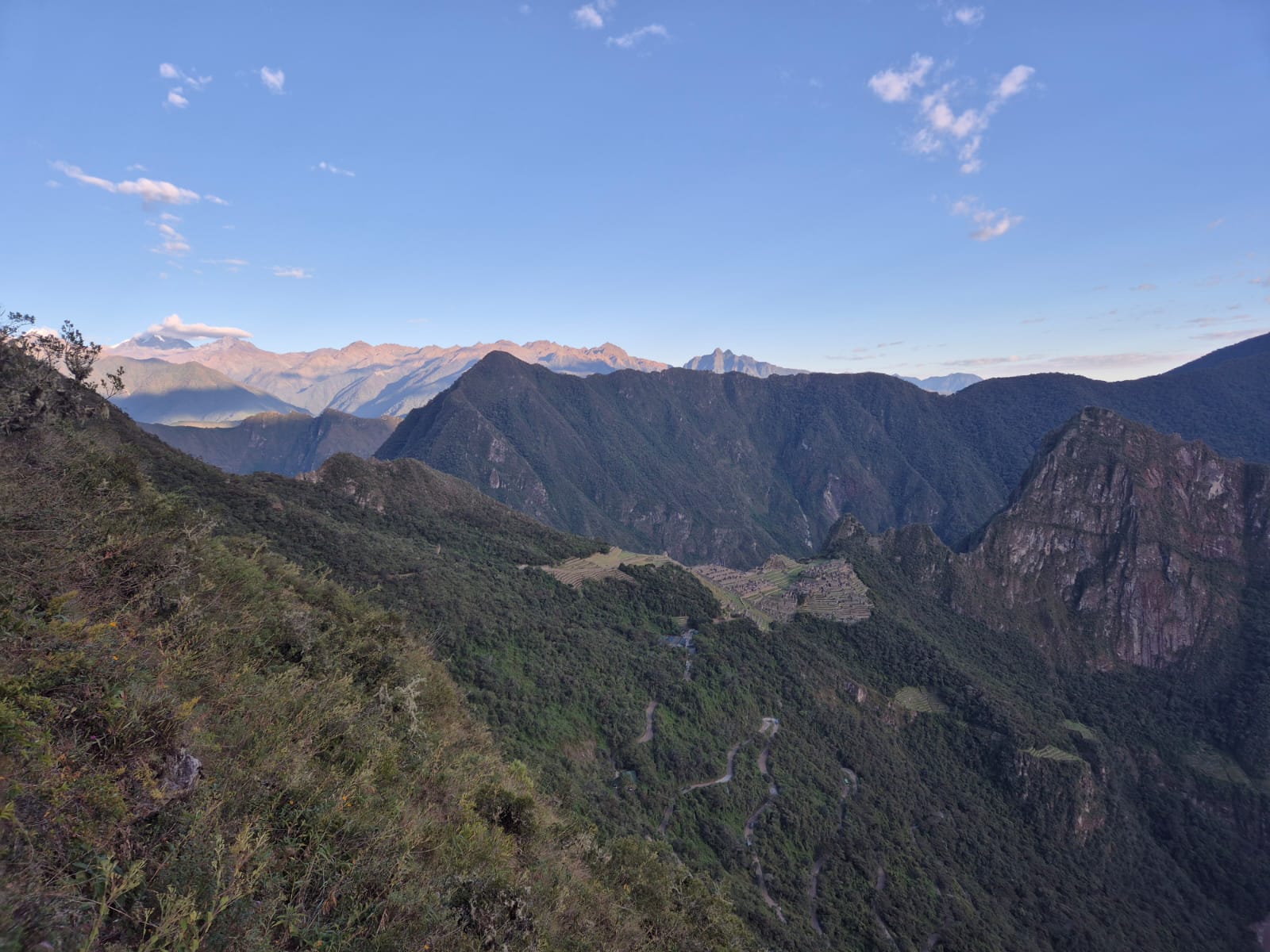
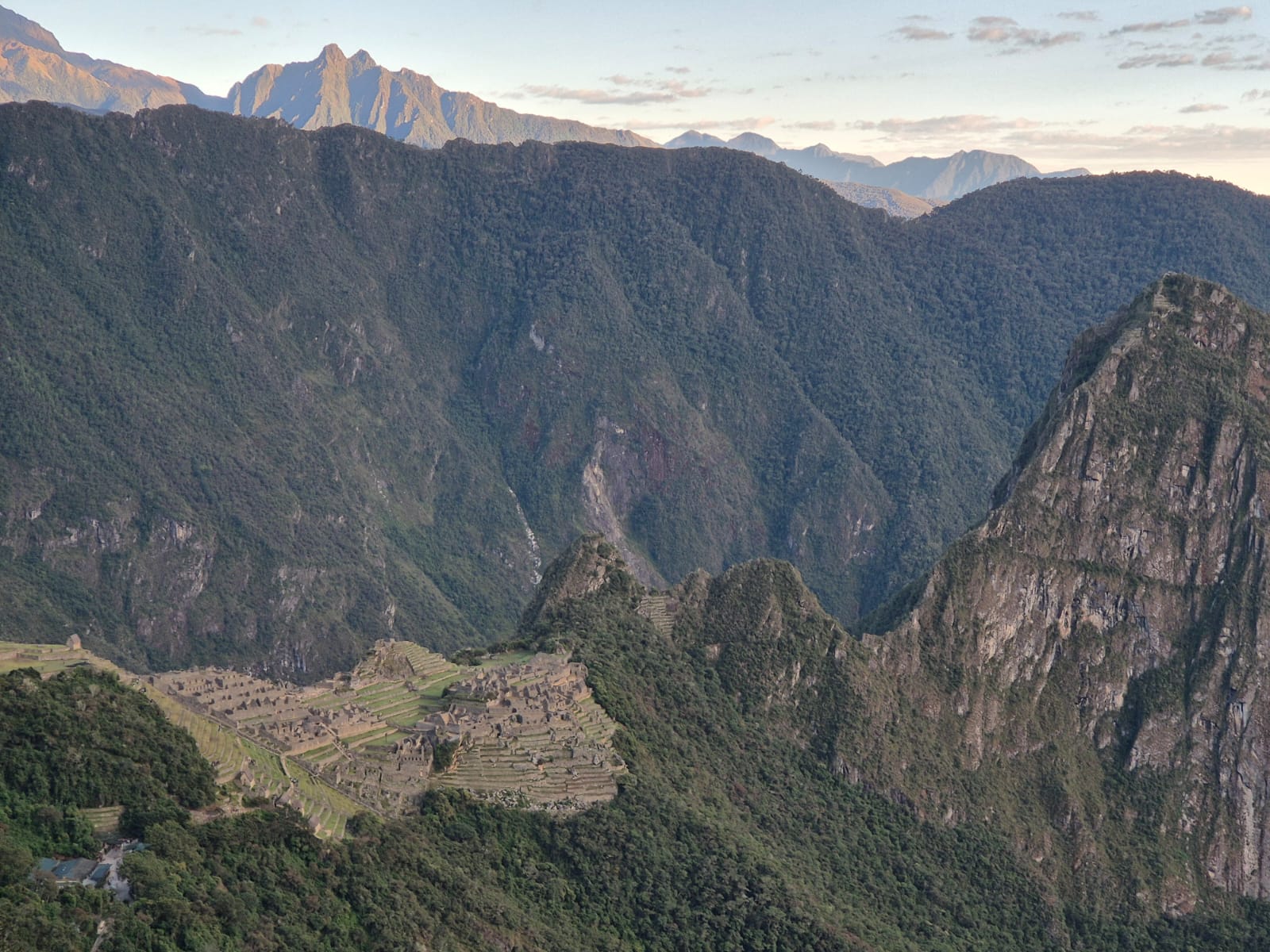
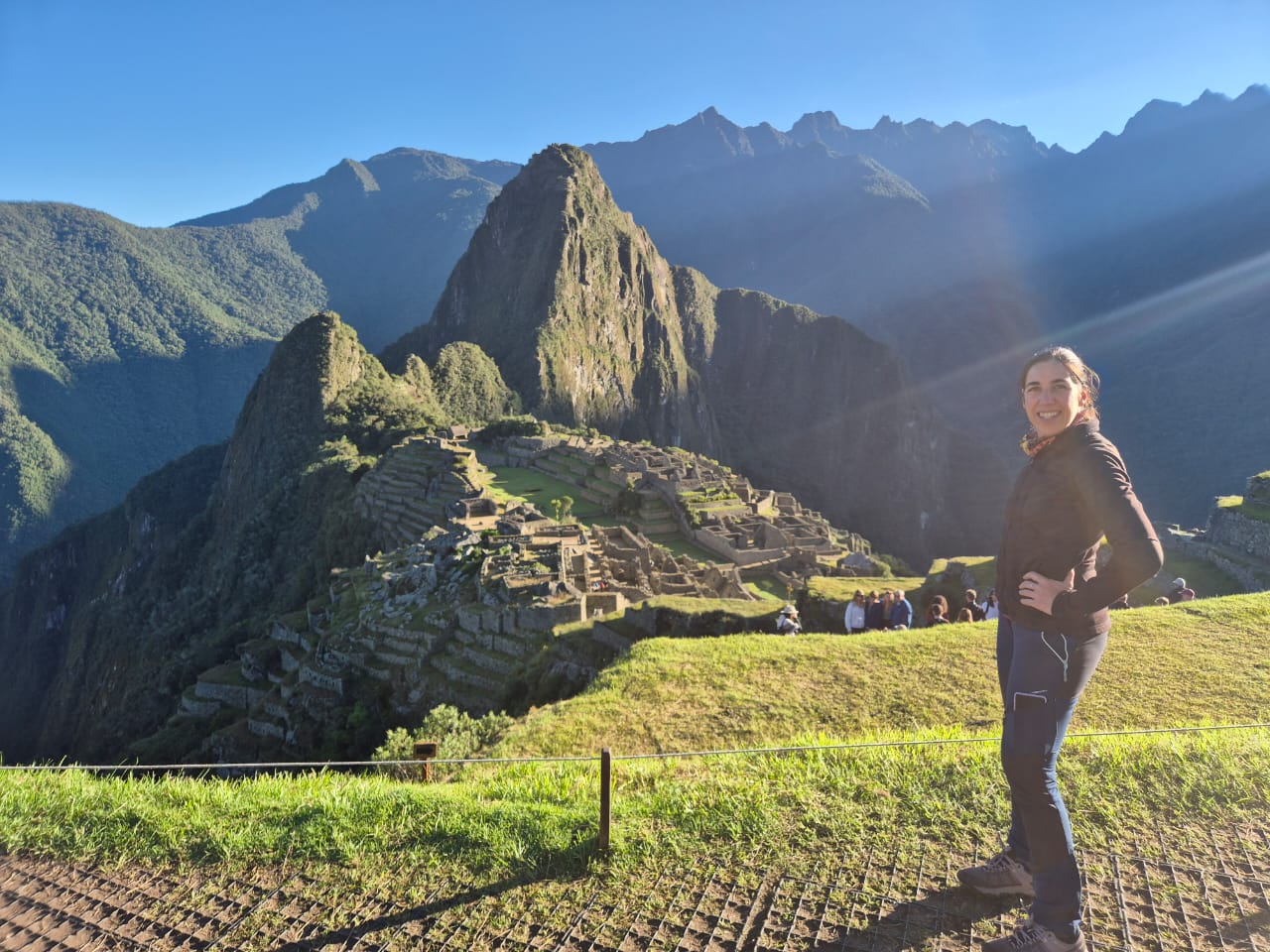
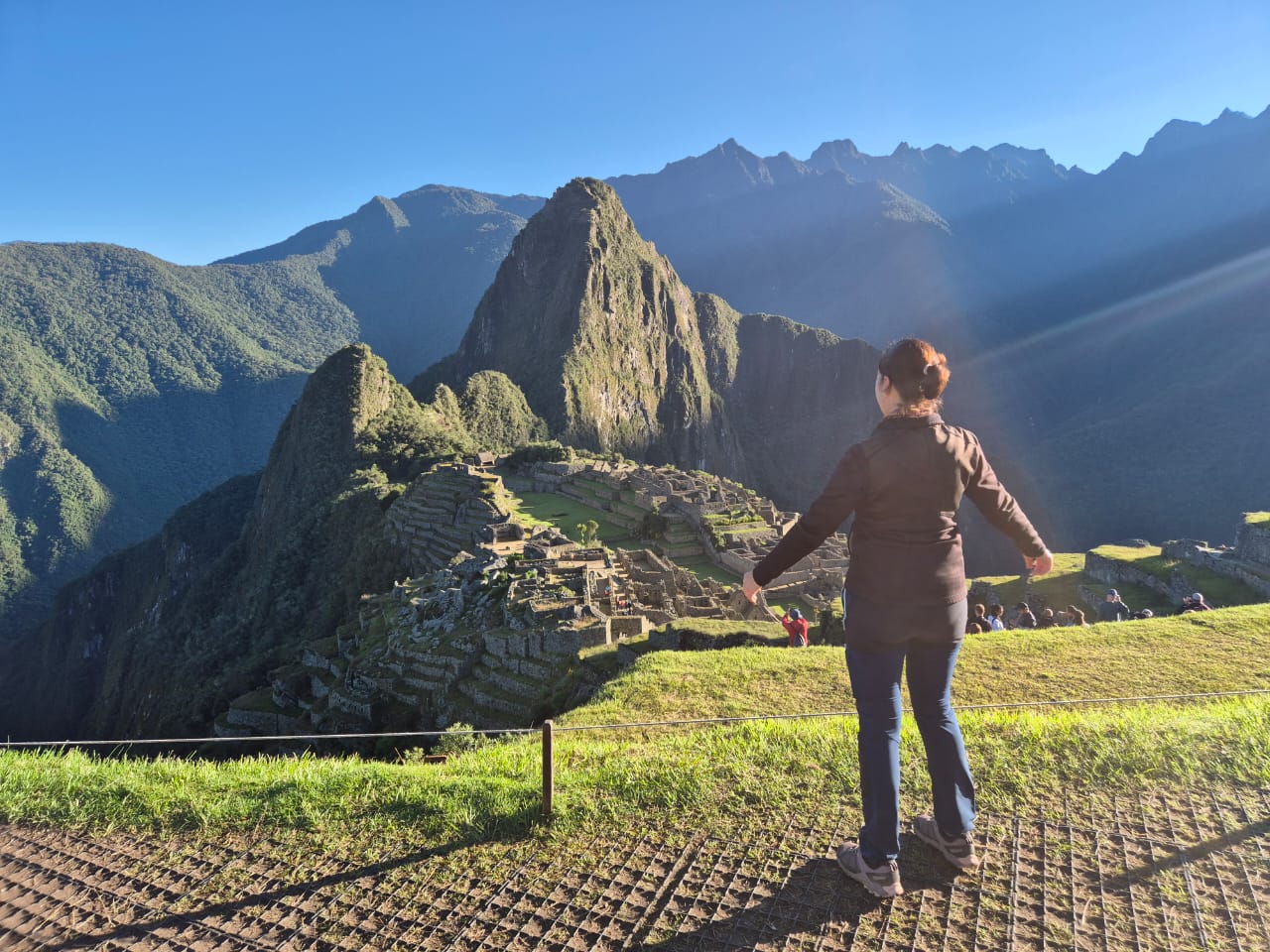
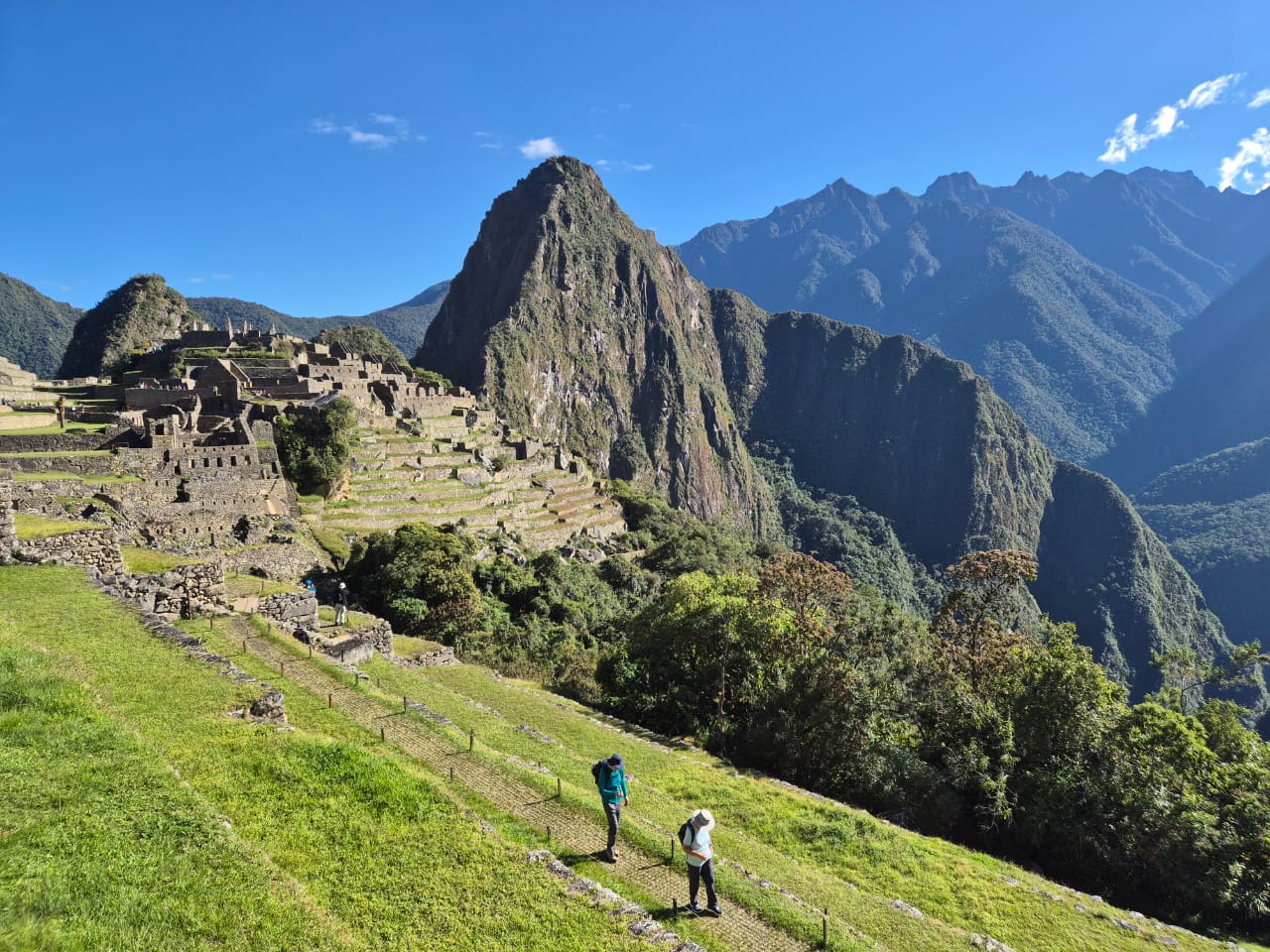
The mountain of Huayna Picchu forms part of the most recognizable image of the archaeological complex of Machu Picchu. Its location behind the citadel creates the view that appears in thousands of photographs taken each year by visitors from around the world. However, its importance is not limited to its visual appeal. During the Inca period, this mountain had ceremonial and strategic functions associated with the sanctuary. Today, walking its trails allows visitors to observe archaeological structures, agricultural terraces, and areas that cannot be seen from the traditional circuits. In addition, the hike offers a completely different perspective of the citadel. Many travelers believe that the combination of nature and history makes this route one of the most interesting activities in the Cusco region. For this reason, when evaluating how difficult it is to climb Huayna Picchu, it is also important to consider the cultural and scenic value that this experience adds to a visit to Machu Picchu.
How Difficult It Is to Climb Huayna Picchu According to Physical Condition

The answer to how difficult it is to climb Huayna Picchu depends largely on each person’s physical preparation. Those who exercise regularly usually consider the hike moderately difficult. On the other hand, people with a sedentary lifestyle may experience greater fatigue during the route. The trail requires consistent effort due to the steep terrain and the presence of numerous stone steps. However, the route does not require mountaineering skills or professional trekking experience. In addition, most visitors complete the ascent without needing specialized equipment. The key is maintaining a steady pace and avoiding rushing during the climb. Many people make the mistake of moving too quickly during the first few minutes. As a result, they experience fatigue before reaching the more demanding sections. A relaxed pace allows for better energy management and greater enjoyment of the scenery. Therefore, basic physical preparation is usually enough to successfully complete the route.

Huayna Picchu Trail and Characteristics of Hiking on Huayna Picchu

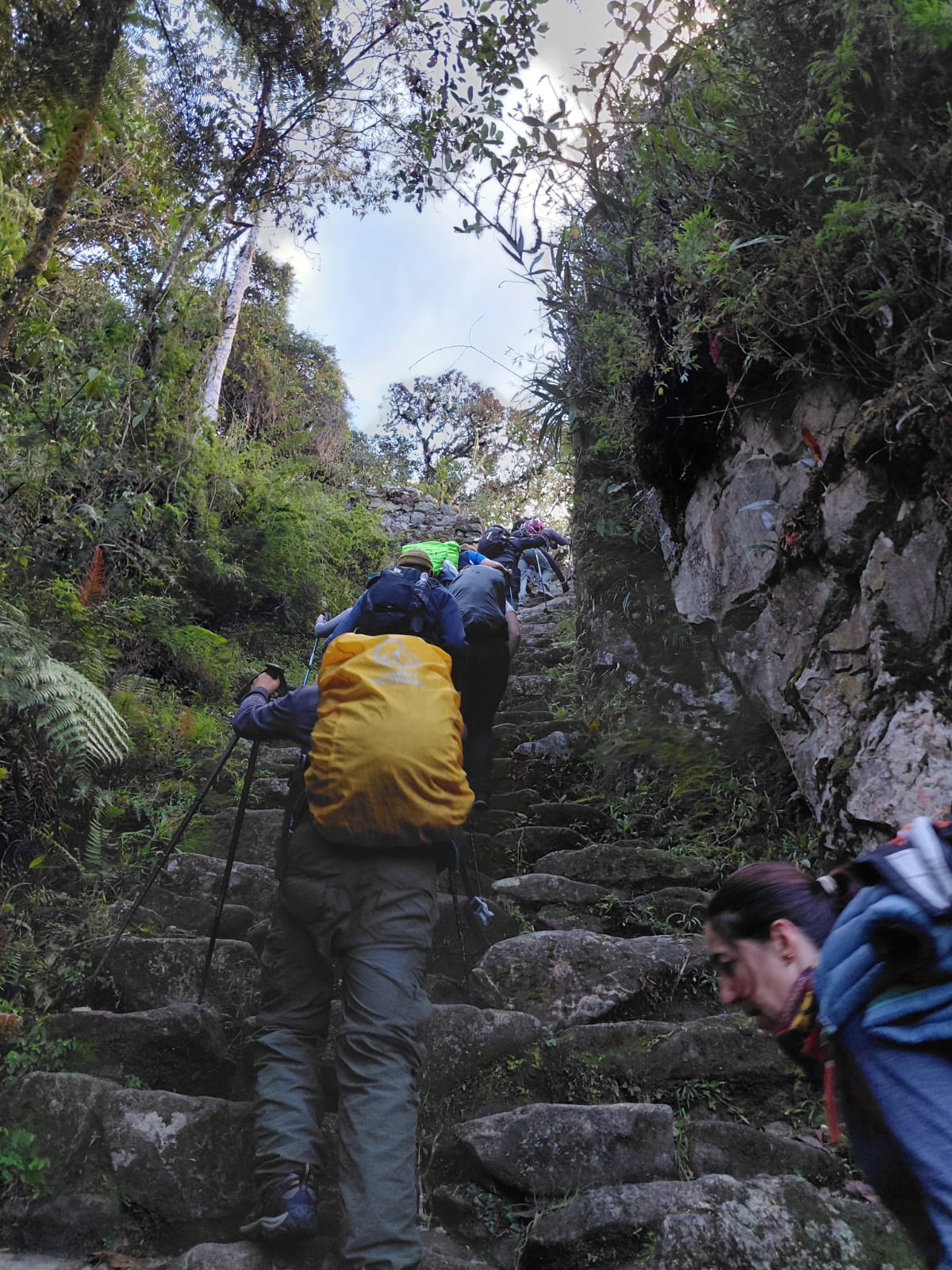
The Huayna Picchu trail follows ancient paths built by the Incas. The route passes through forested areas, stone stairways, and sections where vegetation completely surrounds the path. Hiking on Huayna Picchu stands out because it offers a balanced combination of adventure and historical heritage. Throughout the hike, several panoramic viewpoints provide opportunities to rest while admiring the surrounding landscapes. In addition, the route is clearly marked and defined to ensure visitor safety. Although there are some narrow sections, these are part of a controlled and monitored trail. The incline gradually increases as elevation is gained. For this reason, many people feel that the effort becomes greater during the second half of the ascent. However, short breaks allow for quick recovery. Understanding the characteristics of the Huayna Picchu trail helps visitors develop realistic expectations regarding the level of challenge involved.

Huayna Picchu Stairs and the Most Demanding Sections

The famous Huayna Picchu stairs are among the best-known features of the route. These structures were built by the Incas using the mountain’s natural rock. Some sections contain tall and uneven steps that require additional attention during the ascent. Despite the reputation they have gained through social media and photographs, most visitors complete them without major difficulties. The main challenge is related to the accumulated elevation gain rather than technical complexity. In addition, there are handrails and areas where hikers can stop briefly to rest. The perception of difficulty often increases for people who are not accustomed to climbing stairs for extended periods. However, maintaining a consistent pace significantly reduces physical strain. When evaluating how difficult it is to climb Huayna Picchu, the stairways are often the aspect that concerns travelers the most. Fortunately, practical experience shows that they are manageable for most visitors who take their time.
Huayna Picchu Climbing Time and Recommended Pace

The time required to climb Huayna Picchu varies depending on physical fitness, weather conditions, and each visitor’s pace. In general, the ascent takes between one and two hours. The descent usually requires less time. However, many tourists spend additional minutes taking photographs or enjoying the various viewpoints along the route. Attempting to complete the hike too quickly provides no significant advantage. On the contrary, it may cause unnecessary exhaustion. It is more advisable to move at a steady pace and take advantage of resting areas when needed. In addition, walking slowly allows visitors to better appreciate the archaeological and natural features of the surroundings. The experience is not only about reaching the summit. Much of its appeal lies in the journey itself. Therefore, understanding the time required to climb Huayna Picchu helps visitors properly organize their day and enjoy each section without concerns about speed or performance.

Physical Preparation for Huayna Picchu and Altitude Adaptation

Physical preparation for Huayna Picchu can make a significant difference in the overall experience. Although specialized training is not necessary, it is advisable to engage in regular walks during the weeks before the trip. Simple activities such as daily walking, climbing stairs, or recreational hiking help improve cardiovascular endurance. In addition, altitude adaptation plays a fundamental role. Many visitors first arrive in Cusco, a city located at a considerably higher elevation than Machu Picchu. Spending a few days in the region before the hike allows the body to gradually adapt. It is also recommended to stay well hydrated and avoid excessive physical exertion during the first days of the trip. Good physical preparation does not completely eliminate fatigue. However, it makes the climb considerably easier and allows visitors to enjoy each stage of the journey more fully. Therefore, investing time in preparation often provides significant benefits during the visit.

Huayna Picchu Experience During the Hike

The Huayna Picchu experience combines elements that are rarely found together in other travel destinations. As the ascent progresses, the perspective of the citadel changes continuously. Each section offers new angles from which to observe the Inca structures and the surrounding mountain landscape. In addition, walking on paths built centuries ago adds a unique historical dimension. Many visitors describe the hike as an experience that demands physical concentration while allowing them to appreciate the natural surroundings. The route also creates a sense of personal accomplishment as hikers gradually overcome different challenges. For this reason, those researching how difficult it is to climb Huayna Picchu often discover afterward that the effort is only one part of a much broader experience. The combination of history, nature, and physical activity makes this hike one of the most memorable activities during a visit to Machu Picchu.

Views from Huayna Picchu and Huayna Picchu Attractions

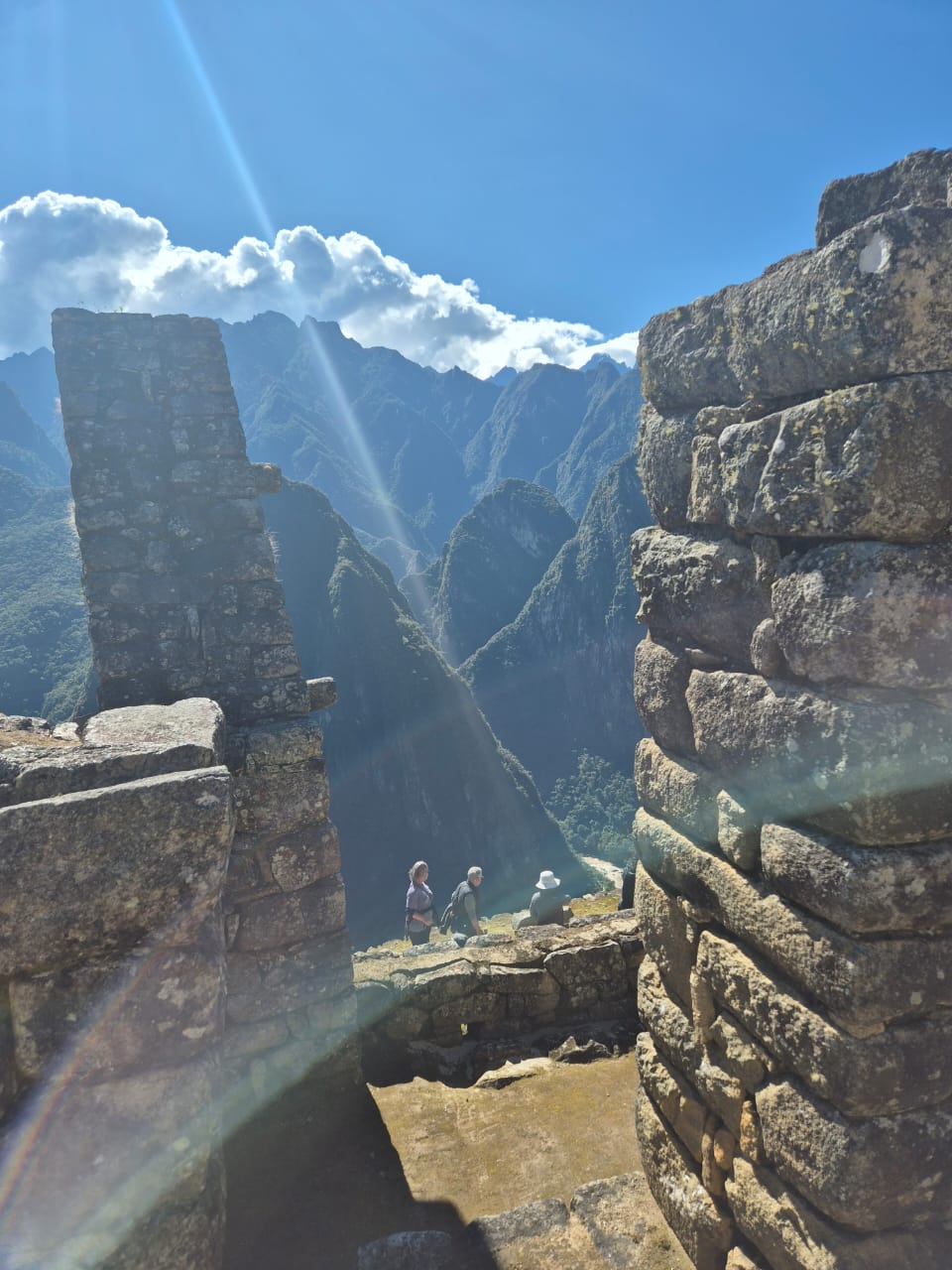
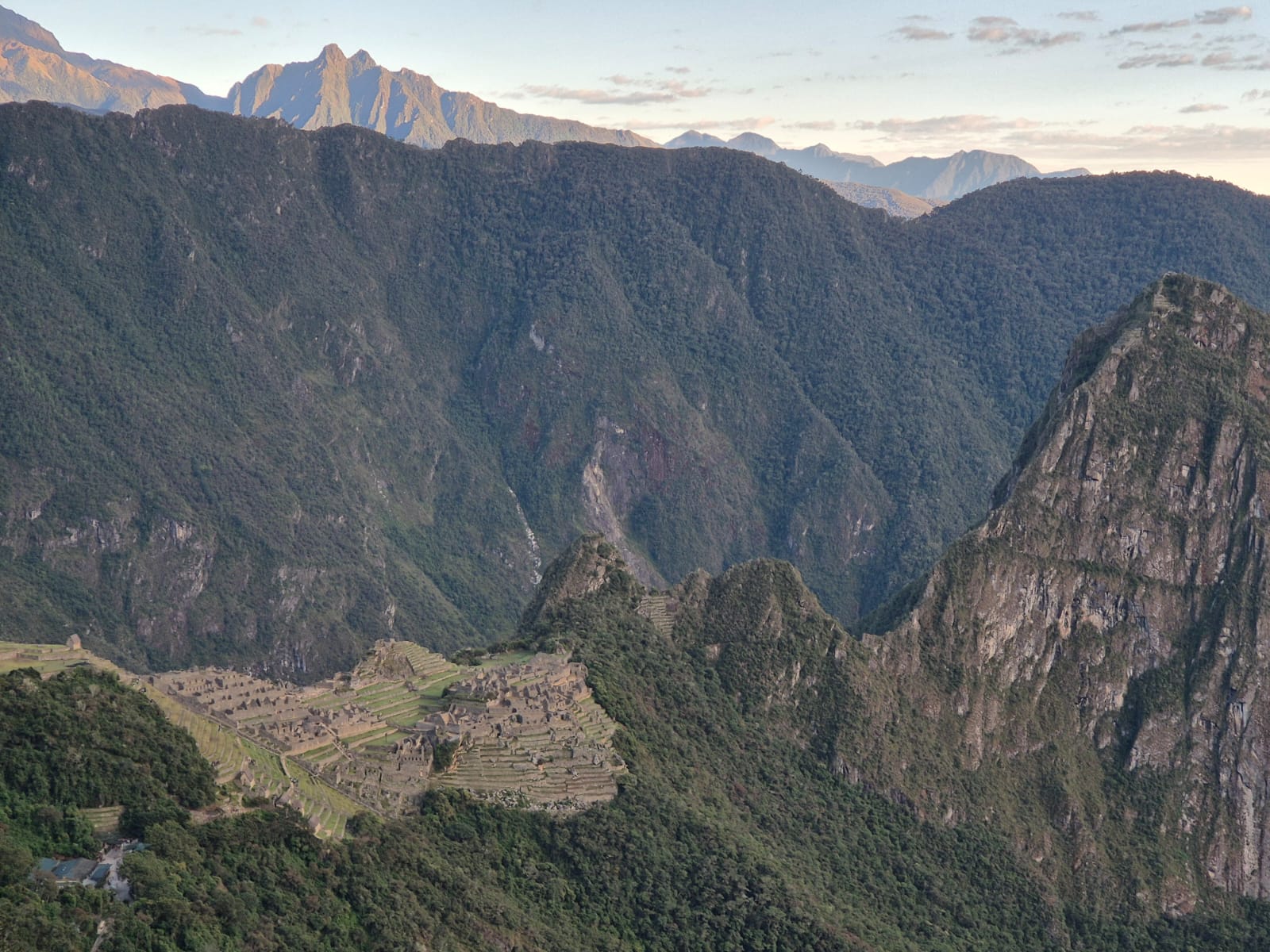
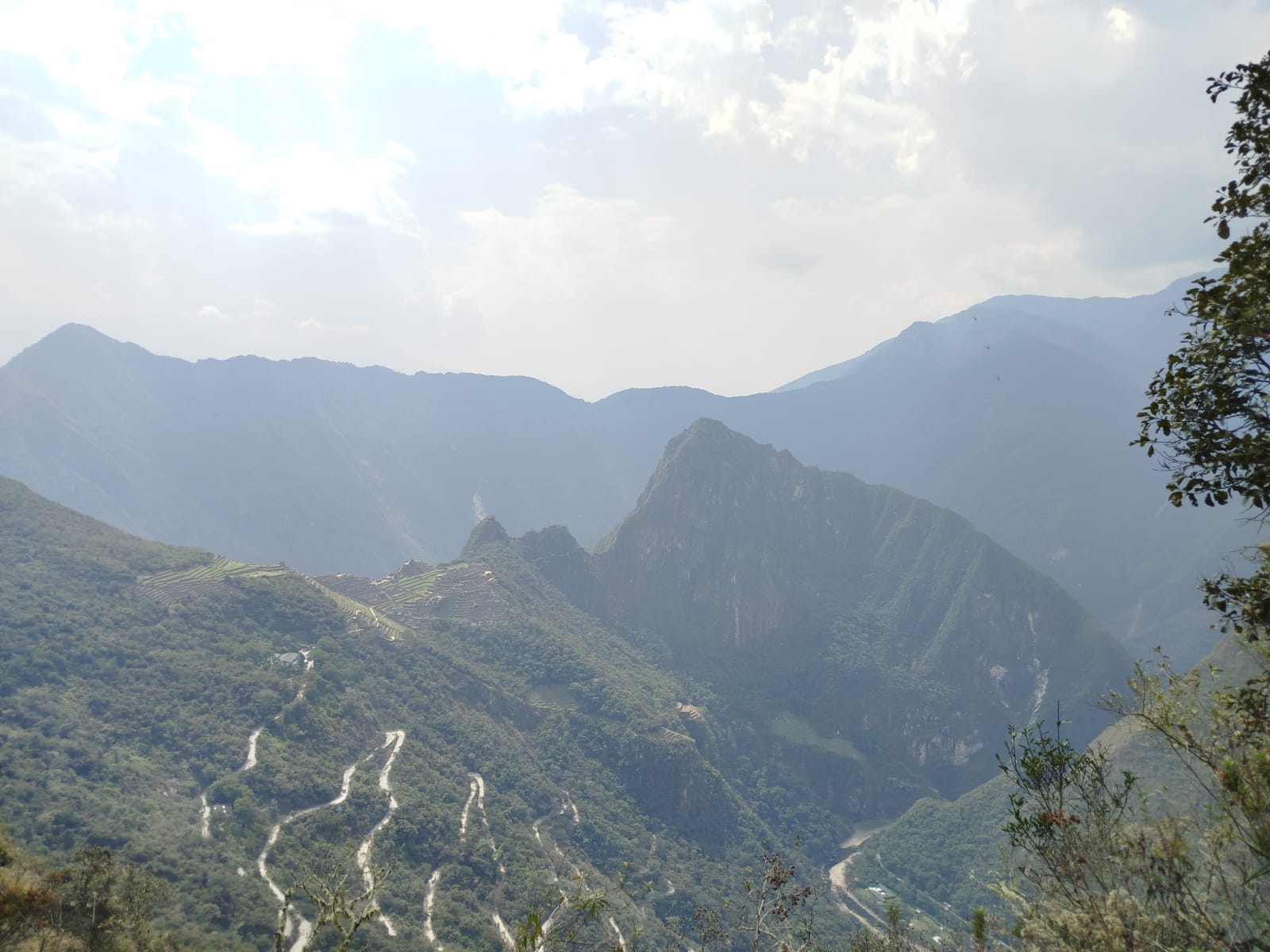
The views from Huayna Picchu are one of the main reasons why thousands of people wish to complete this hike every year. From different points along the route, visitors can observe the citadel of Machu Picchu from unusual perspectives. In addition, the Urubamba River, the surrounding mountains, and the characteristic cloud forest vegetation create a landscape very different from that seen on the traditional circuits. Among the main Huayna Picchu attractions are the archaeological remains located in different sectors of the mountain. These structures demonstrate the extraordinary ability of Inca architecture to adapt to complex terrain. The visual experience changes constantly as elevation increases. Therefore, the effort invested during the ascent is often rewarded with unique panoramas that cannot be obtained from other areas of the sanctuary. This is one of the most important reasons why many travelers believe the hike is worthwhile.

Huayna Picchu and Machu Picchu as Part of the Same Experience

The relationship between Huayna Picchu and Machu Picchu helps visitors better understand the magnitude of the Inca legacy. Visiting the citadel provides a detailed view of the architecture and urban planning developed by this civilization. However, climbing the mountain adds a complementary perspective that expands the understanding of the geographical environment. From the summit, it is possible to appreciate how the Incas strategically utilized every feature of the landscape. In addition, the panoramic view highlights the privileged location of the historic sanctuary within the Andes. Many visitors believe that combining both experiences provides a more complete appreciation of the site. For this reason, travelers who manage to secure tickets for both activities often describe the visit as a comprehensive experience that combines culture, history, nature, and adventure in a single day.

Difference Between Huayna Picchu and Machu Picchu Mountain

The difference between Huayna Picchu and Machu Picchu Mountain is an important factor when planning a trip. Although both mountains offer spectacular views, they have distinct characteristics. Huayna Picchu is known for its steeper ascent and the presence of narrow trails in certain sections. In contrast, Machu Picchu Mountain offers a longer hike with less exposure. Those seeking a more adventurous experience often prefer Huayna Picchu. On the other hand, visitors who prefer a longer and more gradual hike usually choose the alternative mountain. Both options require advance reservations and have limited availability. The decision largely depends on personal interests and each traveler’s comfort level with mountain trails. Understanding these differences helps visitors choose the option that best matches their expectations.
Huayna Picchu Tickets and Entry Requirements

Huayna Picchu tickets are limited and often sell out well in advance. Due to high demand, it is advisable to make reservations several months before the planned travel date. The requirements to enter Huayna Picchu include presenting the identification document used during ticket purchase and respecting the assigned entry time. In addition, visitors must follow the regulations established for the conservation of the historic sanctuary. These measures aim to protect both the archaeological heritage and the mountain’s natural environment. Planning the purchase well in advance helps avoid inconveniences and increases the chances of securing availability during the tourist season.

Best Time to Climb Huayna Picchu and Essential Recommendations

The best time to climb Huayna Picchu depends on personal preferences and weather conditions. Early entry times usually offer cooler temperatures and a more peaceful experience. However, weather conditions can vary at any time of the day. Among the most important tips for climbing Huayna Picchu are carrying enough water, wearing appropriate footwear, using sun protection, and maintaining a steady pace. It is also advisable to avoid carrying unnecessary weight. These simple measures significantly improve the experience and reduce fatigue throughout the hike.

Huayna Picchu Tour from Cusco

A Huayna Picchu tour from Cusco can greatly simplify travel planning. Many agencies include transportation, logistical coordination, and assistance during the reservation process. In addition, these services often help manage train schedules, bus transfers, and sanctuary entry arrangements. Hiring a tour is not mandatory. However, it can be useful for travelers who prefer a simpler planning process. Regardless of the chosen option, booking in advance remains one of the most important factors in securing access to the mountain.
Frequently Asked Questions

1. Is there a daily visitor limit for Huayna Picchu?

Yes. The authorities responsible for the sanctuary strictly regulate the number of visitors allowed each day. This measure helps protect the archaeological heritage and minimize environmental impact. Because of this limitation, tickets often sell out quickly throughout much of the year.

2. Can trekking poles be used on Huayna Picchu?

The use of trekking poles is subject to specific regulations. In some cases, only poles with protective tips are allowed. Requirements may vary according to current regulations, so it is advisable to verify the latest conditions before visiting.

3. Is it recommended to climb Huayna Picchu during the rainy season?

Yes, it is possible to complete the hike during the rainy season. However, the trails can become more slippery. For this reason, it is essential to wear appropriate footwear and exercise greater caution throughout the route.

4. Can people with vertigo climb Huayna Picchu?

It depends on each person’s level of sensitivity. Some sections provide views of steep slopes. However, many visitors with a moderate fear of heights successfully complete the hike. Evaluating personal comfort levels before the visit is essential.

5. Is climbing Huayna Picchu worth the physical effort required?

For most visitors, the answer is yes. The combination of history, scenery, archaeology, and panoramic views makes this hike highly valued. Although the physical effort is evident, many people believe that the visual and cultural rewards fully justify the ascent.

Discover our travel packages to Peru and let us organize the perfect adventure for you. Request your quote for your trip to Cusco today!
What to See in Machu Picchu: Must-See Places Inside the Inca Citadel

Visiting Machu Picchu is one of the most sought-after experiences for travelers visiting Peru. Knowing what to see in Machu Picchu allows visitors to make the most of their time inside the citadel and understand the historical importance of this archaeological site. Declared a World Heritage Site by UNESCO and considered one of the New Seven Wonders of the World, this Inca complex welcomes visitors from across the globe. In addition, each sector of the citadel serves a specific function within the urban organization developed during the period of the Inca Empire.

When planning a visit, many people want to know exactly what to see in Machu Picchu so they do not miss the most significant sites. Due to current regulations, visits are conducted through established routes. Therefore, it is important to know the main attractions before entering. In addition, understanding the layout of the citadel helps visitors better appreciate its buildings, agricultural terraces, temples, and ceremonial spaces. The combination of architecture, landscape, and cultural heritage makes this destination one of the most important places in South America.

History of the Inca Citadel

Understanding what to see in Machu Picchu requires learning about the history of the Inca citadel. Specialists believe the city was built during the 15th century under the rule of Emperor Pachacutec. Its strategic location in the mountains allowed the development of an administrative, religious, and residential center adapted to the complex Andean geography.

For centuries, the site remained hidden among the mountain vegetation. However, its existence never completely disappeared from local memory. Later, the citadel began receiving international attention during the 20th century. Since then, numerous studies have helped researchers better understand its role within the political and religious organization of the Inca world.

The urban planning demonstrates a profound knowledge of engineering and architecture. In addition, the buildings were carefully adapted to the natural topography. Therefore, walking through the citadel allows visitors to observe construction solutions that continue to impress researchers and travelers alike. Understanding the history of the Inca citadel helps visitors appreciate every structure within the archaeological complex.

Machu Picchu Circuits and Route Organization

Today, visitors must explore the citadel through the different Machu Picchu circuits established by authorities. This system aims to protect the archaeological heritage and improve the visitor experience. In addition, it allows for a proper distribution of people throughout the historic sanctuary.

When researching what to see in Machu Picchu, it is essential to review the available routes in advance. Each circuit provides access to specific sectors of the citadel. Therefore, the chosen route directly influences which areas can be visited during the day.

The options may vary according to the season and current regulations. However, they generally provide access to agricultural zones, urban sectors, temples, and main viewpoints. In addition, some routes include complementary hikes to nearby mountains. Due to these differences, reviewing the Machu Picchu circuits beforehand helps visitors plan their trip more effectively.

Machu Picchu Tickets and Circuits

The availability of Machu Picchu tickets and circuits is regulated through daily visitor quotas. For this reason, purchasing tickets in advance is highly recommended. Especially during the high season, tickets can sell out quickly.

Tickets are associated with specific entry times. In addition, each ticket corresponds to a designated route within the archaeological complex. Therefore, choosing the correct Machu Picchu tickets and circuits is essential for accessing the areas that interest visitors the most.

Most Important Places in Machu Picchu

Among the most important places in Machu Picchu are several structures that reflect the architectural achievements of the Incas. These locations are among the main points of interest included in most authorized routes.

Many travelers search for information about what to see in Machu Picchu because they want to identify the most representative sectors before entering. In addition, knowing these places in advance helps visitors better understand the overall organization of the citadel. Each structure has unique characteristics associated with religious, administrative, or residential functions.

The main sites include:

  • Temple of the Sun
  • Intihuatana
  • Sacred Plaza
  • Main Temple
  • Temple of the Three Windows
  • Agricultural Sector
  • Royal Residence
  • Sacred Rock
  • Quarry Sector
  • Ceremonial Fountains

These places are among the most visited sectors within the archaeological sanctuary. Therefore, they form an essential part of any list related to what to see in Machu Picchu.

Temple of the Sun in Machu Picchu and Ceremonial Spaces

The Temple of the Sun in Machu Picchu is one of the most recognized structures in the entire citadel. Its semicircular design stands out within the architectural complex due to the precision of its walls and its strategic location.

Researchers believe this space served a ceremonial function related to sun worship. In addition, the orientation of certain windows demonstrates advanced astronomical knowledge. During specific times of the year, sunlight enters the structure in a particular way.

When analyzing what to see in Machu Picchu, this temple occupies a priority position because of its historical relevance. In addition, it represents one of the finest examples of religious architecture developed during the Inca period. The quality of the stonework and its integration with the natural environment continue to attract researchers and visitors.

Near the temple, other important ceremonial structures can also be found. Therefore, this area contains a significant portion of the cultural and archaeological value present within the citadel.

Intihuatana in Machu Picchu and Religious Symbolism

The Intihuatana in Machu Picchu is one of the most iconic elements of the archaeological site. This carved stone structure is located in an elevated area from which visitors can enjoy broad views of the citadel and the surrounding mountains.

Its name is often translated as “the place where the sun is tied.” However, studies continue to explore its exact function. Many specialists believe it was connected to astronomical observations and ceremonial activities associated with the agricultural calendar.

Within the tourist routes, the Intihuatana in Machu Picchu stands out as one of the most photographed locations. In addition, its position provides a privileged perspective over different sectors of the archaeological complex. Therefore, those researching what to see in Machu Picchu usually include this monument among their top priorities.

The precision of its construction demonstrates the technical mastery achieved by Inca builders. In addition, it reflects the importance of astronomical phenomena within the Andean worldview.

Sacred Plaza of Machu Picchu and Main Buildings

The Sacred Plaza of Machu Picchu brings together some of the most important ceremonial structures within the complex. This open space functioned as a gathering point for religious activities and community events.

Surrounding the plaza are notable buildings such as the Main Temple and the Temple of the Three Windows. These structures demonstrate an exceptional level of precision in stone construction. In addition, they feature architectural characteristics associated with ceremonial and administrative functions.

The Sacred Plaza of Machu Picchu allows visitors to appreciate the urban organization developed by the Incas. Therefore, it is an essential stop on any route. Those seeking to discover what to see in Machu Picchu will find this area an excellent opportunity to understand the symbolic importance of public spaces within the citadel.

The spacious layout makes it possible to observe several buildings simultaneously. In addition, it offers interesting perspectives for visitors wishing to appreciate the architectural details found in the principal monuments.

Machu Picchu Tourist Attractions and Best Viewpoints

The main Machu Picchu tourist attractions include both archaeological structures and natural landscapes. This combination explains much of the destination’s international appeal.

The best viewpoints in Machu Picchu provide panoramic views of the citadel and its mountainous surroundings. From these locations, visitors can appreciate the integration between architecture and nature. In addition, they offer some of the most recognizable images of the archaeological site.

Among the most sought-after locations are:

  1. The upper agricultural terrace area.
  2. Elevated sectors near the Guardhouse.
  3. Viewpoints associated with complementary routes.
  4. Areas near Machu Picchu Mountain.
  5. Panoramic spots close to Huayna Picchu.

When deciding what to see in Machu Picchu, viewpoints play an important role due to the photographic opportunities they provide. In addition, they help visitors better understand the overall layout of the archaeological complex.

Huayna Picchu Experience and Machu Picchu Mountain Hiking

The Huayna Picchu experience is one of the most popular activities among travelers seeking to complement the traditional visit. This mountain rises behind the citadel and offers a different perspective of the landscape.

The ascent requires moderate physical effort. However, the views obtained throughout the hike make the effort worthwhile. In addition, the trail provides access to lesser-known archaeological sectors that form part of the citadel’s historical surroundings.

Meanwhile, Machu Picchu Mountain hiking represents another alternative for visitors interested in high-altitude trekking. This route reaches a higher elevation than Huayna Picchu. In addition, it offers expansive views of the historic sanctuary and surrounding mountains.

Both options have limited visitor quotas. Therefore, planning ahead is highly recommended. For many travelers, these complementary routes significantly enrich the overall experience within the archaeological site.

Tour Through Machu Picchu and Visit Planning

A well-organized tour through Machu Picchu allows visitors to make the most of their time inside the citadel. Due to current restrictions, each visitor must follow the authorized route associated with their ticket.

Before entering, it is advisable to become familiar with the general map of the site. In addition, identifying in advance what to see in Machu Picchu helps prioritize the areas of greatest interest. This preparation allows visitors to optimize their time during the visit.

A well-planned tour typically includes:

  • Main viewpoints.
  • Agricultural sectors.
  • Ceremonial areas.
  • Major temples.
  • Urban spaces.
  • Residential structures.

Planning should also consider weather conditions and entry schedules. Therefore, organizing a proper tour through Machu Picchu contributes to a more complete and enjoyable experience.

Tourism in Machu Picchu Peru and Visitor Recommendations

Tourism in Machu Picchu Peru continues to grow due to international interest in Andean history and culture. Thousands of travelers arrive every year to explore one of the continent’s most important archaeological sites.

When researching what to see in Machu Picchu, it is also useful to consider practical aspects related to the visit. In addition, proper preparation helps visitors enjoy the experience within the historic sanctuary more fully.

Tips for Exploring Machu Picchu

The main tips for exploring Machu Picchu include:

  • Purchase tickets in advance.
  • Arrive on time for your assigned entry slot.
  • Wear comfortable footwear.
  • Bring sun protection.
  • Carry sufficient water.
  • Respect conservation regulations.
  • Follow authorized routes.

In addition, it is recommended to spend time observing the architectural details present throughout the site. Therefore, the experience becomes much more rewarding when planning is combined with careful observation.

Understanding what to see in Machu Picchu allows visitors to fully appreciate the cultural heritage preserved within the citadel. In addition, it supports a well-organized visit that highlights the most significant sectors of the archaeological complex.

Frequently Asked Questions

1. How Much Time Is Needed to Visit Machu Picchu Properly?

The duration depends on the selected circuit and each visitor’s pace. Most routes can be completed within several hours. However, travelers who choose additional mountain hikes usually require more time. In addition, many visitors prefer to move at a relaxed pace to observe architectural details and take photographs. Good planning helps maximize the experience in every authorized sector of the citadel.

2. Is It Recommended to Hire a Guide for Machu Picchu?

Having a guide can significantly enrich the experience. Guides provide historical, cultural, and architectural context about the various sectors of the complex. In addition, they help visitors understand details that might otherwise go unnoticed during an independent visit. Although it is not always mandatory, many travelers consider professional guidance a valuable addition to their tour.

3. What Items Are Restricted Inside Machu Picchu?

Regulations may be updated periodically. Restrictions generally involve oversized equipment, items that could affect the preservation of the site, and certain objects considered inappropriate for the sanctuary. In addition, authorities maintain rules designed to protect both the archaeological structures and the natural environment of the historic sanctuary.

4. What Is the Difference Between Huayna Picchu and Machu Picchu Mountain?

Both routes offer different experiences. Huayna Picchu features steeper trails and closer views of the citadel. On the other hand, Machu Picchu Mountain reaches a higher elevation and provides broader panoramic views. The choice depends on personal interests, physical condition, and ticket availability for each route.

5. Can Machu Picchu Be Visited During the Rainy Season?

Yes, the citadel remains open for most of the year. However, weather conditions can vary significantly between seasons. During the rainy months, visitors are advised to bring waterproof clothing and consider possible changes in visibility. Despite this, many travelers enjoy a different experience thanks to the greener landscape characteristic of that time of year.

Discover our travel packages to Peru and let us organize the perfect adventure for you. Request your quote for your trip to Cusco today!

Why Book With Us?

  • Comprehensive Tourism Services
  • Number one Service Provider
  • Tours for people with diverse needs
  • Customer Satisfaction our top priority
  • We offer the most outstanding Peruvian tours.

Got a Question?

Do not hesitate to give us a call. We are an expert team and we are happy to talk to you.

+51 994601060
+51 984714570

adriancusco@hotmail.com
karinchaska_9@hotmail.com