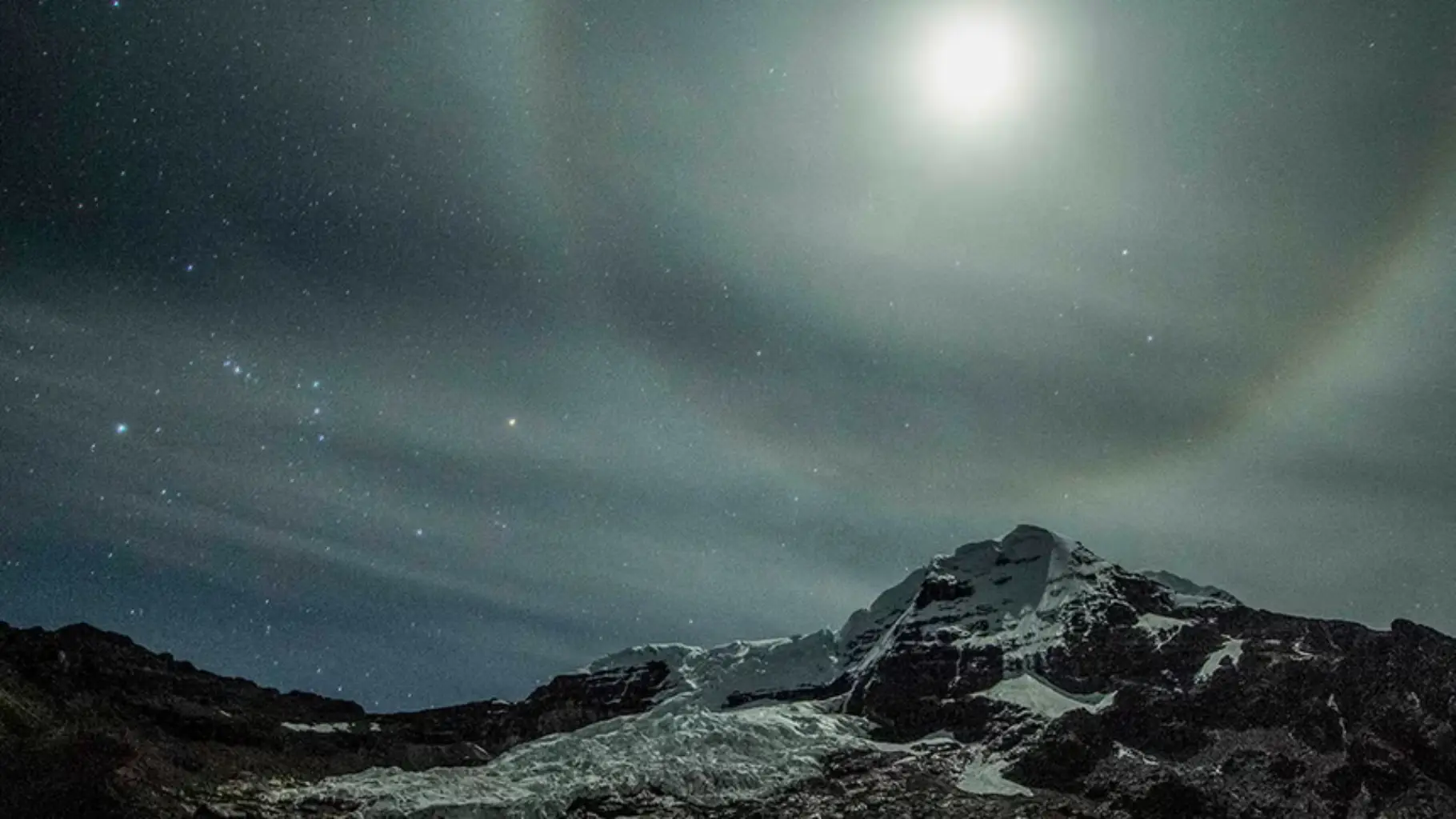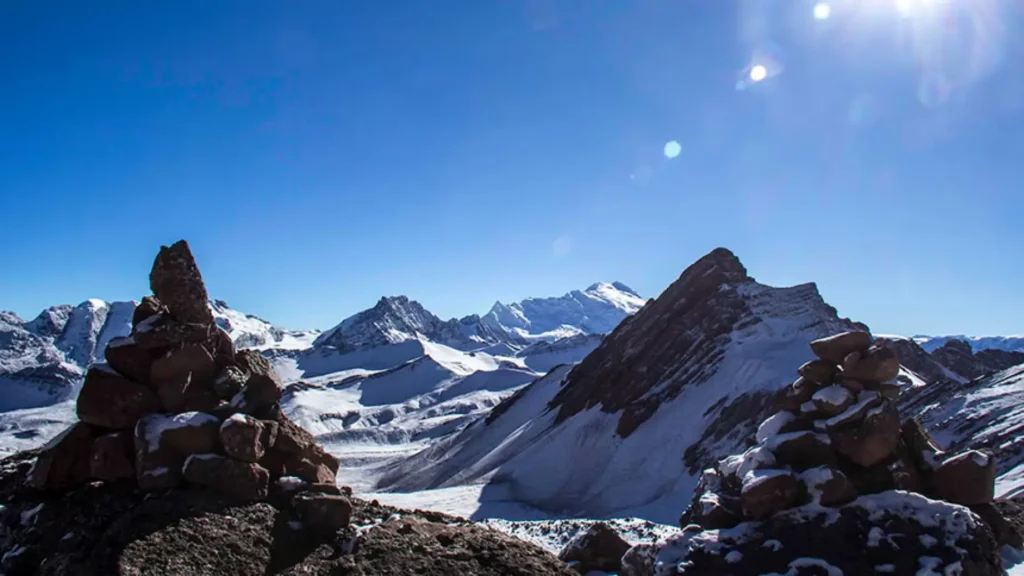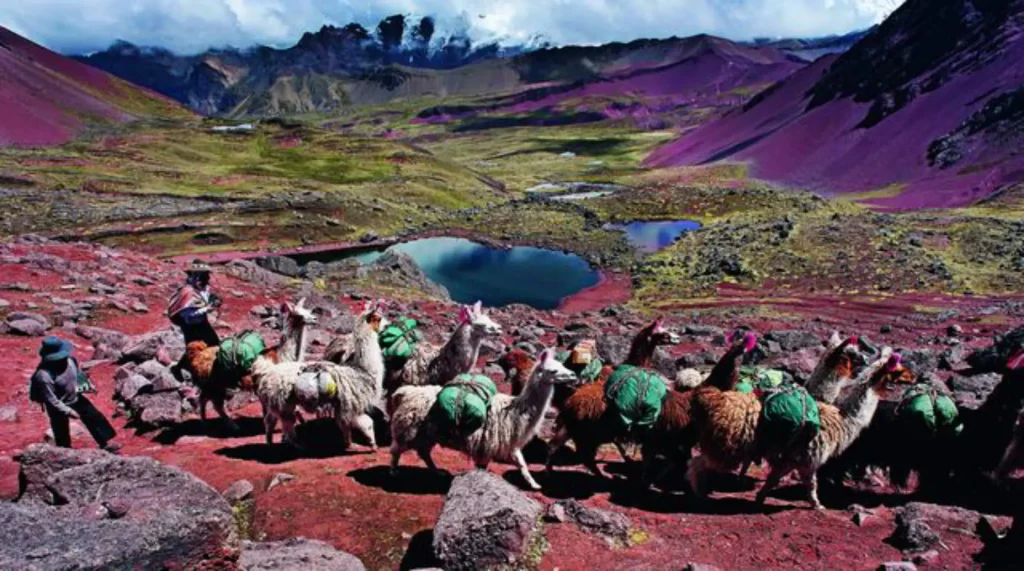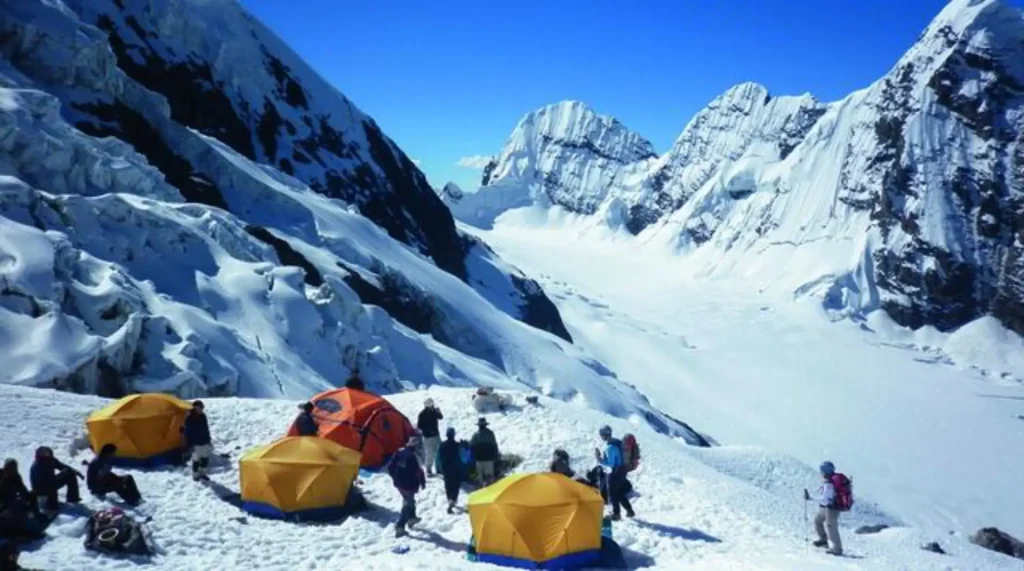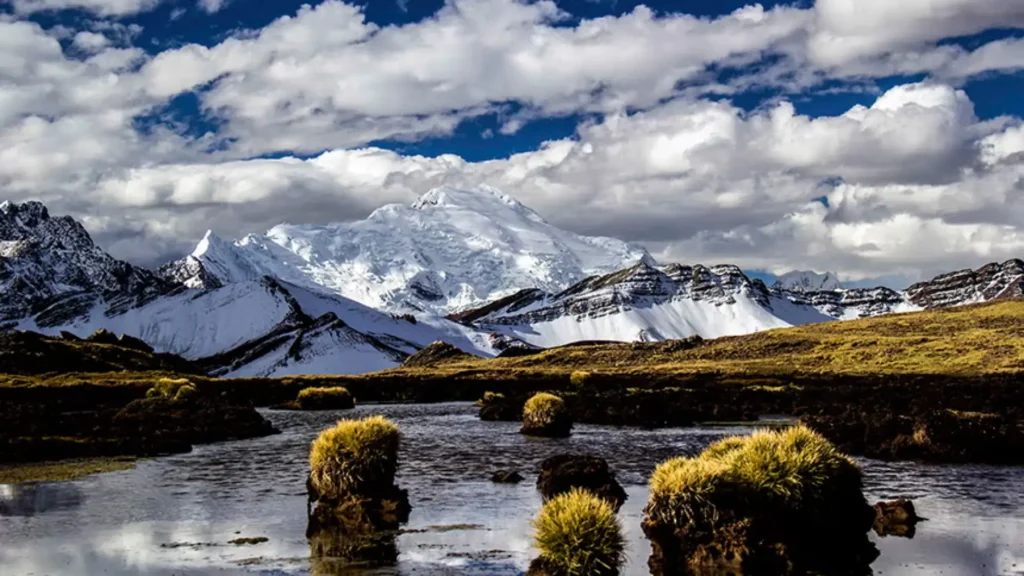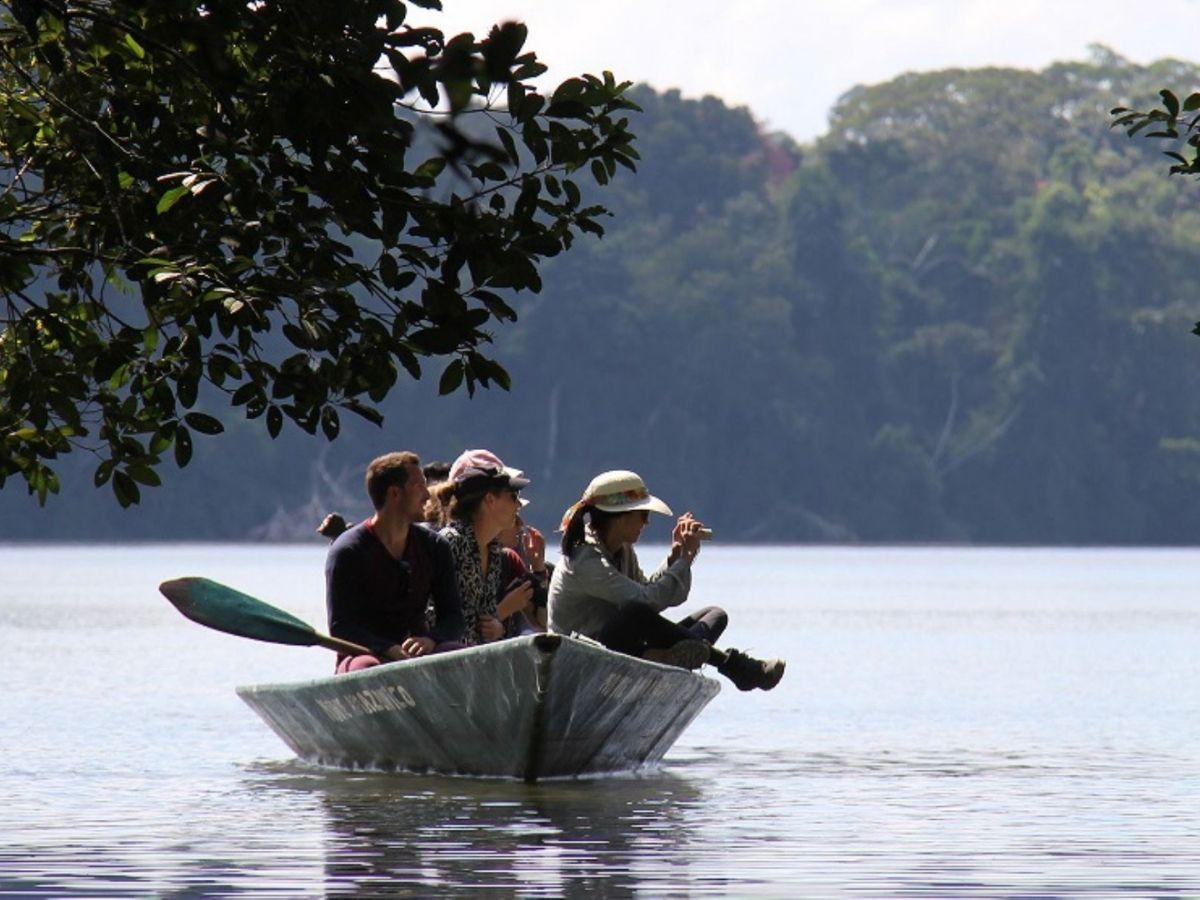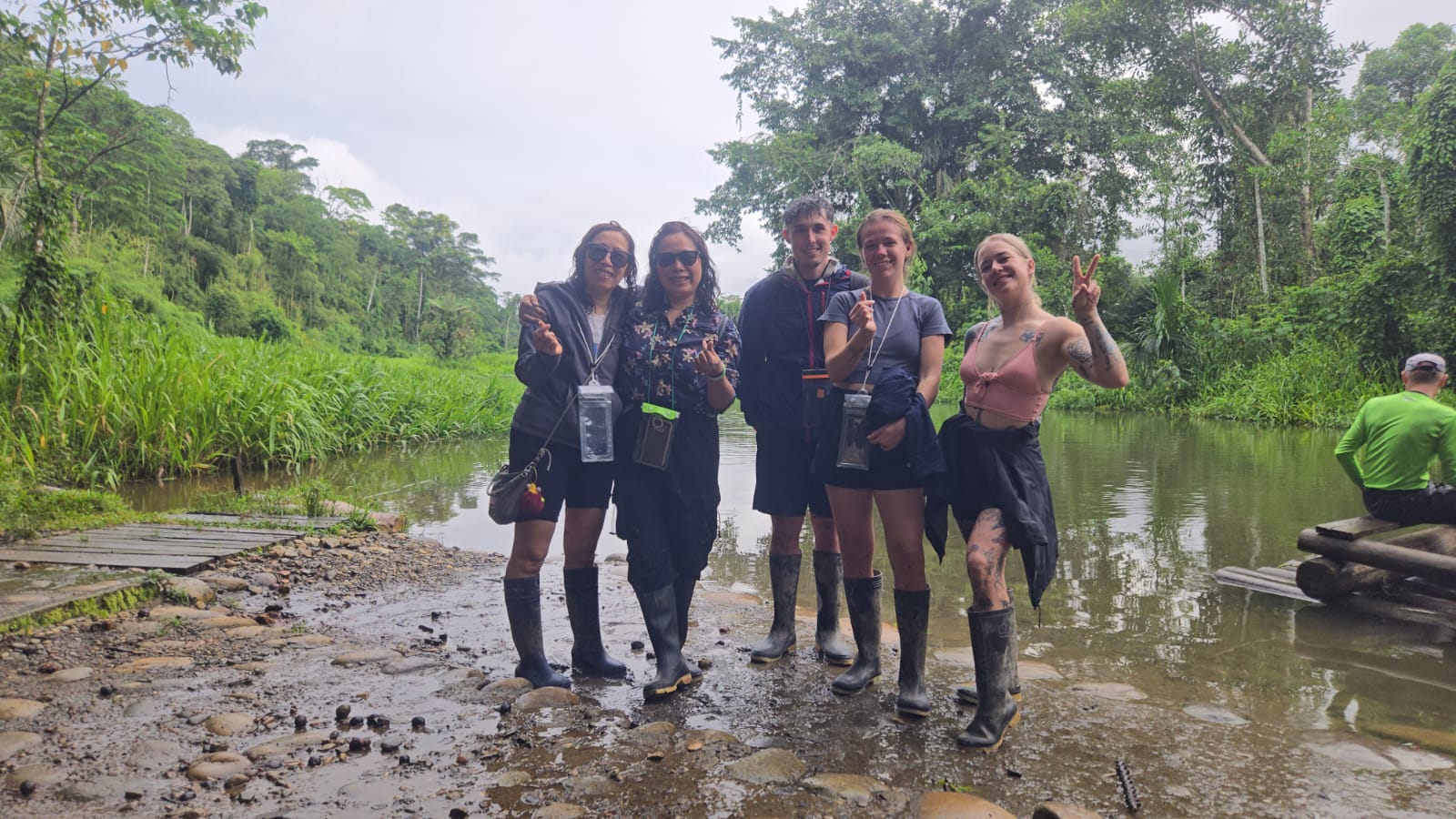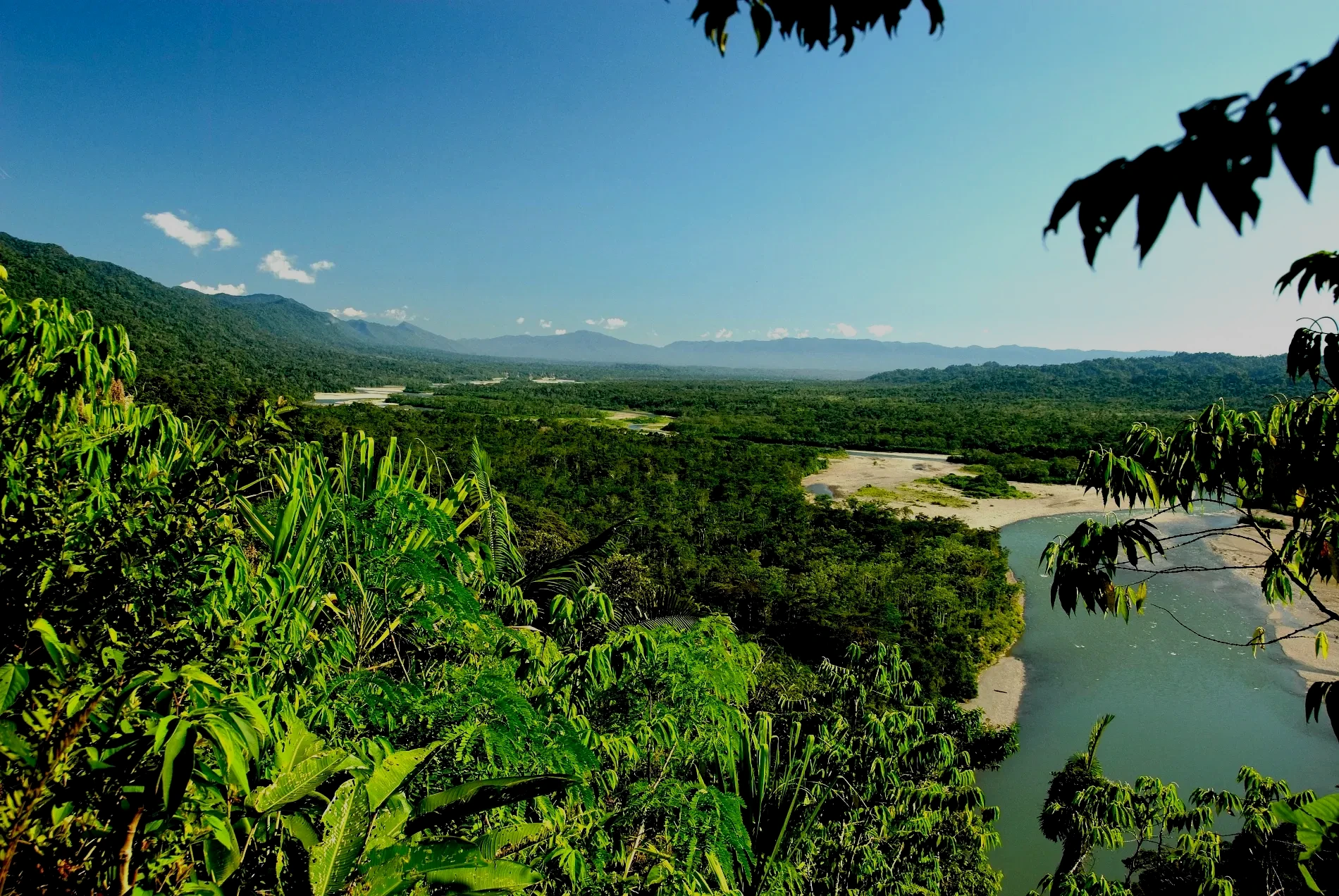
The question of How Many Days Are Needed to Trek Ausangate is one of the most common among travelers planning to visit this impressive region of the Peruvian Andes. The answer depends on several factors, such as the chosen route, physical condition, available time, and additional places travelers wish to visit. However, most travelers consider that between four and six days allows them to enjoy the circuit properly. This duration provides enough time to adapt to the altitude, explore the main landscapes, and complete the route safely. In addition, understanding How Many Days Are Needed to Trek Ausangate helps organize each stage of the trip more effectively. Proper planning makes it possible to enjoy the natural attractions without rushing. Therefore, knowing How Many Days Are Needed to Trek Ausangate is essential for designing a complete experience on one of Peru’s most important mountain routes.
How Many Days Are Needed to Trek Ausangate Depending on the Route Chosen
Determining How Many Days Are Needed to Trek Ausangate depends mainly on the selected itinerary. There are several alternatives that suit different experience levels. Some people complete shorter circuits lasting three or four days. Others prefer longer routes that include nearby attractions. The classic Ausangate hiking route is usually completed in five days. This timeframe allows travelers to walk comfortably and reduce the effects of altitude. In addition, many tour operators organize four, five, or six-day programs depending on the group’s pace. Travelers interested in exploring additional areas often extend the journey. Therefore, the answer to How Many Days Are Needed to Trek Ausangate can vary considerably. However, five days remains the most recommended duration by mountain specialists and tour operators. This period allows visitors to discover lagoons, high mountain passes, and Andean communities without rushing through the experience.
Short Routes and Extended Versions
Shorter versions of the circuit usually focus on the most representative highlights of the area. These programs can be attractive for travelers with limited time. However, shorter routes require longer daily hiking distances and greater physical effort. In contrast, extended circuits distribute the hiking days more evenly. In addition, they provide more opportunities for acclimatization. Some variations include areas near the Rainbow Mountain, which increases the total duration. For this reason, many people choose to add one or two extra days. This decision allows travelers to enjoy the scenery more fully while reducing accumulated fatigue.
Ausangate Trek Duration and Total Distance
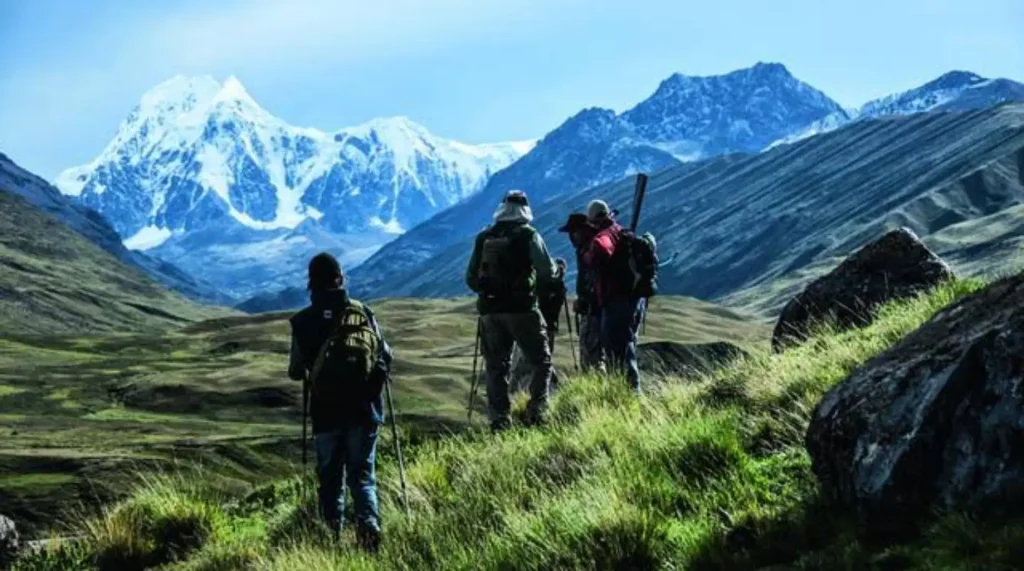
The Ausangate trek duration is directly related to the distance travelers wish to cover. The classic circuit surrounds part of the mountain environment and generally exceeds 60 kilometers. Depending on the selected variation, the total distance of Ausangate can approach or exceed 70 kilometers. This distance requires a proper distribution of daily stages. Therefore, completing the route safely in only a few days is difficult. Travelers who attempt to accelerate the trek often face higher levels of fatigue. In addition, the terrain includes constant ascents and descents. Altitude also influences daily performance. Because of these conditions, most specialists recommend dividing the route into several stages. In this way, travelers researching How Many Days Are Needed to Trek Ausangate can understand that distance is not the only determining factor. The combination of mileage, altitude, and elevation gain makes this hike a demanding experience.
Average Daily Distance Distribution
A balanced itinerary usually considers between 10 and 18 kilometers per day. This distribution depends on the terrain profile. Some sections feature steep slopes and require more time. Other stretches allow for faster progress. In addition, breaks for resting and taking photographs are a natural part of the experience. Therefore, properly dividing the daily distance helps maintain a sustainable pace throughout the expedition.
Ausangate Itinerary and Trek Stages
The classic Ausangate itinerary is generally organized into several consecutive stages. Each day connects different camping areas and crosses diverse landscapes. The proper distribution of the Ausangate trek stages helps reduce physical exhaustion and improves adaptation to altitude. A five-day program usually includes gradual ascents and strategic rest periods. In addition, each stage offers different views of the mountain and high-altitude lagoons.
Day 1: Initial Approach and Acclimatization
The first day usually focuses on entering the circuit. The primary objective is to begin the acclimatization process. For this reason, the pace is generally moderate. In addition, travelers have the opportunity to become familiar with the terrain and weather conditions.
Days 2 and 3: Mountain Passes and High-Altitude Landscapes
These days typically include some of the most demanding sections of the circuit. During these stages, travelers cross high mountain passes and broad Andean valleys. In addition, many of the route’s most famous views appear during this part of the trek. Physical effort increases considerably, making proper planning essential.
Days 4 and 5: Return and Completion of the Circuit
The final stages allow travelers to complete the route and return to the starting point. Although demanding sections still remain, the body is usually better adapted by this stage. In addition, these days provide new perspectives of the mountainous landscape. Therefore, many travelers consider the end of the circuit just as rewarding as the beginning.
Altitude During the Ausangate Trek and Circuit Difficulty
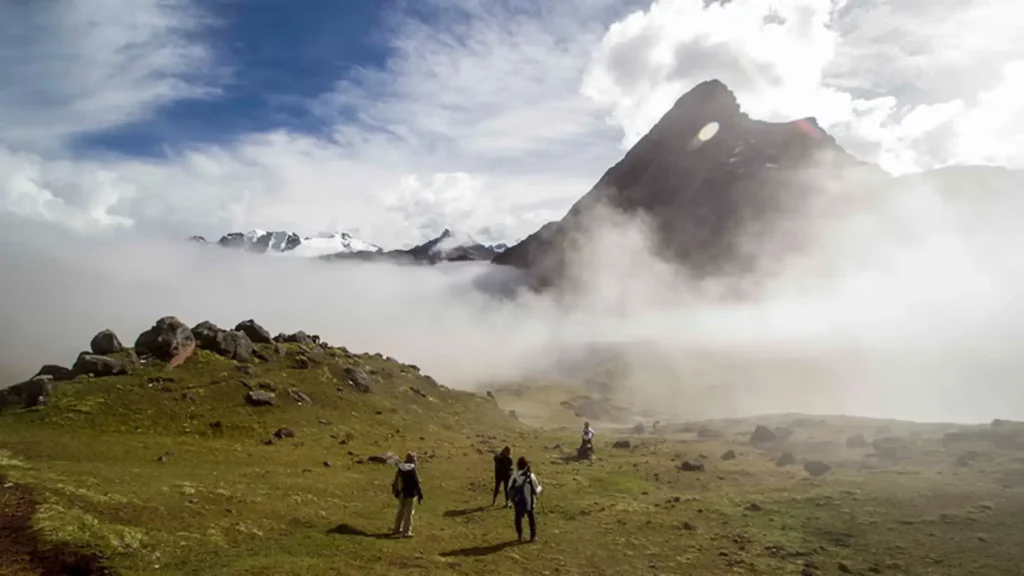
The altitude during the Ausangate trek is one of the most important factors when calculating How Many Days Are Needed to Trek Ausangate. Much of the route takes place above 4,000 meters above sea level. In addition, several mountain passes exceed 5,000 meters. These conditions require proper acclimatization before beginning the hike. The difficulty of the Ausangate circuit is not determined solely by distance. Altitude, low temperatures, and terrain conditions also play major roles. For this reason, travelers often spend several days in Cusco before starting the trek. Insufficient preparation can significantly affect performance. In addition, it increases the likelihood of altitude-related discomfort. Therefore, those seeking to understand How Many Days Are Needed to Trek Ausangate should also consider acclimatization time as part of their overall travel plan.
Factors That Increase Physical Difficulty
- Long hiking days at high altitude.
- Constant elevation changes throughout the route.
- Cold nighttime temperatures.
- Rocky and uneven terrain.
- Frequent weather changes.
The combination of these factors explains why many travelers require several days to complete the circuit safely.
Weather During the Ausangate Trek and Travel Conditions
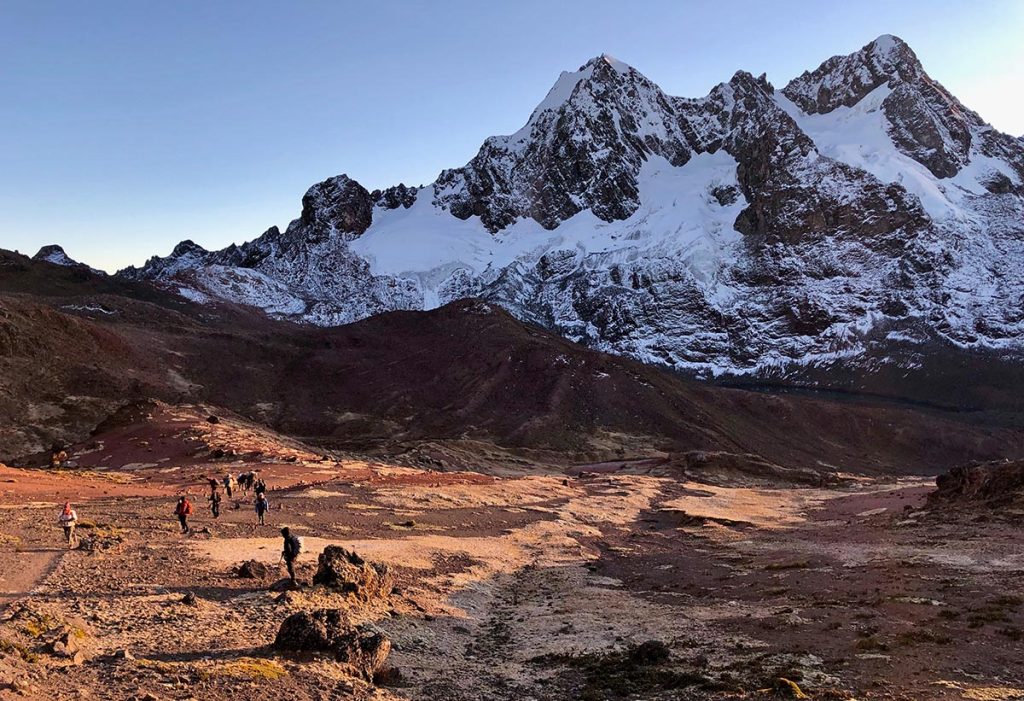
The weather during the Ausangate trek can vary significantly throughout a single day. Mornings often feature clear skies. However, afternoons may bring rain, hail, or strong winds. This variability directly affects hiking pace. In addition, it requires careful planning for each stage. The dry season generally offers more favorable trekking conditions. During these months, trails remain more stable and views are usually clearer. However, nighttime temperatures can drop below freezing. Therefore, proper equipment is essential. Weather conditions also help explain why How Many Days Are Needed to Trek Ausangate does not have a single answer. Meteorological conditions can influence the time required to complete specific sections of the route.
Camping Areas Along the Ausangate Route
The camping areas along the Ausangate route are an essential part of the experience. Unlike other tourist routes, this circuit is characterized by its remote environment. Therefore, most travelers spend the night in campsites distributed throughout the trail. These areas allow the route to be divided into manageable stages and facilitate recovery after each day. In addition, they provide access to some of the best views in the mountain region. Camp selection depends on the chosen program and available logistics. Some tour operators use traditional camping locations that have been used for years. Others adjust camping stops according to group conditions. In any case, proper campsite distribution contributes significantly to the success of the expedition.
Benefits of Proper Campsite Distribution
- Reduces daily physical effort.
- Supports gradual acclimatization.
- Allows better enjoyment of the scenery.
- Facilitates physical recovery.
- Improves the overall trekking experience.
Ausangate Travel Planning and Logistics
Ausangate travel planning requires attention to numerous details. In addition to determining How Many Days Are Needed to Trek Ausangate, travelers must organize transportation, pre-trip accommodations, and equipment. The logistics for visiting Ausangate usually begin in Cusco, the primary starting point for this adventure. Many travelers arrive several days in advance to acclimatize properly. It is also important to coordinate transportation to communities located near the trailhead. Some visitors complete the trek independently. However, others prefer specialized services. Both options require advance preparation. In addition, transportation availability may vary depending on the season. Therefore, booking ahead is recommended to avoid inconveniences.
Essential Organizational Elements
Proper Ausangate trek organization generally includes:
- Transportation reservations.
- An acclimatization plan.
- Appropriate mountain equipment.
- Food planning during the trek.
- Campsite selection.
- Evaluation of weather conditions.
These aspects help ensure a safer and more comfortable experience.
Preparation for Completing the Full Ausangate Trek
Preparation for trekking Ausangate should begin several weeks before departure. Prior physical training helps improve endurance during long hiking days. In addition, it allows travelers to adapt more effectively to consecutive days of effort. Cardiovascular exercises are especially beneficial. Practicing hikes with a backpack is also recommended to simulate trail conditions. Preparation also includes equipment considerations. Thermal clothing, rain protection, and proper hiking boots play a fundamental role. Likewise, consistent hydration contributes to better performance at altitude. Therefore, travelers researching How Many Days Are Needed to Trek Ausangate should recognize that good preparation can positively influence the entire experience.
Recommended Time for Ausangate and Tips for Completing the Full Route
The recommended time for Ausangate is generally between five and six days for most travelers. This duration allows for a better distribution of physical effort while fully enjoying the landscapes. In addition, it facilitates a more gradual adaptation to altitude. Although shorter versions exist, they usually require a significantly faster pace. For this reason, many people choose to dedicate additional days to the journey. When evaluating How Many Days Are Needed to Trek Ausangate, safety and enjoyment should remain the top priorities.
Practical Recommendations for a Better Experience
The following tips for completing the full Ausangate trek help optimize the adventure:
- Arrive in Cusco several days in advance.
- Maintain consistent hydration.
- Wear appropriate clothing for changing weather conditions.
- Avoid excessive effort during the first days.
- Respect your personal hiking pace.
- Use sun protection even on cloudy days.
- Check weather forecasts before departure.
These measures help travelers complete the route more safely and comfortably.

Frequently Asked Questions
1. Is it possible to trek Ausangate without a guide?
Yes, some travelers complete the circuit independently. However, this option requires mountain experience and strong navigation skills. The route crosses remote areas where phone service is limited. In addition, weather conditions can change quickly. Therefore, travelers without previous experience often achieve better results through specialized services or local guidance.
2. What is the best time of year to complete the circuit?
The dry season generally offers more stable trekking conditions. During these months, trails remain in better condition and views are usually clearer. However, nights can be extremely cold. For this reason, it is important to carry proper equipment for low temperatures.
3. Is previous high-altitude trekking experience necessary?
It is not mandatory, although it provides a significant advantage. The route includes demanding sections due to altitude and accumulated elevation gain. Travelers with prior experience usually adapt more easily to these conditions. However, proper physical preparation allows many beginners to complete the trek successfully.
4. How much weight is recommended to carry during the trek?
The amount of weight depends on the type of trip organized. When logistical support is available, the daily backpack is usually light. During independent treks, the load can increase considerably because of camping equipment. In both situations, reducing unnecessary items helps improve comfort throughout the hike.
5. Is it recommended to combine Ausangate with nearby attractions?
Yes, many travelers complement the experience with visits to nearby destinations. This combination allows them to make better use of the journey to the region. In addition, it expands the overall Andean travel experience. Proper planning makes it possible to include several destinations within the same itinerary without affecting the time dedicated to the main circuit.
Discover our travel packages to Peru and let us organize the perfect adventure for you. Request your quote for your trip to Cusco today!