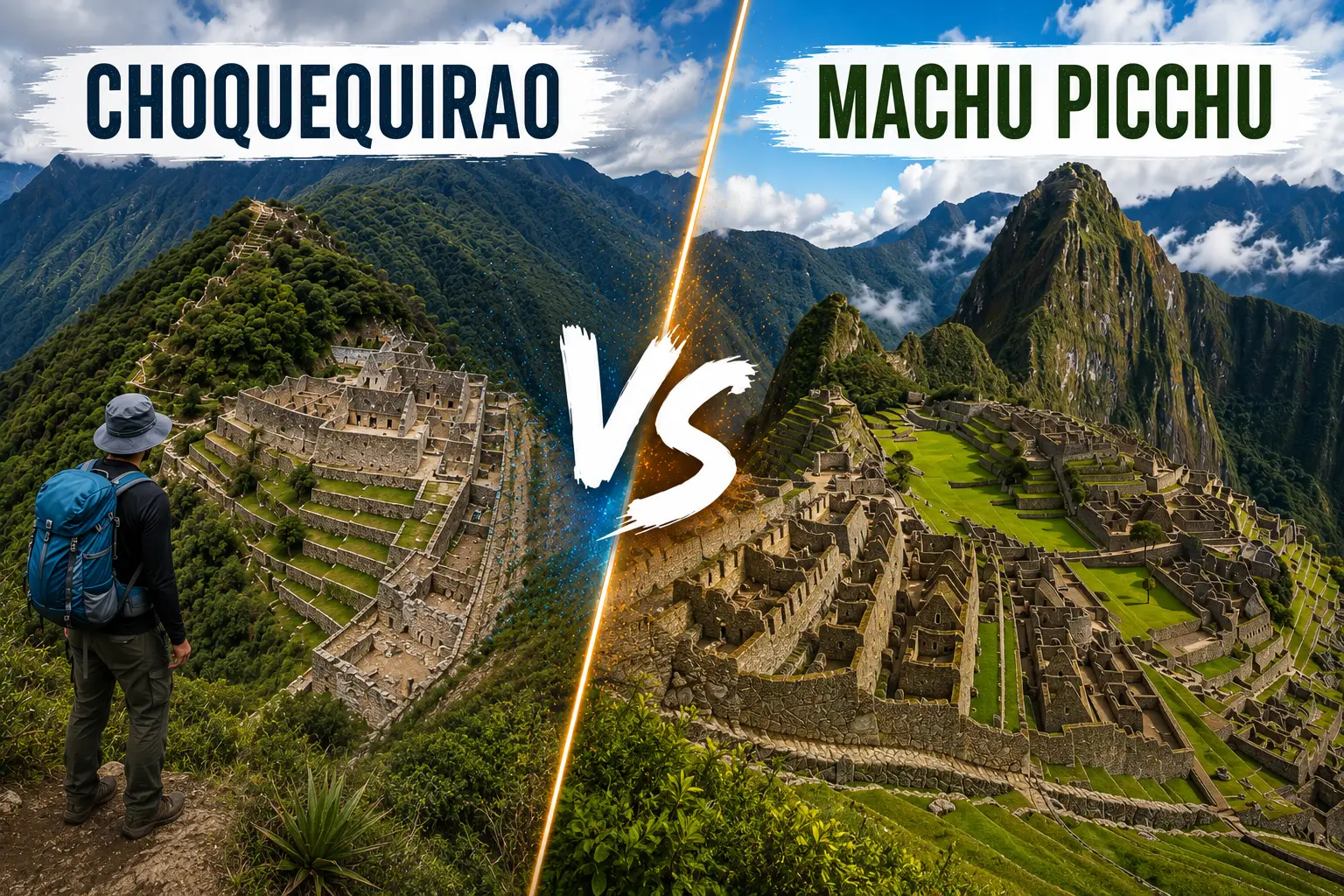
The comparison between Machu Picchu vs Choquequirao is one of the most common among travelers who want to discover the legacy of the Inca Empire in southern Peru. Both archaeological complexes stand out for their historical importance, their location in the Peruvian Andes, and their close connection to Inca culture. However, they offer very different experiences for visitors. While Machu Picchu has a well-developed tourism infrastructure and easier access, Choquequirao requires a challenging hike and a greater investment of time. Therefore, choosing between both destinations depends on factors such as physical condition, available time, and travel expectations. Analyzing Machu Picchu vs Choquequirao makes it possible to better understand the advantages and unique characteristics of each site before planning a visit.
Historical importance within the Inca historical heritage
Both Machu Picchu and Choquequirao are part of the valuable historical heritage of the Incas. Both complexes were built during the expansion period of the Tawantinsuyu and demonstrate an extraordinary mastery of engineering, architecture, and territorial planning. However, each one fulfilled specific functions within the Inca state organization. Machu Picchu is considered an important ceremonial and administrative center associated with the imperial elite. In addition, its strategic location allowed control over several routes connecting the Andes and the Amazon region. On the other hand, Choquequirao played an important role as an administrative and religious center in the region of Vilcabamba, an area linked to the final years of Inca resistance against the Spanish conquest. Because of these characteristics, the comparison between Machu Picchu vs Choquequirao is especially interesting for travelers who wish to gain a deeper understanding of the history of this civilization.
Archaeological and cultural value
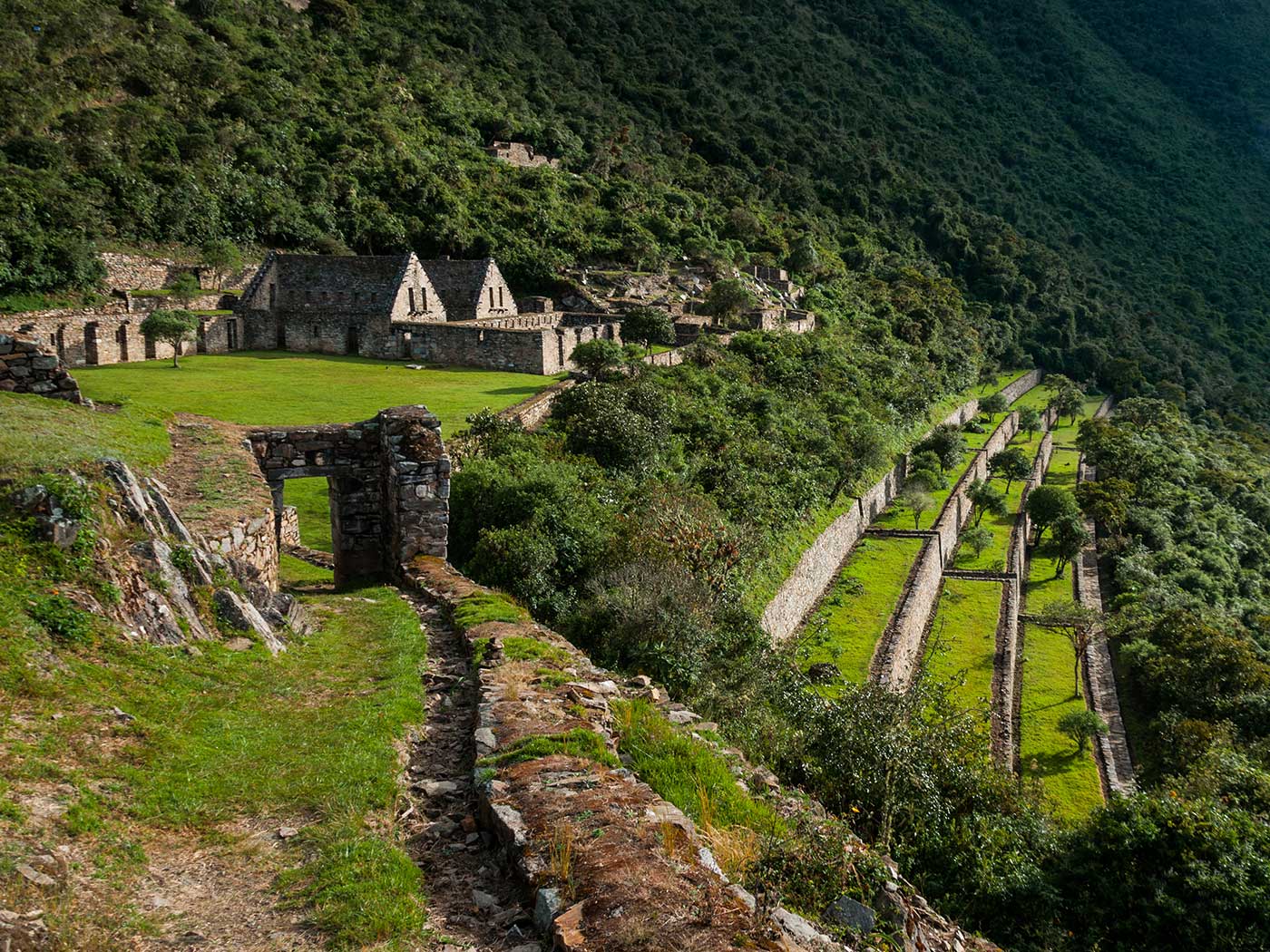
The archaeological value of both sites is exceptional. The preserved structures provide insight into essential aspects of daily life, political organization, and religious practices of the Incas. In addition, each complex includes agricultural terraces, ceremonial plazas, residential areas, and carefully designed hydraulic systems. These features make both locations some of the main tourist attractions of the Inca Empire. However, a greater number of archaeological studies have been conducted at Machu Picchu due to its international popularity. Meanwhile, Choquequirao continues to reveal new discoveries as archaeological exploration and conservation work progresses.
Comparison of Inca archaeological sites
The comparison of Inca archaeological sites makes it possible to identify important similarities between both complexes. They were built using masonry techniques characteristic of Inca architecture. In addition, both feature agricultural terraces adapted to mountainous terrain and demonstrate remarkable integration with the natural environment. Inca engineers took advantage of geographic conditions to create functional and resilient settlements. Likewise, both sites maintain a close relationship with sacred landscape elements, including mountains and water sources.
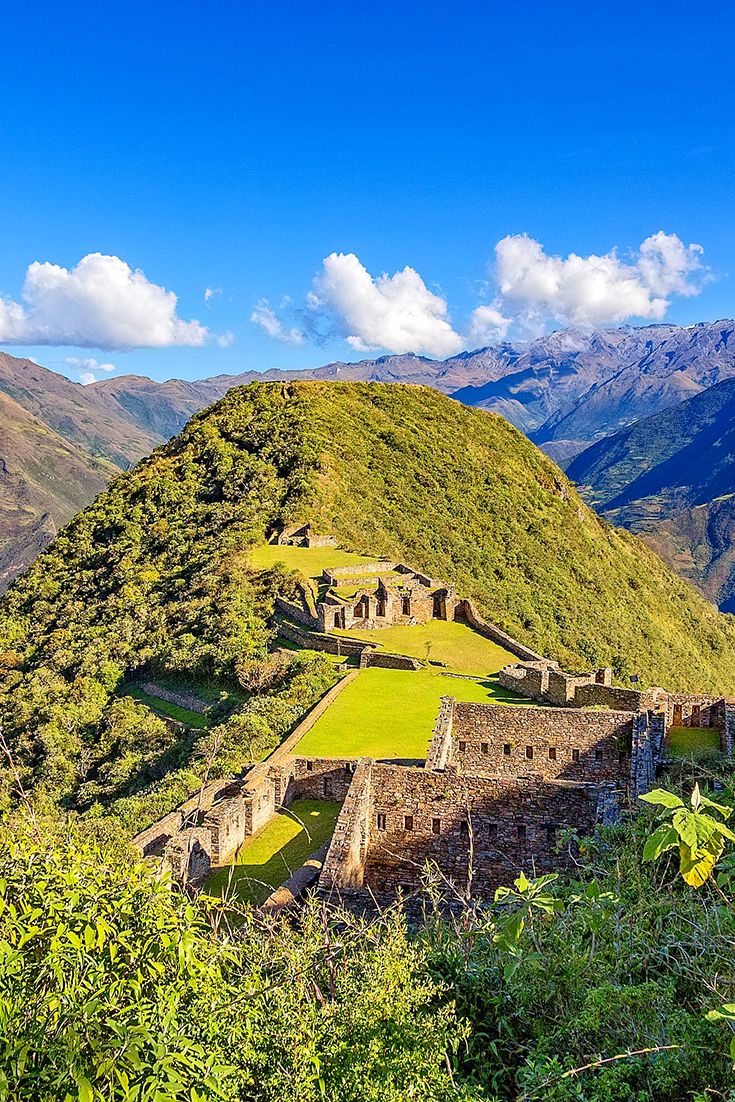
Nevertheless, there are significant differences. Machu Picchu occupies a smaller area but concentrates a large number of restored and accessible structures for visitors. In contrast, Choquequirao extends across a much larger area. However, only a portion of the complex has been excavated and prepared for tourism. This situation directly influences the visitor experience and represents one of the central aspects when analyzing Machu Picchu vs Choquequirao.
Differences between Machu Picchu and Choquequirao
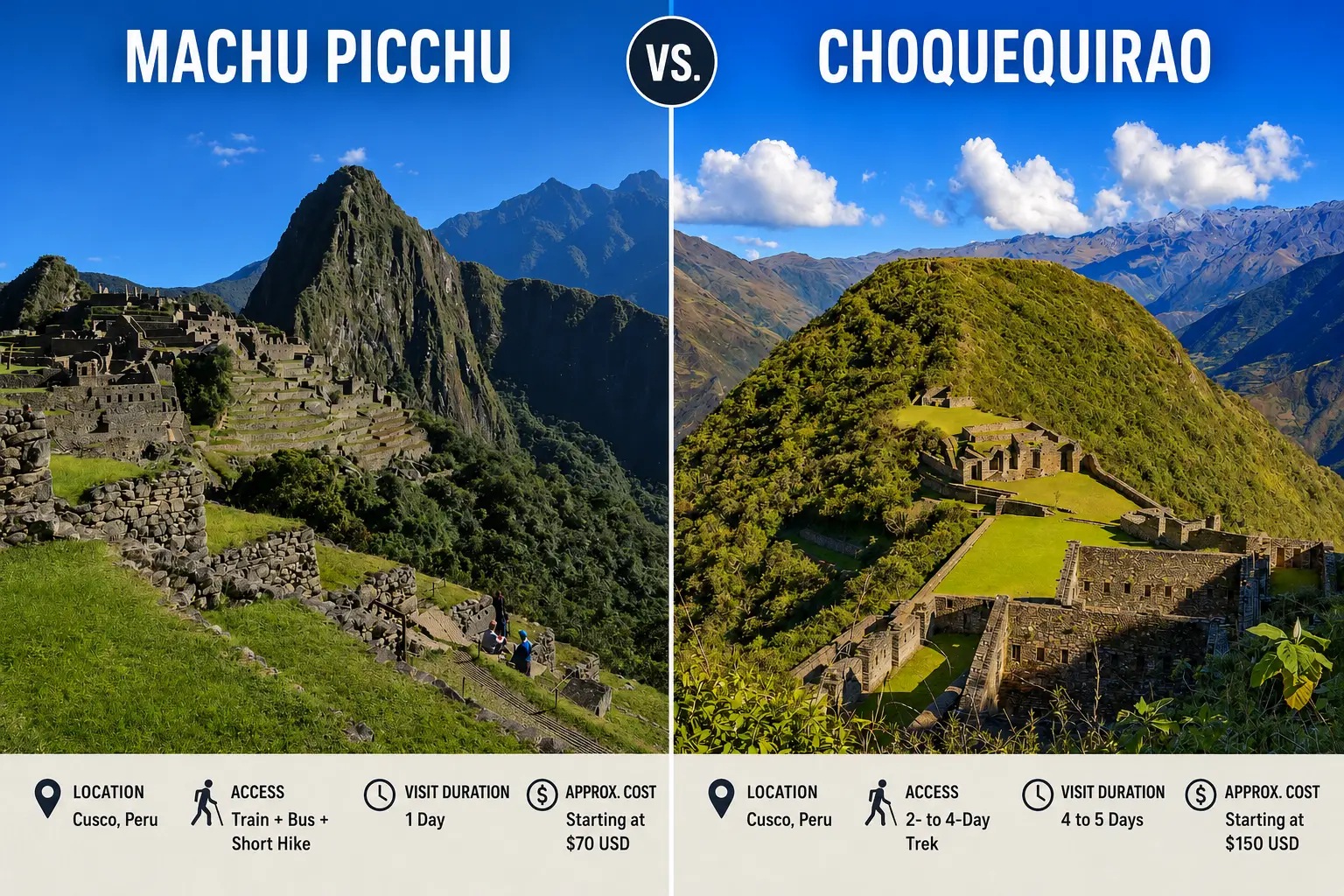
The main differences between Machu Picchu and Choquequirao are related to access, visitor volume, and the overall travel experience. Although both share similar cultural roots, each one offers a different way to connect with the Inca legacy.
Tourist visitation levels
Machu Picchu receives thousands of visitors daily through an entry control system established by cultural authorities. Because of this demand, tickets must be reserved in advance during much of the year. In addition, there are designated circuits designed to protect the archaeological structures.
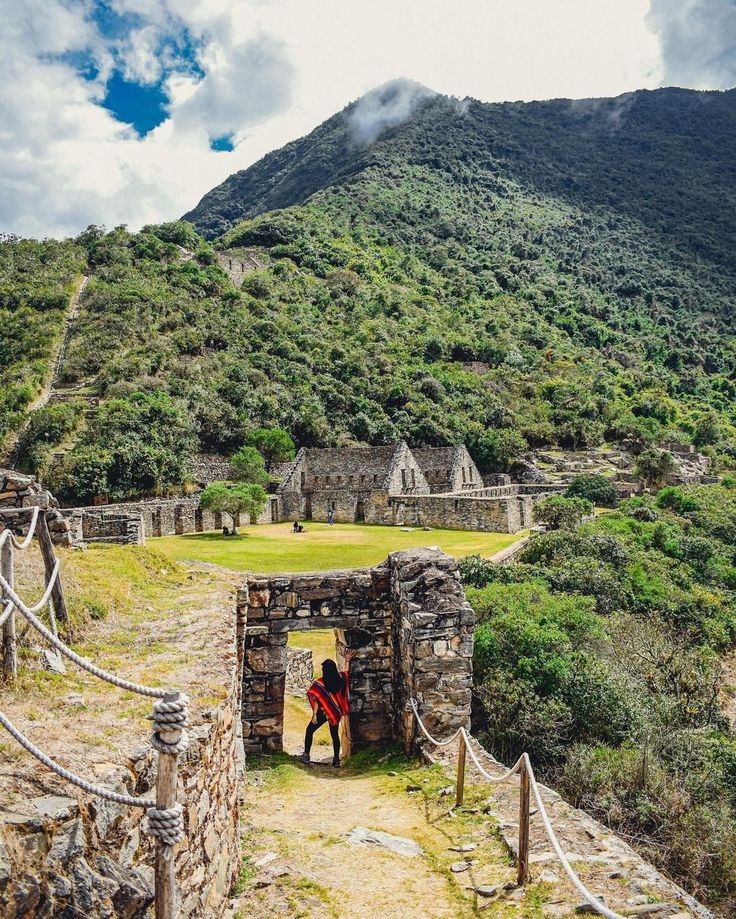
On the other hand, Choquequirao receives a considerably lower number of visitors. As a result, travelers often enjoy a quieter and less crowded environment. This difference is especially appreciated by those seeking experiences away from traditional tourist routes.
Conservation and restoration status
Much of the visible architecture at Machu Picchu has undergone decades of research and conservation work. This makes it easier to interpret its spaces and understand the function of each sector.
In contrast, Choquequirao remains under archaeological exploration. Although many areas have been restored, there are still sectors covered by vegetation or awaiting excavation. This characteristic creates a sense of discovery that attracts many travelers interested in archaeology.
Accessibility and ways to reach each destination
Ease of access is one of the most important factors when evaluating Machu Picchu vs Choquequirao.
How to get to Machu Picchu
To understand how to get to Machu Picchu, it is necessary to consider several alternatives. Most travelers depart from the city of Cusco. They then take a train to Aguas Calientes, also known as Machu Picchu Pueblo. From there, a bus service connects directly to the entrance of the archaeological sanctuary.
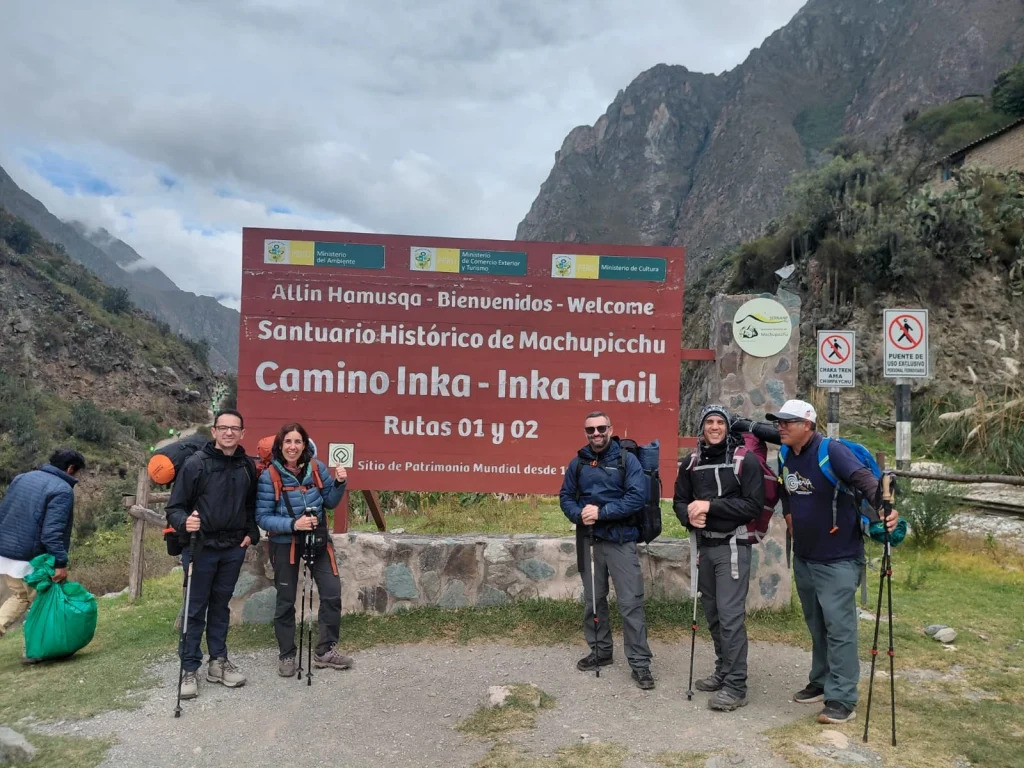
Another option is to complete hikes such as the Inca Trail, the Salkantay Trek, or various alternative routes. These experiences combine nature, history, and physical activity. However, they remain less demanding than the traditional route to Choquequirao.
Access to the archaeological complex of Choquequirao
Access to Choquequirao requires a multi-day hike. The route generally begins in the area of Capuliyoc, located in the province of Abancay. From that point, hikers descend toward the Apurímac River before beginning a long ascent to the archaeological complex.
The absence of direct motorized transportation makes this experience much more demanding. Therefore, the choice between Machu Picchu vs Choquequirao often depends on physical preparation and the amount of time available for the trip.
Choquequirao trek and hiking routes in Cusco
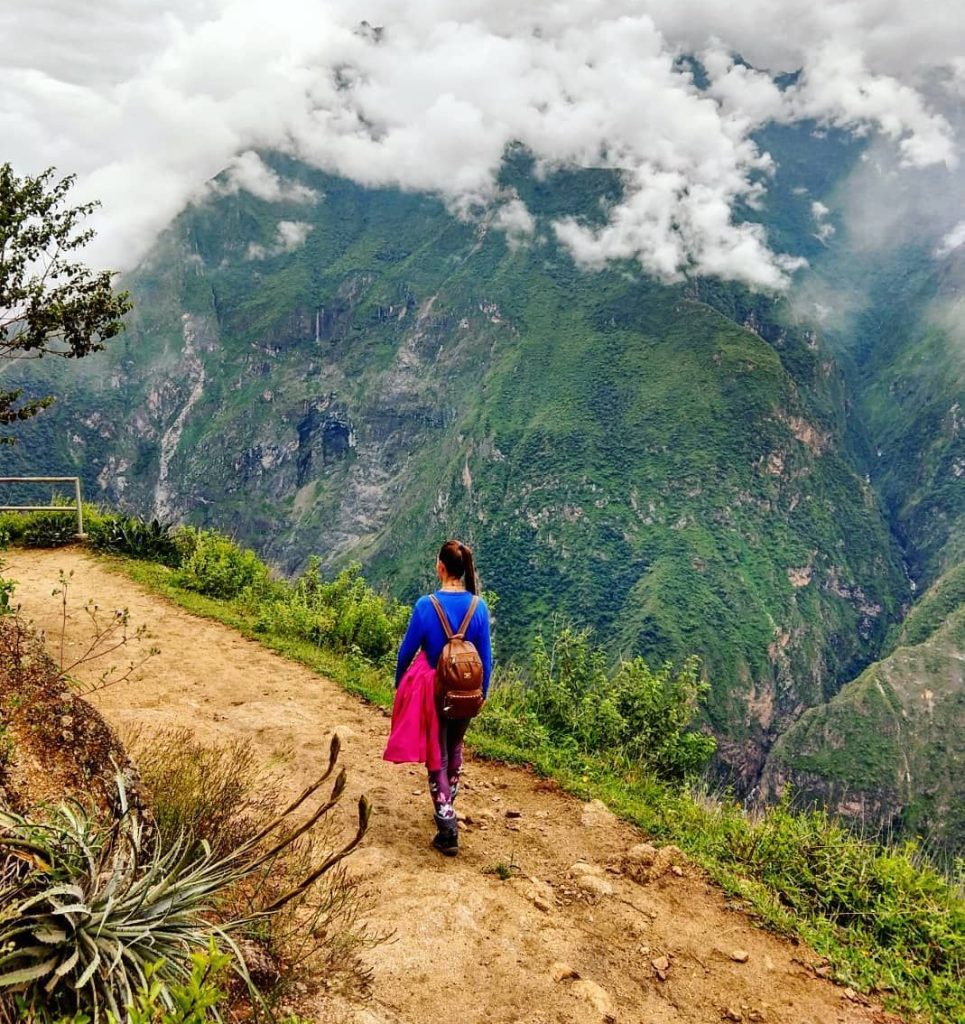
The Choquequirao trek is considered one of the most challenging experiences among the hiking routes in Cusco and nearby regions. Unlike other popular trails, this hike involves significant altitude changes and long days of physical effort.
Difficulty of the Choquequirao trail
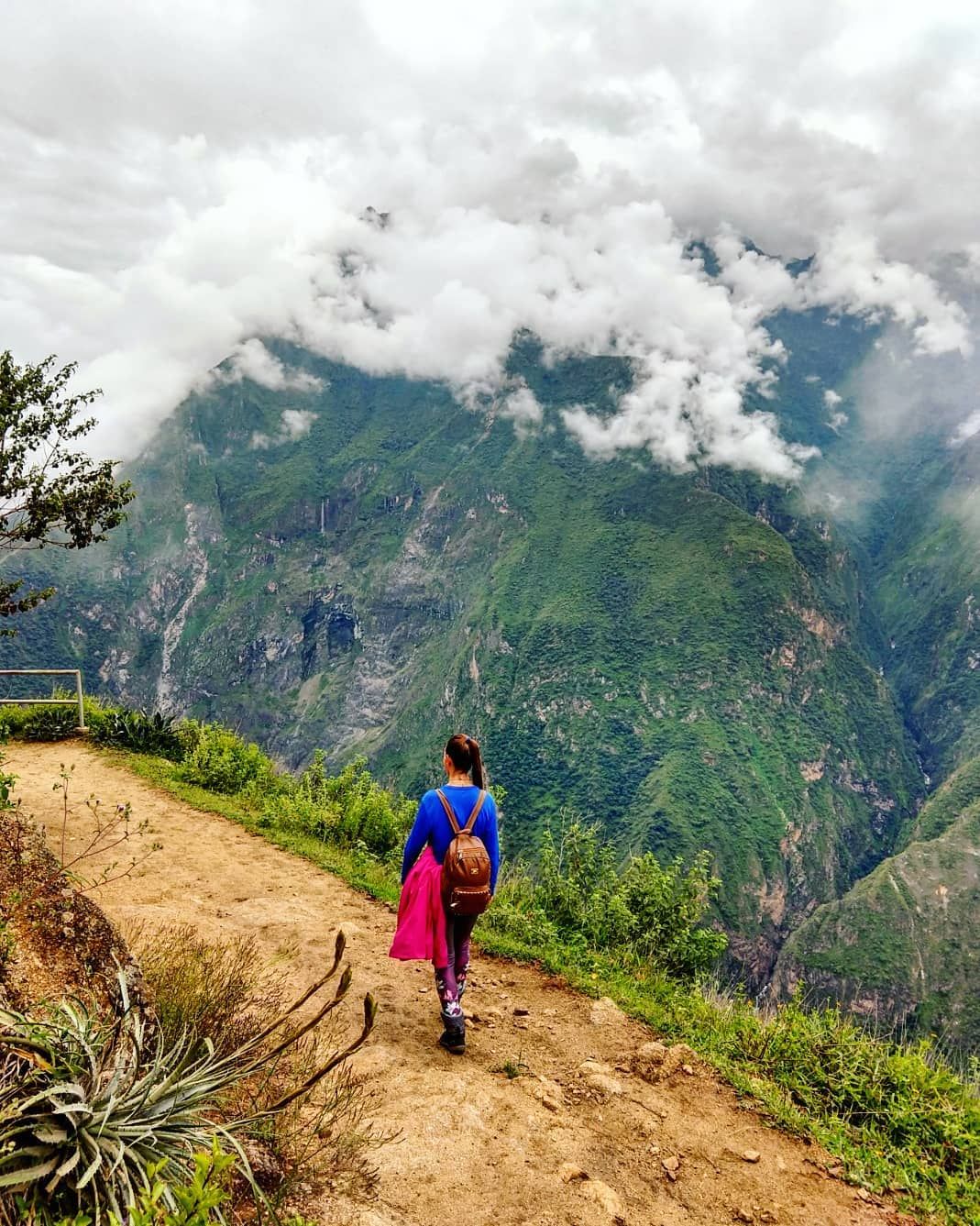
The difficulty of the Choquequirao trail is mainly due to the steep descents and ascents that characterize the route. Hikers must travel mountain paths for several days while facing changing weather conditions and long distances between rest points.
In addition, the physical demands increase because of the altitude and rugged geography of the region. For this reason, prior hiking experience or proper preparation is recommended before undertaking the journey.
Time required to visit Choquequirao
The time required to visit Choquequirao usually ranges from four to five days for most conventional itineraries. Some routes may take longer when they include connections to other Andean destinations or alternative trekking routes.
In comparison, many visits to Machu Picchu can be completed in one or two days from Cusco. This difference represents one of the most decisive factors for travelers choosing between both destinations.
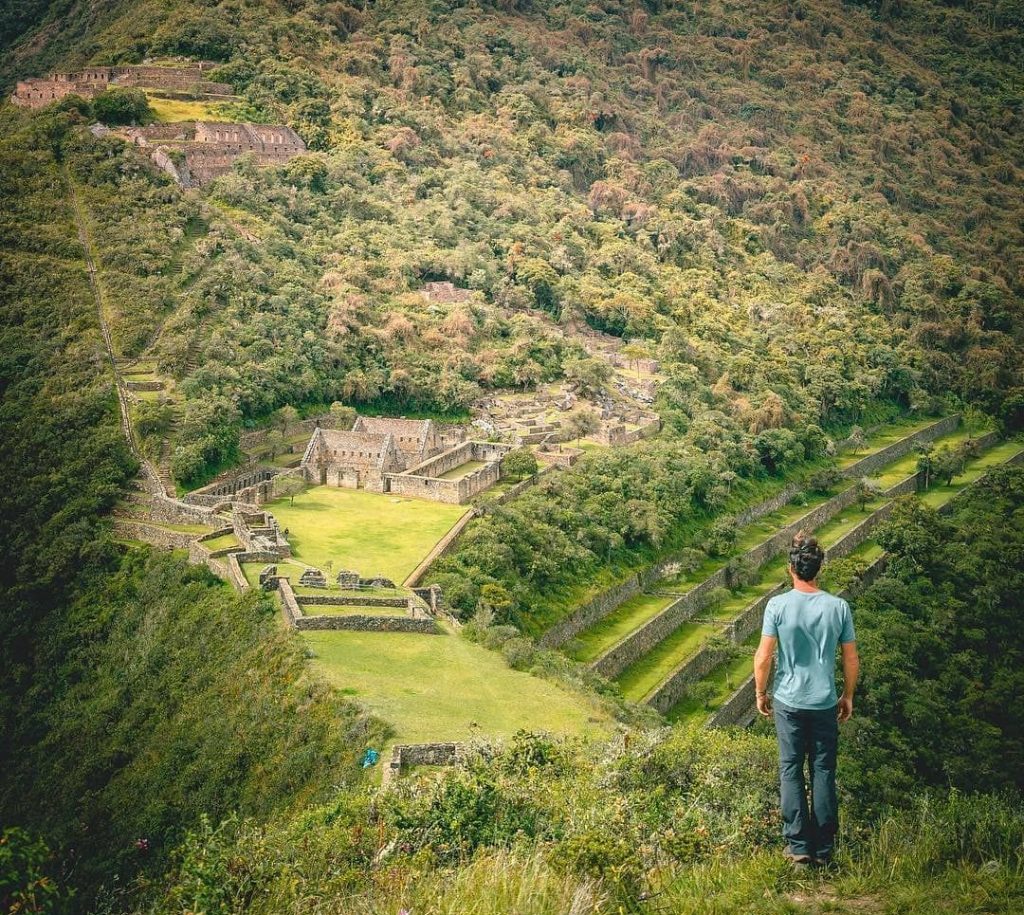
Guided tour of Machu Picchu and the visitor experience
A guided tour of Machu Picchu allows visitors to better understand the function of its main archaeological sectors. Authorized guides explain aspects related to architecture, the Inca worldview, and the ceremonial use of various spaces.
In addition, the tourism infrastructure makes travel planning easier. There are accommodation options, restaurants, and transportation services that simplify the experience for visitors of different ages. For this reason, many people consider Machu Picchu an appropriate choice for family trips or travelers with limited time.
However, the popularity of the site requires advance planning. Entry tickets have limited capacity, and certain circuits may sell out quickly during peak seasons. Even so, the experience remains one of the most highly valued among the best archaeological tours in Peru.
Adventure and culture in the Peruvian Andes
The combination of adventure and culture in the Peruvian Andes takes on different forms at each destination. While Machu Picchu offers an accessible historical immersion, Choquequirao adds a much stronger element of exploration.
At Choquequirao, the journey itself is an essential part of the experience. The route allows travelers to observe mountain landscapes, diverse ecosystems, and rural communities connected to Andean traditions. In addition, the sense of isolation helps create a special connection with the environment.
Meanwhile, Machu Picchu stands out for the ease with which visitors can combine cultural heritage and tourism comfort. Travelers can complement the experience with activities in the Sacred Valley of the Incas, traditional markets, and other nearby attractions. As a result, both destinations represent excellent examples of the many ways to discover the cultural legacy of the ancient empire.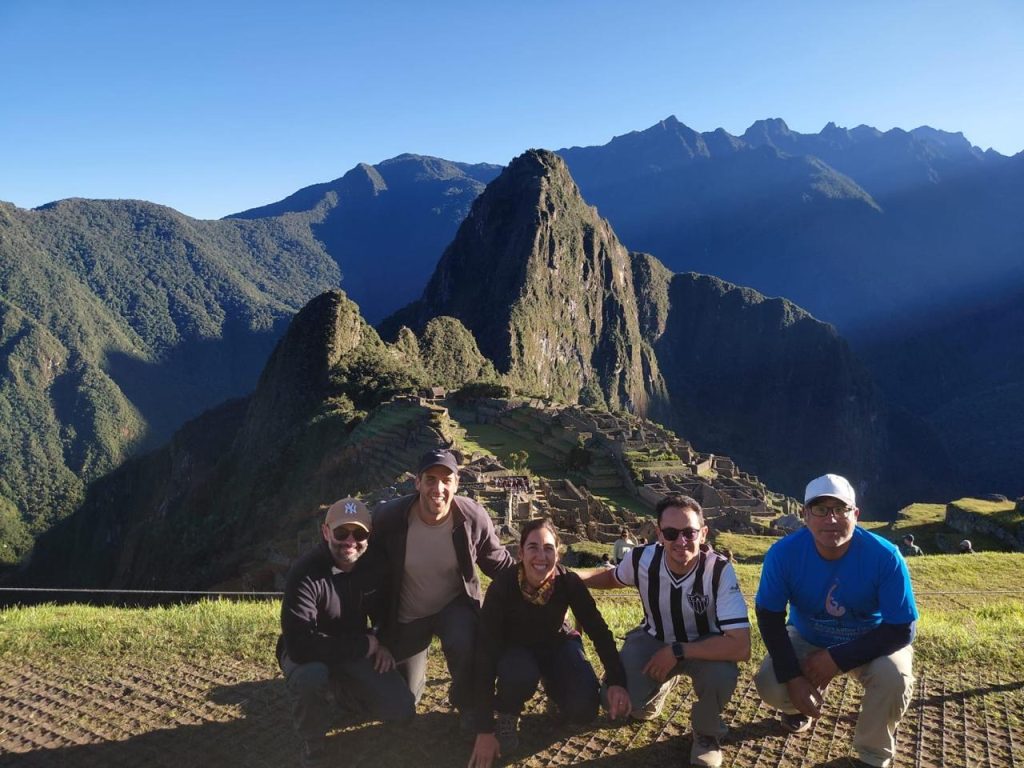
Travel experiences in Cusco and traveler preferences
Travel experiences in Cusco vary considerably depending on each visitor’s interests. Some travelers prioritize comfort, accessibility, and efficient use of time. In those cases, Machu Picchu often becomes the most convenient option.
However, other travelers seek physical challenges and less crowded routes. For them, Choquequirao represents an attractive alternative. The lower number of visitors allows greater enjoyment of the landscapes and archaeological structures.
In addition, travelers interested in long-distance hiking often highly value the route to Choquequirao. In contrast, visitors seeking an intense but accessible cultural experience usually prefer Machu Picchu. These differences help determine which Inca destination to choose according to personal travel goals.
Which Inca destination to choose based on traveler profile
Choosing between Machu Picchu vs Choquequirao requires evaluating several practical factors. Both complexes possess enormous historical and cultural value. However, they meet different travel needs.
Machu Picchu may be the best option for:
- Travelers with limited time.
- Families with children or older adults.
- People who prefer easier access.
- Tourists making their first visit to Cusco.
- Those seeking well-developed tourism services.
Choquequirao may be more suitable for:
- Experienced hikers.
- Travelers seeking fewer crowds.
- People interested in multi-day expeditions.
- Archaeology and exploration enthusiasts.
- Tourists looking for more remote experiences.
The final decision depends on individual priorities. However, many travelers consider both destinations complementary and offering different perspectives on the Inca world.
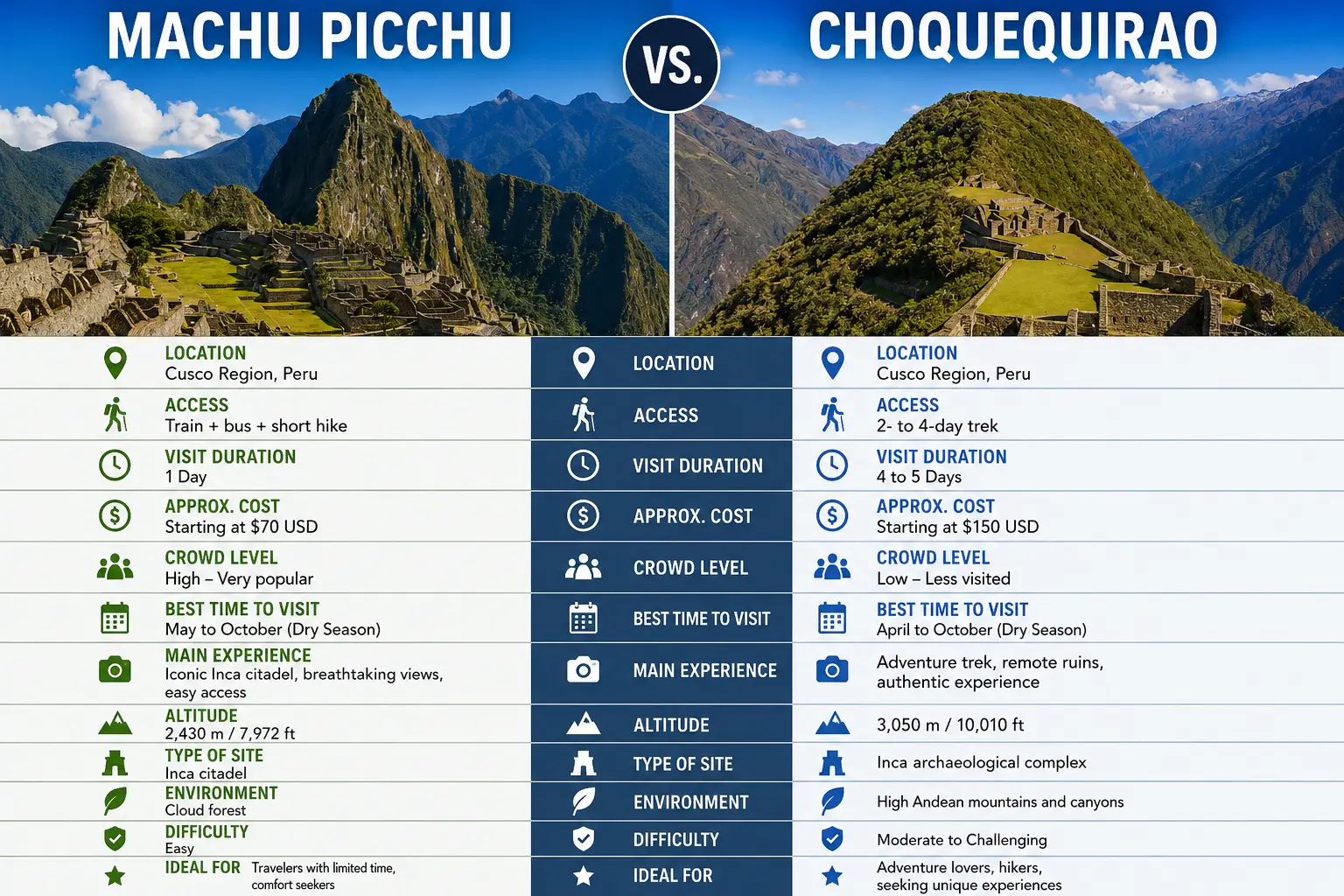
Recommendations for traveling to Machu Picchu and Choquequirao
The recommendations for traveling to Machu Picchu include booking tickets in advance, especially during the high season. In addition, it is advisable to plan transportation and select the visit circuit according to personal interests.
For those choosing Choquequirao, proper physical preparation is essential. It is also recommended to use suitable hiking equipment, stay hydrated, and consider hiring specialized operators.
When comparing Machu Picchu vs Choquequirao, it is important to evaluate budget, available time, and physical condition. This allows the experience to better match the expectations of each traveler.
Best archaeological tours in Peru
The best archaeological tours in Peru often include visits to iconic sites such as Machu Picchu, Sacsayhuamán, Ollantaytambo, Pisac, and Choquequirao. These destinations make it possible to understand the scale of development achieved by the Inca civilization.
Many itineraries combine several archaeological complexes within a single route. In addition, they provide specialized explanations that enrich the cultural experience. Both Machu Picchu and Choquequirao stand out within these tours because of their historical importance and the quality of their archaeological remains.
Frequently Asked Questions
1. What is the best time of year to visit Choquequirao?
The dry season, generally between May and September, usually offers more favorable conditions for hiking. During these months, there is a lower probability of heavy rainfall and the trails remain in better condition. However, colder nighttime temperatures may occur. Planning the trip with updated weather information helps ensure a safer and more comfortable experience.
2. Is it possible to visit Machu Picchu and Choquequirao on the same trip?
Yes, many travelers combine both destinations during the same stay in southern Peru. This option requires proper planning because of the time needed to complete the trek to Choquequirao. Travelers with more than a week available can organize an itinerary that includes both archaeological complexes and other regional attractions.
3. What level of physical preparation is recommended for Choquequirao?
A moderate to good level of physical fitness is recommended. The long hiking days and altitude changes require cardiovascular and muscular endurance. In addition, completing training beforehand can help reduce fatigue during the trek and improve adaptation to the physical demands.
4. Are there entry restrictions similar at both archaeological complexes?
Access conditions differ between the two sites. At Machu Picchu, there is a formal capacity control system and established visitor circuits. Choquequirao also follows conservation regulations, although tourist traffic is much lower. These regulations may be updated periodically according to decisions made by the relevant authorities.
5. What type of luggage is most convenient for each destination?
For Machu Picchu, a light backpack with essential travel items is usually sufficient. In contrast, Choquequirao requires specialized hiking equipment. This includes clothing suitable for changing weather conditions, mountain footwear, sun protection, and items necessary for extended hikes in remote areas.
Discover our travel packages to Peru and let us organize the perfect adventure for you. Request your quote for your trip to Cusco today!